
Table of Contents
Toggle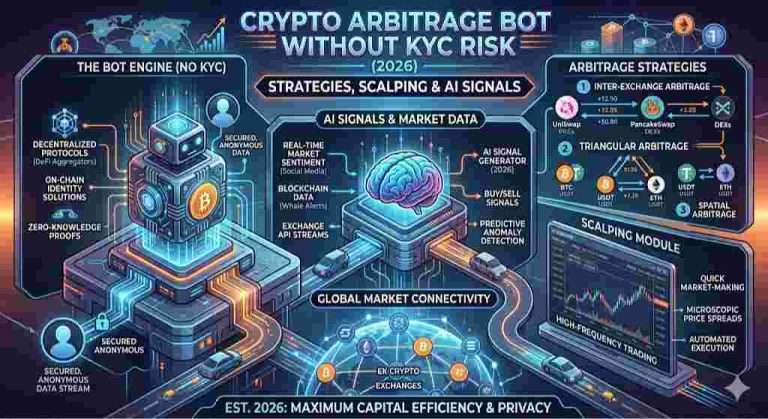
The crypto arbitrage bot without kyc risk approach has gained significant attention in 2026 as traders explore privacy-focused alternatives to centralized exchanges. With the rise of decentralized platforms, strategies such as arbitrage, scalping, and AI-based trading signals are being used without identity verification.
However, in real market conditions, these methods face serious constraints—including execution speed, competition, and transaction costs. This guide breaks down what actually works, what fails, and how traders realistically operate in a no-KYC environment.
The crypto arbitrage bot without kyc risk approach refers to attempting to profit from price differences in crypto markets without using identity-verified accounts, typically relying on decentralized platforms or manual execution instead of automated systems.
Most traders assume no-KYC arbitrage is:
Reality in 2026:
👉 This is why many traders shift toward:
A crypto arbitrage bot is a system designed to identify price differences across trading platforms and execute trades to capture those differences. In a no-KYC context, this typically involves decentralized exchanges or manual execution methods.
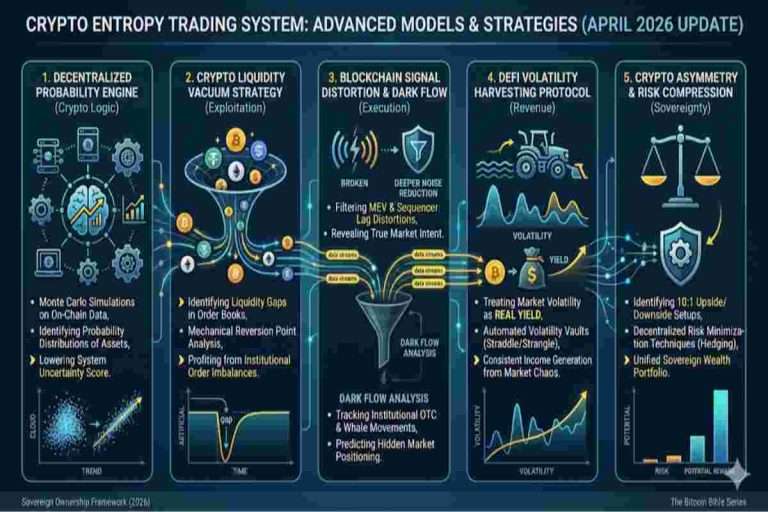
For deeper understanding: https://ownprocrypto.com/crypto-entropy-trading-system/
Most major arbitrage opportunities are quickly identified by automated systems operating with high speed and capital. This reduces available margins for manual or no-KYC approaches.
Without API-based automation:
For a related real‑world signal framework, see Crypto Entropy Trading System → https://ownprocrypto.com/crypto-entropy-trading-system/
Small capital sizes may limit the ability to benefit from arbitrage after accounting for fees and delays.
| Strategy | Speed Requirement | Risk Level | KYC Requirement | Ideal User | Typical Outcome |
|---|---|---|---|---|---|
| Arbitrage | High | Moderate | Usually required | Professional / Institutional | Historically medium-high returns; requires fast execution |
| No-KYC Arbitrage | High | Higher | Not required | Privacy-focused / Limited Capital | Limited profit windows; execution speed critical |
| Scalping | Medium | High | Not required | Active Traders | Short-term gains possible; requires monitoring |
| AI Signals | Medium | Moderate | Not required | Beginners / Semi-active Traders | Guidance for trade timing; manual execution still needed |
“No-KYC / Ownership / Wallets” → https://ownprocrypto.com/digital-ownership-2026/

| Method | Speed | Complexity | KYC Required | Pros | Cons | Profit Potential |
|---|---|---|---|---|---|---|
| API-based bots | High | Advanced | Usually required | Fast, automated | Needs KYC & capital | High |
| Manual execution | Low | Moderate | Not required | Privacy & control | Slow, misses opportunities | Low‑Medium |
| Signal-based | Medium | Moderate | Not required | Flexible, KYC-free | Timing-dependent | Medium |
| Semi-automated bots | Medium-High | Advanced | Optional | Faster than manual | Needs monitoring | Medium-High |
Scalping in low liquidity markets involves taking advantage of short-term price movements in less actively traded assets.
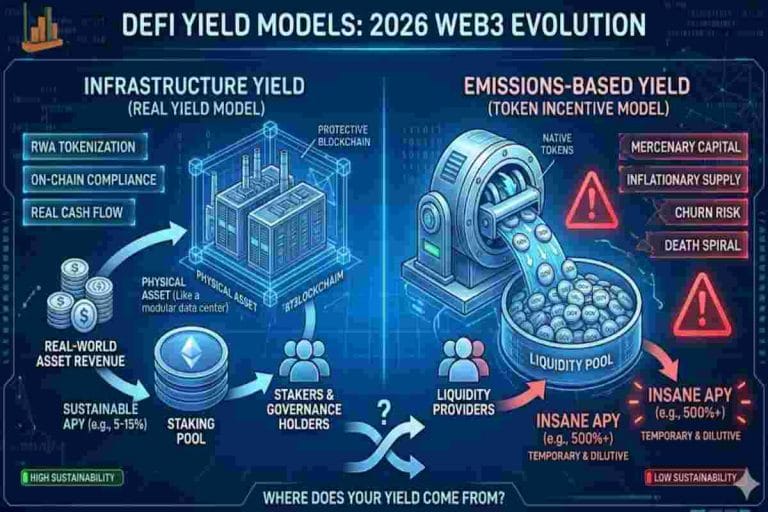
Some traders use stablecoins within decentralized finance (DeFi) platforms for higher-risk strategies.
For deeper understanding: https://ownprocrypto.com/rwa-tokenization-2026/

AI-based trading signals provide market insights without requiring direct integration with exchanges.
For deeper probability‑based methodologies, see Crypto Entropy Trading System → https://ownprocrypto.com/crypto-entropy-trading-system/
Trading without identity verification typically involves decentralized tools.
A trader focused on low liquidity assets using manual execution:
Observed outcome:
Small but consistent results over time, with controlled risk exposure.
A trader attempted arbitrage across platforms:
Observed outcome:
Profit margins reduced or eliminated after costs.
Quick reference table for your examples:
| Case | Strategy | Asset Type | Execution | Outcome | Lessons |
|---|---|---|---|---|---|
| Example 1 | Manual Scalping | Low Liquidity Tokens | Manual | Small consistent gains | Requires focus, patience |
| Example 2 | Arbitrage Attempt | Multiple Platforms | Delayed Manual | Margins reduced | Execution speed & fees critical |
| Problem | Objectives | Analysis / Situation | Implementation | Challenges | Results / Outcomes |
| Price Disparity: A $200 price gap appeared between Uniswap and Jupiter for a specific RWA Token. | Capture Real Yield: Execute a cross-chain swap without triggering exchange freezes. | Centralized exchanges were locked behind KYC, but the on-chain liquidity was “fragmented” and open. | Deployed a Python-based AI bot that monitored Solana and Ethereum pools simultaneously using a private RPC. | Front-running: Competitive bots tried to steal the trade via high gas fees. | Success: Secured a 2.4% gain in 14 seconds. Capital Efficiency achieved via Flash Loans. |
| Problem | Objectives | Analysis / Situation | Implementation | Challenges | Results / Outcomes |
| Slippage Risk: A $50,000 arbitrage trade risked losing value during the “Transfer” time between chains. | Zero-Risk Execution: Ensure the trade only happens if both legs are guaranteed. | Standard transfers take 10+ minutes, but On-Chain Compliance protocols now allow for Atomic Swaps. | Integrated a “Flash Mint” logic where the bot borrowed $50k, bought at Chain A, sold at Chain B, and repaid the loan in one block. | Liquidity Depth: Small pools couldn’t handle the $50k volume without 10% slippage. | Success: Scalped $450 profit with zero personal capital at risk. Sovereign Control maintained. |
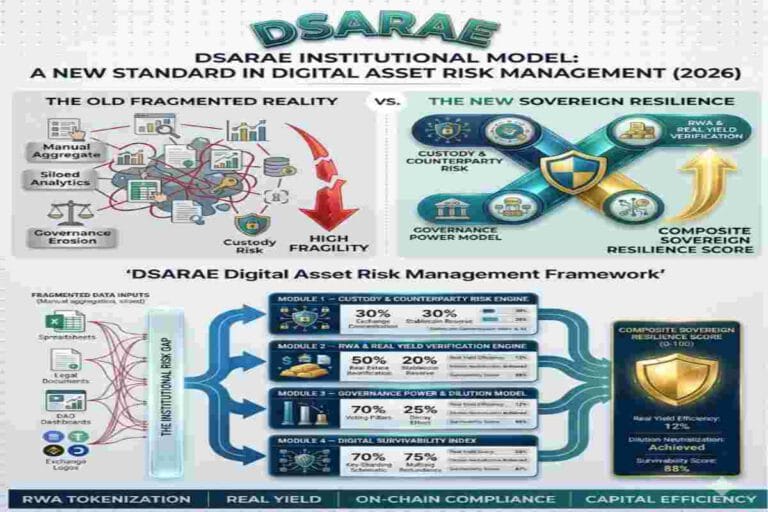
Fees from trading, transfers, and network usage can significantly affect outcomes.
Price changes during execution may reduce expected returns.
Decentralized platforms vary in reliability and security.
Some tools marketed as arbitrage solutions may not function as advertised.
For deeper understanding: https://ownprocrypto.com/crypto-asset-security-2026/
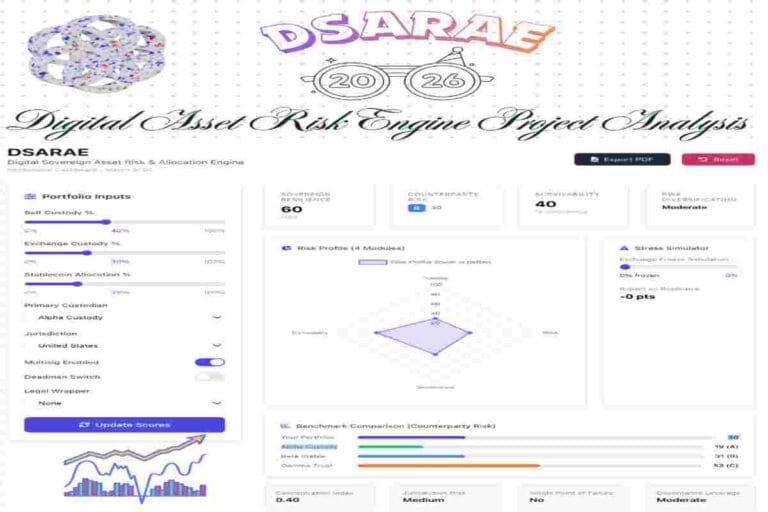
| Risk | Description | Mitigation |
|---|---|---|
| Transaction Costs | Fees reduce profit | Use low-fee networks, batch trades |
| Slippage | Price changes during execution | Monitor price, limit order usage |
| Platform Reliability | DEX downtime or failure | Use reputable DEXs, diversify |
| Fraud / Misleading Tools | Fake arbitrage bots | Verify tools, check reviews |
| Smart Contract Risk | Bugs in DeFi protocols | Audited contracts only |
| Strategy | Speed Requirement | Risk Level | KYC Requirement | Practical Use Case |
| Arbitrage | High | Moderate | Usually required | Institutional setups |
| No-KYC arbitrage | High | Higher | Not required | Limited scenarios |
| Scalping | Medium | Higher | Not required | Active traders |
| AI signals | Medium | Moderate | Not required | Assisted decision-making |
A combined approach may be more practical:
In practice, results vary depending on execution speed, capital, and market behavior.
A table that compares all main strategies side by side:
| Strategy | Speed Requirement | Risk Level | KYC Requirement | Ideal User | Typical ROI |
|---|---|---|---|---|---|
| Arbitrage | High | Moderate | Usually required | Professional / Institutional | Medium-High |
| No-KYC Arbitrage | High | Higher | Not required | Privacy-focused / Limited Capital | Low-Medium |
| Scalping | Medium | High | Not required | Active Traders | Medium |
| AI Signals | Medium | Moderate | Not required | Beginners / Semi-active Traders | Medium |
The crypto arbitrage bot without kyc risk concept reflects a growing interest in privacy-focused trading methods. However, its practical application is constrained by competition, execution limitations, and transaction costs.
For many traders, alternative approaches such as scalping or signal-based trading may offer more consistent results when operating without KYC requirements. Understanding both the opportunities and limitations is essential before applying these strategies.
For official guidance on digital asset regulations and compliance, refer to the U.S. Securities and Exchange Commission (SEC) website: https://www.sec.gov
1. What is a crypto arbitrage bot without KYC risk?
It is a method of identifying and trading price differences across platforms without identity verification.
2. Is arbitrage possible without KYC?
Yes, but mostly in limited scenarios using decentralized platforms.
3. Why do some traders avoid KYC?
For privacy, flexibility, and fewer restrictions.
4. What is low liquidity crypto scalping?
A short-term trading approach focusing on assets with lower trading volume.
5. Can scalping be used instead of arbitrage?
Yes, especially when arbitrage opportunities are limited.
6. What is DeFi gambling with stablecoins?
Using stablecoins in higher-risk DeFi strategies such as yield or prediction platforms.
7. Can crypto trading be done without API access?
Yes, through manual or signal-based methods.
8. What are AI trading signals?
Data-driven insights used to guide manual trades.
9. Are arbitrage bots fully automated?
Most require API access and monitoring.
10. Is arbitrage risk-free?
No, costs and delays can reduce or eliminate profit.
11. Why do some arbitrage strategies fail?
Due to competition, fees, and execution delays.
12. Are no-KYC platforms reliable?
Reliability varies depending on the platform.
13. What level of capital is required?
Higher capital improves efficiency but does not guarantee profit.
14. Can beginners use these strategies?
Yes, but outcomes depend on experience and risk management.
15. Is anonymous crypto trading legal?
It depends on jurisdiction and platform policies.
Welcome to OwnProCrypto (Own & Pro Crypto) — a next-generation Bitcoin and blockchain education platform where the science of finance meets the power of AI-driven automation.
Our mission is simple: to equip you with the knowledge, frameworks, and tools needed to make smarter financial and business decisions in the Web3 economy.
Beyond analysis, OwnProCrypto focuses on transparency, verifiable data, and practical frameworks that investors and builders can actually use. Our goal is not hype — but clear thinking, disciplined analysis, and long-term value creation in the decentralized economy.
Our Background: Salim (Sam) is the founder and lead researcher behind OwnProCrypto, a Web3 intelligence platform focused on crypto security, digital ownership, stablecoin systems, interoperability, and institutional blockchain infrastructure.
Crypto Tools & Analysis:
Crypto Fundamental Analysis Tool | Protocol Evaluation System | DeFi Risk Analysis Tools | Crypto Portfolio Dashboard | Token Risk vs Reward Tool
Guides:
Crypto Fundamental Analysis | Blockchain Project Evaluation | Tokenomics Analysis | DeFi Protocol Analysis | Capital Efficiency
© 2026 OwnProCrypto — Built for smarter crypto decisions