
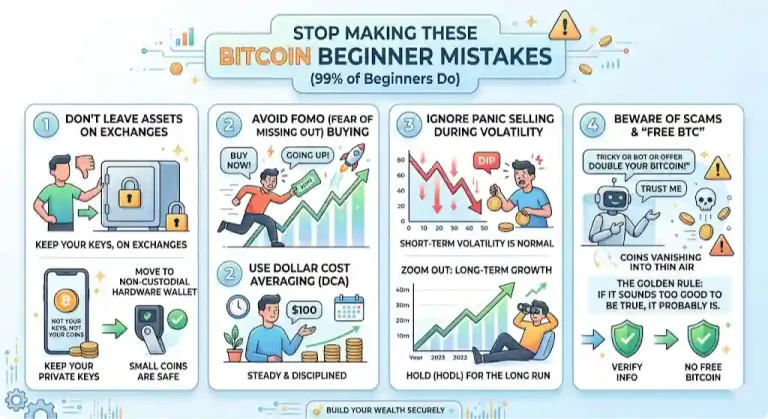
The most damaging of all bitcoin beginner mistakes is treating the asset like a gambling chip. Many beginners fail in crypto because they look for 100x returns overnight, ignoring the bitcoin scarcity that makes it a generational asset. When you treat Bitcoin as a lottery ticket, you succumb to crypto speculation vs investing, often buying at the “top” due to FOMO. A professional approach requires moving from a “get rich quick” mindset to one of long term holding bitcoin.
Most people entering crypto make the same costly errors—and these Bitcoin beginner mistakes almost always start with the wrong mindset.Instead of understanding Bitcoin as a long-term system for ownership, beginners treat it like a lottery ticket—chasing quick profits while ignoring fundamentals.
This single misunderstanding leads to poor decisions, unnecessary risk, and lost opportunities.
Table of Contents
Toggle| Mistake | What Beginners Think | Reality |
|---|---|---|
| Lottery mindset | “I’ll 10x my money fast” | Bitcoin rewards patience, not gambling |
| Unit bias | “I can’t afford 1 BTC” | You can buy fractions (satoshis) |
| Cheap coin chasing | “Low price = more upside” | Often lower quality, higher risk |
| Exchange reliance | “It’s safe like a bank” | You don’t control your assets |
New investors usually enter through hype—social media, friends, or headlines about massive gains.
That creates a dangerous expectation:
Instead of learning what Bitcoin actually is, they jump straight into “how much can I make?”
That’s where things go wrong.

This is speculation—not investing.
Bitcoin, by design, is:
If you want to understand how real market cycles behave, see
Crypto Trends 2026 → https://ownprocrypto.com/crypto-trends-2026/
Bitcoin unit bias explained: This is the psychological trap where beginners feel “too late” because they can’t afford a whole Bitcoin. They mistakenly believe they need to buy a full unit, leading them toward “cheap” but risky coins. In reality, Bitcoin is divisible into 100 million Satoshis vs bitcoin units. Understanding that owning 0.01 BTC is better than owning 1 million “junk” coins is a vital bitcoin beginner mistakes to overcome.
One of the most damaging Bitcoin beginner mistakes is unit bias.
People think:
“I’m too late because I can’t buy 1 Bitcoin.”
So they chase cheaper coins.
This misunderstanding destroys capital allocation early.

Why cheap cryptocurrencies are risky: A low price per coin usually means a massive supply, not high value. These cheap crypto risks involve “pump and dump” schemes where the creators own most of the supply. Beginners get trapped in these “penny stocks” of the crypto world and lose their initial capital while Bitcoin continues to set new floors.
Cheap coins feel like opportunity—but price is misleading.
| Factor | Bitcoin | Cheap Coins |
|---|---|---|
| Supply | Fixed | Inflated |
| Adoption | Global | Limited |
| Risk | Lower | High |
Most beginners trade quality for illusion.
Learn how real value is created in crypto systems:
Tokenomics Explained → https://ownprocrypto.com/tokenomics-explained/

The not your keys not your coins meaning is the golden rule of the industry. Bitcoin private keys explained: If you do not hold the mathematical “key” to your wallet, you do not actually own the Bitcoin—the service provider does. True self custody means you are your own bank, immune to the failures of third-party platforms.
This is the most important rule in crypto. If you don’t control your private keys—you don’t own your Bitcoin.
Beginners often leave funds on exchanges because it’s easy.
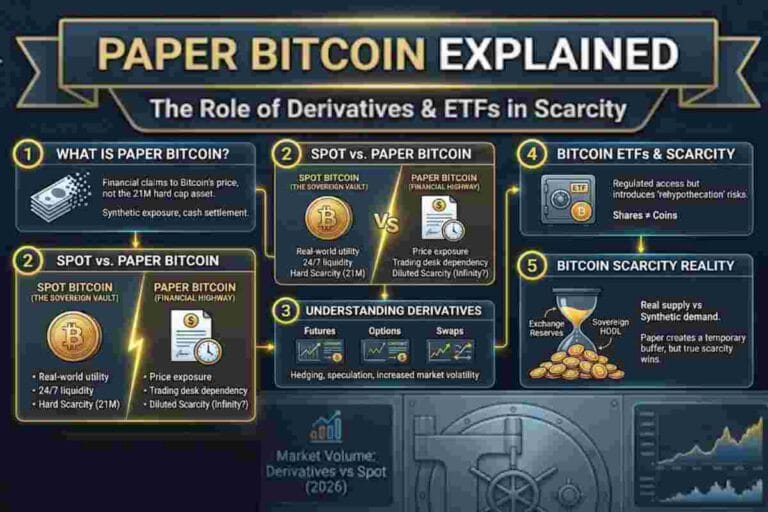
When considering should you keep bitcoin on exchange, you must weigh convenience against total loss. Centralized exchanges are honey pots for hackers and subject to “freezing” your funds at any time. These crypto mistakes to avoid often lead to total capital loss during exchange bankruptcies. Moving your assets to a hardware wallet is the only way to secure your Digital Fortress.
Learn proper protection here:
Crypto Asset Security 2026 → https://ownprocrypto.com/asset-security-2026/

Centralized exchanges may feel secure—but they are not ownership platforms.
| Feature | Bank | Exchange |
|---|---|---|
| Regulation | Strong | Varies |
| Custody | Bank holds funds | Exchange controls keys |
| Ownership | Legal | Conditional |
Bitcoin was designed to remove intermediaries—not depend on them.
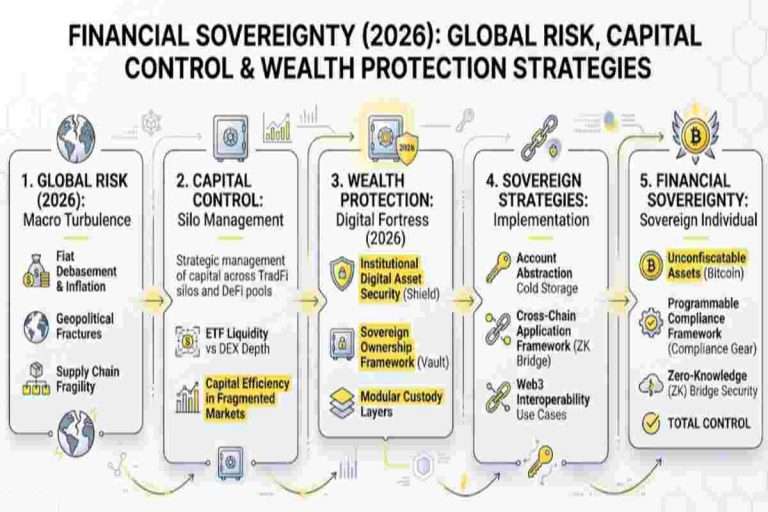
Bitcoin is not just an asset—it’s infrastructure built on:
Smart investors:
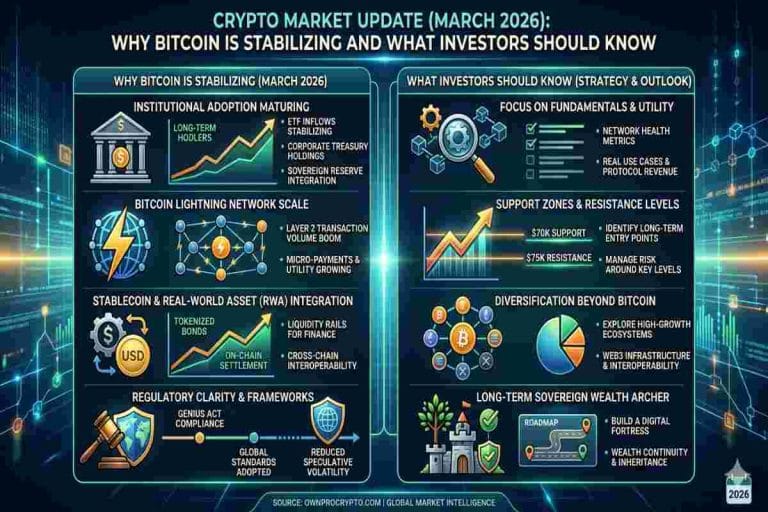
From:
To:
| Strategy | Why it works |
|---|---|
| Dollar-cost averaging | Reduces timing risk |
| Long-term holding | Aligns with Bitcoin design |
| Security first | Protects assets |
For deeper strategy frameworks:
Financial Sovereignty 2026 → https://ownprocrypto.com/financial-sovereignty/

Success in this space is 10% technical and 90% psychological. The bitcoin beginner mistakes usually stem from emotional reactivity. High-performing investors view price drops as “rebalancing events” rather than disasters. Developing a “Sovereign Mindset” means understanding that volatility is the price you pay for the greatest performing asset of the decade.
Success in crypto is:
Most mistakes come from:
Top investors treat volatility as:
Opportunity—not danger
If you wonder why people lose money in bitcoin, the answer is usually “Panic Selling.” During common crypto mistakes, beginners often sell their position during a 10% dip, only to watch the price soar days later. This cycle of “buying high and selling low” is how wealth is transferred from the impatient to the patient. True self custody starts with mastering your own fear.
The biggest mistake?
Panic selling.
Cycle:
Wealth transfers from:
Impatient → Patient
The bitcoin vs altcoins debate is often won by Bitcoin because of its decentralization. Beginners often choose “Altcoins” because they look “cheaper,” but they ignore the fact that most altcoins lack the security and network effect of Bitcoin. This is a classic example of bitcoin beginner mistakes, how beginners fail in crypto—chasing “the next Bitcoin” instead of just buying Bitcoin.
Beginners choose altcoins because:
But ignore:
See how real ecosystems are built:
Web3 Ecosystem Guide → https://ownprocrypto.com/web3-ecosystem-explained/
Dollar-cost averaging bitcoin (DCA) is the ultimate “sleep-well-at-night” strategy. By buying a fixed dollar amount at regular intervals, you neutralize volatility. This is the safest beginner strategy because it removes the need to “time the market”—a task that even professionals struggle with. It turns the “Buy Whenever” philosophy into a mathematical advantage.
DCA removes emotion.
Instead of timing the market:
This is the most reliable beginner strategy.
No.
Many ask if it is too late, but they ignore the bitcoin scarcity model. With only 21 million coins and billions of people yet to enter the Sovereign Internet Stack, we are still in the early adoption phase. The bitcoin mistakes beginners make is thinking in months; the winners think in decades.
Key reality:
Most beginners think in months.
Winners think in decades.
Follow this path:
To learn how to start bitcoin safely, follow this Sovereign Path:
Profile: Beginner investor, entered during market hype
| Behavior | Result |
|---|---|
| Consistent investing | Lower average cost |
| No panic selling | Avoided losses |
| Self-custody | Full control of assets |
Over time, this investor built stable, growing exposure instead of chasing risky gains.
| Problem | Objectives | Analysis / Situation | Implementation | Challenges | Results / Outcomes |
| Fiat Currency Depreciation: A mid-sized tech firm’s cash reserves were losing 7% purchasing power annually. | To preserve long-term capital and establish a Digital Fortress using Pristine Collateral. | Analysis showed that Bitcoin Scarcity (21M cap) provided a superior hedge compared to traditional bonds or gold. | Allocated 15% of treasury to BTC; moved from Centralized Exchanges to a multi-sig Self-Custody solution. | Board-level skepticism regarding short-term Correction Cycles and 2026 regulatory hurdles. | 45% increase in treasury value over 18 months; achieved total Sovereign Ownership of company assets. |
Profile: New investor chasing fast profits
| Behavior | Result |
|---|---|
| Hype buying | Entered at high prices |
| Panic selling | Locked in losses |
| No strategy | Inconsistent decisions |
| No custody control | High risk exposure |
This investor didn’t fail because of Bitcoin: they failed because mindset and behavior.
| Problem | Objectives | Analysis / Situation | Implementation | Challenges | Results / Outcomes |
| Asset Seizure: A new investor kept their entire 2025 portfolio on a popular retail exchange. | Wealth Preservation: Protect the principal investment from counterparty risk. | The exchange halted withdrawals during a liquidity crunch, locking the user out of their Real Yield. | The investor had to wait 18 months for a partial bankruptcy settlement. | Understanding the difference between a “Login” and a “Private Key.” | Failure: Total loss of Sovereign Control. Rooted in Case Study Failure: Treating a custodial platform as a long-term vault. |
| Problem | Objectives | Analysis / Situation | Implementation | Challenges | Results / Outcomes |
| High Yield Seeking: A retail investor sought 10% APY on Bitcoin holdings rather than simple Long Term Holding Bitcoin. | To maximize short-term gains through Crypto Speculation vs Investing. | Ignored the Not Your Keys, Not Your Coins Meaning in favor of “Easy Interest” on a Centralized Exchange. | Deposited 2.5 BTC into a lending platform; failed to investigate the platform’s Re-hypothecation risks. | Sudden market volatility triggered a “Bank Run” on the exchange; withdrawal gates were locked instantly. | Total Capital Loss: 100% of assets vanished when the exchange declared bankruptcy; 0% recovery due to lack of Self-Custody. |
Shifting your mindset from a short-term speculator to a long-term owner is the most significant step you can take in your crypto journey. By understanding the common Bitcoin Beginner Mistakes that often derail newcomers, you position yourself to build a more resilient portfolio. Implementing robust Self-Custody Solutions ensures that you remain in total control of your assets, effectively neutralizing the most critical mistakes to avoid in bitcoin. Ultimately, success isn’t just about watching the price—it’s about the security and discipline of true ownership.
The bitcoin beginner mistakes are not technical—it’s psychological.
Most people enter Bitcoin trying to gamble.
Very few take the time to understand:
The shift from speculator → owner is what separates those who lose money from those who build long-term value.
For official guidance on digital asset regulations and compliance, refer to the U.S. Securities and Exchange Commission (SEC) website: https://www.sec.gov
❓ What are the most common bitcoin beginner mistakes?
Most beginners treat Bitcoin like a short-term gamble instead of a long-term asset. They also fall into unit bias, chase cheap coins, and rely too heavily on exchanges instead of learning self-custody.
❓ Is it too late to invest in Bitcoin?
No. Bitcoin is divisible, so you don’t need to buy a full coin. Many investors accumulate small amounts over time using long-term strategies.
❓ How much Bitcoin should a beginner buy?
Beginners should invest only what they can afford to hold long-term and consider using dollar-cost averaging instead of investing a lump sum.
❓ Why do most people lose money in Bitcoin?
Most losses come from emotional decisions—buying during hype, selling during fear, and chasing quick profits instead of following a structured plan.
❓ Are cheap cryptocurrencies better than Bitcoin?
Not necessarily. Lower price does not mean higher value. Many cheap coins have high supply and low adoption, making them riskier.
❓ What is unit bias in crypto?
Unit bias is the belief that owning a whole coin is better than owning a fraction. This leads beginners to avoid Bitcoin and invest in lower-quality assets.
❓ What does “not your keys, not your coins” mean?
It means if you don’t control your private keys, you don’t fully own your Bitcoin. Funds held on exchanges are controlled by the platform.
❓ Is it safe to keep Bitcoin on an exchange?
It is convenient but risky. Exchanges can be hacked, restricted, or shut down. Long-term holders often move funds to private wallets.
❓ What is a Bitcoin wallet?
A wallet stores your private keys, which give you access and control over your Bitcoin.
❓ What is the safest way to invest in Bitcoin?
A common approach is dollar-cost averaging, where you invest small amounts regularly over time to reduce risk.
❓ Should I trade Bitcoin or hold it?
Beginners often perform better with long-term holding rather than active trading, which requires experience and carries higher risk.
Welcome to OwnProCrypto (Own & Pro Crypto) — a next-generation Bitcoin and blockchain education platform where the science of finance meets the power of AI-driven automation.
Our mission is simple: to equip you with the knowledge, frameworks, and tools needed to make smarter financial and business decisions in the Web3 economy.
Beyond analysis, OwnProCrypto focuses on transparency, verifiable data, and practical frameworks that investors and builders can actually use. Our goal is not hype — but clear thinking, disciplined analysis, and long-term value creation in the decentralized economy.
Our Background: Salim (Sam) is the founder and lead researcher behind OwnProCrypto, a Web3 intelligence platform focused on crypto security, digital ownership, stablecoin systems, interoperability, and institutional blockchain infrastructure.
Crypto Tools & Analysis:
Crypto Fundamental Analysis Tool | Protocol Evaluation System | DeFi Risk Analysis Tools | Crypto Portfolio Dashboard | Token Risk vs Reward Tool
Guides:
Crypto Fundamental Analysis | Blockchain Project Evaluation | Tokenomics Analysis | DeFi Protocol Analysis | Capital Efficiency
© 2026 OwnProCrypto — Built for smarter crypto decisions