
Turn your wallet into an unshakeable digital fortress today.
Looking for professional Crypto Trading Intelligence System to manage your execution risk? Use this pre-trade engine to analyze institutional signals and protect your capital with advanced risk-management frameworks.
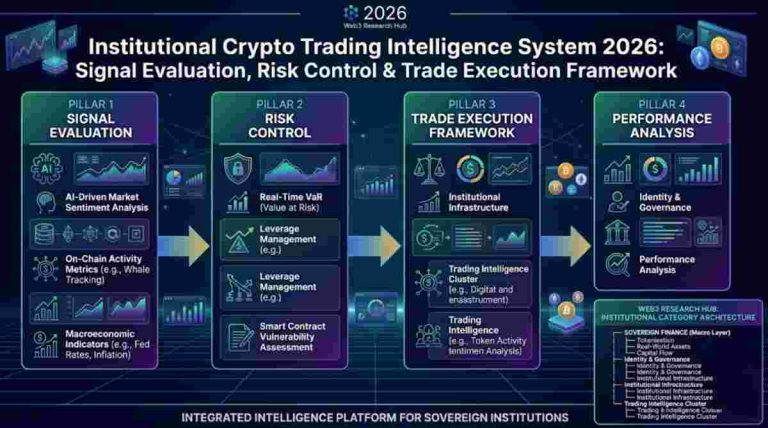
Table of Contents
ToggleCrypto markets are no longer driven by simple signal-based trading.
Institutional participants rely on structured systems that evaluate market conditions, validate signals, and control risk before execution.
This framework explains how crypto trading intelligence systems are structured in 2026.
Learn how institutional traders evaluate signals, manage risk, and execute trades using structured intelligence systems instead of emotional or signal-based trading.
This article is part of the Crypto Trading Intelligence System 2026 cluster within the broader Institutional Infrastructure ecosystem. This cluster focuses specifically on how institutional traders evaluate signals, manage risk, and execute trades using structured frameworks instead of emotional or signal-based decision-making.
This cluster sits as a specialized sub-layer inside Institutional Infrastructure and is designed to complement broader system-level topics such as custody, governance, and execution architecture.
It includes three core pillars:
Together, these pillars form a complete institutional-grade trading intelligence model covering signal validation, system failure analysis, and pre-trade filtering.
SOVEREIGN FINANCE (macro foundation layer)
│
ASSET STRATEGY (capital flow)
│
IDENTITY & GOVERNANCE (compliance layer)
│
INSTITUTIONAL INFRASTRUCTURE (execution layer)
│
└── Crypto Trading Intelegence Risk Systems (signal layer)
│
├── Crypto Signal Evaluation Framework
├── Why Crypto Signal Groups Fail
└── Crypto Trade Filtering System
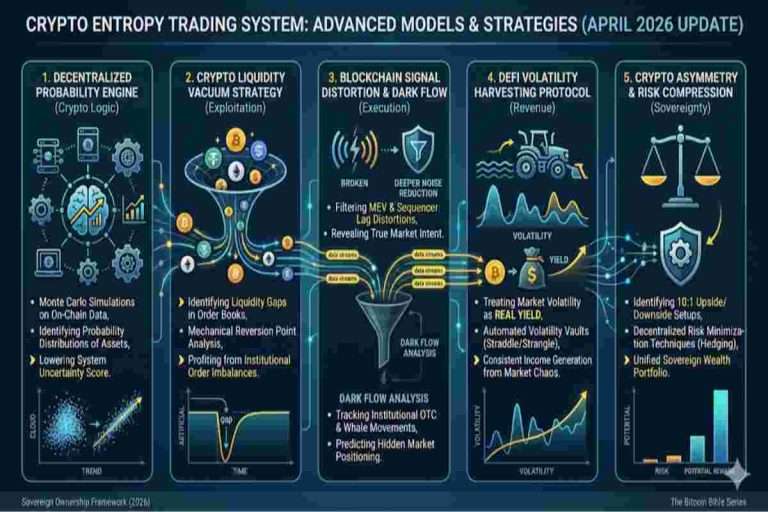
Crypto trading intelligence system (CDIS) is a structured decision system that combines:
It replaces emotional decision-making with structured logic.
CDIS operates like a four-stage pipeline, but you don’t need to know the engineering. Here’s what happens when you use it:
Step 1: Enter Your Trade Idea
You select an asset (BTC, ETH, SOL), choose direction (Long/Short), pick your signal source (On-chain, Technical, Sentiment, or Liquidity), and set your entry, stop loss, take profit, and position size.
Step 2: The Engine Evaluates Everything
Behind the scenes, CDIS runs three simultaneous checks:
Step 3: You Get a Clear Decision Output
Within seconds, you see:
Step 4: Learn From Every Decision
Every trade you evaluate gets saved to your Smart Journal. Over time, CDIS builds a Decision Quality Curve – a graph showing whether your decision-making is improving, not just your P&L.
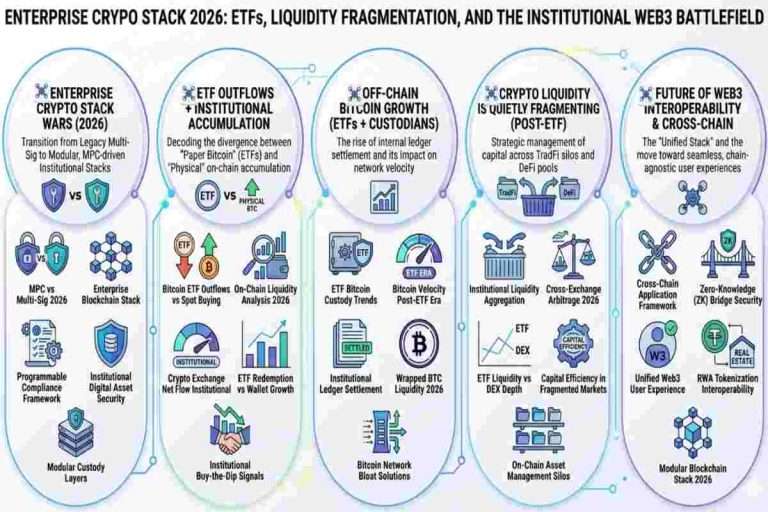
Professional trading systems operate in layers:
Related framework:
https://ownprocrypto.com/crypto-signal-evaluation-framework/
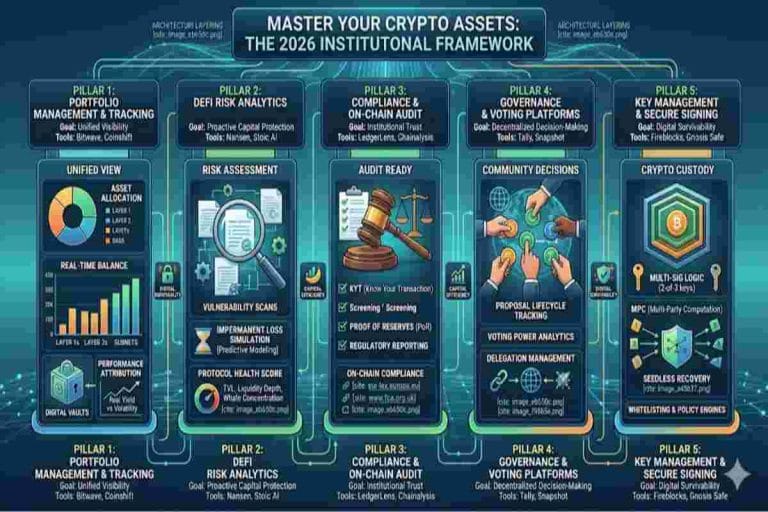
Related framework:
https://ownprocrypto.com/digital-asset-risk-management-framework/
Related framework:
https://ownprocrypto.com/crypto-trade-filtering-system/

Most retail traders rely on signals without system validation:
This leads to inconsistent performance regardless of signal quality.
“The edge is not prediction. The edge is system design.”
Institutions do not trade signals — they trade conditions.
Trading intelligence systems are used to:
Crypto trading intelligence is not about finding better signals.
It is about building systems that decide when signals should NOT be traded.
Explore the Full Trading Intelligence Suite:
For global financial system stability and digital asset risk context, refer to Bank for International Settlements (BIS) research:
https://www.bis.org
definition → system layers → failure points → institutional logic → advanced 2026 concepts → real-world implications
What is crypto trading intelligence?
Crypto trading intelligence is a structured system that evaluates market conditions, validates trade opportunities, and manages risk before execution. It integrates multiple layers of analysis to support consistent and informed decision-making.
Why is a crypto trading intelligence system important?
Without a structured intelligence system, trading becomes reactive and inconsistent. A defined framework helps filter noise, reduce risk exposure, and improve the quality of trade execution over time.
How do institutional traders execute crypto trades?
Institutional traders use layered systems that combine market intelligence, signal validation, risk management, and execution frameworks. Each layer must align before capital is deployed.
What is a crypto trade execution framework?
A trade execution framework is a structured process that defines how trades are entered, managed, and exited. It ensures consistency by applying predefined rules rather than discretionary decisions.
Why do crypto signal-based systems fail?
Signal-based systems fail because they operate without full context. They often ignore liquidity conditions, lack adaptive risk structures, and do not adjust to changing market regimes.
What is liquidity in crypto trading?
Liquidity refers to areas where large concentrations of orders or stop-losses exist. These zones influence price movement, as they provide the volume needed for significant market transactions.
What is crypto risk management?
Crypto risk management is the process of controlling exposure, managing position size, and protecting capital. It ensures that losses remain controlled and sustainable within a broader trading strategy.
How does a trading intelligence system improve decision-making?
It introduces structured validation at every stage—filtering trades, confirming signals, and aligning execution with risk parameters. This reduces emotional bias and increases consistency.
What defines a comprehensive crypto trading intelligence system?
A complete system integrates multiple data layers, including market structure, liquidity analysis, sentiment indicators, and macroeconomic context. The goal is to create a unified view of market conditions before execution.
How does an institutional trading framework differ from retail setups?
Institutional frameworks prioritize capital preservation, risk-adjusted returns, and structured execution. Unlike retail approaches, they connect analysis directly to execution and custody systems to ensure controlled and secure transactions.
Why is a dedicated signal evaluation system necessary?
A dedicated evaluation system filters out low-quality signals by validating them against market structure and liquidity conditions. This reduces noise and prevents poor trade selection, especially in larger portfolios.
What are the core pillars of a modern crypto risk management system?
A robust system focuses on continuous risk assessment, controlled leverage, and exposure management. It acts as a safeguard against extreme market events and helps maintain long-term capital stability.
How does a signal validation system prevent market failures?
Validation systems require confirmation across multiple factors before execution. This reduces the likelihood of acting on false signals or short-term market distortions.
What is the role of execution in a trading intelligence system?
Execution is where strategy becomes reality. Even the best analysis fails without proper execution, which includes timing, order placement, and managing slippage in real market conditions.
What is DSARAE in crypto risk management?
DSARAE is a structured digital asset risk assessment framework used to evaluate exposure, volatility, and systemic portfolio risk within a broader intelligence system.
Learn more: https://ownprocrypto.com/digital-asset-risk-management-framework/
What is MPC wallet architecture?
MPC (Multi-Party Computation) wallet architecture distributes private key control across multiple parties, reducing single-point failure risk and improving custody security.
Learn more: https://ownprocrypto.com/mpc-vs-multi-sig-crypto-custody/
What is a real example of failure without a trading intelligence system?
In past market cycles, significant losses occurred when systems relied on unvalidated signals and misread liquidity conditions. Without proper validation layers, traders entered positions based on false assumptions, leading to avoidable losses.
Welcome to OwnProCrypto (Own & Pro Crypto) — a next-generation Bitcoin and blockchain education platform where the science of finance meets the power of AI-driven automation.
Our mission is simple: to equip you with the knowledge, frameworks, and tools needed to make smarter financial and business decisions in the Web3 economy.
Beyond analysis, OwnProCrypto focuses on transparency, verifiable data, and practical frameworks that investors and builders can actually use. Our goal is not hype — but clear thinking, disciplined analysis, and long-term value creation in the decentralized economy.
Our Background: Salim (Sam) is the founder and lead researcher behind OwnProCrypto, a Web3 intelligence platform focused on crypto security, digital ownership, stablecoin systems, interoperability, and institutional blockchain infrastructure.
Crypto Tools & Analysis:
Crypto Fundamental Analysis Tool | Protocol Evaluation System | DeFi Risk Analysis Tools | Crypto Portfolio Dashboard | Token Risk vs Reward Tool
Guides:
Crypto Fundamental Analysis | Blockchain Project Evaluation | Tokenomics Analysis | DeFi Protocol Analysis | Capital Efficiency
© 2026 OwnProCrypto — Built for smarter crypto decisions