Crypto Scam Recovery
isolate · containerAssessment Summary
Recovery Timeline
Recommended Actions
- Apply assessment to see recommendations
Search by title, topic or phrase
Table of Contents
ToggleDrawing from institutional blockchain analytics and forensic security research, losing digital assets to a wallet drainer or deceptive platform feels devastating—and time is critical. According to recent industry crime data, global losses from cryptocurrency fraud and scams surpassed $17 billion, with over 181,000 victim reports filed with federal authorities in a single year. The surge in AI-driven impersonation and wallet approval exploits has left thousands seeking a reliable path for Stolen Crypto Recovery.
Through strategic Blockchain Transaction Tracking, exchange freeze requests, and formal legal intervention, victims have a realistic path to trace assets, coordinate with law enforcement, and preserve vital evidence.This comprehensive guide to Crypto Scam Recovery (2026): How to Recover Stolen Crypto, Trace Transactions & Avoid Recovery Scams breaks down the exact forensic steps required to Recover Scammed Crypto, evaluate legitimate Crypto Recovery Tools, and avoid secondary fraud networks.
Crypto scam recovery is the structured process of conducting a formal Crypto Scam Investigation, analyzing on-chain movement, and pursuing legal or institutional intervention to trace, isolate, and potentially freeze stolen digital assets.
Unlike traditional banking systems, public blockchains operate on immutable ledgers. When a fraudulent transaction occurs, the transfer cannot simply be undone with a “chargeback” button. Instead, Crypto Fraud Recovery relies on technical forensics to map where stolen funds move across decentralised networks.
A comprehensive recovery investigation involves four primary components:
Whether dealing with unauthorized smart contract approvals or investment platform fraud, understanding Wallet Theft Recovery begins with separating technical facts from common myths.
The short answer is yes, under specific conditions—but guaranteed recovery does not exist.
Because public ledgers like Bitcoin and Ethereum are entirely transparent, every movement of Stolen Crypto Recovery targets is visible to anyone with a blockchain explorer or forensic tracking software. However, recovering those funds depends heavily on where the assets currently reside.
Crucial Warning: Be wary of any company or individual offering a “100% Guaranteed Recovery.” Blockchain transactions are non-reversible at the protocol level. Legitimate investigators provide forensic evidence and legal documentation—they cannot hack a blockchain to automatically reverse a confirmed transaction.
Different scam mechanisms require distinct forensic strategies. Below are the primary attack vectors analyzed during a Crypto Scam Investigation:
Fraudulent platforms promising guaranteed daily yields, high-frequency algorithmic trading returns, or “pig butchering” relationship schemes. Scammers build fake dashboard interfaces showing non-existent profits, convincing victims to deposit larger amounts before blocking all withdrawal requests. Bitcoin Scam Recovery in these cases involves tracing the pooled deposit wallets across multiple consolidation layers.
Direct compromise of a non-custodial wallet (e.g., MetaMask, Trust Wallet, Phantom) resulting from compromised seed phrases or private key leaks. Scammers deploy automated sweeper scripts that instantly siphon out incoming native tokens or unstacked assets.
Deceptive malicious dApps that trick users into signing dangerous smart contract permissions (such as Permit2 or unrestricted SetApprovalForAll calls). Ethereum Scam Recovery for phishing victim accounts focuses on identifying the specific spender contract addresses and revoking active token allowances.
Unregulated or fraudulent exchange portals that impersonate top-tier platforms. Users deposit funds to trade or buy new tokens, but the platform prevents withdrawals by citing fake “tax clearance fees,” “anti-money laundering validation deposits,” or administrative lockups.
Long-term social engineering scams where fraudsters cultivate personal trust over months before introducing a fake cryptocurrency investment opportunity. Victims are guided to deposit funds into controlled fraudulent dApps.
DeFi developers launch a new token project, inflate its price through artificial liquidity, and suddenly remove all paired liquidity from decentralized exchanges (like Uniswap or Raydium), leaving investors holding worthless tokens.
If you have fallen victim to a crypto scam, taking swift, methodical action significantly improves the likelihood of asset preservation and law enforcement action.
Before conducting any investigation, immediately isolate your environment to prevent ongoing losses.
Disconnect Wallets: Open your wallet extension, navigate to connected sites, and disconnect from all dApps.
Revoke Smart Contract Approvals: Use security tools like Revoke.cash, Etherscan Token Approval Checker, or Solscan Allowances to cancel open spending limits.
Transfer Remaining Assets: Move unaffected assets to a freshly created cold storage hardware wallet generated on an uncompromised device.
Forensic trace reports depend entirely on clean, verifiable documentation. Compile a dedicated dossier containing:
Victim wallet address and attacker/deposit wallet addresses.
Exact Transaction Hashes (TxIDs) for every outbound transfer.
Date, exact time, and timezone of each transaction.
Unedited screenshots of platform chats, Telegram/WhatsApp logs, email exchanges, and domain URLs.
Analyze the path of stolen assets using block explorers and analytics suites.
Follow the movement of tokens from your address to intermediate “hop” addresses.
Identify whether funds were routed through decentralized exchanges, cross-chain bridges, or coin mixers (e.g., Tornado Cash).
Flag deposit addresses linked to KYC-compliant Centralized Exchanges (CEXs).
File official crime reports with relevant authorities and security databases:
Law Enforcement: File a report with the FBI Internet Crime Complaint Center (IC3.gov in the US), national cybercrime units, or local law enforcement.
Target Exchanges: Submit formal law enforcement abuse tickets directly to compliance teams at the destination exchange.
On-Chain Security Platforms: Report malicious addresses on Chainabuse, Etherscan, and Cryptoscamdb to publicly tag attacker wallets.
Maintain active monitoring over attacker wallet clusters. Set up real-time wallet tracking bots (e.g., Etherdrops or Telegram tracking bots) to receive automated notifications whenever the scammer attempts to move or off-ramp your funds.
Our Free Crypto Scam Recovery Tool provides victims, investigators, and legal professionals with a structured way to evaluate a cryptocurrency-related incident before beginning a recovery or forensic process. By analyzing key details such as the incident type, blockchain network, asset movement, and compromise method the tool generates a preliminary assessment that helps users understand the complexity of their case, identify immediate priorities, and organize essential evidence. It also visualizes the likely movement of assets, offers tailored recommendations based on the selected scenario, and outlines a practical recovery timeline.
While the assessment is informational and not a substitute for professional forensic analysis or legal advice, it enables users to make informed decisions, preserve critical evidence, and prepare for the next stages of investigation more efficiently.
The Crypto Incident Assessment Tool evaluates information provided by the user and generates a structured incident summary. It estimates factors such as transaction traceability, opportunities for intervention, and the overall recovery outlook using predefined assessment logic. Based on these inputs, the tool provides practical recommendations, highlights the evidence that should be collected, and presents a visual flow of the incident to help users better understand their situation before consulting recovery specialists or investigators.
Cryptocurrency incidents often require prompt action, and understanding the situation early can help users organize information and respond more effectively. This free assessment tool provides a clear starting point by summarizing the incident, identifying immediate priorities, and helping users preserve important evidence before seeking professional assistance. It is designed to improve preparedness, reduce confusion during stressful situations, and support more informed conversations with investigators, legal professionals, or digital asset recovery specialists.
In the fast-paced world of cryptocurrency, scam risk is the number one pain point for investors. It’s often impossible to tell a legitimate platform from a sophisticated fake until it’s too late. As a proactive defense against the digital threats lurking in the crypto space, the Crypto Rescue Assistant provides an immediate, local, and private solution, acting as your personal “Bitcoin-Scam Firewall.”
This tool empowers you to verify opportunities and prepare for the worst, ensuring your time and funds are well spent on genuine investments.
The Crypto Rescue Assistant helps you identify and avoid cryptocurrency scams in 3 simple, local steps:
How it works: All analysis happens locally in your browser—no data is sent to servers. We check domains against known scam lists, analyze for suspicious patterns, and provide instant security scoring. Open the file, stay offline if you like—nothing leaves your computer unless you copy-paste it yourself.
Secondary fraud networks (known as Recovery Scams) specifically target victims who have already lost digital assets. These actors monitor public forums, Reddit, Twitter/X, and YouTube comments, offering false promises to “hack the blockchain” or “retrieve stolen private keys.”
Always evaluate any Crypto Recovery Service against this strict red flag checklist:
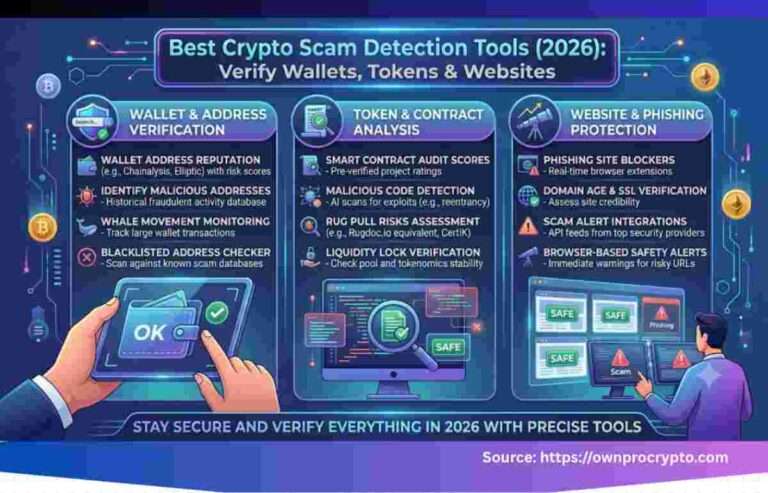
Navigating a Crypto Scam Investigation effectively requires leveraging the right public analytics suites and security platforms:
Etherscan / BscScan / Solscan: Primary tools for verifying transaction statuses, contract approvals, and holder address histories.
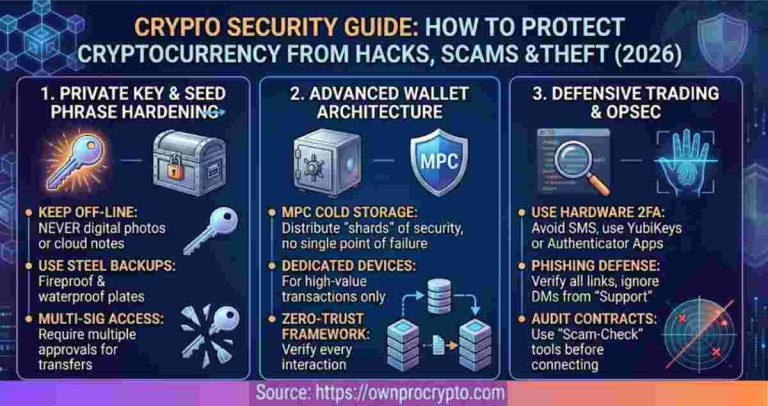
Building proactive security habits ensures that your digital assets remain protected against future threats:
Below are authoritative answers to key questions regarding Crypto Scam Recovery, organized into structured intent categories:
Q: Can stolen crypto be recovered?
A: Yes, stolen crypto can be recovered if funds are traced to a centralized exchange that enforces Know Your Customer (KYC) compliance, allowing law enforcement to issue a freeze order. Recovery is also possible if law enforcement seizes bad actor infrastructure.
Q: How do I recover scammed cryptocurrency?
A: Start by securing remaining assets, revoking open smart contract allowances, gathering transaction hashes (TxIDs), mapping fund trails with block explorers, reporting the incident to IC3/law enforcement, and filing abuse tickets with target exchanges.
Q: Is crypto recovery possible?
A: Crypto recovery is technically and legally possible, but outcome success depends on speed, transaction destination, and law enforcement involvement. It is impossible to guarantee asset returns due to blockchain immutability.
Q: Can Bitcoin stolen from a wallet be recovered?
A: Bitcoin can be recovered if the stolen BTC is transferred to a centralized platform or custodian that complies with law enforcement subpoenas. Once on-chain tracking identifies an exchange deposit, legal holds can be applied.
Q: Can Ethereum transactions be reversed?
A: No, Ethereum transactions cannot be reversed once confirmed on the blockchain. Any recovery must occur off-chain through legal freeze actions or voluntary return by the holding entity.
Q: What should I do after a crypto scam?
A: Instantly isolate remaining funds, disconnect your wallet from all dApps, revoke approvals, compile evidence, and submit detailed reports to federal authorities and exchange abuse desks.
Q: How long does crypto recovery take?
A: Legitimate crypto recovery procedures involving law enforcement subpoenas, exchange holds, and court restitution orders typically take anywhere from 6 months to over 2 years.
Q: Are crypto recovery services legitimate?
A: Most online entities advertising automated or guaranteed “crypto recovery” are secondary scams. Legitimate assistance comes from accredited blockchain forensic firms working directly alongside legal counsel and law enforcement agencies.
Q: How do I find a legitimate crypto recovery company?
A: Verify that the firm works alongside licensed attorneys, never promises guaranteed outcomes, does not solicit via direct messages, and requires formal legal onboarding procedures.
Q: Are crypto recovery scams common?
A: Recovery scams are extremely prevalent across social media, forums, and comment sections, aggressively targeting individuals who post about recent crypto losses.
Q: Should I pay a crypto recovery service upfront?
A: Never pay unverified online agents upfront for guaranteed recovery services. Legitimate forensic experts charge transparent, documented consulting fees and operate under binding legal service contracts.
Q: What are crypto recovery red flags?
A: Major red flags include guarantees of success, requesting wallet seed phrases, requiring upfront fees for “software activation,” operating strictly via messaging apps, and claiming access to law enforcement databases.
Q: How do blockchain investigators recover crypto?
A: Investigators use forensic tools to analyze public ledger transfers, cluster wallet addresses, identify exchange entry points, and prepare court-admissible reports for law enforcement freeze actions.
Q: Can blockchain transactions be traced?
A: Yes, public blockchain transactions are fully transparent and traceable using block explorers and specialized graph analysis software.
Q: How do I track stolen cryptocurrency?
A: Enter your wallet address or transaction hash into visual tracking engines like MetaSleuth or Breadcrumbs to map the exact movement of funds step by step.
Q: What tools track stolen Bitcoin?
A: Bitcoin can be traced using public block explorers like Blockstream.info, along with advanced analytics engines such as Chainalysis, Elliptic, or Crystal Blockchain.
Q: What is blockchain forensics?
A: Blockchain forensics is the legal and technical study of on-chain transaction data to identify address ownership, track illicit financial flows, and present admissible evidence in court.
Q: What is the difference between crypto tracing and recovery?
A: Crypto tracing is the technical act of mapping fund movements across the blockchain; crypto recovery is the legal and administrative process of seizing and returning those traced assets.
Q: Can AI help recover stolen crypto?
A: AI algorithms accelerate transaction graph analysis, pattern recognition, and wallet cluster identification, enabling forensic tools to map complex money laundering routes faster.
Rooted in Case Study Failure: A user trusted an unverified “AI Recovery Bot” website that executed a malicious smart contract draining their secondary wallet.
Q: Can a hacked crypto wallet be recovered?
A: The wallet software itself cannot be “un-hacked” if private keys are leaked. You must abandon the compromised wallet address permanently and migrate to a clean wallet.
Q: Can stolen crypto be frozen?
A: Stolen crypto can be frozen if it is moved to a centralized exchange or if it consists of centralized stablecoins (like USDT or USDC) where issuers can blacklist specific addresses.
Q: Can exchanges recover stolen crypto?
A: Centralized exchanges can freeze funds arriving at their platform upon receiving official law enforcement hold requests, preventing scammers from withdrawing the assets.
Q: Can wallet drainers steal crypto permanently?
A: Yes, if funds are transferred to unhosted wallets, non-KYC platforms, or privacy-focused protocols without law enforcement intervention, the theft becomes permanent.
Q: Can someone recover crypto using my wallet address?
A: No, public wallet addresses only allow analysts to view transaction history and trace movements—they cannot be used to execute recovery operations or move funds without private keys.
Q: How do I recover crypto from a phishing scam?
A: Immediately revoke all signed smart contract approvals using Revoke.cash, document the phishing domain, trace token movements to destination exchanges, and submit reports to authorities.
Q: Can I recover money from a fake crypto investment platform?
A: Recovery depends on tracing the pooled deposit addresses used by the platform to identify centralized exchanges where the operators off-ramp funds.
Q: What information is needed for crypto recovery?
A: Essential items include your public wallet address, transaction hashes (TxIDs), attacker deposit addresses, exact timestamps, domain URLs, and unedited communication logs.
Q: Can I recover crypto sent to the wrong address?
A: If crypto is sent to an invalid or unowned address, it is permanently unrecoverable. If sent to the wrong address at a centralized exchange, platform support may assist for a recovery fee.
Q: What is the future of crypto scam investigation?
A: The future combines real-time cross-chain intelligence, automated exchange API freezing protocols, machine learning transaction clustering, and internationally coordinated taskforces.

Continue exploring crypto security, transaction analysis, wallet protection, scam prevention, and digital asset risk management with these in-depth guides.
Best Crypto Scam Detection Tools (2026): Verify Wallets, Tokens & Websites
Best Crypto Security Tools (2026): Wallet Protection, Scam Detection & Risk Monitoring
Crypto Scam Checker 2026: Complete Scam Detection Guide
Crypto Scam Checker Tool: Verify Crypto Websites & Avoid Scams
Crypto Wallet Approvals: How to Revoke Dangerous Token Permissions (2026)
Wallet Time Machine: Analyze Wallet History & Risk Before Transactions
Crypto Transaction Simulator: Analyze Transactions Before Signing (2026)
Crypto Threat Intelligence: Hacks, Exploits, Scam Patterns & Attack Vectors Explained
Crypto Security Checklist Tool: Wallet Safety & Self-Custody Audit (2026)
Crypto Security Hub (2026): Complete Guide to Digital Asset Protection
Crypto Self-Custody Guide (2026): Complete Guide to Secure Digital Asset Ownership
Crypto Risk Analysis Suite: Scam Checker, APY Calculator & Rug Pull Detector
For victims of fraudulent schemes seeking official law enforcement reporting channels, international blockchain intelligence, and regulatory oversight, these authoritative external platforms provide essential legal and investigative assistance.
FBI Internet Crime Complaint Center (IC3) — Official U.S. government portal for reporting cybercrime, cryptocurrency scams, and online fraud.
Chainalysis — Institutional blockchain analytics provider specializing in fund tracing, forensics, and investigation tools.
INTERPOL Financial Crime and Anti-Corruption Centre (IFCAC) — Global agency facilitating international law enforcement coordination for cross-border crypto crimes.
Crypto Scam Recovery (2026)
│
├── Best Crypto Scam Detection Tools
│
├── Best Crypto Security Tools
│
├── Crypto Scam Checker Guide
│
├── Crypto Scam Checker Tool
│
├── Crypto Wallet Approvals & Revocation Guide
│
├── Wallet Time Machine
│
├── Crypto Transaction Simulator
│
├── Crypto Threat Intelligence
│
├── Crypto Security Checklist Tool
│
├── Crypto Security Hub
│
├── Crypto Self-Custody Guide
│
└── Crypto Risk Analysis Suite