
Search by title, topic or phrase
Use our Crypto Search Engine 🔍 to find the topics and keywords you're looking for.
Reading time: ~25–30 minutes
Updated: August, 026
Topic & Audience: Best Crypto Risk Management Tools for Crypto investors, DeFi protocols, Web3 startups, exchanges, DAOs, institutional investors, treasury managers, and enterprise risk teams.

Table of Contents
ToggleThe best crypto risk management tools help Web3 organizations, DeFi protocols, crypto funds, and digital asset businesses identify, monitor, and reduce risks across smart contracts, liquidity, governance, custody, and blockchain operations. As the crypto ecosystem expands into decentralized finance (DeFi), real-world asset (RWA) tokenization, cross-chain platforms, liquid staking, stablecoins, and institutional custody solutions, managing digital asset risk has become more complex than traditional security audits alone.
Modern crypto risk management platforms provide continuous monitoring, threat intelligence, portfolio risk analysis, smart contract assessment, treasury oversight, stress testing, and real-time alerts to help organizations detect vulnerabilities before they lead to financial losses or security incidents.
This guide compares the leading crypto risk management tools, their key features, benefits, and evaluation criteria to help businesses choose the right solution for improving blockchain security, managing exposure, and building a more resilient digital asset strategy in 2026.
Crypto risk management tools are software platforms designed to help users identify and manage risks associated with cryptocurrencies, digital assets, DeFi protocols, blockchain networks, wallets, transactions, and crypto-related financial activities.
Depending on the platform, a crypto risk management solution may evaluate smart contract security, market exposure, liquidity, counterparty risk, transaction activity, wallet behavior, governance changes, protocol health, custody exposure, and other risk factors.
Some platforms focus on a specific risk category, while broader enterprise platforms combine multiple risk signals into a single risk intelligence environment.
Crypto markets operate continuously and can change rapidly. A portfolio, protocol, or counterparty that appears acceptable during one review can present materially different risks after a market movement, governance change, liquidity event, exploit, or significant on-chain transaction.
Crypto risk management software helps organizations move from periodic manual reviews toward continuous monitoring and structured risk assessment. This can make it easier for risk teams to detect changes, prioritize threats, document decisions, and respond before an emerging risk becomes a larger loss.
Not every crypto risk management platform serves the same purpose. Some products concentrate on blockchain intelligence and transaction monitoring, while others specialize in smart contract security, DeFi economic risk, portfolio analytics, or enterprise risk intelligence.
For this reason, the best platform depends on the organization’s risk model, assets, workflows, reporting requirements, and level of on-chain exposure.
| Platform Category | Primary Focus | Best Suited For | Typical Risk Coverage |
|---|---|---|---|
| Enterprise Crypto Risk Intelligence | Broad risk visibility | Institutions, enterprises, treasury teams | Market, liquidity, counterparty, portfolio, operational |
| Smart Contract Security Platforms | Protocol and contract security | DeFi protocols and Web3 development teams | Smart contract, permissions, protocol security |
| Blockchain Intelligence Platforms | On-chain activity and transactions | Exchanges, compliance teams, investigators | Transaction, wallet, counterparty, compliance |
| DeFi Economic Risk Platforms | Protocol and financial risk | DeFi protocols, DAOs, investors | Liquidity, market, collateral, protocol and governance |
| Portfolio Risk Platforms | Digital asset exposure | Investors and asset managers | Volatility, concentration, liquidity, portfolio exposure |
This distinction is important when comparing the best crypto risk management tools. A platform designed primarily for transaction monitoring may not provide the same portfolio or DeFi economic risk capabilities as an enterprise risk intelligence platform.
Most crypto risk management platforms follow a similar risk-management workflow: collect relevant data, analyze risk signals, generate risk scores or indicators, monitor changes continuously, and provide reporting or response mechanisms.
The exact process varies by platform, but the following five stages provide a useful framework for evaluating how crypto risk management software works.
The platform first gathers the data required to evaluate risk. Depending on the product, this can include blockchain transactions, wallet activity, market prices, liquidity data, smart contract information, protocol metrics, governance activity, portfolio positions, and counterparty information.
Broader platforms may combine on-chain and off-chain information so that users can evaluate both blockchain activity and financial exposure.
Collected data is analyzed against predefined risk indicators, models, rules, or thresholds. The platform may look for abnormal transactions, excessive concentration, declining liquidity, unusual wallet behavior, smart contract concerns, governance changes, or increasing exposure to a particular counterparty.
The objective is to convert large volumes of raw blockchain and market data into information that a risk team can interpret and act upon.
Many crypto risk platforms use scores, ratings, classifications, or dashboards to summarize the level of risk associated with an asset, wallet, protocol, transaction, portfolio, or counterparty.
Risk scores can make large datasets easier to prioritize, but organizations should evaluate how each platform calculates its scores. A score should ideally be supported by understandable risk factors rather than treated as a standalone measure of safety.
Crypto risk management is not limited to an initial assessment. Blockchain transactions, market conditions, liquidity, governance decisions, and protocol activity can change at any time.
Continuous monitoring allows risk teams to receive alerts when predefined conditions or significant changes occur. This can help organizations identify emerging risks without relying entirely on manual reviews.
The final stage is turning risk intelligence into a decision or response. Platforms may provide dashboards, alerts, reports, risk histories, integrations, or workflow tools that help teams investigate and document risk events.
For institutional and enterprise users, reporting capabilities can be particularly important because risk information may need to reach portfolio managers, security teams, compliance officers, executives, treasury teams, or governance committees.
| Stage | What Happens | Example Output |
|---|---|---|
| 1. Data Collection | Market, blockchain, protocol, wallet, and portfolio data is gathered. | Unified risk data |
| 2. Risk Analysis | Data is evaluated against risk indicators and models. | Identified risk factors |
| 3. Risk Scoring | Risk factors are classified or scored. | Risk rating or score |
| 4. Continuous Monitoring | Changes are tracked and significant events trigger alerts. | Real-time alerts |
| 5. Reporting and Response | Teams investigate, report, document, or respond to risk events. | Reports and risk actions |
Understanding this workflow makes it easier to compare crypto risk management platforms later in this guide. The most suitable solution is not necessarily the platform with the highest number of features; it is the one that provides the right risk coverage, data quality, monitoring capabilities, reporting, and integrations for the organization’s specific risk model.
📌 Key Takeaway: Crypto risk management tools in 2026 are becoming essential infrastructure for organizations that need continuous visibility into technical, financial, and operational blockchain risks.

Crypto risk management tools are designed to evaluate risks that arise from digital assets, blockchain networks, smart contracts, DeFi protocols, wallets, counterparties, liquidity positions, and on-chain activity. Traditional cybersecurity platforms primarily focus on protecting systems, networks, endpoints, applications, identities, and data from unauthorized access or cyberattacks.
For organizations operating in crypto, these functions increasingly overlap. A compromised private key, malicious smart contract interaction, bridge exploit, abnormal wallet transaction, or sudden liquidity event can create both a security incident and a direct financial loss. This makes crypto risk management broader than conventional cybersecurity monitoring alone.
| Risk Area | Crypto Risk Management Tools | Traditional Cybersecurity Platforms |
|---|---|---|
| Blockchain activity | Monitor wallets, transactions, protocols, tokens, and on-chain behavior | Usually limited unless blockchain monitoring is specifically integrated |
| Smart contract risk | Assess contract vulnerabilities, protocol exposure, and contract activity | May identify application vulnerabilities but does not typically provide DeFi-specific risk analysis |
| Market risk | Analyze volatility, exposure, liquidity, concentration, and portfolio sensitivity | Generally outside the primary cybersecurity function |
| Counterparty risk | Evaluate exposure to exchanges, custodians, protocols, issuers, and other counterparties | Primarily evaluates digital or organizational security relationships |
| Transaction monitoring | Track blockchain transactions and identify unusual or high-risk activity | Monitor network, endpoint, application, and user activity |
| Liquidity risk | Evaluate liquidity conditions, market depth, and potential withdrawal or liquidation risks | Not normally a core cybersecurity capability |
| Governance risk | Assess protocol governance, administrative permissions, voting structures, and control concentration | May address access control but not protocol governance economics |
| Financial exposure | Connect security events with potential asset and portfolio losses | Usually focuses on preventing or responding to security incidents |
A crypto organization can have strong endpoint protection, identity controls, network security, and application security while still maintaining significant digital-asset risk. Blockchain transactions are often irreversible, assets can move across multiple networks, smart contracts can interact automatically, and market conditions can change the financial impact of an incident within minutes.
For example, detecting that a private key was compromised is a cybersecurity function. Determining which wallets, protocols, assets, liquidity pools, and counterparties are exposed as a result is a broader crypto risk management problem.
This distinction is particularly important for DeFi protocols, exchanges, custodians, treasury teams, and institutional investors. Their risk models need to combine technical security signals with financial, operational, market, liquidity, and counterparty information.
The strongest crypto risk management platforms connect multiple sources of risk information into a single decision-making framework. Depending on the platform, this can include on-chain transaction data, smart contract analysis, market data, liquidity indicators, wallet behavior, protocol exposure, counterparty information, governance activity, and security alerts.
Crypto risk management platforms should not necessarily replace traditional cybersecurity infrastructure. For mature organizations, the two systems can serve complementary roles.
| Layer | Primary Function | Typical Risk Questions |
|---|---|---|
| Cybersecurity | Protect systems and access | Was an account, device, application, or credential compromised? |
| Blockchain intelligence | Monitor on-chain activity | Where did the funds move and what wallets or protocols are involved? |
| Crypto risk management | Evaluate overall exposure | What is the potential financial, liquidity, counterparty, or operational impact? |
| Enterprise risk management | Support business decisions | Does the exposure exceed the organization’s risk tolerance? |
When comparing crypto risk management tools, buyers should avoid evaluating a platform only by the number of security alerts or the presence of a risk score. The more useful question is whether the platform provides the risk information required for the organization’s actual decision-making process.
Bottom line: traditional cybersecurity platforms help protect the technology environment, while crypto risk management tools help organizations understand and manage the broader risk created by digital assets and blockchain activity. For organizations with meaningful crypto exposure, combining both layers can provide a more complete view of security, financial, operational, and on-chain risk.
💡 Expert Tip: The strongest crypto risk platforms do not simply show more data. They transform blockchain activity into understandable risk decisions that teams can act on.

Crypto risk management is not limited to cybersecurity. Organizations that hold, trade, build, custody, or manage digital assets can face multiple types of risk at the same time. A strong crypto risk management framework therefore evaluates technical, financial, operational, governance, and regulatory exposure rather than relying on a single security score.
The right crypto risk management tools should help organizations identify these risks, measure their potential impact, monitor changes over time, and support timely decisions. The importance of each risk category depends on the organization’s activities, assets, counterparties, and risk tolerance.
| Risk Type | Primary Concern | Key Indicators | Most Relevant Users |
|---|---|---|---|
| Smart Contract Risk | Code vulnerabilities and protocol failures | Audits, vulnerabilities, privileged functions, upgradeability | DeFi protocols, investors, institutions |
| Liquidity Risk | Difficulty buying, selling, or withdrawing assets | Market depth, trading volume, liquidity concentration, slippage | Traders, funds, protocols, treasury teams |
| Market Risk | Losses caused by asset price movements | Volatility, drawdowns, correlations, concentration | Investors, funds, treasury teams |
| Counterparty Risk | Failure or misconduct by an external party | Exposure, financial condition, concentration, operational history | Institutions, exchanges, funds, businesses |
| Governance Risk | Weak or concentrated decision-making controls | Voting concentration, admin privileges, proposal activity | DAOs, DeFi protocols, investors |
| Oracle Risk | Incorrect or manipulated external data | Data sources, update frequency, deviations, fallback mechanisms | DeFi protocols, lenders, derivatives platforms |
| Bridge Risk | Cross-chain infrastructure vulnerabilities | Bridge architecture, validator controls, liquidity, transaction activity | Multi-chain protocols and investors |
| Custody Risk | Loss or unauthorized access to digital assets | Key management, permissions, wallet controls, withdrawal activity | Custodians, institutions, funds, businesses |
| Treasury Risk | Loss or excessive concentration of organizational assets | Asset allocation, liquidity, concentration, counterparty exposure | DAOs, companies, foundations |
| Regulatory and Compliance Risk | Failure to meet applicable legal and compliance obligations | Jurisdiction, transaction activity, sanctions exposure, reporting requirements | Exchanges, institutions, businesses |
Smart contract risk arises when blockchain-based code contains vulnerabilities, unexpected logic, unsafe permissions, or design weaknesses that can result in financial loss or protocol disruption. Because many DeFi applications execute transactions automatically, a software flaw can potentially affect users and assets without traditional intervention.
Smart contract risk management should consider more than whether a protocol has completed an audit. Organizations should evaluate the contract architecture, upgrade mechanisms, administrator permissions, dependencies, historical incidents, and changes to deployed contracts.
For DeFi users, smart contract analysis is particularly important because technical vulnerabilities can translate directly into financial and liquidity risk.
Liquidity risk is the possibility that an organization cannot buy, sell, withdraw, or liquidate a digital asset efficiently without causing significant price impact. An asset may appear valuable based on its quoted market price while having insufficient market depth to support a large transaction.
Crypto risk management platforms can help monitor liquidity conditions across assets, exchanges, protocols, and trading venues. This is especially relevant for funds, treasury managers, market makers, lending protocols, and organizations holding concentrated positions.
Liquidity should also be evaluated under stressed market conditions. Normal market depth may not remain available during rapid price declines, exchange disruptions, or periods of extreme volatility.
Market risk is the potential for losses caused by changes in the price, volatility, correlation, or market conditions of digital assets. Crypto markets can experience substantial price movements over short periods, making market exposure an important component of digital asset risk management.
Organizations should assess not only individual asset volatility but also portfolio concentration and correlations between positions. A portfolio holding multiple tokens may still have significant concentration risk if those assets respond similarly to the same market conditions.
| Exposure | Normal Condition | Stress Condition | Risk Question |
|---|---|---|---|
| Large BTC position | Stable market | Sharp market decline | How much portfolio value could be lost? |
| Illiquid token | Normal trading volume | Liquidity falls sharply | Can the position be exited efficiently? |
| DeFi collateral | Stable collateral value | Rapid price decline | Could the position trigger liquidation? |
Counterparty risk is the possibility that an exchange, custodian, lender, protocol, service provider, issuer, or other external party fails to meet its obligations. Crypto organizations may have exposure to several counterparties simultaneously, making concentration an important part of risk analysis.
Effective risk management should identify the organization’s total exposure rather than evaluating each counterparty in isolation.
Governance risk occurs when the decision-making structure of a protocol, DAO, treasury, or organization creates excessive control concentration, weak oversight, or inadequate safeguards. In decentralized systems, governance decisions can directly affect protocol parameters, treasury assets, permissions, and upgrade mechanisms.
Governance analysis becomes particularly important when a protocol controls significant user deposits or treasury assets.
Oracle risk arises when a smart contract depends on external data and that data becomes inaccurate, delayed, unavailable, or manipulated. DeFi lending, derivatives, stablecoins, and other applications may rely on price feeds to determine collateral values, liquidations, or transaction conditions.
Risk teams should examine the source and reliability of price data, update frequency, deviation thresholds, fallback mechanisms, and the consequences of incorrect information. A manipulated or stale price can create losses even when the underlying smart contract code operates as designed.
Bridge risk is associated with infrastructure that transfers assets or information between blockchain networks. Cross-chain systems can introduce additional smart contract, validator, messaging, liquidity, and operational dependencies.
Organizations with multi-chain exposure should include bridge dependencies in their overall risk model instead of treating each blockchain environment as independent.
Custody risk concerns the protection, control, and availability of digital assets and private keys. Depending on the custody model, risks can involve key compromise, unauthorized withdrawals, operational failures, access-control weaknesses, or concentration of assets with a single custodian.
For institutional investors and treasury teams, custody risk should be considered alongside counterparty, operational, and liquidity risk.
Treasury risk affects organizations that hold digital assets as part of their operating reserves, investments, grants, protocol funds, or corporate balance sheets. Poor treasury management can create excessive volatility, liquidity constraints, concentration, or counterparty exposure.
A treasury risk framework should monitor asset allocation, wallet exposure, liquidity requirements, counterparty concentration, spending obligations, and potential stress scenarios. DAOs and Web3 organizations may also need to account for governance controls over treasury transactions.
Regulatory and compliance risk occurs when an organization fails to identify or manage obligations associated with its digital asset activities. Requirements can vary according to jurisdiction, business model, customer type, asset type, transaction activity, and regulatory classification.
Crypto risk management should therefore include compliance-related considerations where they are relevant to the organization’s activities. These can include transaction monitoring, sanctions exposure, customer and counterparty screening, reporting requirements, recordkeeping, and internal risk documentation.
Not every risk deserves the same level of attention. Organizations should prioritize risks according to potential impact, probability, exposure size, speed of change, and the organization’s ability to respond.
| Priority | Risk Characteristics | Recommended Response |
|---|---|---|
| Critical | High financial exposure and immediate threat | Immediate investigation and response |
| High | Significant exposure or rapidly increasing risk | Enhanced monitoring and mitigation |
| Medium | Manageable exposure with limited immediate impact | Routine monitoring and periodic review |
| Low | Limited exposure or low probability of material loss | Monitor according to the organization’s risk policy |
The purpose of a crypto risk management platform is not simply to generate more alerts. It should help teams understand which risks matter most, why they matter, how exposure is changing, and what information is needed to make an informed decision.
📌 Key Takeaway: Traditional cybersecurity protects systems, while crypto risk management evaluates financial, technical, and operational risks across blockchain ecosystems.
💡 Enterprise Insight: Crypto risk management tools are no longer limited to blockchain developers. They are becoming important systems for investors, enterprises, compliance teams, and financial institutions managing digital asset exposure.
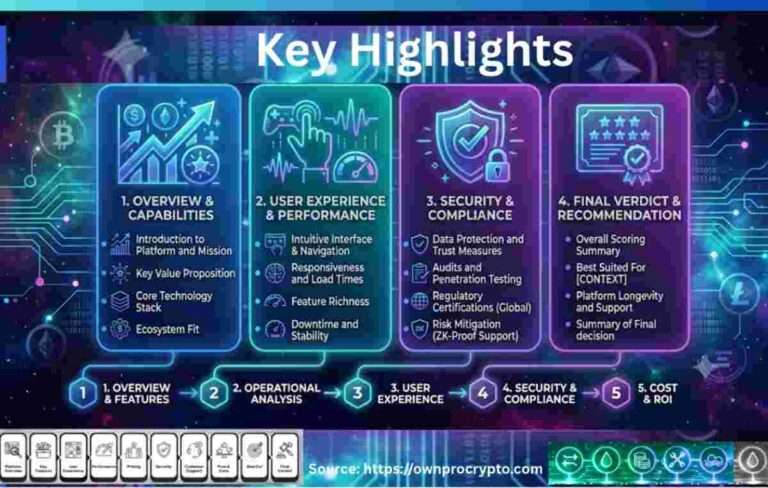
The best crypto risk management tools should do more than display a generic security score. Organizations need platforms that can identify different types of digital asset risk, connect relevant data sources, monitor changing exposure, and turn complex blockchain activity into actionable risk intelligence.
Because crypto risk varies between institutional portfolios, DeFi protocols, exchanges, custodians, DAOs, and corporate treasuries, there is no single feature set that fits every organization. The right platform depends on the organization’s risk model, assets, blockchain exposure, reporting requirements, and operational needs.
| Feature | What It Does | Why It Matters |
|---|---|---|
| On-chain monitoring | Tracks blockchain transactions, wallets, contracts, and activity | Helps identify unusual behavior and changing exposure |
| Risk scoring | Converts multiple risk signals into structured assessments | Helps teams prioritize attention and resources |
| Smart contract analysis | Evaluates contract vulnerabilities, permissions, and dependencies | Reduces protocol and technical risk |
| Liquidity analysis | Measures liquidity conditions, market depth, and potential slippage | Helps identify liquidation and exit risks |
| Counterparty analysis | Evaluates exposure to exchanges, custodians, protocols, and service providers | Reduces concentration and external-party risk |
| Portfolio exposure analysis | Aggregates digital asset and protocol exposure | Provides a broader view of financial risk |
| Alerts and monitoring | Notifies teams when defined risk conditions change | Supports faster investigation and response |
| Reporting | Turns risk data into dashboards and reports | Supports governance, compliance, and management decisions |
| API and integrations | Connects risk data with other enterprise systems | Reduces fragmented risk workflows |
When comparing platforms, buyers should evaluate capabilities against their actual use case rather than selecting a provider solely because it has the highest number of features. A DeFi protocol may prioritize smart contract and economic risk, while an institutional investor may place greater emphasis on portfolio exposure, counterparty risk, liquidity, and reporting.
| Platform Capability | DeFi Protocols | Institutions | Exchanges & Custodians | Treasury Teams |
|---|---|---|---|---|
| Smart contract analysis | High | Medium | High | Medium |
| On-chain monitoring | High | High | High | High |
| Liquidity analysis | High | High | High | High |
| Portfolio risk analysis | Medium | High | High | High |
| Counterparty monitoring | High | High | High | High |
| Enterprise reporting | Medium | High | High | High |
Enterprise crypto risk intelligence platforms are designed to combine multiple risk signals into a broader view of digital asset exposure. Instead of focusing on one individual threat, these platforms may bring together blockchain intelligence, market information, protocol data, counterparty exposure, portfolio information, and operational risk indicators.
This approach is useful for organizations that need to monitor risk across multiple assets, wallets, protocols, exchanges, or blockchain networks. Enterprise teams may also require permissions, audit trails, reporting workflows, APIs, and integrations with existing risk and compliance systems.
Smart contract security platforms focus primarily on technical and protocol-level risks. They can help teams identify vulnerabilities, review contract behavior, monitor deployments, assess permissions, and investigate changes that could affect protocol security.
These platforms are particularly relevant for organizations developing or interacting with DeFi protocols. However, smart contract security should generally be treated as one component of a broader risk framework rather than the complete definition of crypto risk.
Blockchain intelligence platforms specialize in understanding activity recorded on public blockchains. Depending on the provider, capabilities can include wallet attribution, transaction monitoring, entity analysis, address screening, behavioral analytics, and risk alerts.
These capabilities are useful when an organization needs to understand where assets are moving, identify unusual activity, investigate counterparties, or monitor exposure to potentially risky addresses and entities.
DeFi economic risk platforms focus on risks created by protocol design, collateral, liquidity, leverage, market conditions, and interconnected financial positions. These tools can be particularly valuable for lending protocols, liquidity providers, DAOs, funds, and institutions participating in decentralized finance.
Economic risk analysis can include collateral exposure, liquidation conditions, liquidity availability, concentration, asset correlations, and scenario analysis. The objective is to understand how a change in market conditions could affect a protocol or portfolio.
The following framework can be used when comparing different types of crypto risk management platforms. Actual capabilities vary by provider, product tier, supported networks, and configuration, so buyers should verify specific features before making a purchasing decision.
| Tool Category | Primary Focus | Key Risk Areas | Typical Buyer |
|---|---|---|---|
| Enterprise risk intelligence | Broad digital asset risk | Financial, technical, counterparty, operational | Institutions and enterprises |
| Smart contract security | Protocol and code security | Technical and smart contract | DeFi teams |
| Blockchain intelligence | On-chain activity | Transaction, wallet, compliance | Exchanges and compliance teams |
| DeFi economic risk | Protocol economics | Liquidity, collateral, market, liquidation | Protocols and institutional DeFi users |
| Organization | Priority Risk Areas | Important Capabilities |
|---|---|---|
| DeFi protocol | Smart contract, liquidity, oracle, governance | Protocol monitoring, economic analysis, alerts |
| Institutional investor | Market, liquidity, counterparty, custody | Portfolio analytics, exposure monitoring, reporting |
| Crypto exchange | Security, transaction, liquidity, compliance | Real-time monitoring, transaction intelligence, alerts |
| DAO | Treasury, governance, protocol, liquidity | Treasury monitoring, governance analytics, risk reporting |
| Corporate treasury | Market, custody, counterparty, liquidity | Portfolio monitoring, exposure analysis, reporting |
Before purchasing or integrating a crypto risk management platform, organizations should establish a clear set of evaluation criteria.
The most useful platform is not necessarily the one with the longest feature list. It is the one that provides reliable risk information for the decisions an organization actually needs to make.
A practical evaluation should therefore consider four areas: risk coverage, data quality, monitoring capability, and decision support. Organizations should also determine whether the platform can fit into existing security, compliance, treasury, investment, and governance workflows.
Key takeaway: crypto risk management tools should be evaluated as risk intelligence systems rather than simple security dashboards. The strongest fit depends on the organization’s risk model, digital asset exposure, operational requirements, and need for continuous monitoring.
💡 Enterprise Insight: A complete crypto risk framework combines security analysis, financial intelligence, governance monitoring, and compliance visibility. Organizations that evaluate only one area may miss risks developing elsewhere.
📌 Key Takeaway: The best crypto risk management tool is the one that provides useful intelligence for your specific operational needs, not simply the platform with the most features.
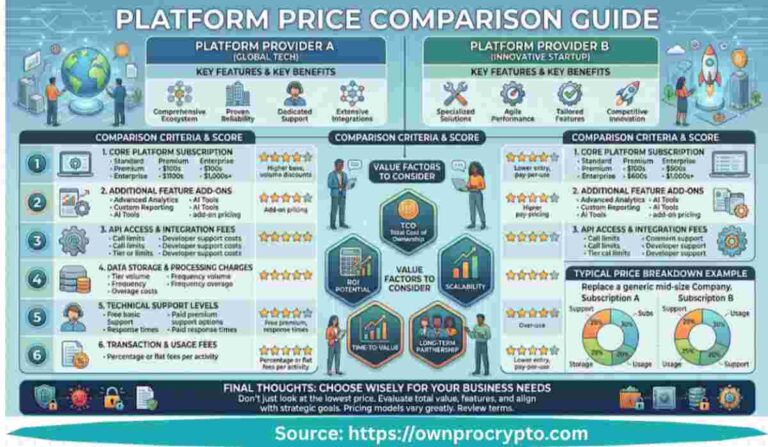
Pricing for crypto risk management platforms varies according to the type of risk covered, monitoring requirements, number of assets or protocols tracked, blockchain networks supported, users, integrations, and enterprise requirements. Some tools offer free or limited plans, while professional and enterprise platforms commonly use subscription or customized pricing.
The cost depends on the platform’s scope and the level of risk intelligence required. Basic tools may focus on individual asset or wallet monitoring, while professional platforms can provide portfolio analytics, on-chain monitoring, protocol assessment, alerts, and reporting. Enterprise solutions may add API access, custom integrations, multiple users, advanced analytics, and dedicated support.
| Platform Type | Typical Pricing Model | Best Suited For | Main Cost Factors |
|---|---|---|---|
| Basic risk tools | Free or subscription | Individual investors and small teams | Features, assets, data access |
| Professional platforms | Monthly or annual subscription | Professional investors and crypto businesses | Users, assets, monitoring, analytics |
| DeFi risk platforms | Subscription or custom pricing | DeFi protocols and treasury teams | Protocols, chains, risk models |
| Enterprise platforms | Custom pricing | Institutions, exchanges, custodians | Scale, API access, data volume, integrations |
The right budget depends on the organization’s risk exposure. Individual investors typically require simpler portfolio and asset monitoring, while DeFi protocols, exchanges, institutional investors, and treasury teams may require continuous monitoring, transaction intelligence, liquidity analysis, counterparty assessment, reporting, and enterprise integrations.
| Organization | Primary Requirements | Important Capabilities |
|---|---|---|
| Individual investors | Portfolio and asset risk | Risk scores, alerts, market data |
| DeFi protocols | Protocol and economic risk | On-chain analytics, liquidity monitoring, stress testing |
| Crypto exchanges | Transaction and counterparty risk | Real-time monitoring, transaction intelligence, alerts |
| Institutional investors | Portfolio and market risk | Portfolio analytics, scenario analysis, reporting |
| Treasury teams | Asset, custody and liquidity risk | Portfolio visibility, controls and reporting |
The advertised subscription price may not represent the complete cost of operating a platform. Buyers should also consider implementation, API usage, additional users, integrations, data access, customization, support, and internal administration.
A platform covering multiple risk categories may provide greater value than several inexpensive tools that each address only one area. Compare coverage for smart contract, market, liquidity, counterparty, custody, governance, oracle, bridge, treasury, and compliance risks where relevant.
Continuous on-chain monitoring, real-time alerts, historical data, portfolio analytics, and high-volume transaction monitoring can affect platform costs. Organizations should determine which data and monitoring capabilities are actually required before comparing prices.
API access, reporting, user permissions, audit trails, workflow integrations, and dedicated support can become important cost factors for larger organizations. These requirements should be included when calculating the total cost of ownership.
The cheapest crypto risk management tool is not necessarily the most cost-effective option. A better comparison considers the relationship between price and the platform’s ability to identify, monitor, analyze, and communicate the risks that matter to the organization.
| Evaluation Factor | Why It Matters |
|---|---|
| Risk coverage | Shows whether the platform addresses the organization’s main risk categories. |
| Data quality | Reliable data supports better risk decisions. |
| Monitoring | Frequent monitoring helps identify rapidly changing risks. |
| Alert quality | Useful alerts reduce unnecessary noise. |
| Scalability | The platform should support growing assets, users, and networks. |
| Reporting | Clear reporting helps risk teams and decision-makers understand exposure. |
| Integration | Integrations determine how easily risk intelligence fits existing workflows. |
📌 Key Takeaway: TWhen comparing the price of crypto risk management tools, evaluate the complete value of the platform rather than its subscription price alone. The best choice is the platform that provides the appropriate combination of risk coverage, monitoring, analytics, reporting, scalability, and integrations for the organization’s risk model.

Enterprise crypto risk management requires more than selecting a security or analytics platform. Organizations managing digital assets need a structured framework that connects technology, financial controls, operational processes, governance, and continuous monitoring.
A strong strategy helps organizations identify risks before they become incidents, establish clear ownership of risk decisions, monitor changing exposure, and respond quickly when conditions change. Crypto risk management tools support this process by providing data, analytics, alerts, and reporting that can be incorporated into the organization’s broader risk framework.
The first step is to establish what the organization is trying to protect and which risks it is willing to accept. Objectives may include protecting treasury assets, reducing smart contract exposure, monitoring counterparties, maintaining liquidity, detecting suspicious activity, and meeting internal governance or regulatory requirements.
Risk objectives should be specific enough to guide platform configuration and operational decisions. For example, an organization may establish limits for asset concentration, counterparty exposure, liquidity requirements, or acceptable protocol risk.
| Risk Objective | Example Control | Useful Monitoring Capability |
|---|---|---|
| Protect digital assets | Custody and wallet controls | Wallet monitoring and transaction alerts |
| Limit market exposure | Asset and concentration limits | Portfolio risk analytics |
| Reduce protocol exposure | Protocol risk thresholds | Smart contract and DeFi risk monitoring |
| Manage counterparty risk | Exposure limits | Counterparty and transaction intelligence |
| Maintain liquidity | Liquidity thresholds | Liquidity and market monitoring |
Enterprise crypto risk should not be treated as a single category. Digital asset organizations can face technical, financial, operational, counterparty, governance, and compliance risks simultaneously.
A multi-layer framework allows each risk category to be monitored separately while giving decision-makers an overall view of organizational exposure.
Technical risk includes vulnerabilities in smart contracts, wallets, bridges, oracles, blockchain infrastructure, and other Web3 components. Organizations should evaluate code security, dependency risks, upgrade mechanisms, privileged permissions, and unusual on-chain activity.
Financial risk includes market volatility, liquidity constraints, asset concentration, leverage, collateral exposure, and potential losses during stressed market conditions. Portfolio monitoring and scenario analysis can help organizations understand how changes in market conditions may affect their positions.
Operational risk can arise from human error, inadequate procedures, system failures, poor access controls, or weaknesses in internal workflows. Enterprise risk programs should define responsibilities, approval processes, access permissions, incident procedures, and escalation paths.
Counterparty risk is particularly important when organizations interact with exchanges, custodians, lenders, market makers, protocols, stablecoin issuers, or other digital asset entities. Risk assessment should consider exposure size, financial condition, operational history, liquidity, dependencies, and observable on-chain activity where applicable.
Automation can improve the speed and consistency of risk monitoring, but it should not completely replace human judgment. Automated systems can identify unusual transactions, changes in risk scores, liquidity deterioration, abnormal wallet activity, or other predefined conditions.
Risk professionals can then investigate significant events, evaluate context, determine materiality, and decide whether escalation or intervention is necessary.
| Automated Monitoring | Human Decision-Making |
|---|---|
| Detects predefined risk signals | Evaluates context and significance |
| Monitors large volumes of data | Investigates complex events |
| Generates alerts | Determines appropriate response |
| Tracks thresholds continuously | Reviews and adjusts risk policies |
| Produces recurring reports | Communicates material risks to stakeholders |
Crypto risk models should evolve as markets, protocols, technologies, and threats change. A model that accurately represents risk today may become less useful when an organization adds new assets, adopts additional blockchain networks, changes custody arrangements, or interacts with new protocols.
Organizations should periodically review risk thresholds, scoring methodologies, monitored entities, alert rules, data sources, and stress-testing assumptions.
Every major risk category should have clearly defined ownership. Teams should know who monitors the risk, who reviews alerts, who approves risk limits, and who has authority to respond when predefined thresholds are exceeded.
A practical escalation framework can classify events according to severity:
| Risk Level | Example Response |
|---|---|
| Low | Continue routine monitoring |
| Moderate | Review exposure and increase monitoring |
| High | Escalate to the responsible risk team |
| Critical | Activate incident response and executive governance procedures |
Risk intelligence becomes more valuable when it reaches the people responsible for making decisions. Enterprise crypto risk platforms should therefore support reporting and governance workflows rather than operating as isolated dashboards.
Risk information may need to be shared with treasury teams, security teams, compliance departments, investment committees, executives, boards, or DAO governance participants depending on the organization’s structure.
Organizations should evaluate whether their risk management program is actually improving visibility and response. Useful measurements can include alert response time, number of unresolved high-risk events, concentration levels, liquidity coverage, counterparty exposure, incident frequency, and time required to investigate significant events.
| Metric | What It Helps Measure |
|---|---|
| Alert response time | Speed of risk investigation |
| High-risk exposure | Current concentration of material risk |
| Unresolved alerts | Operational risk-management workload |
| Liquidity coverage | Ability to meet potential liquidity requirements |
| Incident frequency | Effectiveness of preventive controls |
| Investigation time | Efficiency of risk-analysis processes |
Key Takeaway: An effective enterprise crypto risk management strategy combines technology with governance, clearly defined risk objectives, continuous monitoring, human oversight, and regularly updated risk models.
Crypto risk management tools should therefore be viewed as part of a broader enterprise risk framework. The platform provides the intelligence and monitoring infrastructure, while the organization’s policies, people, controls, and governance processes determine how that intelligence is used.
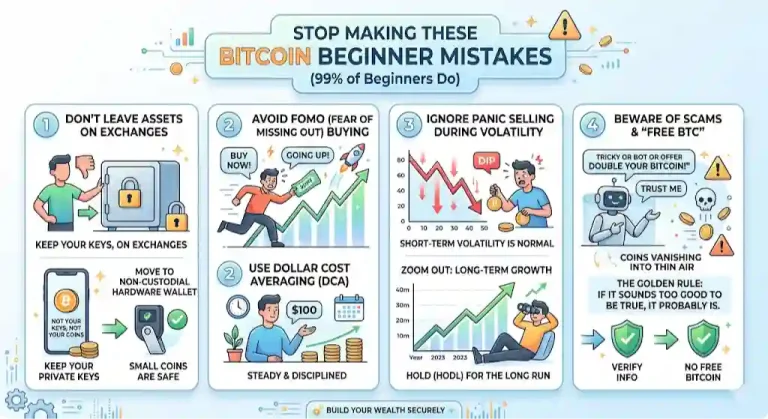
Selecting a risk platform based only on popularity or marketing claims can create problems.
Organizations should avoid several common mistakes.
A single score rarely explains the complete risk picture.
Two protocols may have similar ratings but completely different weaknesses.
Example:
Protocol A may have strong technical security but poor liquidity.
Protocol B may have strong liquidity but high governance concentration.
A complete platform should explain the reasons behind risk scores.
Many organizations focus heavily on smart contract security.
However, major losses can also result from:
Risk management must include both technical and financial analysis.
Normal market conditions do not reveal every weakness.
Organizations should understand how portfolios perform during:
Stress testing helps prepare before emergencies happen.
Blockchain systems may be decentralized, but control structures still matter.
Organizations should evaluate:
Governance failures can create serious financial consequences.
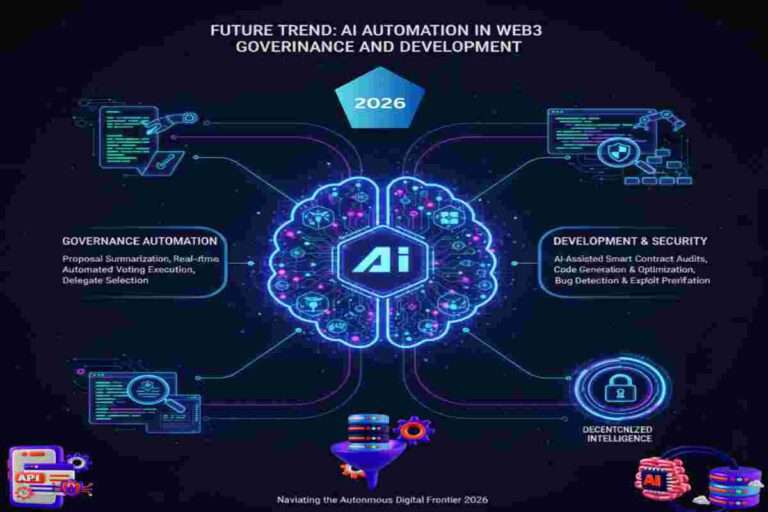
Crypto risk management is moving from periodic assessment toward continuous, data-driven risk intelligence. As digital asset markets become more interconnected, organizations increasingly need platforms that can combine on-chain activity, market data, portfolio exposure, security signals, and operational information in a single risk view.
The next generation of crypto risk management tools is therefore expected to focus less on static risk scores and more on real-time monitoring, predictive analytics, cross-chain visibility, automated response, and explainable risk intelligence. These capabilities are particularly relevant to institutional investors, DeFi protocols, exchanges, custodians, treasury teams, and other organizations managing significant digital asset exposure.
Artificial intelligence is becoming an important component of risk analysis because crypto platforms generate large volumes of transaction, market, behavioral, and protocol data. AI systems can help identify patterns across this data and prioritize signals that may require investigation.
Rather than replacing traditional risk models, AI is most useful when it helps analysts identify relationships and anomalies that would be difficult to detect manually. The strongest implementations should combine automated analysis with human review and clearly explain why an event has been classified as risky.
Traditional risk monitoring often focuses on what is happening now. Predictive risk modeling attempts to identify conditions that could increase exposure in the future.
For example, a risk platform may combine market volatility, liquidity changes, collateral levels, concentration, transaction activity, and historical patterns to identify situations that could develop into a larger risk event.
| Traditional Monitoring | Predictive Risk Management |
|---|---|
| Identifies current risk | Looks for emerging risk |
| Uses predefined thresholds | Can combine multiple signals |
| Responds to observed events | Helps prepare for potential events |
| Often focuses on individual metrics | Can evaluate relationships between metrics |
Blockchain activity operates continuously, which makes periodic risk reviews insufficient for organizations that need immediate visibility. Continuous on-chain monitoring allows risk teams to track transactions, wallets, contracts, protocols, and other entities as activity changes.
Real-time monitoring can be especially valuable for detecting unusual transfers, sudden changes in exposure, suspicious activity, liquidity movements, or changes involving entities that an organization already considers important to its risk profile.
More alerts do not necessarily mean better risk management. Excessive false positives can overwhelm analysts and make it harder to identify genuinely important events.
Future risk platforms will therefore need to improve alert prioritization, contextual analysis, configurable thresholds, and escalation workflows so that teams can focus on the events most relevant to their risk posture.
Institutional crypto risk management is increasingly moving toward portfolio-level visibility rather than evaluating individual assets in isolation. A portfolio can contain multiple assets, exchanges, custodians, protocols, wallets, derivatives, and liquidity positions, creating relationships that are difficult to understand through isolated metrics.
Portfolio risk platforms can combine valuation, exposure, concentration, volatility, liquidity, and other risk metrics to provide a broader view of potential losses and changing portfolio conditions.
As organizations operate across multiple blockchain networks, risk analysis must account for cross-chain dependencies. Assets can move between networks through bridges, wallets, protocols, exchanges, and custodians, creating interconnected exposure.
Multi-chain risk analysis can help organizations understand where assets are located, how they move between ecosystems, and whether a risk event on one network could affect positions or counterparties elsewhere.
Stress testing is becoming increasingly important for organizations with meaningful digital asset exposure. Instead of relying exclusively on historical performance, risk teams can examine hypothetical scenarios involving sharp price declines, liquidity deterioration, volatility increases, collateral stress, counterparty failures, or disruption to important infrastructure.
| Stress Scenario | Risk Question |
|---|---|
| Sharp market decline | How much could portfolio value fall? |
| Liquidity deterioration | Can positions be exited without significant impact? |
| Counterparty failure | How much exposure could become impaired? |
| Protocol exploit | Which assets or positions could be affected? |
| Bridge disruption | What cross-chain exposure could become inaccessible? |
| Stablecoin depeg | How could liquidity and collateral positions change? |
One of the most important developments in crypto risk management is the movement toward integrated risk intelligence. Technical security events can create financial consequences, while financial stress can create operational and counterparty risks.
A smart contract vulnerability, for example, may affect protocol liquidity and portfolio valuation. A counterparty problem may create both financial exposure and operational disruption. Separating these risks into completely independent systems can make it harder for decision-makers to understand the full impact.
Future platforms are therefore likely to place greater emphasis on connecting security signals with financial and operational risk indicators.
On-chain behavioral analytics can provide context beyond individual transactions. By examining patterns of wallet activity, transaction relationships, asset flows, contract interactions, and entity behavior, risk systems can identify changes that may indicate emerging exposure.
This can support areas such as fraud detection, counterparty assessment, protocol monitoring, transaction screening, and investigation workflows.
As digital assets become more integrated into institutional and enterprise operations, risk management platforms will increasingly need to support governance and regulatory processes. Organizations may require documented controls, audit trails, risk reporting, user permissions, configurable policies, and evidence that risk decisions can be reviewed later.
This means crypto risk platforms are evolving beyond dashboards. Enterprise buyers increasingly need risk intelligence that can become part of formal governance and compliance workflows.
Risk scores are useful only when users understand what is driving them. Future platforms will increasingly need to explain which factors contributed to a risk assessment and how those factors changed over time.
At the same time, automation can allow predefined responses to occur when specific thresholds are reached. Depending on the organization’s controls, these responses could include escalating an alert, restricting a transaction, increasing monitoring, notifying a risk team, or initiating an investigation workflow.
| Capability | Purpose |
|---|---|
| Explainable risk scores | Show why an asset, wallet, protocol, or counterparty received a particular risk assessment. |
| Configurable thresholds | Allow organizations to align alerts with their own risk policies. |
| Automated escalation | Route significant events to the appropriate team. |
| Response workflows | Help teams move from detection to investigation and action. |
Organizations evaluating crypto risk management tools should look beyond today’s feature lists and consider whether a platform can support increasingly complex risk environments.
The most important capabilities to evaluate include continuous monitoring, data quality, cross-chain coverage, portfolio analytics, predictive models, configurable risk rules, explainable scoring, integrations, reporting, and automation.
Buyers should also consider whether the platform can scale as the organization’s digital asset exposure grows. A solution that works for a small portfolio may not provide sufficient infrastructure for an exchange, institutional investment operation, DeFi protocol, or enterprise treasury.
Key Takeaway: TThe future of crypto risk management is moving toward continuous, interconnected, and increasingly intelligent risk monitoring. AI, predictive analytics, multi-chain analysis, real-time portfolio intelligence, stress testing, behavioral analytics, and automated response can help organizations move from simply identifying risks to anticipating and managing them. For buyers, the objective is not to adopt every emerging technology. It is to select risk management infrastructure that provides reliable data, meaningful risk context, actionable alerts, and a scalable foundation for the organization’s evolving digital asset strategy.
Technology alone cannot eliminate blockchain risk. Organizations achieve stronger resilience when risk-management software is combined with structured governance, documented processes, and continuous operational improvement.
A mature crypto risk management strategy typically includes several complementary components.
Organizations should clearly define ownership for:
Clearly assigned responsibilities reduce operational uncertainty during high-pressure situations.
Crypto risk profiles change continuously. Organizations should periodically review:
Regular reassessments help identify emerging vulnerabilities before they become significant issues.
No single dataset captures every blockchain risk. Effective strategies combine multiple perspectives, including:
Combining these sources produces more balanced and informed risk decisions.
Every organization should document procedures for responding to events such as:
Prepared response plans reduce confusion and improve coordination during rapidly developing incidents.
Crypto ecosystems evolve rapidly. Organizations should regularly evaluate:
Continuous improvement helps ensure that risk management strategies remain effective as the industry evolves.
💡 Future Insight: Crypto risk management is moving toward predictive, continuous, integrated, and increasingly automated systems. Future platforms will not only detect problems but also help organizations understand emerging risks, assess their potential impact, and respond before exposure becomes a loss.

What are crypto risk management tools?
Crypto risk management tools are software platforms that help investors, protocols, exchanges, institutions, and Web3 organizations identify, assess, monitor, and respond to risks associated with digital assets. Depending on the platform, they may cover smart contract, market, liquidity, counterparty, custody, governance, compliance, and on-chain transaction risks.
Can one crypto risk management platform monitor multiple types of risk?
Yes. Some platforms provide broad risk intelligence across several categories, while others specialize in areas such as smart contract security, blockchain intelligence, transaction monitoring, or DeFi economic risk. Organizations with complex risk profiles may combine multiple specialized tools rather than rely on a single platform.
Are crypto risk management tools useful for individual investors?
They can be, although the level of sophistication needed depends on the investor’s portfolio, activity, and risk exposure. Individual investors may benefit from tools that monitor wallet activity, token risks, liquidity, market exposure, and transaction threats, while institutional users typically require more advanced monitoring, reporting, integrations, and governance features.
How should an organization choose a crypto risk management platform?
Organizations should evaluate the risks they need to monitor first, then compare platforms based on risk coverage, data quality, monitoring frequency, alert capabilities, integrations, reporting, scalability, ease of use, and total cost. The best platform is not necessarily the one with the largest feature list, but the one that matches the organization’s actual risk-management requirements.
Can crypto risk management tools provide real-time risk monitoring?
Many modern platforms support continuous or near-real-time monitoring of blockchain activity, transactions, wallets, protocols, market conditions, and other risk indicators. The actual monitoring frequency depends on the platform, data source, blockchain, and subscription level.
Can these tools monitor smart contract and DeFi risks?
Yes. Specialized platforms can evaluate factors such as smart contract vulnerabilities, protocol exposure, liquidity conditions, oracle dependencies, governance activity, token concentration, and other DeFi-specific risks. However, the depth of analysis varies significantly between providers.
Can crypto risk management platforms monitor wallets and counterparties?
Many blockchain intelligence and transaction-monitoring platforms can analyze wallet behavior, transaction history, address relationships, and counterparty exposure. This can help organizations identify suspicious activity, concentration risk, exposure to high-risk addresses, or unexpected changes in transaction patterns.
How do crypto risk management tools handle cross-chain risk?
Cross-chain risk management typically involves monitoring assets, wallets, bridges, transactions, liquidity, and counterparties across multiple networks. More advanced platforms can connect activity across chains to provide a broader view of exposure instead of treating each blockchain as an isolated environment.
How accurate are crypto risk scores?
Risk scores should be treated as decision-support signals rather than absolute measurements of safety. Accuracy depends on the quality of the underlying data, methodology, risk models, update frequency, and the specific risks being evaluated. Organizations should understand how a provider calculates its scores before using them in important decisions.
Can crypto risk management tools predict a liquidity crisis or liquidation event?
Some platforms can identify conditions that may increase the probability of liquidity stress, liquidation, or other adverse events. These systems generally use indicators such as leverage, collateral levels, liquidity depth, market volatility, concentration, and historical behavior. Predictive outputs should still be combined with human analysis and scenario testing.
Should organizations use more than one crypto risk management tool?
In many cases, yes. Different platforms specialize in different risk domains. For example, an organization may use one system for blockchain intelligence, another for smart contract security, and another for portfolio or DeFi economic risk. The goal should be complementary coverage rather than unnecessary duplication.
How much do crypto risk management tools cost?
Pricing varies widely depending on the platform, risk coverage, number of assets or wallets monitored, data requirements, integrations, reporting features, and enterprise requirements. Some services offer public or self-service pricing, while enterprise platforms may use customized pricing based on usage and scope.
Can crypto risk management software help with regulatory compliance?
Certain platforms can support compliance workflows by providing transaction monitoring, wallet screening, exposure analysis, risk reporting, audit trails, and other relevant data. However, software should support a broader compliance program rather than be treated as a substitute for legal, regulatory, or compliance expertise.
Are crypto risk management tools suitable for exchanges and institutional investors?
Yes. Exchanges, funds, banks, asset managers, treasury teams, and other institutions often require continuous monitoring, automated alerts, exposure analysis, reporting, and integration with existing systems. Enterprise requirements can also include role-based access, APIs, custom reporting, data retention, and governance controls.
Are AI-powered crypto risk management tools reliable?
AI can improve anomaly detection, pattern recognition, alert prioritization, and predictive analysis, but its output should not be treated as infallible. The most useful systems combine automated analysis with transparent risk indicators, explainable outputs, reliable data, and human review for high-impact decisions.
What is the difference between crypto risk management and traditional cybersecurity?
Traditional cybersecurity primarily focuses on protecting systems, networks, applications, and data from digital threats. Crypto risk management extends beyond technical security to include financial, liquidity, market, smart contract, custody, counterparty, governance, transaction, and on-chain risks. Organizations often need both disciplines working together.

Discover the best crypto risk management tools for portfolio security, smart contract analysis, wallet protection, compliance, and institutional risk monitoring. Compare leading Web3 security platforms, AI-powered risk engines, and blockchain analytics to protect digital assets from scams, exploits, and operational risk.
Portfolio Risk Analysis
Crypto Risk Management Tools — Compare enterprise crypto risk platforms. (We are here)
Crypto Asset Risk Analysis Tool — Analyze portfolio exposure and concentration risk.
Crypto Portfolio Analysis Guide — Measure performance, volatility, and allocation.
Wallet & Custody Security
Best Hardware Wallets — Secure long-term digital asset storage.
Best MPC Wallets — Enterprise MPC wallet comparison.
Crypto Self-Custody Guide — Reduce custodial risk.
Crypto Security Checklist — Audit wallet security before investing.
Scam Detection & Threat Intelligence
Best Crypto Scam Detection Tools — Compare wallet, token, and website scanners.
Crypto Scam Checker — Verify projects before investing.
Crypto Threat Intelligence — Monitor exploits, phishing, and attack vectors.
Wallet Time Machine — Investigate wallet history and behavioral risk.
Smart Contract & DeFi Risk
Smart Contract Risk Calculator — Evaluate protocol security.
DeFi Protocol Analysis Guide — Assess sustainable yield and protocol quality.
Token Risk vs Reward Tool — Compare investment opportunities.
Token Launch Risk Simulator — Analyze launch and liquidity risks.
Institutional Compliance & Governance
Best Crypto Compliance Software — Compare enterprise AML and compliance tools.
Institutional Crypto Governance — Governance frameworks for digital assets.
MiCA & GENIUS Act Roadmap — Regulatory compliance roadmap.
Crypto Security Standards — Security best practices for institutions.
AI Risk Intelligence
AI Crypto Tools — AI-powered blockchain risk analysis.
AI Crypto Portfolio Tool — Automated portfolio monitoring.
Crypto Decision Operating System — Decision intelligence for investors.
Crypto Analysis Tool — End-to-end research and risk evaluation.
Best Crypto Risk Management Tools
│
├── Crypto Risk Management Tools
├── Crypto Asset Risk Analysis Tool
├── Digital Asset Risk Management Framework
├── Crypto Portfolio Analysis Guide
│
├── Best Hardware Wallets
├── Best MPC Wallets
├── Crypto Self-Custody Guide
│
├── Best Crypto Scam Detection Tools
├── Crypto Scam Checker
├── Crypto Threat Intelligence
│
├── Smart Contract Risk Calculator
├── DeFi Protocol Analysis Guide
├── Token Risk vs Reward Tool
│
├── Best Crypto Compliance Software
├── Institutional Crypto Governance
│
├── AI Crypto Tools
├── AI Crypto Portfolio Tool
└── Crypto Decision Operating System
Recommended Do-Follow External Links
These are authoritative, non-competing references that strengthen topical authority:
NIST Blockchain Research — Government guidance on blockchain architecture, security, and digital asset infrastructure.
OWASP Smart Contract Security — Industry best practices for smart contract security, threat modeling, and vulnerability assessment.