
Search by title, topic or phrase
Use our Crypto Search Engine 🔍 to find the topics and keywords you're looking for.

Table of Contents
ToggleArtificial intelligence is becoming one of the most influential technologies in the evolution of cryptocurrency and blockchain ecosystems. AI Crypto Tools combine machine learning, large language models, blockchain analytics, automation systems, and autonomous AI agents to help users analyze markets, manage portfolios, automate trading strategies, improve security, and discover new opportunities across Web3.
The demand for Best AI Crypto Tools has increased because crypto markets operate 24 hours a day, generate massive volumes of real-time data, and require advanced decision-making capabilities. Traditional trading methods based only on manual analysis often struggle with the speed and complexity of modern digital assets. AI-powered crypto platforms can process market data, wallet activity, social sentiment, smart contract information, and blockchain transactions within seconds.
From individual investors using AI crypto trading bots to institutional funds applying machine learning models for risk management, the adoption of artificial intelligence in crypto is expanding across multiple sectors. Today, AI crypto software is used for automated trading, AI market prediction, on-chain intelligence, token research, portfolio optimization, smart contract auditing, and decentralized applications.
This comprehensive guide explains how AI Crypto Tools work, the technologies behind them, the major categories available in 2026, comparison criteria, real-world applications, security considerations, institutional adoption, developer opportunities, and the future direction of AI-powered blockchain ecosystems.
Whether you are a beginner exploring crypto automation, a trader searching for AI trading tools crypto solutions, a blockchain developer building intelligent applications, a university researcher studying decentralized AI, or an institution evaluating digital asset infrastructure, this guide provides a complete overview of the rapidly evolving AI crypto landscape.

AI Crypto Tools are software platforms, applications, and intelligent systems that use artificial intelligence technologies to analyze, automate, predict, or optimize cryptocurrency-related activities.
Unlike traditional crypto software that follows fixed rules, AI-powered crypto tools can learn from historical information, identify patterns, process unstructured data, and adapt their responses based on changing market conditions.
At their core, these tools combine three major environments:
| Component | Role in AI Crypto Tools | Examples of Output |
|---|---|---|
| Artificial Intelligence | Decision-making and pattern recognition | Predictions, recommendations, automation |
| Blockchain Data | Transparent transaction information | Wallet analysis, token intelligence |
| Automation Systems | Execution and workflow management | Trading, monitoring, alerts |
A modern AI crypto platform may analyze:
The result is a more intelligent approach to cryptocurrency research, investment management, and blockchain operations.
The cryptocurrency market creates unique challenges that make artificial intelligence especially valuable.
Every blockchain produces thousands or millions of transactions daily. Major networks contain:
Human analysts cannot manually process all this information in real time.
AI systems help convert large-scale blockchain data into actionable insights.
Unlike traditional financial markets, cryptocurrency markets never close.
This creates several challenges:
AI trading platforms can monitor markets continuously and generate alerts or execute predefined strategies when specific conditions occur.
Successful crypto analysis rarely depends on one factor.
Professional analysis often combines:
AI systems can combine these different information streams into a unified analytical process.
The development of crypto automation has progressed through several stages.
Traditional Trading
        ↓
Rule-Based Trading Bots
        ↓
Algorithmic Crypto Trading
        ↓
Machine Learning Models
        ↓
LLM-Powered Crypto Assistants
        ↓
Autonomous AI Crypto AgentsEarly crypto automation relied on predefined instructions.
Examples:
These systems were efficient but lacked adaptability.
Algorithmic trading introduced more advanced mathematical models.
These systems analyzed:
However, they still depended heavily on human-designed strategies.
Modern AI crypto software introduces:
These platforms can analyze changing environments instead of following only fixed instructions.
The newest development is the emergence of AI agents.
AI crypto agents can:
Future systems may operate as autonomous financial assistants capable of managing complex blockchain tasks.
Traditional crypto applications generally perform specific predefined functions.
For example:
A normal portfolio tracker:
An AI portfolio assistant:
The difference is intelligence and adaptability.
| Traditional Crypto Software | AI Crypto Tools |
|---|---|
| Rule-based operations | Learning-based systems |
| Manual analysis | Automated insights |
| Fixed workflows | Adaptive workflows |
| Limited data processing | Large-scale data analysis |
| Human-driven decisions | AI-assisted decisions |
Modern AI crypto platforms typically provide several major capabilities.
AI systems analyze:
Output:
AI trading tools crypto users rely on can automate:
AI blockchain tools analyze:
AI security systems can assist with:
AI crypto research tools help users:
AI crypto technologies serve different user groups with different objectives.
| User Group | Main Interest | AI Crypto Application |
|---|---|---|
| Beginners | Understanding markets | AI assistants and education |
| Traders | Faster execution | AI trading bots and signals |
| Investors | Risk management | Portfolio analytics |
| Institutions | Data-driven decisions | Quant models and surveillance |
| Developers | Building applications | APIs, SDKs, AI infrastructure |
| Researchers | Technology analysis | AI blockchain studies |
| Regulators | Market oversight | Monitoring and compliance |

AI Crypto Tools operate by combining artificial intelligence models with blockchain data, financial information, automation systems, and decentralized infrastructure.
Unlike traditional crypto applications that follow fixed instructions, modern AI crypto platforms use multiple layers of intelligence to analyze information, identify patterns, generate insights, and sometimes execute automated actions.
A complete AI-powered crypto system usually contains five major layers:
                 AI Crypto Tool Architecture
                         Users
                           ↓
                 AI Crypto Interface
              (Dashboard / Assistant / API)
                           ↓
              Intelligence Processing Layer
     -----------------------------------------------
     |              |              |                |
 Machine        LLM Models     AI Agents      Analytics
 Learning                                     Engines
                           ↓
                  Blockchain Data Layer
     -----------------------------------------------
     |              |              |                |
 Transactions   Wallet Data   Smart Contracts   Market Data
                           ↓
              Automated Execution Systems
       Trading | Portfolio | Security | DeFi Actions
Machine learning is one of the core technologies behind AI crypto software.
Machine learning models identify relationships between historical data and future possibilities by analyzing large datasets.
In cryptocurrency markets, machine learning can process:
The objective is not to guarantee future results but to improve analytical decision-making.
Supervised learning uses historical examples to train AI systems.
A model receives:
Input:
Output:
Common applications:
Unsupervised learning identifies hidden structures inside data without predefined labels.
AI crypto analytics platforms use these methods for:
Example:
An AI system may analyze thousands of wallets and identify a group of addresses showing similar accumulation behavior.
Reinforcement learning allows AI systems to learn through interactions with an environment.
The system:
In crypto trading applications, reinforcement learning may evaluate:
This technology supports advanced forms of algorithmic crypto trading.
Large Language Models have introduced a new category of AI crypto assistants.
LLMs can understand and generate human language, making blockchain information easier to access.
Examples of LLM-powered crypto applications include:
Traditional crypto research requires users to analyze:
LLM-powered systems can summarize and organize this information.
Typical outputs include:
One major advantage of LLM technology is conversational access.
Instead of using complex blockchain dashboards, users can ask:
“Show me wallets accumulating this token.”
“Explain this smart contract risk.”
“Compare two DeFi protocols.”
The AI system converts human questions into blockchain analysis tasks.
Retrieval-Augmented Generation (RAG) combines language models with external information databases.
This is especially important in crypto because blockchain information changes continuously.
A normal AI model may have limited knowledge.
A RAG-powered AI crypto platform can retrieve:
before generating an answer.
RAG improves:
| Challenge | RAG Solution |
|---|---|
| Outdated information | Real-time data retrieval |
| Limited AI knowledge | External information sources |
| Incorrect answers | Context-based generation |
| Complex research | Automated information synthesis |
AI agents represent one of the most important developments in the AI blockchain ecosystem.
An AI agent is an intelligent system capable of:
Unlike simple chatbots, AI agents can perform multi-step workflows.
          User Objective
                ↓
          AI Crypto Agent
    ----------------------------
    |            |             |
 Research    Analysis     Decision
                ↓
        Blockchain Interaction
    ----------------------------
    |            |             |
 Wallets     DeFi Apps    Exchanges
                ↓
Completed ActionFuture AI trading systems may include agents capable of:
These systems move beyond simple trading bots.
A traditional bot:
“Execute this strategy.”
An AI agent:
“Analyze current conditions and determine the best strategy according to my objectives.”
Multi-agent systems involve several AI agents working together.
Example:
Agent 1:
Market analysis
Agent 2:
Risk assessment
Agent 3:
Security verification
Agent 4:
Execution management
Together, they create a coordinated decision framework.
Blockchain networks generate transparent but complex datasets.
AI blockchain analytics tools transform raw blockchain information into useful intelligence.
AI systems analyze:
Common outputs:
Large cryptocurrency holders can influence markets.
AI whale tracking tools monitor:
This helps investors understand market behavior.
Crypto markets are heavily influenced by public perception.
AI sentiment systems analyze:
The output may include:
Modern AI crypto platforms are moving from individual tools toward complete workflows.
An AI workflow may combine:
AI can support decentralized finance through:
Model Context Protocol (MCP) represents a developing approach for connecting AI models with external tools and data sources.
In crypto environments, MCP-enabled agents may connect AI systems with:
This creates more flexible AI workflows.
AI Crypto Tools generate different types of outputs depending on their purpose.
| AI Tool Category | Input Data | Output |
|---|---|---|
| Trading AI | Price and market data | Signals, strategies, execution |
| Analytics AI | Blockchain activity | Wallet insights, trends |
| Research AI | Documents and data | Reports and summaries |
| Security AI | Code and transactions | Risk detection |
| Portfolio AI | Investment data | Allocation recommendations |
| AI Agents | Multiple sources | Automated workflows |
Although AI provides powerful capabilities, it does not eliminate uncertainty.
Important limitations include:
AI systems depend on accurate information.
Poor-quality data can produce unreliable results.
Crypto markets constantly change.
A model trained on previous market conditions may become less effective when conditions evolve.
Some advanced AI models operate as “black boxes.”
Users may not always understand why a system generated a specific recommendation.
AI systems may face:
Security remains essential when deploying AI crypto solutions.
Key Takeaways: AI Crypto Tools work through a combination of:
- Machine learning models for pattern recognition
- LLMs for intelligent interaction and research
- RAG systems for real-time knowledge retrieval
- AI agents for autonomous workflows
- Blockchain analytics for decentralized intelligence
The future direction is moving from simple automation toward autonomous AI-powered blockchain ecosystems where intelligent systems can analyze, decide, and execute complex tasks.

AI Crypto Tools do not operate independently. They exist within a larger ecosystem that combines blockchain networks, financial platforms, decentralized applications, data providers, artificial intelligence infrastructure, and autonomous software agents.
The modern AI crypto ecosystem can be viewed as a connected technology stack where each layer contributes different capabilities.
A trading AI system, for example, may require:
The effectiveness of an AI crypto platform depends not only on its algorithm but also on the quality of the ecosystem surrounding it.
A complete AI blockchain ecosystem consists of multiple interconnected layers.
                    AI Crypto Ecosystem
                         Users
                           ↓
              AI Applications Layer
 Trading AI | Portfolio AI | Research AI | Security AI
                           ↓
              AI Intelligence Layer
 LLMs | Machine Learning | AI Agents | Analytics Models
                           ↓
              Blockchain Application Layer
 DeFi | NFTs | Smart Contracts | DAOs | Web3 Apps
                           ↓
              Blockchain Infrastructure Layer
 Layer 1 | Layer 2 | Networks | Nodes | Validators
                           ↓
              Data & Connectivity Layer
Oracles | APIs | Indexers | Market Data ProvidersCryptocurrency exchanges provide the market environment where AI trading tools operate.
AI trading platforms depend on exchanges for:
Centralized and decentralized exchanges both play important roles in AI-powered crypto trading.
Centralized exchanges provide:
AI trading systems commonly connect through APIs to analyze and execute strategies.
Typical AI exchange workflows:
Decentralized exchanges introduce additional opportunities for AI automation.
AI DeFi tools can analyze:
AI-powered decentralized trading systems may help users optimize decisions across multiple protocols.
| Exchange Function | AI Application | Output |
|---|---|---|
| Market Data | Machine learning analysis | Trading insights |
| API Access | Automated execution | Strategy deployment |
| Liquidity Data | Risk analysis | Better decisions |
| Trading History | Model training | Pattern recognition |
Crypto wallets are becoming more intelligent through AI integration.
Traditional wallets mainly store and transfer digital assets.
AI-powered wallets may provide:
AI smart wallets represent the evolution from passive storage systems into intelligent financial assistants.
Potential capabilities include:
AI wallet systems can analyze:
Possible outputs:
Blockchain networks provide the transparent data layer that powers many AI applications.
AI systems analyze blockchain information including:
Layer 1 blockchains provide the foundational environment where decentralized applications operate.
AI applications use Layer 1 networks for:
Layer 2 solutions improve:
For AI-powered applications requiring frequent interactions, scalable blockchain infrastructure is essential.
| Blockchain Component | AI Use Case |
|---|---|
| Transactions | Behavioral analysis |
| Smart Contracts | Automated execution |
| Governance Data | Decision intelligence |
| Token Activity | Market analysis |
| Network Metrics | Performance monitoring |
Decentralized Finance creates one of the largest opportunities for AI integration.
AI DeFi tools can improve:
AI systems can monitor thousands of DeFi variables.
Examples:
The AI system can generate alerts or recommend actions based on changing conditions.
Risk management is one of the most important institutional applications.
AI risk engines analyze:
Outputs may include:
AI Crypto Tools require powerful artificial intelligence infrastructure.
This includes:
LLMs support applications such as:
Machine learning infrastructure supports:
Important components include:
Blockchain networks cannot directly access external information.
Oracles solve this problem by providing external data.
AI crypto applications use oracle data for:
AI can improve oracle functionality through:
High-quality data is the foundation of effective AI crypto analysis.
AI systems rely on multiple data sources.
Provide:
Provide:
AI sentiment analysis platforms examine:
This helps identify market narratives.
AI agents represent a new infrastructure layer in the crypto ecosystem.
Agent frameworks allow developers to build systems capable of:
An autonomous crypto agent typically includes:
| Component | Function |
|---|---|
| AI Model | Reasoning capability |
| Memory System | Historical context |
| Tools | External interaction |
| Blockchain Connection | Transaction capability |
| Execution Layer | Automated actions |
Decentralized AI combines blockchain infrastructure with artificial intelligence.
The goal is to create:
Potential advantages include:
Different stakeholders contribute to ecosystem development.
| Participant | Contribution |
|---|---|
| Exchanges | Trading infrastructure |
| Wallet Providers | User access |
| Blockchains | Settlement layer |
| DeFi Protocols | Financial applications |
| AI Companies | Intelligence models |
| Developers | Applications and integrations |
| Data Providers | Information infrastructure |
| Regulators | Governance framework |
Understanding the AI crypto ecosystem helps users evaluate tools more effectively.
A powerful AI crypto platform depends on:
The future of AI crypto will not be defined by individual tools alone. It will be shaped by interconnected ecosystems where artificial intelligence, blockchain networks, decentralized finance, and autonomous agents work together.
Key Takeaways: The AI Crypto Ecosystem consists of:
- Exchanges enabling automated trading
- Wallets becoming intelligent financial assistants
- Blockchains providing transparent data infrastructure
- DeFi protocols enabling AI-powered finance
- AI infrastructure powering intelligence
- Oracles connecting external information
- Data providers improving analysis
- AI agents enabling autonomous workflows
- Decentralized AI networks creating new possibilities
Together, these components create the foundation for the next generation of intelligent Web3 systems.

The AI crypto industry has expanded far beyond automated trading bots. Modern AI Crypto Tools now cover multiple areas including market intelligence, blockchain analysis, portfolio management, smart contract security, decentralized applications, and autonomous Web3 systems.
In 2026, AI-powered crypto platforms can generally be divided into 8 major categories:
Each category solves different problems and serves different users.
AI trading bots are among the most searched categories within the AI crypto ecosystem.
An AI trading bot uses artificial intelligence, algorithms, and market data analysis to automate cryptocurrency trading decisions.
Unlike simple trading scripts, advanced AI trading platforms can evaluate:
before generating actions.
                Market Data
                    ↓
          AI Trading Intelligence
    --------------------------------
    |              |               |
 Price Analysis  Sentiment      Risk Model
                    ↓
          Strategy Generation
                    ↓
        Automated Execution System
                    ↓
Trade ManagementAI trading systems can automate predefined or adaptive strategies.
Common strategies include:
| Strategy | AI Application | Purpose |
|---|---|---|
| Grid Trading | Automated order placement | Capture market movements |
| DCA Automation | Scheduled buying | Reduce timing pressure |
| Arbitrage Trading | Price comparison | Identify opportunities |
| Trend Following | Pattern recognition | Follow market direction |
| Risk-Based Trading | Exposure management | Control losses |
Crypto markets often have price differences between exchanges.
AI arbitrage systems analyze:
The objective is to identify potential price differences across markets.
Grid trading uses predefined price ranges.
AI improves traditional grid strategies by analyzing:
The system can adjust grid parameters dynamically.
DCA systems automate periodic purchases.
AI-enhanced DCA tools may evaluate:
to optimize purchase timing.
AI copy trading allows users to follow strategies generated by:
AI systems can evaluate trader performance and risk patterns.
AI trading signals provide analytical recommendations based on market information.
Signals may include:
AI can analyze historical and real-time data to identify patterns, but cryptocurrency prices remain influenced by unpredictable factors.
AI prediction systems generally provide:
rather than guaranteed forecasts.
Factors affecting accuracy include:
AI crypto analytics tools focus on transforming blockchain and market data into meaningful intelligence.
These platforms help users understand:
 Blockchain Data
       +
 Market Data
       +
 Social Sentiment
       ↓
   AI Analytics Engine
       ↓
 -------------------------
 |          |             |
Trends   Signals     Insights
       ↓
 Investment Decisions
AI market scanners analyze:
Outputs include:
Crypto markets are heavily influenced by public opinion.
AI sentiment analysis examines:
The system identifies:
Blockchain transparency creates unique opportunities for AI analysis.
AI on-chain analytics can monitor:
Large wallet movements can influence markets.
Whale tracking AI systems monitor:
Possible outputs:
AI portfolio platforms help investors manage digital asset allocations.
They combine:
| Capability | AI Function | Benefit |
|---|---|---|
| Asset Analysis | Evaluate holdings | Better understanding |
| Risk Assessment | Detect exposure | Improved protection |
| Rebalancing | Adjust allocations | Portfolio efficiency |
| Performance Tracking | Analyze results | Better decisions |
AI systems can analyze:
to suggest possible portfolio structures.
Professional investors use AI risk engines to monitor:
Security is one of the highest-value applications of AI in blockchain.
Smart contracts control billions of dollars in digital assets, making vulnerability detection essential.
          Smart Contract Code
                  ↓
          AI Security Scanner
                  ↓
     ---------------------------
     |            |            |
 Vulnerability  Code       Risk
 Detection     Review    Assessment
                  ↓
          Security Report
AI security tools analyze smart contracts for:
AI coding assistants can help developers:
AI systems can analyze:
to identify possible warning signals.
AI wallet assistants improve user interaction with blockchain technology.
They can provide:
Instead of showing only blockchain addresses, AI systems can explain:
“Your wallet interacted with a DeFi protocol and increased exposure to a high-risk asset.”
This improves user understanding.
Research is one of the fastest-growing AI crypto applications.
AI research platforms help users analyze:
Professional users use AI research systems for:
AI agents represent the next stage of crypto automation.
They can perform:
An autonomous AI agent may:
Future AI trading environments may include multiple specialized agents:
| Agent | Function |
|---|---|
| Research Agent | Market analysis |
| Risk Agent | Security evaluation |
| Strategy Agent | Trading decisions |
| Execution Agent | Transaction handling |
AI Web3 tools combine artificial intelligence with decentralized infrastructure.
Applications include:
AI can support decentralized organizations through:
AI systems can automate:
Different users require different solutions.
| User Type | Suitable AI Tool Category |
|---|---|
| Beginner Investor | AI assistants and research tools |
| Active Trader | AI trading platforms |
| Fund Manager | Portfolio and risk systems |
| Developer | APIs and AI infrastructure |
| DeFi User | AI automation tools |
| Security Team | AI auditing systems |
| Researcher | Analytics platforms |
Key Takeaways: AI Crypto Tools now cover a complete technology ecosystem:
The future of crypto will not depend on a single AI application. It will depend on interconnected AI systems working across trading, security, research, finance, and decentralized infrastructure.
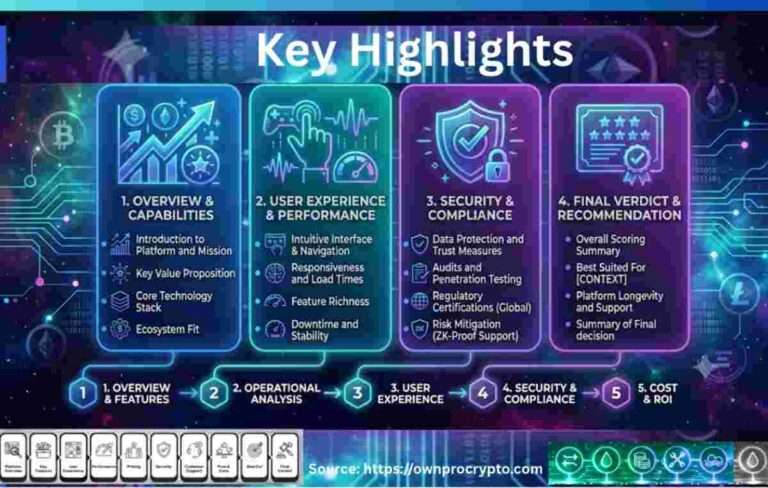
The AI crypto market has expanded rapidly, with hundreds of platforms offering different capabilities, from automated trading and blockchain analytics to AI agents and smart contract security.
However, choosing the right AI Crypto Tools requires more than comparing popularity or feature lists.
A professional evaluation should consider:
The best AI crypto platform depends on the user’s objective.
A beginner may prioritize simplicity.
A trader may prioritize execution speed.
A fund manager may prioritize risk analytics.
A developer may prioritize APIs and infrastructure.
A reliable comparison framework should analyze AI crypto platforms across 8 major evaluation categories.
                 AI Crypto Evaluation
                         |
 ------------------------------------------------
 |          |          |          |              |
AI Power  Security  Accuracy  Integration   Cost
                         |
 ------------------------------------------------
 |              |                 |
User Fit    Scalability     Transparency
                         |
Final AssessmentThe first evaluation factor is the depth of artificial intelligence implementation.
Not all platforms claiming to use AI provide the same level of intelligence.
A professional review should examine:
| Level | Capability | Example Output |
|---|---|---|
| Level 1 | Rule-based automation | Scheduled trades |
| Level 2 | Algorithmic systems | Strategy execution |
| Level 3 | Machine learning | Pattern detection |
| Level 4 | LLM integration | Research assistance |
| Level 5 | AI agents | Autonomous workflows |
AI crypto platforms must be evaluated based on output quality.
Important measurements include:
AI market prediction tools typically analyze:
However, cryptocurrency markets remain highly unpredictable.
A professional platform should provide:
rather than guaranteed predictions.
Security is one of the most important factors when selecting AI crypto software.
A platform handling financial data should be evaluated for:
| Security Area | Evaluation Question |
|---|---|
| API Access | Are permissions limited? |
| Wallet Connection | Is user control maintained? |
| Data Privacy | Is information protected? |
| Smart Contracts | Are audits available? |
| Transparency | Can users understand actions? |
Modern AI crypto platforms often need multi-chain support.
Important compatibility factors:
Cross-chain AI analysis allows users to monitor:
This is especially important for institutional users managing diversified digital assets.
Automation capability is a key difference between traditional crypto tools and AI-powered platforms.
Important features include:
| Automation Feature | Purpose |
|---|---|
| Trading Automation | Execute strategies |
| Portfolio Rebalancing | Manage allocations |
| Risk Monitoring | Detect exposure |
| Alerts | Notify users |
| Research Automation | Generate insights |
| Workflow Automation | Complete multi-step tasks |
Different AI crypto platforms serve different purposes.
| Category | Main Function | Primary Output | Best Users |
|---|---|---|---|
| AI Trading Bots | Automated execution | Trading actions | Traders |
| AI Analytics Platforms | Data intelligence | Market insights | Investors |
| AI Portfolio Tools | Asset management | Allocation advice | Investors |
| AI Security Tools | Smart contract analysis | Risk reports | Developers |
| AI Research Tools | Information analysis | Reports | Researchers |
| AI Agents | Autonomous workflows | Completed tasks | Advanced users |
AI trading platforms focus on automated cryptocurrency strategies.
| Feature | Importance |
|---|---|
| Exchange Support | Determines accessibility |
| Strategy Options | Defines flexibility |
| Backtesting | Measures reliability |
| Risk Controls | Protects capital |
| Execution Speed | Improves performance |
| API Availability | Supports integration |
Typical outputs include:
Analytics platforms focus on blockchain intelligence.
| Feature | Output |
|---|---|
| On-chain Analysis | Wallet insights |
| Whale Tracking | Large transaction alerts |
| Sentiment Analysis | Market psychology |
| Token Analysis | Project intelligence |
| Market Scanning | Opportunity detection |
Security platforms evaluate blockchain code and activity.
| Security Function | Result |
|---|---|
| Vulnerability Detection | Security warnings |
| Code Review | Developer feedback |
| Contract Analysis | Risk evaluation |
| Scam Detection | Suspicious activity alerts |
| Compliance Monitoring | Governance support |
Pricing varies depending on complexity and target users.
Common models include:
Usually provide:
Best for:
Monthly subscriptions may provide:
Best for:
Institutional platforms may include:
Best for:
| Pricing Model | User Type | Typical Features |
|---|---|---|
| Free | Beginners | Basic information |
| Premium | Traders | Advanced analytics |
| Professional | Analysts | Research tools |
| Enterprise | Institutions | Custom infrastructure |
Different tools generate different forms of intelligence.
| Tool Type | Input | Output |
|---|---|---|
| Trading AI | Market data | Trading decisions |
| Analytics AI | Blockchain data | Intelligence reports |
| Research AI | Documents | Summaries |
| Security AI | Code | Vulnerability analysis |
| Portfolio AI | Holdings | Risk recommendations |
| AI Agents | Objectives | Automated actions |
AI crypto platforms provide several advantages.
AI processes large amounts of information quickly.
Users can analyze:
without manually reviewing thousands of data points.
Because crypto markets operate continuously, AI systems provide:
AI risk systems help identify:
AI research platforms help users:
| User | Recommended Category |
|---|---|
| Beginner | AI assistants and education tools |
| Trader | AI trading platforms |
| Investor | Analytics and portfolio tools |
| Developer | APIs and AI infrastructure |
| Fund Manager | Risk and portfolio systems |
| Security Team | AI auditing platforms |
| Researcher | AI intelligence platforms |
When comparing AI crypto platforms, users should evaluate:
The strongest AI Crypto Tools are not necessarily those with the most features. They are the platforms that provide reliable intelligence, secure execution, and meaningful value for a specific user group.
Key Takeaways: The AI crypto market includes many different categories of solutions. A professional comparison should examine:
- Technology capability
- Accuracy
- Security
- Blockchain support
- Automation
- Pricing
- Outputs
- User suitability
The future winners in AI crypto will be platforms that successfully combine intelligent analysis, trustworthy infrastructure, and practical user outcomes.
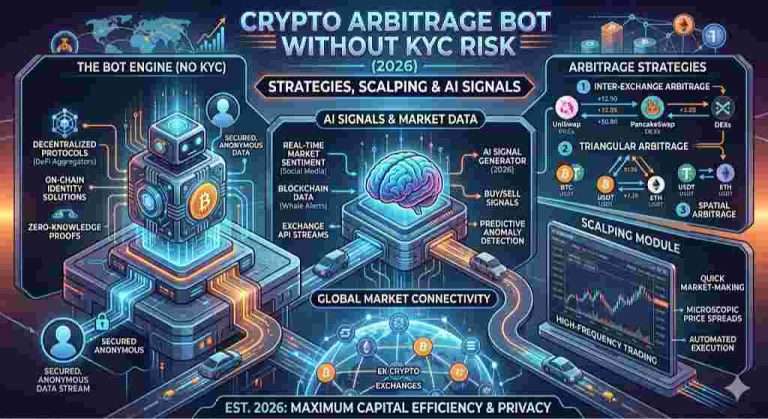
Modern AI Crypto Tools are powered by a combination of artificial intelligence technologies that allow systems to analyze blockchain data, understand financial information, automate decisions, and interact with decentralized networks.
The evolution of AI in crypto has moved through several technological stages:
Today’s AI blockchain tools combine multiple technologies rather than relying on a single model.
                 AI Crypto Technology Stack
                 User Applications
 Trading | Research | Security | Portfolio | DeFi
                         |
                    AI Agent Layer
 Autonomous Execution | Planning | Workflows
                         |
              Generative Intelligence Layer
          LLMs | RAG | NLP | Knowledge Systems
                         |
             Machine Learning Layer
 Deep Learning | Reinforcement Learning | Prediction
                         |
                 Data Intelligence Layer
 Blockchain Data | Market Data | Social Data
                         |
                 Blockchain Infrastructure
 Networks | Smart Contracts | Wallets
Machine learning is the foundation of many AI-powered crypto applications.
Machine learning enables computers to identify patterns from data without requiring every rule to be manually programmed.
In crypto environments, machine learning models analyze:
Supervised learning trains AI systems using historical examples.
The model learns relationships between:
Input:
Output:
Supervised learning is commonly used for:
Unsupervised learning discovers hidden patterns inside large datasets.
This is especially useful for blockchain analysis because networks contain millions of transactions.
Applications include:
Example:
An AI blockchain analytics system may discover:
“These 500 wallets are behaving similarly and accumulating the same asset.”
This information can support research and risk analysis.
Reinforcement learning allows AI systems to improve through experience.
The model learns by:
AI crypto systems may use reinforcement learning for:
Deep learning uses artificial neural networks to process complex patterns.
Compared with traditional machine learning, deep learning can analyze larger and more complicated datasets.
Neural networks can identify relationships between:
Applications include:
Cryptocurrency markets generate continuous time-based data.
Time-series AI models analyze:
Common applications:
Natural Language Processing allows AI systems to understand human language.
Crypto markets generate enormous amounts of text data:
NLP converts this information into structured intelligence.
Sentiment analysis evaluates market emotions.
AI systems classify information as:
Sources may include:
| NLP Function | Crypto Use Case |
|---|---|
| Text Analysis | Research summaries |
| Sentiment Detection | Market psychology |
| Entity Recognition | Project identification |
| Document Processing | Whitepaper analysis |
Large Language Models represent one of the biggest changes in AI crypto development.
LLMs can understand complex language and generate useful responses.
They power:
AI assistants help users interact with blockchain information using natural language.
Examples:
User question:
“What happened to this token today?”
AI system:
Developers use LLM-powered systems for:
Retrieval-Augmented Generation combines:
This is extremely valuable in crypto because information changes constantly.
              User Question
                    ↓
             AI Language Model
                    |
        -------------------------
        |                       |
 Blockchain Data          Research Database
        |                       |
        -------------------------
                    ↓
Context-Aware AnswerRAG helps solve several problems.
| Challenge | RAG Advantage |
|---|---|
| Outdated information | Uses current data |
| Limited model knowledge | Adds external sources |
| Complex research | Combines multiple documents |
| Accuracy concerns | Provides context |
Transformers are the architecture behind many modern AI systems.
They are powerful because they understand relationships between information elements.
Applications include:
Crypto involves interconnected information:
Example:
A token price movement may relate to:
Transformers can analyze relationships across different information sources.
Blockchain networks naturally form graphs.
A blockchain graph contains:
Graph Neural Networks analyze these connections.
 Wallet A
    |
Transaction
    |
 Wallet B -------- Smart Contract
    |
 Wallet C
        ↓
 Graph Neural Network Analysis
        ↓
Relationship IntelligenceGraph Neural Networks can support:
Although less common, computer vision can support crypto applications.
Potential uses:
AI agents combine multiple AI technologies into autonomous systems.
An AI agent can:
| Component | Function |
|---|---|
| AI Model | Reasoning |
| Memory | Context storage |
| Tools | External interaction |
| Planning System | Task management |
| Blockchain Access | Execution |
Future blockchain applications may use multiple specialized AI agents.
Example:
| Agent | Responsibility |
|---|---|
| Research Agent | Market analysis |
| Security Agent | Risk checking |
| Trading Agent | Strategy execution |
| Compliance Agent | Regulatory review |
Explainability is important because financial decisions require trust.
Explainable AI helps answer:
“Why did the AI generate this recommendation?”
Advanced AI systems also face limitations.
AI models require accurate and representative information.
Poor data can create:
Crypto markets change rapidly.
A model that performed well previously may become less effective.
Models may inherit problems from their training data.
Possible effects:
Attackers may attempt to manipulate:
Security must remain a priority.
The next generation of AI Crypto Tools will likely combine:
Key Takeaways: The intelligence behind AI Crypto Tools comes from multiple technologies:
- Machine learning enables pattern recognition
- Deep learning analyzes complex relationships
- NLP understands crypto information
- LLMs power intelligent assistants
- RAG provides real-time knowledge
- Transformers improve contextual understanding
- GNNs analyze blockchain networks
- AI agents enable autonomous execution
The future of cryptocurrency will increasingly depend on the combination of artificial intelligence models and decentralized infrastructure.

The adoption of AI Crypto Tools is expanding from experimental applications into practical financial, technical, and operational workflows.
Artificial intelligence is being integrated into almost every major area of the blockchain industry, including:
The biggest advantage of AI in crypto is its ability to transform large volumes of blockchain and market data into useful intelligence.
Trading remains one of the most visible applications of artificial intelligence in crypto.
AI trading systems analyze multiple data sources simultaneously:
The objective is to help traders make faster and more informed decisions.
              Market Information
 Price Data | Volume | Sentiment | On-Chain Data|
                     ↓
              AI Trading Engine
                     |
       --------------------------------
       |              |              |
  Pattern       Risk Analysis   Strategy
 Recognition                     Generation
       ↓
Automated Trading DecisionAI trading platforms can support multiple strategies.
| Strategy | AI Function | Output |
|---|---|---|
| Trend Trading | Detect market direction | Trading signals |
| Arbitrage | Compare markets | Opportunity detection |
| Grid Trading | Optimize orders | Automated execution |
| DCA | Improve timing | Purchase automation |
| Momentum Trading | Identify trends | Entry/exit signals |
AI trading signal platforms analyze:
Outputs may include:
Professional traders often combine AI signals with human judgment rather than relying on automated predictions alone.
Institutional traders use algorithmic systems to process market information at high speed.
AI can improve:
Decentralized finance creates one of the largest opportunities for AI integration.
DeFi protocols operate continuously and generate complex financial data.
AI helps users analyze and automate:
              DeFi Data
 Lending | Liquidity | Protocol Metrics
                    ↓
              AI Analysis Layer
                    |
     --------------------------------
     |              |               |
 Risk Engine   Optimization    Monitoring
                    ↓
          Automated DeFi Actions
AI systems can evaluate:
Possible outputs:
Liquidity providers face constantly changing conditions.
AI can monitor:
Risk management is becoming one of the most important institutional applications.
AI risk systems evaluate:
Outputs:
Crypto markets contain thousands of digital assets, making research increasingly difficult.
AI research tools help users analyze:
AI token analysis systems may evaluate:
| Research Area | AI Analysis |
|---|---|
| Tokenomics | Supply and distribution |
| Development | Code activity |
| Community | Sentiment analysis |
| Market | Trading behavior |
| Risk | Warning indicators |
Professional research teams can use AI for:
This reduces manual research time.
Portfolio management is another major application of AI in crypto.
AI portfolio tools help users understand:
              Investor Goals
                    ↓
            AI Portfolio Engine
                    |
 ---------------------------------
 |              |                |
Risk       Allocation      Monitoring
                    ↓
          Portfolio Recommendations
AI systems analyze:
to generate portfolio insights.
AI portfolio tools can monitor:
and suggest adjustments.
Fund managers use AI for:
Blockchain developers increasingly use AI tools throughout the smart contract lifecycle.
AI supports:
       Smart Contract Idea
              ↓
        AI Development Support
              |
 --------------------------------
 Coding | Testing | Security | Review
              ↓
Deployment and MonitoringDevelopers use AI assistants for:
AI auditing systems analyze:
Possible outputs:
AI can analyze blockchain code to identify:
Although NFT markets have changed significantly, AI continues to support NFT analysis.
Applications include:
AI systems can evaluate:
AI-powered wallets are becoming more advanced.
Future wallets may function as intelligent financial assistants.
AI wallets can detect:
Blockchain transactions are often difficult for beginners.
AI can translate technical actions into simple explanations.
Example:
Instead of:
“Contract interaction detected.”
AI explains:
“Your wallet exchanged Token A for Token B through a decentralized exchange.”
The blockchain ecosystem contains many networks.
AI cross-chain intelligence helps analyze:
| Area | AI Function |
|---|---|
| Asset Tracking | Follow movement across chains |
| Liquidity Analysis | Compare markets |
| Security Monitoring | Detect suspicious activity |
| Research | Understand ecosystem trends |
Decentralized Autonomous Organizations generate large amounts of governance information.
AI can assist with:
AI DAO tools can help communities:
Institutions require more than trading automation.
They focus on:
| Application | Institutional Benefit |
|---|---|
| Quantitative Trading | Data-driven strategies |
| Risk Analytics | Exposure monitoring |
| Treasury Management | Asset optimization |
| Market Surveillance | Activity monitoring |
| Research Automation | Faster analysis |
The future of AI crypto applications is moving toward complete workflow automation.
A future AI workflow may include:
AI integration provides several measurable advantages:
AI reduces manual analysis time.
AI can analyze millions of data points quickly.
AI systems operate continuously in 24/7 markets.
AI provides additional intelligence for human decision-makers.
Despite significant benefits, challenges remain.
AI predictions depend on data quality and market conditions.
Connected AI systems must protect:
AI-driven financial systems require responsible governance.
Key Takeaways: AI Crypto Tools are becoming practical solutions across the blockchain industry. The major applications include:
- Automated crypto trading
- AI DeFi optimization
- Token research
- Portfolio management
- Smart contract development
- Blockchain security
- NFT analytics
- Wallet intelligence
- Cross-chain analysis
- DAO automation
The future of crypto will increasingly involve AI systems that assist humans, automate workflows, and improve decision-making across decentralized ecosystems.
The adoption of AI Crypto Tools is expanding across multiple user groups because artificial intelligence solves different challenges for different participants in the blockchain ecosystem.
A beginner may use AI to understand cryptocurrency concepts.
A trader may use AI for market analysis and automation.
A fund manager may use AI for portfolio optimization and risk management.
A developer may use AI to build blockchain applications.
A regulator may use AI for monitoring and compliance.
The value of AI crypto platforms depends on the user’s objectives, technical knowledge, and operational requirements.
New cryptocurrency users often face challenges including:
AI crypto assistants can simplify complex information and provide educational support.
          Beginner Investor
                 ↓
          AI Crypto Assistant
                 ↓
 --------------------------------
 Education | Research | Risk | Portfolio
                 ↓
Better UnderstandingAI crypto assistants help beginners understand:
Instead of reading hundreds of pages of technical documentation, users can interact with AI systems conversationally.
Beginners can use AI tools to analyze:
AI portfolio tools help users monitor:
| Challenge | AI Solution |
|---|---|
| Complex information | Simple explanations |
| Too much market data | Automated summaries |
| Portfolio confusion | Performance analysis |
| Security concerns | Risk alerts |
Professional traders operate in highly competitive markets where speed, data analysis, and risk management are critical.
AI trading tools provide:
Professional traders use AI for:
Advanced traders use AI systems to monitor:
| Trading Need | AI Capability |
|---|---|
| Market Analysis | Pattern recognition |
| Strategy Development | Model testing |
| Execution | Automation |
| Risk Control | Exposure monitoring |
Institutional investors require advanced infrastructure rather than simple trading bots.
Their priorities include:
Fund managers use AI models for:
AI can analyze thousands of variables that would be difficult for human teams to process manually.
AI portfolio systems support:
Organizations holding digital assets use AI for:
| Institutional Function | AI Application |
|---|---|
| Investment Research | Market intelligence |
| Trading | Quantitative models |
| Risk | Exposure analysis |
| Treasury | Asset management |
| Compliance | Monitoring systems |
Developers represent one of the fastest-growing AI crypto user groups.
AI helps developers throughout the blockchain development lifecycle.
Developers use AI tools for:
AI can support:
Developers evaluate AI crypto platforms based on:
| Requirement | Importance |
|---|---|
| APIs | Application integration |
| SDKs | Faster development |
| Documentation | Implementation quality |
| Open Source | Customization |
| Deployment Options | Scalability |
Web3 startups use AI to accelerate product development and operations.
AI applications include:
Startups can build:
AI reduces operational complexity by automating:
Decentralized Autonomous Organizations generate large amounts of information.
AI can improve DAO operations through:
AI systems can:
DAO treasury systems can use AI to analyze:
AI crypto technologies create new opportunities for academic research.
Researchers study:
Academic researchers explore:
| Research Area | AI Crypto Application |
|---|---|
| Machine Learning | Market models |
| Blockchain Analytics | Network analysis |
| AI Agents | Autonomous systems |
| Security Research | Vulnerability detection |
| Governance | Responsible AI |
As AI adoption increases, regulators and compliance teams need better monitoring systems.
AI can support:
AI compliance systems can analyze:
Organizations need frameworks covering:
Different users prioritize different outcomes.
| Objective | Recommended AI Category |
|---|---|
| Learn Crypto | AI Assistants |
| Trade Automatically | AI Trading Bots |
| Research Projects | AI Research Tools |
| Manage Assets | AI Portfolio Tools |
| Build Applications | AI APIs and SDKs |
| Secure Contracts | AI Audit Tools |
| Analyze Blockchain | AI Analytics Platforms |
| Automate Web3 | AI Agents |
The same AI platform may be valuable to one group and unsuitable for another.
Focus on:
Focus on:
Focus on:
Focus on:
The future AI crypto ecosystem may include new categories of users:
In the future, AI Crypto Tools may not only assist humans but also enable intelligent systems to interact directly with blockchain networks.
Key Takeaways: AI Crypto Tools are valuable across the entire blockchain ecosystem:
- Beginners use AI for education and understanding
- Traders use AI for automation and analysis
- Institutions use AI for investment workflows
- Developers use AI for blockchain development
- Startups use AI for innovation
- DAOs use AI for governance
- Researchers use AI for academic exploration
- Regulators use AI for monitoring and compliance
The growth of AI crypto adoption will depend on creating tools that are secure, transparent, accessible, and useful for different user groups.

The rapid growth of AI Crypto Tools has created new opportunities for automation, analysis, and intelligent decision-making. However, using artificial intelligence in financial and blockchain environments requires careful evaluation of security, reliability, transparency, and risk management.
AI can improve crypto operations, but it should be viewed as a decision-support technology rather than a guaranteed replacement for human judgment.
A responsible approach requires understanding:
Security is one of the most important factors when selecting an AI crypto platform.
Because these systems may interact with:
users must evaluate security architecture before adoption.
                 AI Crypto Security
                        ↓
 ------------------------------------------------
 |              |              |                |
API Security  Wallet       Data Privacy   Smart Contract
              Protection                  Security
                        ↓
Responsible AI UsageMany AI trading platforms connect with exchanges through APIs.
API access allows systems to:
However, poor API management can create security risks.
Users should consider:
| Permission Type | Risk Level | Recommendation |
|---|---|---|
| Read-only access | Low | Suitable for analytics |
| Trading access | Medium | Requires monitoring |
| Withdrawal access | High | Avoid unless necessary |
AI wallet assistants and Web3 applications often require wallet connections.
Users should understand:
AI crypto platforms can be divided into two major models.
The platform manages user assets.
Advantages:
Risks:
Users maintain control of their assets.
Advantages:
Risks:
| Feature | Custodial | Non-Custodial |
|---|---|---|
| Asset Control | Platform | User |
| Convenience | Higher | Lower |
| Responsibility | Provider | User |
| Security Model | Centralized | User-controlled |
AI-powered DeFi tools often interact with smart contracts.
Potential risks include:
AI security tools can help analyze:
Possible outputs:
However, AI auditing should complement professional security reviews rather than replace them entirely.
AI systems process large amounts of information.
Important privacy considerations include:
Professional AI crypto platforms should provide:
When properly implemented, AI crypto platforms provide several advantages.
AI can process large volumes of information quickly.
Instead of manually reviewing:
AI systems can organize information into actionable insights.
Cryptocurrency markets operate continuously.
AI systems provide:
AI risk systems help identify:
AI crypto research tools can analyze:
This helps users perform faster due diligence.
Organizations use AI to automate:
| Benefit | Practical Impact |
|---|---|
| Automation | Reduces manual work |
| Data Analysis | Processes large datasets |
| Monitoring | Provides continuous oversight |
| Research | Speeds information discovery |
| Risk Management | Improves awareness |
Despite their advantages, AI systems have important limitations.
Large language models may generate incorrect information.
Possible problems:
Users should verify important information.
AI models trained on historical data may perform poorly when market conditions change.
Crypto markets frequently experience:
AI cannot eliminate market uncertainty.
Factors outside AI models include:
AI performance depends on data quality.
Problems may occur because of:
AI crypto systems may face:
AI-powered financial systems create new regulatory questions.
Important areas include:
Users often make mistakes when adopting AI platforms.
AI provides analysis, not certainty.
Good practice:
Use AI insights together with:
Automation can increase speed, but excessive risk exposure can amplify losses.
Users should not overlook:
Before using an AI crypto platform, evaluate:
Selecting the right AI crypto platform requires a structured approach.
              Define Objective
                    ↓
           Evaluate AI Capability
                    ↓
             Check Security
                    ↓
        Compare Features and Cost
                    ↓
Test and MonitorFirst determine your objective.
Examples:
Consider:
Check:
Important factors:
Evaluate:
The cheapest tool is not always the most effective.
Strong platforms usually provide:
Before selecting a platform, users should review:
| Category | Questions |
|---|---|
| Purpose | Does it solve my problem? |
| AI Capability | Is AI genuinely integrated? |
| Security | Are assets protected? |
| Transparency | Can outputs be explained? |
| Cost | Is value justified? |
| Integration | Does it connect with my ecosystem? |
The best results come from combining:
AI should enhance decision-making rather than replace responsible financial evaluation.
Key Takeaways: Using AI Crypto Tools successfully requires understanding both opportunities and risks. Important considerations include:
The future of AI in crypto depends not only on innovation but also on security, transparency, and responsible adoption.
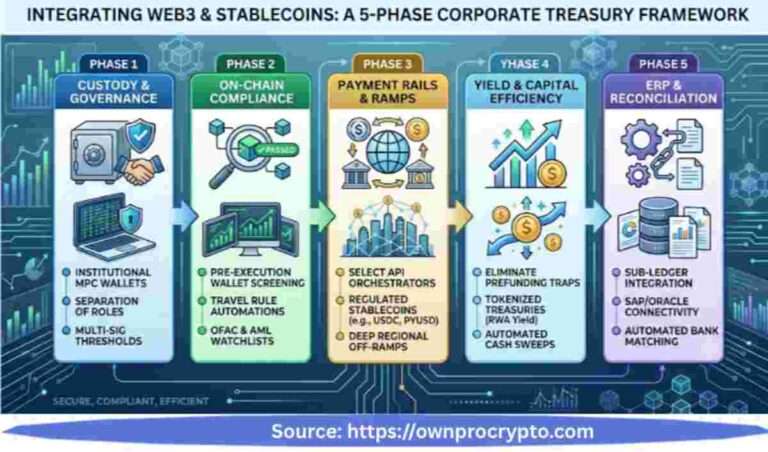
The future of AI Crypto Tools will not be defined only by consumer applications such as trading bots or analytics dashboards.
The next stage of AI blockchain development will depend on infrastructure.
Developers will build intelligent decentralized applications.
Institutions will integrate AI into investment and risk workflows.
Regulators will establish frameworks for transparency, security, and responsible adoption.
The AI crypto ecosystem is moving from individual tools toward complete intelligent financial infrastructure.
Blockchain developers increasingly need AI capabilities to create advanced Web3 applications.
Modern AI crypto development requires understanding:
                 AI Crypto Application
                        ↓
 ------------------------------------------------
 |                |                |
AI Layer     Blockchain Layer   Data Layer
 |                |                |
Models       Smart Contracts   Market Data
                        ↓
                  User Experience
APIs allow developers to connect AI systems with blockchain applications.
AI crypto APIs can provide access to:
Developers use APIs for:
| Function | Application |
|---|---|
| Market Data API | Price analysis |
| Blockchain API | On-chain intelligence |
| Trading API | Automated execution |
| AI Model API | Intelligent features |
| Security API | Risk detection |
Software Development Kits simplify the creation of AI-powered applications.
SDKs help developers:
A complete AI blockchain SDK may support:
The combination of AI and smart contracts creates new possibilities.
Smart contracts provide:
AI provides:
Together they create intelligent blockchain applications.
          External Data
               ↓
          AI Analysis
               ↓
       Smart Contract Logic
               ↓
Blockchain ExecutionFuture smart contracts may include:
AI agents represent one of the fastest-growing areas in blockchain innovation.
Unlike traditional automation, AI agents can:
| Component | Purpose |
|---|---|
| Reasoning Model | Decision-making |
| Memory System | Context retention |
| Tools | External interaction |
| Blockchain Access | Transaction execution |
| Monitoring | Continuous improvement |
Developers often choose between open-source and commercial AI solutions.
| Factor | Open Source | Commercial |
|---|---|---|
| Customization | High | Limited |
| Cost | Lower | Subscription-based |
| Support | Community | Professional |
| Transparency | Higher | Depends on provider |
| Deployment Control | Greater | Provider controlled |
AI crypto systems can be deployed in different environments.
Advantages:
Advantages:
Decentralized AI aims to distribute:
This aligns with Web3 principles of transparency and user ownership.
Institutional adoption requires more advanced capabilities than retail applications.
Organizations focus on:
Institutional traders use AI for:
AI systems can process large datasets and identify patterns across multiple markets.
Fund managers use AI to evaluate:
| Area | AI Function |
|---|---|
| Trading | Strategy development |
| Research | Market intelligence |
| Risk | Exposure analysis |
| Treasury | Asset management |
| Reporting | Automated insights |
AI monitoring systems help institutions detect:
AI risk engines evaluate:
As AI becomes integrated with financial systems, regulatory considerations become increasingly important.
Responsible adoption requires attention to:
AI governance defines how organizations manage:
| Principle | Meaning |
|---|---|
| Transparency | Explain AI decisions |
| Accountability | Define responsibility |
| Security | Protect systems |
| Fairness | Reduce bias |
| Privacy | Protect information |
AI can support compliance processes by analyzing:
Potential applications:
AI crypto systems must consider:
Organizations using AI crypto solutions should evaluate:
Financial systems require trust.
Users and regulators need answers to:
“Why did the AI make this recommendation?”
Explainable AI helps provide:
Despite rapid innovation, several challenges remain.
AI systems require:
High-quality blockchain data is essential for reliable AI outputs.
Challenges include:
AI systems must defend against:
Emerging opportunities include:
Institutions may increasingly use AI for:
Future regulatory frameworks may focus on:
Key Takeaways: AI Crypto Tools are evolving into complete technology ecosystems.
For developers:
- APIs
- SDKs
- AI agents
- smart contract integration
create new development opportunities. For institutions:
- trading intelligence
- risk analytics
- portfolio optimization
create operational advantages. For regulators:
- governance
- transparency
- compliance
will determine responsible adoption.
The future of AI and blockchain depends on balancing innovation with security, accountability, and trust.

The relationship between artificial intelligence and blockchain is entering a new phase.
Early crypto applications focused primarily on:
The next generation will focus on intelligent systems capable of:
The future of AI Crypto Tools will likely move from simple assistance toward autonomous intelligence.
The AI crypto industry currently consists of multiple technology categories:
                 AI Crypto Ecosystem
                       ↓
 ------------------------------------------------
 |          |          |          |             |
Trading  Analytics  Security  Agents   Infrastructure
                       ↓
Intelligent Blockchain EconomyEnterprise adoption is moving beyond experimentation.
Organizations are exploring AI crypto applications for:
Large organizations increasingly require AI systems that can analyze:
Institutions use AI risk engines to evaluate:
Companies may use AI for:
One of the biggest future trends is the development of autonomous AI agents.
Unlike traditional software, AI agents can:
          User Objective
                ↓
          AI Agent Brain
                ↓
 --------------------------------
 Research | Analysis | Planning
                ↓
       Blockchain Interaction
                ↓
Completed TaskFuture AI agents may help users:
Autonomous DeFi agents could:
Research agents may:
Model Context Protocol (MCP)-style architectures represent a new approach for connecting AI models with external tools and data sources.
In crypto environments, this concept can enable AI systems to interact with:
Future systems may allow AI agents to:
The future of decentralized finance may involve protocols that use AI directly.
Potential applications include:
AI systems may continuously evaluate:
Future AI-powered DeFi systems may automate:
Decentralized AI combines blockchain principles with artificial intelligence.
The objective is creating AI systems with:
| Category | Centralized AI | Decentralized AI |
|---|---|---|
| Control | Single organization | Distributed network |
| Data Ownership | Provider controlled | Community oriented |
| Transparency | Limited | Potentially higher |
| Infrastructure | Central servers | Distributed resources |
A major future development is bringing AI computation closer to blockchain environments.
On-chain AI could support:
Major challenges include:
As DAOs become more complex, AI governance systems may become increasingly important.
AI could support:
Potential benefits include:
A future possibility is an ecosystem where AI agents interact directly.
Examples:
An AI research agent communicates with:
Together they complete complex workflows.
 Research Agent
        ↓
 Trading Agent ---- Security Agent
        ↓
 Compliance Agent
        ↓
Autonomous WorkflowThe AI crypto ecosystem will likely contain both models.
Advantages:
Advantages:
Future opportunities may emerge in:
Creating intelligent systems for:
Growing demand for:
New applications may include:
Developers will need:
Future growth depends on solving several issues.
Users need confidence that AI decisions are understandable.
Governments will need frameworks addressing:
AI systems connected to financial networks require strong protection.
Reliable AI requires:
The next phase of development may include:
Users may interact with AI systems that manage complex blockchain tasks.
Professional organizations may integrate AI into:
Future Web3 applications may be designed specifically around AI capabilities.
Blockchain networks may support new AI ownership models.
The most successful systems will likely combine:
The future leaders in AI crypto will likely demonstrate:
| Factor | Importance |
|---|---|
| AI Capability | Intelligent outputs |
| Security | User protection |
| Transparency | Trust building |
| Scalability | Enterprise readiness |
| Integration | Ecosystem compatibility |
| Governance | Responsible adoption |
Key Takeaways: The future of AI Crypto Tools extends beyond trading automation. The next generation will include:
- Autonomous AI agents
- AI-powered DeFi systems
- Decentralized intelligence networks
- Enterprise blockchain automation
- AI governance solutions
- Intelligent Web3 infrastructure
AI and blockchain together represent a shift toward more automated, intelligent, and interconnected digital economies.
The evolution of AI Crypto Tools represents one of the most important developments in the modern blockchain industry.
Artificial intelligence is transforming cryptocurrency from a primarily manual ecosystem into a more intelligent, automated, and data-driven environment.
Today, AI crypto platforms help users with:
However, the most successful adoption will not come from replacing human expertise.
The future will depend on combining:
Users should evaluate platforms based on:
For beginners, AI Crypto Tools provide education and simplified access.
For traders, they provide automation and market intelligence.
For institutions, they provide advanced analytics and risk management.
For developers, they create new opportunities for intelligent blockchain applications.
For researchers and regulators, they represent an emerging field requiring careful study and responsible governance.
The next generation of blockchain innovation will not simply be decentralized.
It will be intelligent, adaptive, and increasingly powered by artificial intelligence.
The organizations and individuals that understand how to combine AI capabilities with blockchain technology will be best positioned to participate in the future digital economy.
AI Crypto Software • AI Powered Crypto Tools • Artificial Intelligence Crypto Tools
Discover the best AI crypto tools for portfolio management, trading intelligence, blockchain analytics, security, research automation, and Web3 AI agents. Compare AI-powered crypto software that helps investors analyze markets, automate decisions, detect risks, and build smarter digital asset strategies.
These are authoritative, non-competing references that strengthen topical authority: NIST Blockchain Research — Government guidance on blockchain architecture, security, and digital asset infrastructure. OWASP Smart Contract Security — Industry best practices for smart contract security, threat modeling, and vulnerability assessment.
Best AI Crypto Tools
The adoption of AI Crypto Tools has created many questions among investors, developers, researchers, institutions, and regulators.
From automated crypto trading and AI market prediction to blockchain security and autonomous agents, users want to understand how artificial intelligence is changing the cryptocurrency industry.
The following FAQ section answers the most common questions across different user categories.
Q: What are AI Crypto Tools?
AI Crypto Tools are software platforms that use artificial intelligence technologies to analyze cryptocurrency markets, blockchain data, digital assets, and Web3 applications.
They combine technologies such as machine learning, large language models, natural language processing, and AI agents to provide insights, automation, and decision support.
Q: How do AI Crypto Tools work?
AI Crypto Tools collect and analyze different types of information, including:
AI models process this information and generate outputs such as:
Q: Are AI Crypto Tools safe?
AI Crypto Tools can be safe when users select reputable platforms and follow security best practices.
Important safety considerations include:
AI should support decision-making, not replace responsible risk management.
Q: Can AI predict cryptocurrency prices?
AI can analyze historical patterns and market information to estimate possible scenarios, but it cannot accurately predict future cryptocurrency prices with certainty.
Crypto markets are influenced by many unpredictable factors, including:
Q: Is AI trading profitable?
AI trading may improve efficiency and decision-making, but profitability is never guaranteed.
Results depend on:
Q: Can beginners use AI Crypto Tools?
Yes. Many AI crypto platforms are designed for beginners and provide:
Q: Which AI trading bot is best?
The best AI trading bot depends on user requirements.
Important evaluation factors include:
Q: Can AI automate crypto trading?
Yes. AI trading systems can automate activities such as:
Q: Which AI bot supports Binance?
Many AI trading platforms integrate with major cryptocurrency exchanges through APIs.
Users should verify:
before connecting accounts.
Q: Which AI bot supports Bybit?
Some AI trading platforms support Bybit integration through exchange APIs.
Before using any platform, users should review:
Q: Can AI trade cryptocurrency 24/7?
Yes. AI systems can monitor cryptocurrency markets continuously because blockchain markets operate around the clock.
Q: What are AI trading signals?
AI trading signals are recommendations generated by artificial intelligence models after analyzing market information.
They may include:
Q: What is algorithmic crypto trading?
Algorithmic crypto trading uses computer-based rules and models to execute trading strategies automatically.
AI improves traditional algorithms by allowing systems to learn from data and identify patterns.
Q: Which AI crypto analysis tool is best?
The best AI crypto analysis tool depends on the user’s objective.
Investors may prefer:
Q: Which AI predicts Bitcoin?
AI systems can analyze Bitcoin data using:
However, no AI model can guarantee Bitcoin price predictions.
Q: Can AI analyze on-chain data?
Yes. AI blockchain analytics platforms can analyze:
Q: Which AI tracks whale wallets?
AI whale tracking systems monitor large blockchain transactions and wallet movements.
They help identify:
Q: Can AI monitor market sentiment?
Yes. AI sentiment analysis uses natural language processing to evaluate:
Q: What is AI token analysis?
AI token analysis evaluates cryptocurrency projects using data such as:
Q: Can AI audit smart contracts?
Yes. AI smart contract auditing tools can analyze blockchain code for potential issues.
They may identify:
Q: Which AI tools detect smart contract vulnerabilities?
AI security platforms analyze smart contracts using automated code review and pattern recognition.
Professional audits may still be required for high-value applications.
Q: Can AI detect crypto scams?
AI can help identify suspicious patterns such as:
However, users should combine AI analysis with independent research.
Q: Can AI detect rug pulls?
AI security systems may identify warning signs associated with risky projects, including:
Q: Are AI security tools enough for blockchain protection?
AI security tools are valuable but should be combined with:
Q: What are AI agents in crypto?
AI agents are autonomous software systems that can analyze information, make decisions, use tools, and complete tasks.
Q: How do autonomous crypto AI agents work?
AI agents typically combine:
They can perform multi-step workflows.
Q: What are AI Web3 Tools?
AI Web3 Tools combine artificial intelligence with decentralized technologies.
Examples include:
Q: What is decentralized AI?
Decentralized AI refers to AI systems where ownership, computing resources, or governance are distributed across networks.
Q: Which blockchain supports AI applications?
Many blockchain ecosystems support AI-related applications through:
The best choice depends on the application requirements.
Q: Can AI manage a crypto portfolio automatically?
Some AI portfolio tools can automate:
Users should still maintain oversight.
Q: What is AI portfolio management?
AI portfolio management uses artificial intelligence to analyze investments and support decisions related to:
Q: Are AI portfolio tools useful for institutions?
Yes. Institutions use AI for:
Q: Can AI improve crypto risk management?
AI can identify patterns and provide risk insights by analyzing:
Q: Can developers build applications using AI Crypto Tools?
Yes. Developers can use:
to create intelligent Web3 applications.
Q: What APIs are used in AI crypto development?
Common APIs provide access to:
Q: What are AI crypto SDKs?
AI crypto SDKs are developer tools that simplify integration between artificial intelligence and blockchain applications.
Q: Can AI generate smart contracts?
AI can assist developers with:
Human review remains important.
Q: What is RAG in AI crypto applications?
Retrieval-Augmented Generation combines AI language models with external information sources to provide more accurate and current responses.
Q: How do fund managers use AI Crypto Tools?
Fund managers use AI for:
Q: How can regulators use AI in crypto?
Regulators can use AI for:
Q: What is responsible AI in crypto?
Responsible AI focuses on:
Q: What are the biggest challenges of AI crypto adoption?
Major challenges include:
Q: What is the future of AI Crypto Tools?
The future is expected to include: