
Search by title, topic or phrase
Use our Crypto Search Engine 🔍 to find the topics and keywords you're looking for.
Crypto Research → DeFi Analysis → Protocol Evaluation → Risk Management → Investment Framework
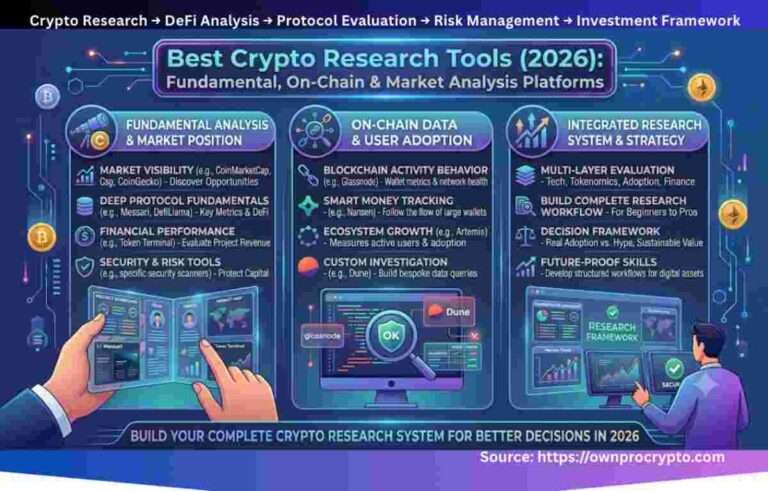
Table of Contents
ToggleThe cryptocurrency market has evolved far beyond simply buying Bitcoin or following social media trends. Today’s digital asset ecosystem includes thousands of cryptocurrencies, decentralized finance (DeFi) protocols, Layer 1 and Layer 2 blockchains, Real World Asset (RWA) projects, AI-powered tokens, GameFi platforms, and rapidly expanding Web3 applications. With so many opportunities—and just as many risks—leveraging the best crypto research tools to build a structured evaluation workflow is the single most effective way to separate sustainable value from market hype.
Professional investors rarely rely on a single chart, influencer, or news headline before making an investment decision. Instead, they combine multiple data sources to understand a project’s fundamentals, evaluate on-chain activity, analyze tokenomics, review security risks, monitor developer progress, and assess broader market conditions. This disciplined approach helps separate sustainable projects from speculative hype.
Fortunately, blockchain technology makes much of this research possible. Because public blockchains are transparent by design, anyone can analyze wallet activity, transaction history, protocol revenue, Total Value Locked (TVL), token distribution, governance participation, and developer ecosystems using specialized crypto research platforms. These insights were once available only to institutional investors, but today they are accessible to anyone with the right tools.
The challenge is not a lack of information—it is information overload.
Hundreds of analytics platforms, market intelligence dashboards, blockchain explorers, portfolio trackers, security scanners, and token analysis tools compete for attention. Some focus on price and market capitalization, while others specialize in smart contract security, wallet intelligence, DeFi analytics, protocol valuation, or blockchain adoption metrics. Choosing the right platform depends entirely on the type of research you want to perform.
This guide simplifies that process.
Instead of presenting another generic list of websites, this article explains how professional crypto research works and introduces the best platforms for every stage of the investment process. You’ll learn which tools are best for discovering new projects, evaluating tokenomics, analyzing blockchain activity, monitoring smart money, researching decentralized finance, assessing security risks, and performing comprehensive crypto due diligence.
Whether you’re a beginner buying your first cryptocurrency, an active trader monitoring on-chain signals, a DeFi investor comparing protocols, or a long-term researcher building a diversified portfolio, this guide will help you create a practical research workflow using the industry’s most trusted platforms.
By the end of this guide, you’ll understand not only which are the best crypto research tools in 2026, but also how to combine them into a complete framework for smarter, more informed investment decisions.
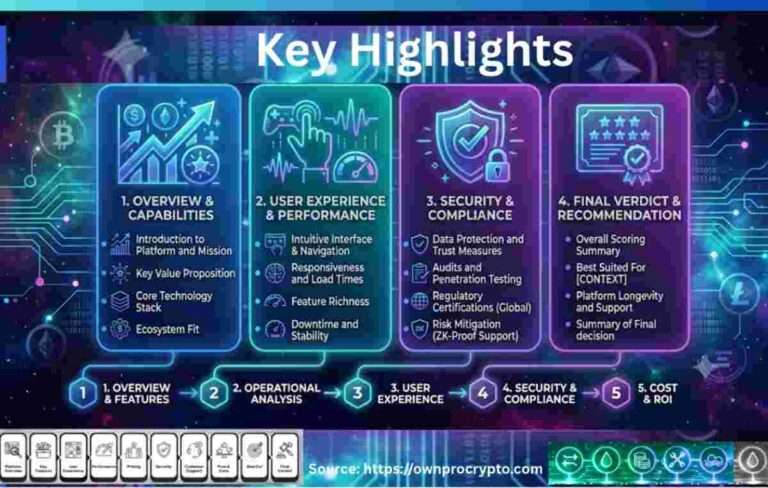
Crypto research tools are software platforms and blockchain intelligence services that help investors collect, analyze, and interpret data about cryptocurrencies, blockchain networks, decentralized applications (dApps), tokens, and digital asset markets.
Rather than relying on speculation or social media discussions, best crypto research tools provide measurable insights based on publicly available blockchain data, market information, protocol fundamentals, developer activity, and ecosystem performance.
Depending on their specialization, crypto research platforms can help answer questions such as:
Instead of replacing critical thinking, these tools provide the evidence needed to make more informed investment decisions.
The crypto industry continues to mature, but it also remains one of the fastest-moving sectors in finance.
New projects launch daily, narratives change quickly, and market sentiment can shift within hours. While innovation creates opportunities, it also introduces significant risks, including fraudulent projects, unsustainable tokenomics, security vulnerabilities, and speculative hype cycles.
Proper research helps investors distinguish between projects with long-term potential and those driven primarily by short-term excitement.
A structured research process can improve your ability to:
Research cannot eliminate market risk, but it can reduce reliance on emotion and unsupported assumptions.
No single platform provides every answer.
Professional investors typically combine several categories of tools, with each one serving a specific purpose within the research process.
| Research Category | Primary Purpose | Example Insights |
|---|---|---|
| Market Data Platforms | Track prices, volume, rankings, and market capitalization | Market trends, liquidity, token performance |
| On-Chain Analytics Tools | Analyze blockchain transactions and wallet behavior | Whale activity, exchange flows, holder trends |
| DeFi Analytics Platforms | Measure protocol growth and ecosystem health | TVL, yield, protocol rankings, chain activity |
| Fundamental Research Platforms | Evaluate protocol economics and financial performance | Revenue, fees, valuation, growth metrics |
| Security & Risk Analysis Tools | Detect smart contract risks and potential scams | Contract audits, token risks, wallet safety |
| Blockchain Explorers | Verify transactions and smart contract activity | Transfers, wallet history, token holders |
| Portfolio Research Tools | Monitor wallets and investment performance | Asset allocation, historical performance |
| Developer & Ecosystem Research | Assess project development and community growth | GitHub activity, governance, ecosystem expansion |
Each category answers a different research question, and together they create a much more complete picture of a project’s overall health.
One of the biggest mistakes new investors make is assuming there is a single “best” crypto research platform.
In reality, different tools specialize in different types of analysis.
For example:
Professional research is built by combining these perspectives best crypto research tools rather than depending on one dashboard.
Throughout this guide, we’ll compare the industry’s leading platforms, explain where each one excels, discuss their limitations, and show you how they fit into a complete crypto research workflow that can be applied to virtually any blockchain project.
Continue Your Crypto Research Journey
For deeper analysis with best crypto research tools, explore these related guides:
Choosing the best crypto research tool isn’t about finding one platform that does everything. Modern crypto investing requires different types of analysis, from market research and fundamental evaluation to blockchain analytics, on-chain metrics, and due diligence.
For example, a trader monitoring Bitcoin liquidity needs different data than a DeFi investor evaluating protocol revenue or an analyst researching Layer 2 adoption. That’s why professional investors rarely rely on a single platform.
Instead, they combine specialized crypto analysis tools that answer different questions throughout the investment process.
The comparison below highlights the leading crypto research tools based on their strengths, ideal use cases, pricing model, and research capabilities.
| Tool | Best For | Free Plan | Premium | Difficulty | Overall Rating |
|---|---|---|---|---|---|
| CoinGecko | Market research & discovery | ✅ | Limited Premium | ⭐ Easy | ⭐⭐⭐⭐⭐ |
| CoinMarketCap | Market data & exchange analysis | ✅ | Limited Premium | ⭐ Easy | ⭐⭐⭐⭐☆ |
| Messari | Fundamental crypto analysis | Limited | ✅ | ⭐⭐⭐ | ⭐⭐⭐⭐⭐ |
| Glassnode | On-chain analysis | Limited | ✅ | ⭐⭐⭐⭐ | ⭐⭐⭐⭐⭐ |
| Nansen | Wallet intelligence & smart money | ❌ Trial | ✅ | ⭐⭐⭐⭐ | ⭐⭐⭐⭐⭐ |
| Dune | Custom blockchain analytics | ✅ | Team Plans | ⭐⭐⭐⭐ | ⭐⭐⭐⭐☆ |
| DefiLlama | DeFi market research | ✅ | Mostly Free | ⭐⭐ | ⭐⭐⭐⭐⭐ |
| Token Terminal | Protocol revenue analysis | Limited | ✅ | ⭐⭐⭐ | ⭐⭐⭐⭐☆ |
| Artemis | Blockchain ecosystem analytics | Limited | ✅ | ⭐⭐⭐ | ⭐⭐⭐⭐☆ |
The answer depends on the question you’re trying to solve.
| If You Want To… | Best Tool |
|---|---|
| Discover new cryptocurrencies | CoinGecko |
| Compare market capitalization and rankings | CoinMarketCap |
| Perform fundamental crypto analysis | Messari |
| Analyze blockchain activity | Glassnode |
| Track whale wallets and smart money | Nansen |
| Build custom blockchain dashboards | Dune |
| Research DeFi protocols | DefiLlama |
| Compare protocol revenue and valuation | Token Terminal |
| Study blockchain adoption and ecosystem growth | Artemis |
Rather than replacing each other, these platforms complement one another. A complete crypto due diligence process typically combines several tools to validate different aspects of a project before an investment decision is made.
New Crypto Project↓Market Research & Discovery (CoinGecko / CoinMarketCap)↓Fundamental Crypto Analysis (Messari)↓On-Chain Analysis & Wallet Data (Glassnode + Nansen + Dune)↓DeFi & Blockchain Analytics (DefiLlama + Artemis + Token Terminal)↓Crypto Due Diligence Check (Security • Tokenomics • Revenue • Adoption)↓Investment Decision
The best crypto research platforms do more than display prices. They help investors understand why a project is growing, whether the adoption is genuine, and if the underlying fundamentals support long-term value.
When comparing crypto analysis tools, consider these factors:
No single platform scores highest in every category. Instead, the strongest research workflow combines multiple specialized tools, allowing investors to validate projects from different perspectives before allocating capital.
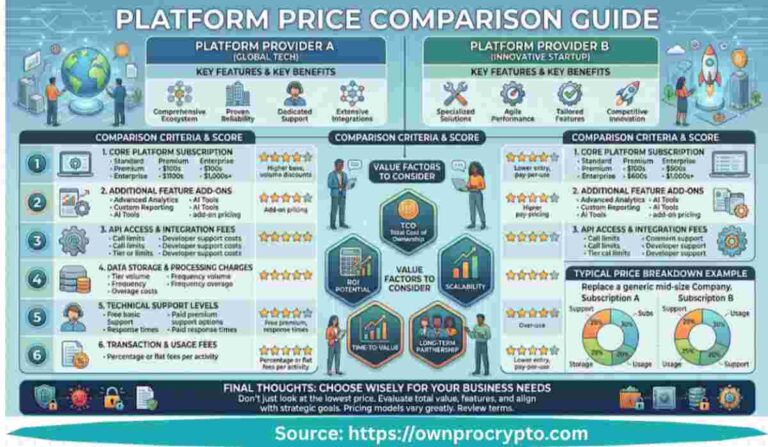
One of the biggest misconceptions is that effective crypto research requires expensive subscriptions. While premium platforms offer advanced analytics, many investors can build a reliable research workflow using free tools and only upgrade when they need deeper insights.
The right choice depends on your research goals. Beginners often need market data and project discovery, while professional analysts benefit from advanced on-chain metrics, wallet intelligence, and institutional-grade financial analysis.
The table below compares the general pricing model of the most popular crypto research platforms with best crypto research tools.
| Tool | Free Version | Paid Plans | Best For |
|---|---|---|---|
| CoinGecko | ✅ Extensive | Premium available | Market research & discovery |
| CoinMarketCap | ✅ Extensive | Premium available | Market tracking |
| Messari | Limited | Professional plans | Fundamental research |
| Glassnode | Limited | Advanced analytics | On-chain analysis |
| Nansen | Trial / Limited | Premium | Wallet intelligence |
| Dune | ✅ Community | Team & Enterprise | Blockchain analytics |
| DefiLlama | ✅ Mostly Free | Enterprise services | DeFi research |
| Token Terminal | Limited | Professional plans | Financial analysis |
| Artemis | Limited | Premium | Ecosystem analytics |
For many retail investors, free versions provide enough information to understand a project’s fundamentals, compare market performance, and conduct basic due diligence. Premium subscriptions become valuable when you need historical datasets, advanced dashboards, custom alerts, API access, or institutional research capabilities.
Research Needs

        Beginner
            ↓
 Free Market Tools
(Ownprocrypto • CoinGecko • CoinMarketCap)
            ↓
 Add Specialized Free Tools
 (DefiLlama • Dune)
            ↓
 Advanced Research
(Messari • Glassnode)
            ↓
 Professional Analysis
(Nansen • Token Terminal • Artemis)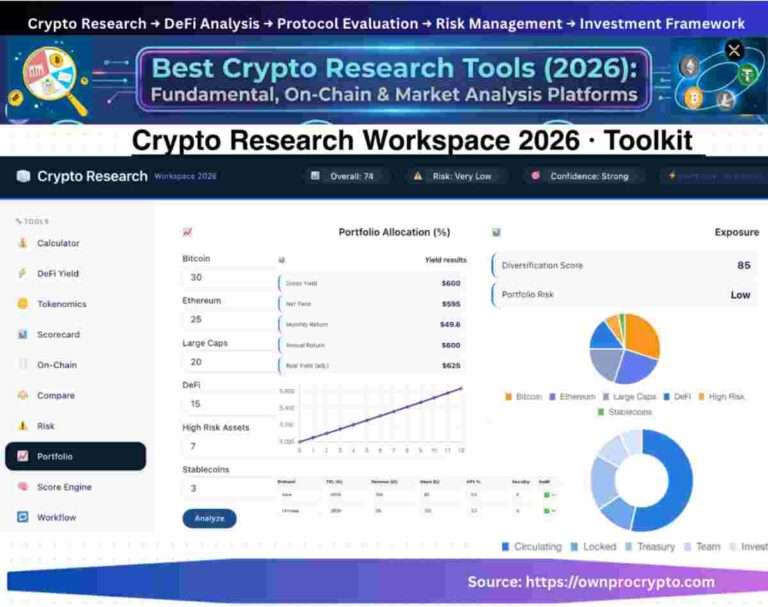
You don’t always need expensive software to perform structured crypto research. In addition to the platforms above, we’ve built several free browser-based research tools that help investors organize their analysis, compare projects, and make more informed decisions without creating an account or sharing personal data.
Unlike subscription-based platforms, our tools are designed as educational research workspaces. Everything runs locally in your browser, giving you complete control over your research process.
Current free tools include:
Your research notes, scores, and checklists remain stored locally in your browser, making them suitable for investors who value privacy while building their own crypto due diligence workflow.
Premium subscriptions are most valuable for users who research cryptocurrencies regularly, manage larger portfolios, or require institutional-quality datasets.
If you’re a casual investor, combining free platforms with structured research methods is often enough to evaluate most projects.
However, analysts, content creators, professional traders, and investment firms may benefit from premium features such as:
The best approach is to start with free resources, identify the gaps in your workflow, and only pay for tools that solve a specific research problem rather than subscribing to multiple platforms with overlapping features. This strategy keeps research costs under control while ensuring access to the data that matters most.

No crypto research platform excels in every category. Some specialize in market data, others focus on blockchain analytics, while a few are designed for institutional-grade due diligence and financial analysis.
The key is understanding what each tool does best and where it fits into your research workflow. Most experienced investors combine two or more platforms rather than relying on a single source of information.
Below is a practical overview of the leading and best crypto research tools used by traders, long-term investors, DeFi users, analysts, and institutions.
| Tool | Primary Strength | Best For | Main Limitation |
|---|---|---|---|
| CoinGecko | Market discovery & token data | Beginners, investors | Limited advanced analytics |
| CoinMarketCap | Market rankings & exchange data | Price research | Less fundamental analysis |
| Messari | Fundamental crypto analysis | Due diligence | Premium features can be expensive |
| Glassnode | On-chain metrics | Market cycle analysis | Learning curve for beginners |
| Nansen | Wallet intelligence | Smart money tracking | Premium pricing |
| Dune | Custom blockchain analytics | Researchers & analysts | Requires SQL for advanced dashboards |
| DefiLlama | DeFi market research | TVL & protocol comparison | Limited non-DeFi coverage |
| Token Terminal | Financial analysis | Revenue & valuation | Focused mainly on established protocols |
| Artemis | Ecosystem analytics | Layer 1 & Layer 2 research | Smaller feature set than larger platforms |
CoinGecko is one of the best starting points for crypto market research. It tracks thousands of cryptocurrencies, exchanges, market capitalization, trading volume, and ecosystem categories. Beginners appreciate its simple interface, while experienced investors use it to discover new sectors, compare projects, and monitor market trends before conducting deeper analysis elsewhere.
Best for: Market discovery, token screening, beginners.
CoinMarketCap remains one of the largest cryptocurrency databases and is widely used for checking prices, rankings, historical performance, exchange listings, and circulating supply. It is particularly useful for validating market data and comparing projects across different sectors.
Best for: Market data, rankings, exchange research.
Messari focuses on fundamental crypto analysis rather than price charts. Its reports, project profiles, governance information, tokenomics, and industry research make it one of the strongest platforms for crypto due diligence. Investors researching long-term projects often use Messari before making investment decisions.
Best for: Fundamental analysis, tokenomics, project research.
Glassnode specializes in on-chain analysis by transforming blockchain transactions into understandable metrics. Investors use it to study exchange flows, long-term holder behavior, realized profits, network activity, and market cycles. It is particularly valuable for understanding what is happening beneath price movements.
Best for: On-chain analytics, Bitcoin and Ethereum market analysis.
Nansen brings blockchain analytics to the wallet level. Instead of looking only at network activity, it identifies smart money wallets, institutional movements, and whale transactions. This allows investors to monitor how experienced market participants position themselves before major trends develop.
Best for: Wallet intelligence, whale tracking, institutional activity.
Dune gives researchers the ability to build custom blockchain dashboards using publicly available blockchain data. Instead of relying on predefined metrics, analysts can investigate specific protocols, ecosystems, or user behavior through community-created and custom queries.
Best for: Blockchain analytics, custom research, protocol investigation.
DefiLlama has become the standard platform for DeFi market research. It tracks Total Value Locked (TVL), protocol growth, stablecoins, yields, bridges, and blockchain ecosystems. Anyone researching decentralized finance will likely use DefiLlama as part of their workflow.
Best for: DeFi analytics, protocol comparison, ecosystem monitoring.
Token Terminal evaluates crypto projects using financial metrics similar to traditional businesses. Revenue, fees, valuation, earnings, and protocol performance help investors understand whether a blockchain application is creating sustainable economic value rather than simply attracting speculation.
Best for: Financial analysis, protocol valuation, real yield research.
Artemis focuses on blockchain adoption and ecosystem health. Instead of tracking only token prices, it compares active users, developer activity, network growth, transactions, and ecosystem expansion across major blockchain networks. It provides useful context when comparing Layer 1 and Layer 2 ecosystems.
Best for: Ecosystem research, blockchain adoption, comparative analytics.
There is no universal winner because each platform answers different research questions.
Crypto Research
      Market Discovery
            ↓
   CoinGecko • CoinMarketCap
            ↓
   Fundamental Analysis
          Messari
            ↓
     On-Chain Analytics
   Glassnode • Nansen • Dune
            ↓
     DeFi & Protocol Research
 DefiLlama • Token Terminal
            ↓
    Ecosystem & Adoption
          Artemis
            ↓
     Complete Due Diligence
The most effective approach is not replacing one tool with another, but combining them into a layered research process. CoinGecko and CoinMarketCap help identify opportunities, Messari validates project fundamentals, Glassnode and Nansen reveal blockchain activity, Dune enables deeper investigation, DefiLlama measures DeFi performance, Token Terminal evaluates financial sustainability, and Artemis completes the picture with ecosystem adoption metrics.
Together, these platforms provide a balanced framework for crypto analysis, blockchain research, and investment due diligence without relying on a single source of data.
Crypto research involves much more than checking a token’s price or market capitalization.
Professional investors use different categories of research tools because each platform specializes in a specific area of blockchain analysis.
Understanding these categories makes it easier to choose the right tool for the right task.
Market data platforms provide a high-level overview of the cryptocurrency market.
They are often the first stop when researching a new project.
These platforms help investors analyze:
Popular platforms include:
Best for: Market discovery and comparing cryptocurrencies.
Fundamental research focuses on the long-term value of a blockchain project rather than short-term price movements.
These platforms help measure:
Popular platforms include:
Best for: Long-term investors and fundamental analysis.
On-chain analytics platforms examine activity directly recorded on public blockchains.
Instead of relying on speculation, investors can analyze real blockchain behavior.
Common metrics include:
Popular platforms include:
Best for: Understanding investor behavior and blockchain activity.
For decentralized finance investors, specialized DeFi analytics tools provide valuable insights into protocol performance.
These platforms monitor:
Popular platforms include:
Best for: Researching DeFi protocols and blockchain ecosystems.
Blockchain explorers allow users to verify information directly from the blockchain.
They provide transparent access to:
Popular explorers include:
Best for: Verifying blockchain activity and checking wallet transactions.
Security research is an essential part of crypto due diligence.
These tools help investors identify potential technical risks before interacting with a project.
Common security checks include:
Popular platforms include:
Best for: Evaluating security risks before investing.
Even strong blockchain projects can struggle if their token economics are poorly designed.
Tokenomics platforms help investors analyze:
Popular platforms include:
Best for: Understanding long-term token sustainability.
Portfolio research tools help investors monitor their digital assets across multiple wallets and blockchain networks.
Useful features include:
Popular platforms include:
Best for: Managing and analyzing crypto portfolios.
A healthy blockchain ecosystem requires continuous development.
Developer-focused platforms help evaluate project activity by monitoring:
Popular resources include:
Best for: Assessing long-term project development.
The answer depends on your objective.
| If You Want To… | Recommended Tool Category |
|---|---|
| Discover new cryptocurrencies | Market data platforms |
| Evaluate project fundamentals | Fundamental analysis platforms |
| Track whale wallets | On-chain analytics |
| Analyze DeFi protocols | DeFi analytics |
| Verify transactions | Blockchain explorers |
| Check token security | Security analysis tools |
| Review tokenomics | Tokenomics research platforms |
| Monitor your investments | Portfolio research tools |
| Evaluate developer activity | Developer research tools |
Most experienced investors combine several categories instead of relying on a single platform.
Each research platform answers a different question.
For example:
Viewed together, these insights create a much clearer picture than any individual tool could provide on its own.
The following sections compare the industry’s leading crypto research platforms and explain where each one fits within this complete research framework.
Continue Your Research
To dive deeper into specific research categories, explore these related guides:
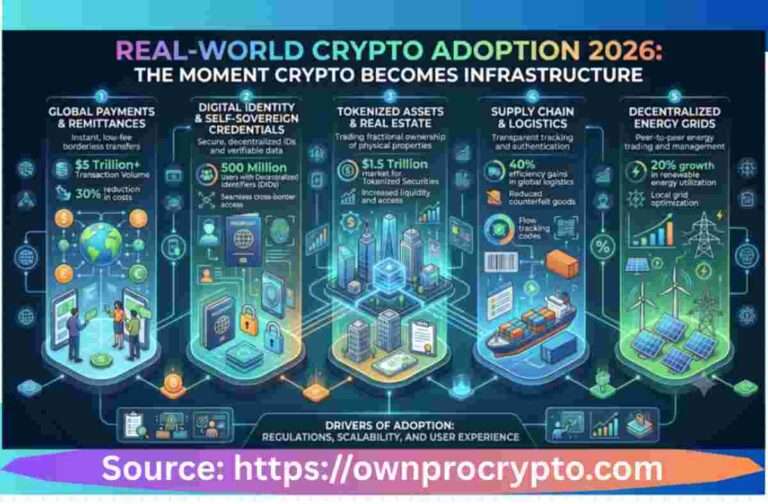
Successful crypto investing rarely begins with a price chart.
Professional investors follow a structured research process that evaluates a project’s technology, adoption, financial health, security, and long-term sustainability before capital is committed.
Instead of asking, “Will this token go up?”, experienced researchers ask:
Answering these questions requires more than one website. It requires a repeatable research framework.
The workflow below outlines a practical process that can be applied to almost any cryptocurrency or blockchain project.
Every research journey starts by understanding the basics.
Before analyzing charts or wallets, identify what the project actually does.
Research:
At this stage, market data platforms and the project’s official documentation provide a solid starting point.
Next, determine whether the project has strong fundamentals.
Look beyond marketing claims and examine measurable indicators such as:
Projects with strong fundamentals are generally better positioned to withstand changing market conditions.
A promising project can still become a poor investment if its token economics are weak.
Review factors including:
Healthy tokenomics help align incentives between users, developers, and investors.
One of blockchain’s greatest advantages is transparency.
Instead of relying on speculation, investors can observe real network activity.
Important metrics include:
On-chain data often provides valuable context that price charts alone cannot reveal.
Security should never be an afterthought.
Before investing, evaluate whether the project has addressed common technical risks.
Check for:
A technically strong project should demonstrate transparency around its security practices.
Healthy blockchain projects continue improving over time.
Research indicators such as:
Consistent development often reflects long-term commitment rather than short-term hype.
A strong community alone does not guarantee success, but it can indicate growing adoption.
Consider:
Focus on meaningful participation rather than follower counts or social media trends.
Finally, combine your findings into a balanced assessment.
Ask yourself:
Only after completing these steps should an investment decision be considered.
A professional research process can be summarized as follows:
Project Discovery
        ↓
Fundamental Analysis
        ↓
Tokenomics Review
        ↓
On-Chain Analysis
        ↓
Security Assessment
        ↓
Development Evaluation
        ↓
Community Research
        ↓
Risk vs. Opportunity Analysis
        ↓
Investment Decision
Following a consistent workflow helps reduce emotional decision-making and ensures that each project is evaluated using the same objective criteria.
No research tool provides every answer.
A market data platform may explain how a token is performing, while an on-chain analytics platform shows how investors are behaving. Security tools reveal technical risks, and fundamental analysis platforms measure whether a protocol is creating sustainable value.
By combining multiple perspectives, investors develop a more complete understanding of a project’s strengths, weaknesses, and long-term potential.
The next section explores the different categories of crypto research tools and explains which platforms are best suited for each stage of this framework.
Continue Your Research
For deeper due diligence, these guides expand on key parts of the framework:
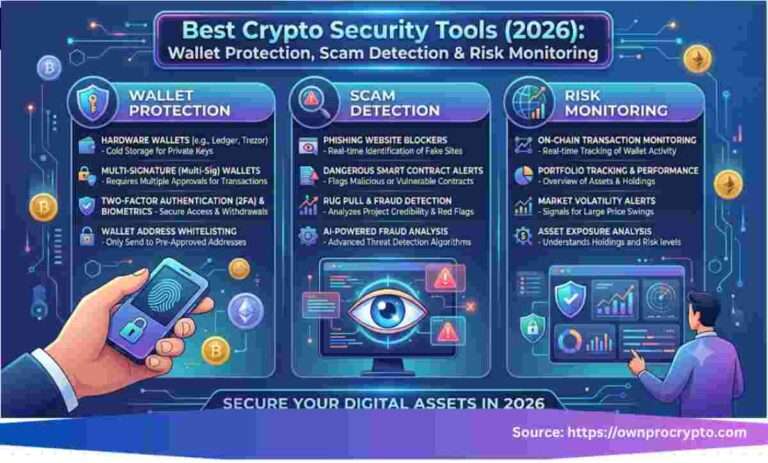
Crypto research is incomplete without security evaluation.
Unlike traditional financial markets, blockchain transactions are often irreversible.
A single interaction with a malicious smart contract, fake token, or phishing website can result in permanent loss of funds.
Security research tools help investors identify potential risks before they connect wallets, purchase tokens, or deposit assets into protocols.
These platforms provide a critical protection layer between opportunity and danger.
Blockchain transparency creates opportunities, but it also creates new risks.
Anyone can create:
The challenge is determining which projects are trustworthy.
Security tools help answer questions such as:
GoPlus Security is one of the most recognized security-focused platforms in Web3.
The platform provides security data designed to help users evaluate tokens, wallets, and blockchain interactions.
Its goal is simple:
Make blockchain activity safer before users commit funds.
GoPlus helps evaluate token contracts by checking potential risk indicators.
Important checks include:
This helps users identify suspicious tokens before buying.
Wallet interactions can expose users to hidden dangers.
GoPlus analyzes potential risks related to:
This adds an additional safety layer before signing blockchain actions.
Developers and applications can integrate GoPlus security data into their platforms.
This helps create safer Web3 experiences by providing security information during user interactions.
Token Sniffer became popular because it provides quick evaluations of cryptocurrency token contracts.
It is designed mainly for users who want a fast first check before interacting with a new token.
The platform analyzes factors such as:
It can help users identify obvious warning signs.
Token Sniffer is useful for:
However, it should be considered an initial screening tool rather than a complete security audit.
As Solana has grown rapidly, new token launches have increased significantly.
RugCheck focuses on helping users evaluate Solana-based tokens and identify potential risks.
RugCheck analyzes areas such as:
These checks help users identify possible warning signs before investing.
Security audits are another important part of crypto due diligence.
Professional investors often review whether protocols have undergone independent security assessments.
Important factors include:
An audit does not guarantee safety, but it provides valuable additional information.
| User | Primary Benefit |
|---|---|
| Beginners | Avoid obvious scams |
| Traders | Check new tokens |
| DeFi Users | Evaluate protocols |
| Investors | Reduce security risks |
| Developers | Improve application safety |
Security tools are useful for anyone interacting with blockchain applications.
Security platforms help identify problems before users commit funds.
Many tools provide quick assessments of tokens and contracts.
Security tools complement other research methods by adding technical risk analysis.
A security score does not mean a project is automatically safe.
Crypto risks can change quickly.
A technically safe project can still have:
Security must be combined with fundamental analysis.
Complex protocols may require deeper technical investigation beyond automated scanners.
Different tools answer different questions.
| Research Question | Best Tool Category |
|---|---|
| Is this token risky? | Security scanners |
| Is the project valuable? | Fundamental analysis |
| Are users adopting it? | Ecosystem analytics |
| Who is buying? | Wallet intelligence |
| Is the protocol profitable? | Financial analytics |
A complete crypto research workflow requires all these perspectives.
Crypto security tools are especially useful for:
They should become a standard step before interacting with any unfamiliar blockchain project.
Security analysis is no longer optional in crypto research.
The industry has moved beyond simply asking:
“Does this project have potential?”
Investors must also ask:
“Can I safely interact with this project?”
Platforms like GoPlus Security, Token Sniffer, and RugCheck provide valuable protection by helping users identify risks before they become losses.
However, the strongest approach combines:
A successful crypto researcher does not only search for opportunities.
They also protect capital.

The biggest mistake many crypto investors make is searching for a single “best” research tool.
No platform can answer every important question.
A market tracker cannot explain protocol economics.
A wallet tracker cannot evaluate security.
A DeFi dashboard cannot tell you whether a token has sustainable value.
Professional research requires combining multiple perspectives.
A complete crypto research process looks at:
When these pieces are combined, investors can build a much stronger understanding of any crypto project.
Does the available evidence support the investment idea?
This prevents emotional decision-making based only on hype.
A professional workflow can be summarized like this:
Project Discovery
     ↓
Market Validation
     ↓
Fundamental Research
     ↓
Tokenomics Analysis
     ↓
On-Chain Investigation
     ↓
DeFi & Ecosystem Analysis
     ↓
Financial Evaluation
     ↓
Security Verification
     ↓
Investment Decision
Each layer answers a different question.
Together, they create a complete picture.
Imagine discovering a new lending protocol.
A professional researcher may follow this process:
Every research platform has blind spots.
Using only one source creates incomplete analysis.
For example:
A token may have:
Strong price performance
But weak revenue.
High TVL
But poor security.
Large community
But declining users.
Multiple research layers help reveal the complete picture.
The strongest crypto investors combine:
This approach creates a more balanced understanding of blockchain projects.
Crypto research is not about finding guaranteed winners.
It is about making better decisions using better information.
The best crypto research tool is not a single platform.
The best approach is a complete research system.
Each tool contributes a different piece:
CoinGecko helps discover opportunities.
CoinMarketCap provides market context.
Messari explains fundamentals.
Glassnode reveals blockchain behavior.
Nansen tracks smart money.
Dune enables custom analysis.
DefiLlama measures DeFi ecosystems.
Token Terminal evaluates financial performance.
Blockchain research tools
Artemis studies adoption.
Security tools protect capital.
Crypto research software.
Together, they create a professional-grade crypto research framework.
For investors, analysts, and researchers in 2026, combining these platforms provides a stronger foundation for understanding the rapidly evolving blockchain industry.

The best crypto research tool depends on the type of investor you are.
A beginner researching their first cryptocurrency has different needs compared with a professional analyst evaluating blockchain businesses. Some users need simple market information. Others need advanced on-chain intelligence, financial metrics, and ecosystem analysis.
The right approach is not collecting every tool.
It is building the research workflow that matches your goals.
New investors should focus on understanding the basics before moving into advanced analytics.
Important research areas:
Recommended tools:
Best for:
Best for:
Best for:
Long-term investors need deeper analysis.
The focus shifts from price movements toward:
Recommended tools:
Best for:
Best for:
Best for:
Active traders need information that helps them understand market movements.
Important research areas:
Recommended tools:
Best for:
Best for:
Best for:
DeFi requires additional analysis because investors must evaluate:
Recommended tools:
Best for:
Best for:
Best for:
Best for:
DeFi investor workflow:
Professional researchers require a complete multi-layer workflow.
Their research usually combines:
Recommended stack:
CoinGecko
CoinMarketCap
Messari
Official documentation
Glassnode
Nansen
Dune
DefiLlama
Artemis
Token Terminal
GoPlus Security
Smart contract analysis tools
This creates a complete institutional-style research process.
Many investors can build a strong research workflow without expensive subscriptions.
Useful free resources include:
Market discovery
Market tracking
DeFi ecosystem analysis
Blockchain research
Transaction verification
Primary information source
A smart researcher combines free tools instead of relying on one platform.
For most investors, a balanced research stack looks like this:
Suitable for:nSerious investors and analysts.
Suitable for: Institutions, researchers, and professional investors.
Before selecting any platform, ask:
Different questions require different tools.
If you want to know:
“Is this project popular?”
Use market data platforms.
“Is this project valuable?”
Use fundamental analysis.
“Are people actually using it?”
Use ecosystem analytics.
“Who is moving the market?”
Use wallet intelligence.
“Can I trust this contract?”
Use security tools.
| Research Goal | Best Tool Category |
|---|---|
| Discover cryptocurrencies | CoinGecko, CoinMarketCap |
| Study fundamentals | Messari |
| Track blockchain activity | Glassnode |
| Follow smart money | Nansen |
| Create custom analysis | Dune |
| Analyze DeFi ecosystems | DefiLlama |
| Measure protocol value | Token Terminal |
| Study adoption | Artemis |
| Check security risks | Crypto security tools |
There is no single winner when choosing the best crypto research tool.
The strongest investors use a combination of platforms because every tool provides a different perspective.
A complete crypto research process combines:
The future of crypto investing will increasingly depend on data-driven decisions rather than speculation.
The investors who develop strong research systems will have a better understanding of opportunities, risks, and long-term trends.
The crypto industry has evolved far beyond simple price tracking.
Successful research now requires understanding multiple layers:
There is no single platform that can answer every important question.
The strongest approach is building a complete research system.
CoinGecko helps discover opportunities.
CoinMarketCap provides market visibility.
Messari explains fundamentals.
Glassnode reveals blockchain behavior.
Nansen tracks smart money activity.
Dune enables custom blockchain investigation.
DefiLlama analyzes DeFi ecosystems.
Token Terminal evaluates financial performance.
Artemis measures adoption and ecosystem growth.
Security tools help protect capital.
Together, these platforms create a complete framework for evaluating crypto projects in 2026.
The future of crypto investing will increasingly belong to investors who can separate:
Real adoption from hype.
Sustainable value from speculation.
Strong protocols from temporary trends.
Research does not remove risk.
But better research creates better decisions.
For beginners, traders, long-term investors, and professional analysts, developing a structured crypto research workflow is one of the most valuable skills in the digital asset market.
What is the best crypto research tool in 2026?
The best crypto research tool depends on the type of analysis required.
For market discovery, CoinGecko and CoinMarketCap are widely used.
For fundamental research, Messari provides detailed project analysis.
For blockchain activity, Glassnode and Nansen provide deeper on-chain insights.
For DeFi analysis, DefiLlama is one of the most popular platforms.
A complete research workflow usually combines multiple tools rather than relying on one platform.
Are crypto research tools necessary before investing?
Yes.
Crypto markets move quickly, and investing only based on price trends or social media attention can create unnecessary risks.
Research tools help investors evaluate:
A structured research process helps investors make more informed decisions.
What tools do professional crypto investors use?
Professional investors usually combine several categories of tools.
Common research categories include:
Market data:
CoinGecko, CoinMarketCap
Fundamental research:
Messari
On-chain analysis:
Glassnode, Nansen, Dune
DeFi analytics:
DefiLlama
Financial analysis:
Token Terminal
Security research:
Smart contract risk tools
Professional investors usually build a complete research stack instead of depending on one platform.
Which is best crypto research tools for beginners?
Beginners should start with simple platforms that explain basic information clearly.
Recommended tools:
After understanding the basics, investors can move into advanced tools like Glassnode, Nansen, and Token Terminal.
Which crypto research tool is best for fundamental analysis?
Messari is one of the strongest platforms for crypto fundamental research.
It helps investors study:
Token Terminal can complement this by showing financial metrics such as revenue and fees.
Which tool is best for on-chain analysis?
Glassnode is one of the most recognized platforms for on-chain analytics.
It helps analyze:
Nansen provides another perspective by focusing on wallet intelligence and smart money movements.
What is the difference between Glassnode and Nansen?
Glassnode focuses mainly on overall blockchain behavior.
It helps answer:
“How is the market behaving?”
Nansen focuses on wallet intelligence.
It helps answer:
“Who is moving assets?”
Glassnode is useful for market analysis.
Nansen is useful for tracking whales, funds, and smart money activity.
What is the best DeFi analytics tool?
DefiLlama is one of the most widely used DeFi analytics platforms.
It helps investors analyze:
For deeper research, DefiLlama can be combined with Dune, Token Terminal, and security analysis tools.
What is the best tool for analyzing crypto revenue?
Token Terminal is designed specifically for analyzing crypto financial performance.
It helps investors evaluate:
It is useful for investors who want to analyze crypto projects like businesses.
Is TVL enough to evaluate a DeFi project?
No.
TVL is an important metric, but it should not be used alone.
A complete DeFi evaluation should also consider:
High TVL does not automatically mean a protocol is sustainable.
What is the best tool for tracking whale wallets?
Nansen is one of the leading tools for wallet intelligence.
It helps track:
However, wallet movements should always be analyzed together with fundamentals and market conditions.
What is Dune Analytics used for?
Dune is used for custom blockchain research.
It allows users to create dashboards and analyze blockchain data based on specific questions.
Common uses include:
It is especially popular among analysts and researchers.
Are free crypto research tools enough?
Yes, many investors can perform strong research using free resources.
A useful free stack includes:
Advanced investors may add premium tools for deeper analysis.
How do I research a crypto project before investing?
A strong research process usually follows these steps:
Using multiple research tools creates a more complete evaluation.
What metrics should I check before buying a cryptocurrency?
Important metrics include:
No single metric can determine whether a project is valuable.
Can crypto research tools predict future prices?
No.
Research tools provide information and insights, but they cannot accurately predict future prices.
They help investors understand:
Investment decisions still involve uncertainty.
What is the difference between CoinGecko and CoinMarketCap?
Both platforms provide cryptocurrency market information.
CoinGecko is often preferred for:
CoinMarketCap is widely used for:
Many investors use both platforms together.
Which crypto research tool is best for institutional investors?
Institutions usually combine multiple platforms.
A professional research stack may include:
Institutional research requires multiple data sources.
How can I evaluate crypto protocol risk?
Protocol risk evaluation should include:
Security scanners can help identify technical risks, but they should be combined with broader research.
Do crypto analysts use multiple research tools?
Yes.
Professional analysts rarely depend on one platform.
Different tools provide different perspectives:
Market data explains price and liquidity.
Fundamental research explains project quality.
On-chain data explains user behavior.
Financial metrics explain value creation.
Security tools explain risk.
Combining these creates stronger analysis.
├── 1. Learn & Foundations 
│ ├──  Crypto Security Guide
│ ├──  Crypto Security Checklist
│ ├──  Crypto Security Standards
│ └──  Crypto Security Tools
│
├── 2. Asset Protection
│ ├──  Crypto Self Custody Security
│ ├──  Crypto Asset Security 2026
│ └──  Asset Security 2026
│
├── 3. Wallet Security
│ ├──  Wallet Time Machine
│ ├──  Crypto Wallet Approvals
│ └──  Crypto Portfolio Tracker
│
├── 4. Institutional Security
│ ├──  MPC vs Multi Sig Wallets
│ ├──  Institutional Crypto Custody 2026
│ ├──  Why Institutions Are Replacing Multi-Sig with MPC
│ └──  Multi-Cloud MPC Architecture
│
├── 5. Cross-Chain Security
│ ├──  Crypto Bridge Risk Explained
│ ├──  Cross-Chain Blockchain Security
│ └── Zero-Trust Interoperability
│
└── 6. Threat Intelligence & Risk Operations
├──  Crypto Scam Checker
├──  Asset Risk Assessment System
└──  Sovereign Asset Dashboar
OWASP Smart Contract Top 10 (2026 Edition) helps identify critical vulnerabilities in Web3 systems, including logic errors, oracle manipulation, and contract-level exploits.