Web3 AI Systems (2026): AI Agents & Blockchain Workflows
Web3 AI systems combine AI agents, blockchain infrastructure, automation, data, smart contracts, and human oversight to create programmable workflows for digital assets, payments, DeFi, tokenized real-world assets, governance, security, and institutional operations.
Web3 AI systems connect AI agents with blockchain infrastructure to automate decisions, workflows, monitoring, and digital-asset operations.
Instead of treating AI and blockchain as separate technologies, a Web3 AI system can combine human intent, policy rules, AI reasoning, external data, blockchain execution, security controls, and continuous monitoring into one coordinated workflow.
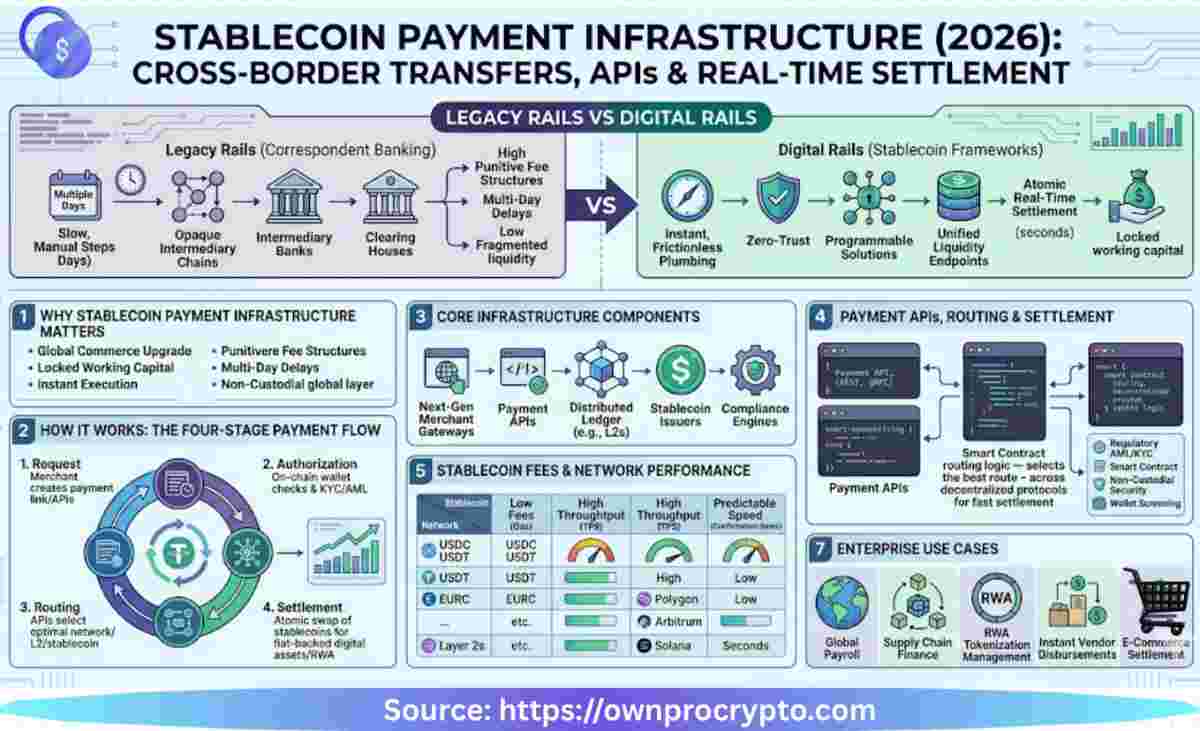
In 2026, practical applications include AI-powered treasury management, stablecoin payments, tokenized real-world assets, DeFi operations, governance, security monitoring, research, and institutional digital-asset workflows.
Web3 AI Systems Overview
Web3 AI systems are software architectures that combine artificial intelligence with blockchain networks and digital-asset infrastructure. The goal is not simply to place an AI chatbot on top of a blockchain. The stronger model is a coordinated system in which AI can interpret information, apply defined policies, request actions, interact with software interfaces, and—where authorized—trigger blockchain transactions.
This creates a new class of programmable workflows. An organization could, for example, use an AI system to monitor treasury conditions, evaluate predefined rules, identify an action, request human approval when required, and then execute an approved transaction through a smart-contract interface.
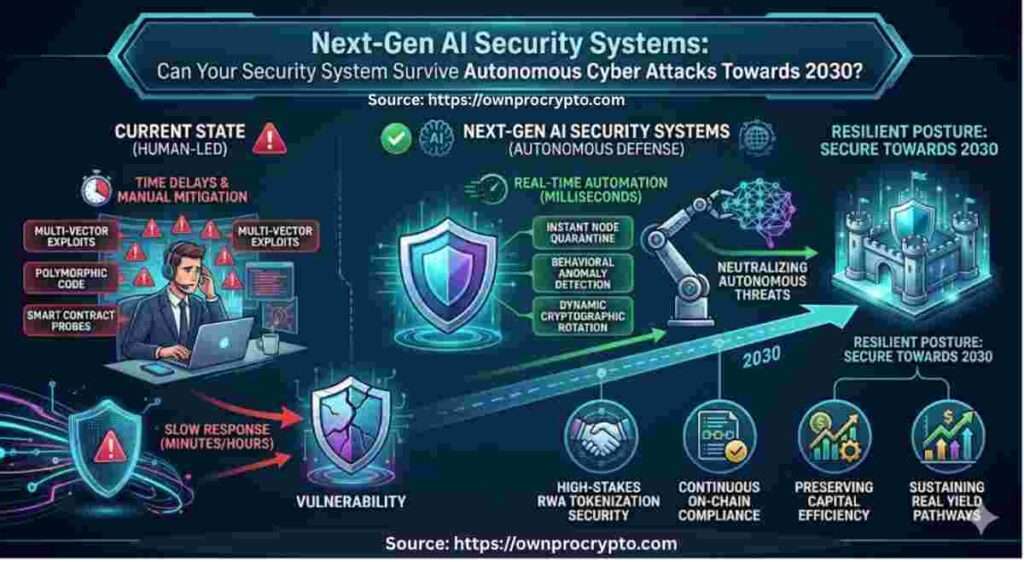
The important distinction is between automation and autonomous authority. A useful Web3 AI architecture should define what an agent can observe, what it can recommend, what it can execute, what limits apply, and when a human must intervene.
AI provides reasoning and automation; blockchain provides programmable execution, verifiable state, and digital-asset infrastructure. Neither technology automatically makes the other trustworthy.
Web3 AI System Architecture
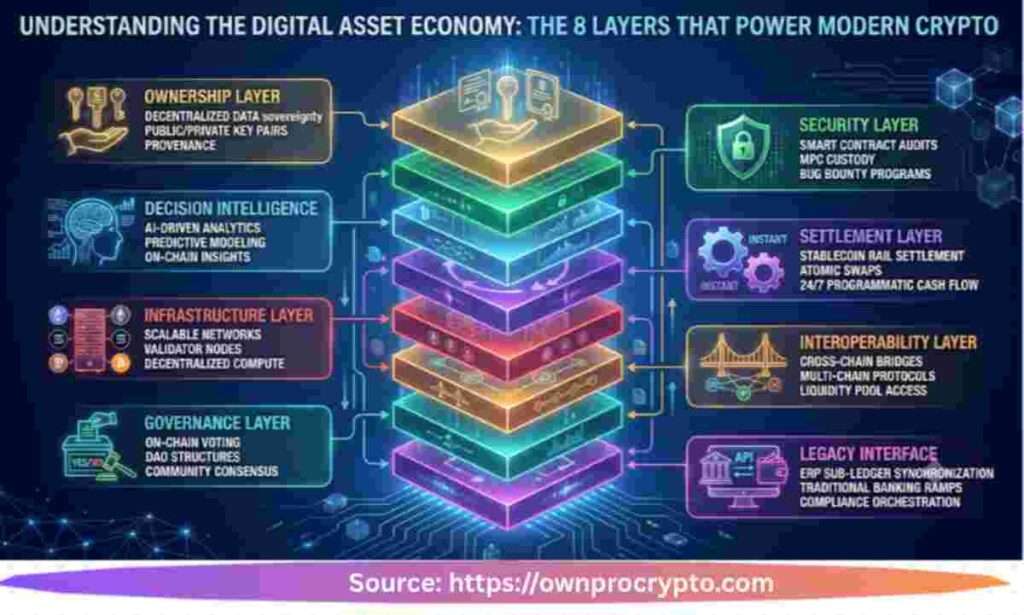
A practical Web3 AI system can be understood as a layered architecture. Each layer has a different responsibility, which helps prevent the AI model itself from becoming the only control mechanism.
This layered design is useful because the AI model does not need unrestricted control over assets. Permissions can be separated from reasoning, and execution can be constrained by policy, smart contracts, wallet controls, spending limits, or human approval.
For a deeper look at autonomous blockchain systems, see the AI Agents in Web3 resource on OwnProCrypto.