
Search by title, topic or phrase
Use our Crypto Search Engine 🔍 to find the topics and keywords you're looking for.

Table of Contents
ToggleChoosing the best MPC wallet is no longer just a technical decision. Whether you’re protecting a personal Bitcoin portfolio, managing a DAO treasury, operating a crypto exchange, or building a Web3 application, the wallet you choose directly affects security, operational efficiency, and long-term control over digital assets.
Traditional wallets have long relied on a single private key or a recovery seed phrase. While effective, those approaches introduce a single point of failure. Lose the seed phrase, expose it to an attacker, or mishandle backups, and your assets may be permanently at risk.
Multi-Party Computation (MPC) wallets were designed to solve this problem by replacing the traditional single-key model with distributed cryptographic signing. Instead of storing one complete private key, an MPC wallet divides signing authority into multiple cryptographic shares. Transactions are approved collaboratively, meaning no single device, employee, or compromised server ever possesses the complete private key.
This architectural shift has transformed how organizations approach digital asset custody, making MPC the preferred security model for many exchanges, fintech companies, institutional investors, and increasingly, individual users who want stronger protection without sacrificing usability.
In this guide, you’ll learn:
Rather than relying on marketing claims, this guide evaluates each platform using a consistent methodology focused on security architecture, usability, supported assets, governance capabilities, developer tooling, integrations, pricing approach, and long-term suitability.
Whether you’re looking for a seedless crypto wallet for personal self-custody or an enterprise MPC wallet capable of securing institutional treasury operations, the goal is the same: help you choose the platform that best aligns with your security requirements and operational needs.
Key takeaway: The “best” MPC wallet isn’t the one with the longest feature list—it’s the one whose security model, governance controls, and workflow match how you actually manage digital assets.
The cryptocurrency industry has matured dramatically over the past few years. What was once primarily an ecosystem of individual investors is now shared by banks, asset managers, payment companies, stablecoin issuers, Web3 startups, and multinational enterprises.
With that growth has come a new set of operational challenges.
Organizations no longer manage a single wallet containing a handful of digital assets. They often oversee hundreds of wallets across multiple blockchains, coordinate approvals between finance, compliance, and security teams, interact with decentralized finance (DeFi) protocols, and maintain detailed audit trails for regulators and internal governance.
At the same time, cyber threats have become more sophisticated. Attackers increasingly target operational processes rather than attempting to break cryptographic algorithms. Social engineering, credential theft, malware, compromised devices, and insider threats now represent significant risks to organizations managing digital assets.
MPC technology addresses many of these challenges by removing the traditional single point of failure associated with private key management. Combined with policy engines, transaction approval workflows, and distributed signing, it allows organizations to strengthen security while maintaining operational flexibility.
For individual users, MPC also offers meaningful benefits. Consumer-focused platforms such as Zengo have demonstrated that advanced cryptography can simplify wallet recovery and reduce reliance on seed phrases without requiring users to understand the underlying mathematics.
As adoption continues to expand across institutional finance and Web3 infrastructure, MPC wallets are evolving from a specialized security solution into a foundational component of modern crypto custody.
A modern crypto wallet is no longer just a place to store coins.
It has become an operational platform that enables organizations to:
This broader role explains why organizations increasingly evaluate wallet platforms based not only on security, but also on workflow automation, compliance capabilities, developer integrations, and scalability.
The rapid growth of institutional participation has fundamentally changed expectations for wallet infrastructure.
Professional investors require features that extend far beyond basic asset storage, including:
Enterprise-focused platforms such as Fireblocks and Fordefi were built around these operational requirements, while consumer-oriented MPC wallets prioritize simplicity, accessibility, and recovery.
Understanding these differences is essential before comparing providers.
Although MPC technology first gained traction among institutional custody providers, it is increasingly being adopted by consumer wallets.
Instead of asking users to protect a 12- or 24-word recovery phrase, modern seedless crypto wallets distribute cryptographic key shares across trusted components. This approach can simplify onboarding while reducing some of the risks associated with traditional seed phrase management.
However, recovery methods, trust assumptions, and security models vary between providers. That’s why evaluating the underlying architecture—not just the marketing—is critical when selecting a wallet.
Related Reading
MPC vs Multi-Sig Wallets: Crypto Custody Comparison (2026)
https://ownprocrypto.com/mpc-vs-multi-sig-wallets/Why Institutions Are Switching From Multi-Sig to MPC Custody (2026)
https://ownprocrypto.com/mpc-infrastructure-in-2026/Crypto Self-Custody Guide (2026): Complete Guide to Secure Digital Asset Ownership
https://ownprocrypto.com/crypto-self-custody/

The MPC wallet market has expanded from a niche institutional security solution into a broader digital asset infrastructure category. Today, different providers serve different audiences, from individual users seeking seedless wallet experiences to enterprises managing billions of dollars in digital assets.
There is no single “best” MPC wallet for every user.
The right choice depends on factors such as:
For example, an individual investor may prioritize simplicity, recovery options, and mobile accessibility, while an institutional treasury team may prioritize approval workflows, compliance controls, policy engines, and enterprise integrations.
The platforms below represent some of the most recognized MPC wallet providers in 2026 and are evaluated based on security architecture, usability, enterprise capabilities, developer infrastructure, supported workflows, and overall suitability.
Enterprise custody, financial institutions, exchanges, asset managers, and organizations requiring advanced governance.
Fireblocks has become one of the most recognized names in institutional digital asset infrastructure. The platform combines MPC-based security with policy controls, workflow management, compliance features, and integrations designed for organizations operating at scale.
Unlike consumer wallets, Fireblocks focuses heavily on operational security. The platform is designed for environments where multiple stakeholders need controlled access to digital assets without exposing a complete private key.
Organizations that need institutional-grade digital asset custody, governance, and operational controls.
DeFi teams, Web3 companies, trading organizations, and institutions interacting with blockchain applications.
Fordefi positions itself as an institutional wallet platform built specifically for the modern Web3 environment. While security remains central, its focus extends toward active blockchain operations, including DeFi transactions, smart contract interactions, and Web3 workflows.
The platform combines MPC security with transaction visibility and controls designed for teams interacting with decentralized applications.
Companies and teams that actively interact with DeFi protocols, decentralized applications, and Web3 ecosystems.
Individual users who want a simpler wallet experience without traditional seed phrases.
Zengo introduced MPC technology to a broader consumer audience by focusing on usability and removing one of the biggest challenges in crypto self-custody: seed phrase management.
Traditional wallets require users to securely store a recovery phrase. Zengo uses MPC-based technology combined with recovery mechanisms designed to simplify wallet ownership while maintaining strong security principles.
Individuals who want easier self-custody without managing traditional seed phrases.
Developers, Web3 applications, fintech companies, and businesses building embedded wallet experiences.
Coinbase Developer Platform focuses less on being a traditional consumer wallet and more on providing infrastructure that developers can use to integrate wallet functionality into applications.
This approach supports companies that want to create seamless Web3 experiences without forcing users to manage complex wallet setups.
Companies building applications that need programmable wallet infrastructure.
Different users have different security and operational requirements.
The following framework helps match users with the right solution.
| User Type | Recommended Platform | Why |
|---|---|---|
| Enterprise treasury team | Fireblocks | Governance, policies, institutional workflows |
| Financial institution | Fireblocks | Enterprise custody infrastructure |
| DeFi trading team | Fordefi | Web3 and transaction workflows |
| Web3 company | Fordefi / Coinbase Developer Platform | Application and blockchain integration |
| Individual investor | Zengo | Simple seedless experience |
| Developers building Web3 apps | Coinbase Developer Platform | APIs and embedded wallet infrastructure |
To create this comparison, MPC wallet providers should not be evaluated only by marketing claims or feature counts.
A secure wallet must be assessed across several dimensions:
Important factors include:
Especially important for organizations:
Security is only effective when users can operate the system correctly.
Evaluation factors include:
Important considerations:
For infrastructure buyers:
Pricing differs significantly across MPC providers.
Consumer wallets typically use subscription or freemium models, while institutional platforms often use customized enterprise pricing based on:
Related Reading
Institutional Crypto Custody Simulator: Risk Dashboard & Security Analysis (2026)
https://ownprocrypto.com/institutional-crypto-custody-simulator/
Enterprise Crypto Custody Platform: Institutional Wallet Security Tool
https://ownprocrypto.com/enterprise-crypto-custody-platform/
MPC vs Multi-Sig Wallets: Crypto Custody Comparison (2026)
https://ownprocrypto.com/mpc-vs-multi-sig-wallets/
Why Institutions Are Switching From Multi-Sig to MPC Custody (2026)
https://ownprocrypto.com/mpc-infrastructure-in-2026/
Expert Insight: The biggest mistake buyers make when choosing an MPC wallet is comparing features without understanding their operational requirements. A retail investor, a Web3 startup, and a global financial institution may all need “MPC security,” but the ideal solution for each will be completely different.
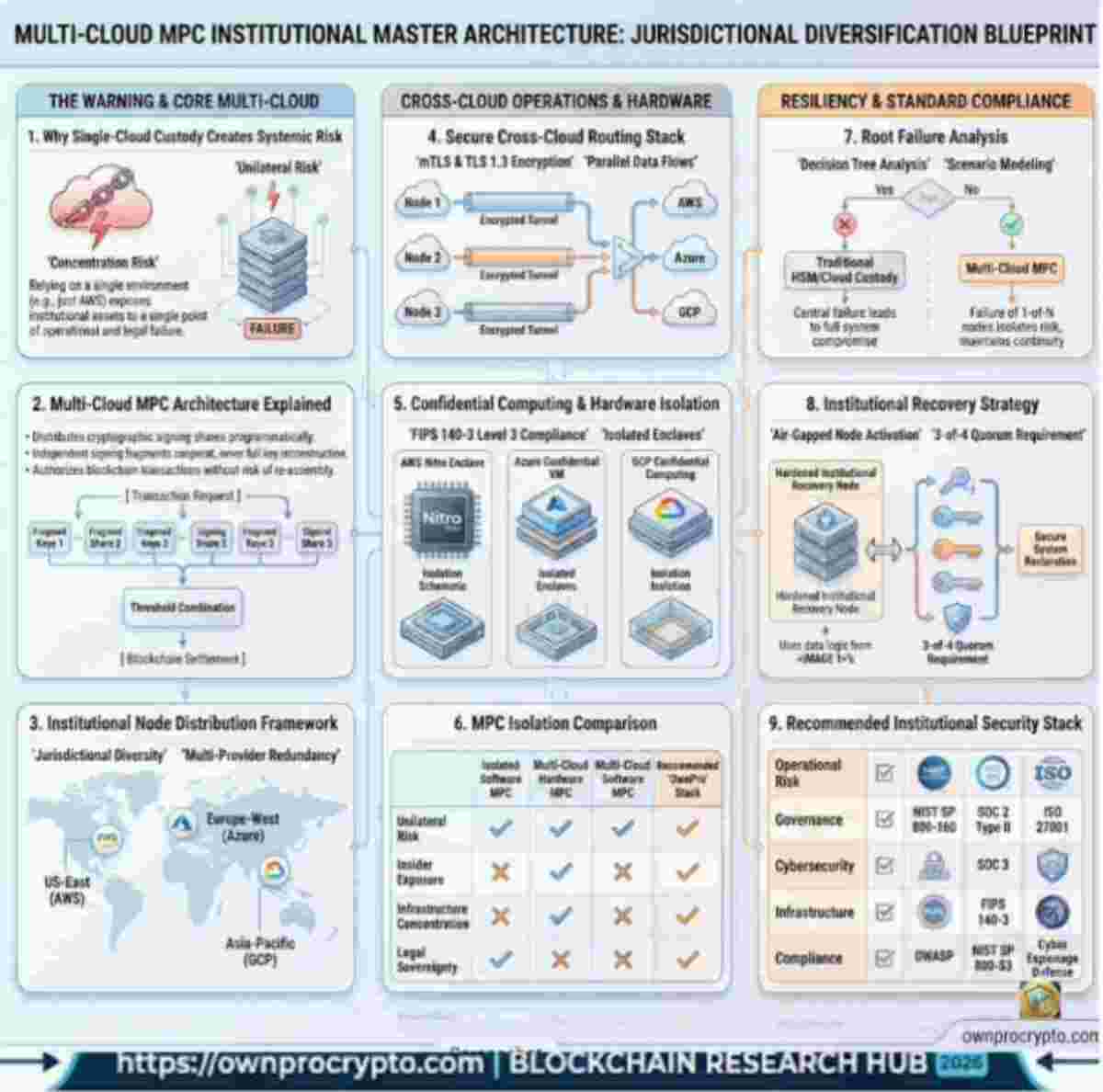
A Multi-Party Computation (MPC) wallet is a cryptocurrency wallet that uses advanced cryptography to secure transactions without storing a complete private key in one location.
Traditional crypto wallets typically rely on a single private key. Whoever controls that key controls the assets. While this model provides strong ownership guarantees, it also creates a major security challenge: protecting one piece of information that represents complete control over the wallet.
If a private key is:
the assets connected to that wallet may be permanently compromised.
MPC wallets approach private key security differently.
Instead of creating one complete private key that exists in a single place, MPC technology divides the signing process across multiple cryptographic participants. These participants work together to authorize transactions without reconstructing the complete private key.
In simple terms:
Traditional wallet model
One private key
        |
        ↓
Controls wallet assets
MPC wallet model
Key Share A
     +
Key Share B
     +
Key Share C
     |
     ↓
Collaborative transaction signing
The complete private key is never exposed during normal operations.
This makes MPC particularly attractive for organizations that need stronger security controls while maintaining operational flexibility.
MPC wallets rely on cryptographic techniques that allow multiple parties to participate in transaction signing while keeping their individual key shares private.
The process generally involves three major components:
The first step is creating the cryptographic key material.
Unlike traditional wallets that generate one private key and store it somewhere, MPC systems use Distributed Key Generation (DKG) to create separate key shares between participants.
Each participant receives only a portion of the cryptographic information.
Important characteristics:
This reduces the risk associated with single-point private key ownership.
MPC wallets commonly use threshold signature technology.
A threshold signature system defines how many participants must approve a transaction before it can be completed.
For example:
The important difference from traditional multi-signature wallets is that MPC does not create multiple blockchain signatures.
Instead, multiple parties collaboratively produce one valid blockchain signature.
This creates a smoother experience while maintaining distributed control.
When a user initiates a transaction, the MPC system coordinates the signing process between authorized participants.
The workflow typically involves:
At no point does the system expose the complete private key.
The growth of institutional crypto adoption has changed wallet requirements.
A personal investor may only need:
An enterprise may require:
MPC wallets address these operational challenges by combining security with governance.
Organizations can manage digital assets without giving one individual complete control over company funds.
One of the biggest advantages of MPC technology is reducing dependence on a single private key.
Traditional custody risks include:
MPC distributes responsibility across multiple protected components, reducing the impact of a single failure.
For companies, security is not only about preventing hackers.
It is also about creating controlled operational processes.
Enterprise MPC wallets can support:
This makes MPC particularly useful for organizations managing significant digital asset holdings.
Security improvements are only valuable if users can actually operate the system correctly.
Traditional seed phrase wallets create challenges:
Consumer MPC wallets attempt to simplify this experience by offering alternative recovery models while maintaining distributed security principles.
| Feature | Traditional Wallet | MPC Wallet |
|---|---|---|
| Private key storage | Single key | Distributed key shares |
| Single point of failure | Higher risk | Reduced risk |
| Recovery model | Seed phrase based | Provider-specific MPC recovery |
| Enterprise governance | Limited | Advanced controls |
| Multi-user management | Difficult | Designed for collaboration |
| Transaction approvals | Basic | Policy-based workflows |
MPC and multi-signature wallets are often compared because both improve security through distributed control.
However, they use different approaches.
A multi-signature wallet creates multiple blockchain signatures.
An MPC wallet creates one blockchain signature through distributed computation.
The practical differences include:
| Feature | MPC Wallet | Multi-Signature Wallet |
|---|---|---|
| Blockchain visibility | Usually one signature | Multiple signatures |
| User experience | Similar to normal wallets | More complex |
| Key management | Distributed computation | Multiple keys |
| Smart contract dependency | Usually no | Often yes |
| Enterprise workflows | Strong | Strong |
| Technical architecture | Cryptographic signing | Blockchain-level authorization |
The right choice depends on the organization’s requirements, blockchain environment, and operational model.
For a deeper technical comparison:
MPC vs Multi-Sig Wallets: Crypto Custody Comparison (2026)
https://ownprocrypto.com/mpc-vs-multi-sig-wallets/
MPC wallets and hardware wallets solve different security problems.
Hardware wallets focus on protecting private keys inside dedicated physical devices.
MPC focuses on distributing signing authority so no single location controls the complete key.
A hardware wallet may be ideal for:
MPC may be better suited for:
The “more secure” option depends on the threat model and operational requirements.
Related Reading
MPC vs Multi-Sig Custody Risk Simulator: Compare Security Models (2026)
https://ownprocrypto.com/mpc-vs-multi-sig-crypto-custody/
MPC vs Multi-Sig vs HSM Custody: Crypto Security Comparison (2026)
https://ownprocrypto.com/mpc-vs-multi-sig-vs-hsm-custody/
Multi-Cloud MPC Architecture: Secure Digital Asset Custody (2026)
https://ownprocrypto.com/multi-cloud-mpc-architecture/
Crypto Asset Security: Wallet Protection & Self-Custody Guide
https://ownprocrypto.com/asset-security-2026/
Key takeaway: The “best” MPC wallet isn’t the one with the longest feature list—it’s the one whose security model, governance controls, and workflow match how you actually manage digital assets.

The MPC wallet market includes solutions designed for very different users. Some platforms focus on institutional custody and enterprise treasury operations, while others focus on consumer self-custody or developer infrastructure.
Comparing MPC wallets requires looking beyond marketing features.
The most important factors include:
In this section, we review the leading MPC wallet providers in 2026 and explain where each platform fits within the broader digital asset ecosystem.
Fireblocks is one of the most established names in institutional digital asset infrastructure. The platform provides MPC-based custody technology designed for organizations that need secure management of cryptocurrencies, tokenized assets, and blockchain-based financial operations.
Unlike consumer-focused wallets, Fireblocks is built around enterprise workflows.
Its primary users include:
The platform combines MPC security with operational controls that allow organizations to manage digital assets across multiple teams while maintaining governance and compliance requirements.
Fireblocks uses MPC technology to remove dependence on a single private key.
Instead of one person or system controlling wallet access, transaction signing is distributed through cryptographic processes.
Key security concepts include:
This architecture helps organizations reduce risks associated with:
Fireblocks provides infrastructure for organizations managing significant digital asset operations.
Capabilities include:
One of Fireblocks’ major advantages is operational governance.
Organizations can create rules around:
This allows companies to separate responsibilities between departments.
For example:
Institutional users often require broad blockchain coverage.
Important considerations include:
Fireblocks has positioned itself as infrastructure for organizations operating across multiple blockchain ecosystems.
Fireblocks provides APIs and developer resources that allow companies to integrate digital asset operations into existing systems.
Common use cases include:
Fireblocks generally follows an enterprise pricing model rather than a simple public subscription structure.
Pricing typically depends on factors such as:
This approach is common among institutional custody providers because enterprise customers often require customized deployments.
Companies evaluating Fireblocks should request a tailored quote based on their operational requirements.
✅ Strong institutional reputation
✅ Enterprise-grade MPC infrastructure
✅ Advanced governance controls
✅ Suitable for large-scale operations
✅ Strong ecosystem integrations
❌ May be excessive for individual users
❌ Enterprise implementation can require technical planning
❌ Pricing is not designed for casual users
Fireblocks is best suited for:
It is generally not the ideal choice for someone looking for a simple personal crypto wallet.
Fordefi is an institutional MPC wallet platform designed for organizations that actively interact with blockchain applications.
While many custody solutions focus primarily on storage and transfers, Fordefi emphasizes operational security for Web3 activity.
This includes:
The platform is designed for teams that need institutional security without sacrificing blockchain functionality.
Fordefi combines MPC security with transaction visibility and operational controls.
The goal is to allow teams to interact with decentralized applications while maintaining security standards expected by professional organizations.
Important security features include:
Fordefi focuses heavily on active blockchain users.
It is designed for organizations that need to:
One challenge with Web3 operations is understanding exactly what a transaction will do before signing.
Transaction simulation helps teams analyze blockchain interactions before approval.
This reduces risks such as:
Fordefi supports organizational workflows through:
This makes it more suitable for companies than individual users.
Fordefi follows a business-focused pricing model.
Costs may depend on:
Organizations should evaluate pricing alongside workflow requirements rather than comparing only subscription costs.
✅ Strong DeFi and Web3 focus
✅ Institutional security model
✅ Good fit for active blockchain teams
✅ Transaction visibility features
❌ Less suitable for beginners
❌ Primarily focused on organizations
❌ May be unnecessary for simple storage needs
Fordefi is best suited for:
Zengo brings MPC technology to everyday crypto users by focusing on simplicity and removing traditional seed phrase management.
For many beginners, seed phrases represent one of the biggest barriers to self-custody.
Users must:
Zengo uses MPC-based technology to provide a different ownership experience designed around accessibility.
The major difference between Zengo and traditional wallets is the recovery approach.
Instead of relying on a traditional seed phrase, Zengo uses cryptographic methods designed to reduce the burden of manual backup management.
Zengo focuses on:
This makes MPC technology available to users who may not understand advanced wallet security concepts.
Zengo uses consumer-oriented pricing models, including free and premium options depending on available features.
Users should compare:
when evaluating the platform.
✅ Beginner-friendly
✅ Seedless approach
✅ Simple user experience
✅ Good introduction to MPC concepts
❌ Not designed for enterprise treasury
❌ Limited governance workflows
❌ Less suitable for institutional operations
Zengo is best suited for:
Related Reading:
Crypto Self-Custody Guide (2026): Complete Guide to Secure Digital Asset Ownership
https://ownprocrypto.com/crypto-self-custody/
Crypto Security Checklist Tool: Wallet Safety & Self-Custody Audit (2026)
https://ownprocrypto.com/crypto-security-checklist/
Crypto Asset Security: Wallet Protection & Self-Custody Guide
https://ownprocrypto.com/asset-security-2026/
Enterprise Crypto Custody Platform: Institutional Wallet Security Tool
https://ownprocrypto.com/enterprise-crypto-custody-platform/
Coinbase Developer Platform (CDP) focuses on helping developers and businesses integrate blockchain functionality into applications through wallet infrastructure, APIs, and developer tools.
Unlike consumer wallet applications designed for individuals, CDP is primarily built for companies that want to create seamless Web3 experiences for their users.
The platform is designed around the idea that many mainstream users should not need to understand complex wallet mechanics, private keys, or seed phrases in order to interact with blockchain applications.
Instead, developers can embed wallet functionality directly into applications and create more familiar user experiences.
Common use cases include:
Coinbase Developer Platform uses modern wallet infrastructure approaches designed to simplify blockchain adoption.
For developers, the challenge is not only securing assets.
The challenge is creating wallet experiences that are:
MPC-based wallet infrastructure can help address these challenges by reducing reliance on traditional seed phrase experiences while enabling programmable wallet functionality.
One of the biggest opportunities in Web3 adoption is reducing friction during onboarding.
Traditional crypto wallets often require users to:
Embedded wallet infrastructure allows companies to integrate wallet functionality directly into their own applications.
This can create experiences closer to traditional fintech applications while still providing blockchain capabilities.
Developers require more than wallet creation.
They need infrastructure that supports:
Developer-focused wallet platforms provide APIs and tools that allow companies to build blockchain features without creating every component from scratch.
One of the biggest barriers to crypto adoption has always been complexity.
Users often struggle with:
Developer wallet infrastructure attempts to abstract away unnecessary complexity while preserving blockchain ownership and functionality.
Businesses building blockchain products need infrastructure that can support growth.
Important considerations include:
A wallet infrastructure provider must support not only today’s users but future application growth.
Developer infrastructure pricing models typically differ from consumer wallet pricing.
Costs may depend on:
Organizations should evaluate total infrastructure costs based on their application requirements rather than only comparing monthly subscription prices.
✅ Strong developer ecosystem
✅ Designed for application builders
✅ Embedded wallet capabilities
✅ Infrastructure-focused approach
✅ Suitable for Web3 products
❌ Not designed as a personal crypto wallet
❌ Requires technical implementation
❌ Different use case compared with institutional custody providers
Coinbase Developer Platform is best suited for:
It is generally not the first choice for someone simply looking to store cryptocurrency.
Although Fireblocks, Fordefi, Zengo, and Coinbase Developer Platform represent some of the most visible MPC wallet solutions, the broader market includes additional platforms serving specialized needs.
BitGo is a long-standing digital asset security provider known for institutional custody and wallet infrastructure.
The platform is relevant for organizations looking at:
BitGo is often considered alongside other institutional custody providers when organizations evaluate security infrastructure.
Safe is frequently discussed alongside MPC wallets, although technically it represents a different security architecture.
Safe primarily uses smart contract-based multisignature wallet technology.
This distinction matters because:
Both approaches can provide strong security, but they solve problems differently.
For organizations comparing security architectures:
MPC vs Multi-Sig Wallets: Crypto Custody Comparison (2026)
https://ownprocrypto.com/mpc-vs-multi-sig-wallets/
Emerging blockchain infrastructure providers are exploring advanced approaches to:
These solutions represent the broader evolution of wallet infrastructure beyond traditional custody.
| Provider | Best For | Primary Audience | Main Strength | Potential Limitation |
|---|---|---|---|---|
| Fireblocks | Institutional custody | Enterprises, financial institutions | Governance and enterprise workflows | Complex for individuals |
| Fordefi | Web3 operations | DeFi teams, crypto companies | DeFi security and transaction controls | Not beginner-focused |
| Zengo | Consumer self-custody | Individual users | Seedless wallet experience | Limited enterprise features |
| Coinbase Developer Platform | Wallet infrastructure | Developers and businesses | APIs and embedded wallets | Requires technical integration |
| BitGo | Institutional security | Enterprises | Custody infrastructure | Different focus from consumer wallets |
| Safe | Treasury governance | DAOs and organizations | Multisig security model | Not MPC architecture |
The most important difference is not simply technology.
It is the problem each provider is solving.
Solves:
“How can large organizations securely manage digital assets with governance and compliance?”
Solves:
“How can professional teams safely interact with Web3 applications?”
Solves:
“How can everyday users access self-custody without complicated seed phrases?”
Solves:
“How can companies build blockchain applications with integrated wallet experiences?”
Related Reading
Enterprise Crypto Custody Platform: Institutional Wallet Security Tool
https://ownprocrypto.com/enterprise-crypto-custody-platform/
Enterprise Crypto Stack: ETF Flows, Custody & Institutional Adoption (2026)
https://ownprocrypto.com/enterprise-crypto-stack/
Digital Ownership in Web3 (2026): Self-Custody, & Blockchain-Based Asset Control
https://ownprocrypto.com/digital-ownership/
Digital Ownership Hub (2026): Self-Custody, Asset Control & Sovereign Ownership in Web3
Expert Insight: MPC technology is becoming a foundation layer across different parts of the crypto ecosystem. However, choosing an MPC wallet requires understanding the operational problem first. The best institutional custody platform may be completely different from the best consumer wallet or developer infrastructure solution.
Choosing an MPC wallet requires understanding that different providers are built for different users.
A financial institution managing billions in digital assets has completely different requirements from:
For this reason, comparing MPC wallets only by features can be misleading.
The better question is:
Which MPC wallet best matches your security requirements, operational workflow, and level of digital asset activity?
Fireblocks and Fordefi are often compared because both target professional users requiring secure digital asset management.
However, their positioning is different.
Best suited for:
Fireblocks emphasizes:
Best suited for:
Fordefi emphasizes:
| Category | Fireblocks | Fordefi |
|---|---|---|
| Primary audience | Institutions and enterprises | Web3 and DeFi organizations |
| Main focus | Digital asset custody infrastructure | Secure Web3 operations |
| MPC security | Yes | Yes |
| Governance controls | Advanced | Advanced |
| DeFi workflows | Supported | Strong focus |
| Enterprise treasury | Strong | Supported |
| Smart contract interaction | Supported | Strong focus |
| Best for | Large-scale custody | Active blockchain operations |
Choose Fireblocks if your organization needs:
Choose Fordefi if your organization needs:
Neither platform is universally better.
They are optimized for different operational environments.
This comparison requires understanding the difference between custody infrastructure and wallet infrastructure.
Designed for organizations managing existing digital assets.
Primary users:
Focus:
Designed for companies building blockchain experiences.
Primary users:
Focus:
| Category | Fireblocks | Coinbase Developer Platform |
|---|---|---|
| Primary purpose | Institutional custody | Wallet infrastructure |
| Main audience | Enterprises | Developers |
| Treasury management | Strong | Limited |
| Embedded wallets | Limited focus | Strong |
| APIs | Yes | Yes |
| User onboarding | Enterprise workflow | Application experience |
| Best use case | Managing assets | Building wallet experiences |
Choose Fireblocks when the priority is:
Choose Coinbase Developer Platform when the priority is:
Zengo represents a different category of MPC wallet.
Instead of competing with enterprise custody platforms, it competes with traditional self-custody wallets.
Traditional wallets generally require:
Zengo uses MPC-based technology to provide a different ownership experience.
Private Key
      ↓
Seed Phrase Backup
      ↓
User ResponsibilityDistributed Security Components
↓
Collaborative Wallet Recovery
↓
Simplified User ExperienceChoose Zengo if you prioritize:
Choose traditional self-custody wallets if you prioritize:
One of the most important comparisons in institutional crypto security is:
MPC vs Multisig
Many users assume they are the same because both distribute control.
They are not.
A multisignature wallet requires multiple blockchain signatures before a transaction is approved.
Example:
A 3-of-5 multisig wallet requires three approved signatures.
The blockchain records these multiple approvals.
MPC distributes the signing process itself.
Multiple parties participate in creating one valid blockchain signature.
The blockchain generally sees a normal transaction signature.
| Feature | MPC Wallet | Multisig Wallet |
|---|---|---|
| Security approach | Distributed computation | Multiple blockchain signatures |
| Blockchain visibility | Usually single signature | Multiple signatures |
| Key management | Key shares | Separate private keys |
| Smart contract dependency | Usually no | Often yes |
| Governance | Strong | Strong |
| Operational complexity | Often lower | Can be higher |
| Best suited for | Institutions and infrastructure | DAOs and treasury governance |
Neither is automatically better.
The correct choice depends on:
For a deeper comparison:
MPC vs Multi-Sig Wallets: Crypto Custody Comparison (2026)
https://ownprocrypto.com/mpc-vs-multi-sig-wallets/
Hardware wallets and MPC wallets solve different security challenges.
Hardware wallets focus on:
MPC wallets focus on:
| Feature | MPC Wallet | Hardware Wallet |
|---|---|---|
| Primary user | Institutions and advanced users | Individual holders |
| Key model | Distributed shares | Physical device key |
| Offline storage | Depends on implementation | Strong advantage |
| Team management | Strong | Limited |
| Automation | Strong | Limited |
| Enterprise workflows | Strong | Limited |
Hardware wallets are often ideal for:
MPC wallets are often ideal for:
Hardware Security Modules (HSMs) have traditionally been used by enterprises to protect sensitive cryptographic operations.
MPC introduces a different approach.
Many modern institutional systems combine different security technologies depending on requirements.
Before choosing an MPC wallet, ask:
Prioritize:
Possible fit:
Zengo
Prioritize:
Possible fit:
Fireblocks
Prioritize:
Possible fit:
Fordefi
Prioritize:
Possible fit:
Coinbase Developer Platform
Related Reading
MPC vs Multi-Sig Custody Risk Simulator: Compare Security Models (2026)
https://ownprocrypto.com/mpc-vs-multi-sig-crypto-custody/
MPC vs Multi-Sig vs HSM Custody: Crypto Security Comparison (2026)
https://ownprocrypto.com/mpc-vs-multi-sig-vs-hsm-custody/
Institutional Crypto Custody Simulator: Risk Dashboard & Security Analysis (2026)
https://ownprocrypto.com/institutional-crypto-custody-simulator/
Enterprise Crypto Stack: ETF Flows, Custody & Institutional Adoption (2026)
https://ownprocrypto.com/enterprise-crypto-stack/
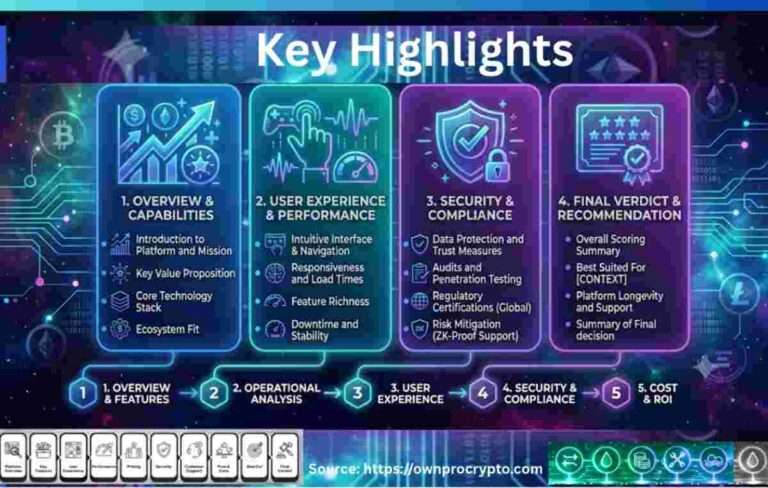
Choosing an MPC wallet is a strategic security decision, not simply a software purchase.
The right platform depends on who is using it, what assets are being protected, how transactions are managed, and what level of governance is required.
A personal investor, a crypto startup, and a financial institution may all search for the “best MPC wallet,” but their ideal solution will be completely different.
Before selecting a provider, buyers should evaluate five major areas:
The biggest mistake when selecting an MPC wallet is starting with features instead of requirements.
Before comparing providers, identify your primary objective.
Individual users typically care about:
For this audience, usability is often as important as advanced security.
A technically powerful wallet that is difficult to operate can create new risks through user mistakes.
Organizations usually require additional capabilities:
Institutional buyers should evaluate MPC wallets as operational infrastructure rather than simple storage tools.
Companies interacting with decentralized applications need different capabilities:
Platforms designed for passive custody may not provide enough functionality for active blockchain operations.
Companies building blockchain applications should evaluate:
The best MPC wallet for a developer is often infrastructure rather than a traditional wallet application.
Security should be the first evaluation category when comparing MPC wallet providers.
A strong MPC wallet should address multiple layers of protection.
Important questions include:
A secure MPC implementation should ensure that no individual component can independently recreate or control the complete private key.
Key share protection is one of the most important aspects of MPC security.
Evaluate:
Poor key-share management can undermine the advantages of MPC technology.
For businesses, transaction security extends beyond cryptography.
Important controls include:
These features help prevent unauthorized transactions even when users have legitimate access.
Recovery is one of the most overlooked areas of wallet security.
Buyers should understand:
A wallet should have a clear recovery process without creating unnecessary security weaknesses.
| Feature | Why It Matters |
|---|---|
| MPC signing | Removes single private key dependency |
| Key-share protection | Prevents key compromise |
| Role permissions | Controls user access |
| Transaction policies | Prevents unauthorized transfers |
| Audit logs | Supports accountability |
| Multi-chain support | Enables broader asset management |
| API access | Supports automation |
| Compliance tools | Helps institutional requirements |
MPC wallet pricing varies significantly depending on the provider and target customer.
Unlike consumer wallets, enterprise MPC platforms usually do not publish simple monthly pricing because costs depend on business requirements.
Common pricing factors include:
Consumer-focused MPC wallets may use models such as:
The priority is usually accessibility rather than enterprise customization.
Institutional platforms often use customized pricing.
Costs may increase based on:
For enterprise buyers, the cheapest option is not always the most cost-effective.
A less expensive platform with weaker workflows may create greater operational risk.
Asset support is another critical consideration.
Before choosing an MPC wallet, evaluate:
A wallet that supports your current assets but lacks future compatibility may create migration problems later.
Security technology only works when users can operate it correctly.
A good MPC wallet should provide:
Enterprise users should also consider training requirements.
A powerful platform that creates confusion among employees can increase operational risk.
For professional organizations, compliance features are often essential.
Important capabilities may include:
Institutions should evaluate whether a provider supports their jurisdictional and operational requirements.
Before choosing a provider, ask:
☐ Does the platform use a strong MPC architecture?
☐ How are key shares protected?
☐ What recovery options exist?
☐ Are transaction approvals customizable?
☐ Who needs access?
☐ How many users require permissions?
☐ What assets will be managed?
☐ What integrations are required?
☐ Which blockchains are supported?
☐ Are APIs available?
☐ Does it support automation?
☐ Can it scale with future growth?
☐ Does the provider have an established track record?
☐ Are security practices transparent?
☐ Does the company serve similar customers?
A well-known provider is not automatically the best fit.
The right solution depends on your operational needs.
Recovery is a fundamental part of wallet security.
A strong security model must also provide practical recovery options.
Two wallets may offer similar features but support completely different workflows.
The important question is:
Can this platform safely support the way we actually manage digital assets?
MPC improves private key management, but security also depends on:
Technology is only one part of a complete security strategy.
Related Reading
Crypto Security Checklist Tool: Wallet Safety & Self-Custody Audit (2026)
https://ownprocrypto.com/crypto-security-checklist/
Crypto Self-Custody Guide (2026): Complete Guide to Secure Digital Asset Ownership
https://ownprocrypto.com/crypto-self-custody/
Institutional Crypto Custody Simulator: Risk Dashboard & Security Analysis (2026)
https://ownprocrypto.com/institutional-crypto-custody-simulator/
Enterprise Crypto Custody Platform: Institutional Wallet Security Tool
https://ownprocrypto.com/enterprise-crypto-custody-platform/
Expert Insight: The best MPC wallet is not necessarily the one with the most advanced cryptography. It is the platform that combines strong security architecture with workflows people can actually operate safely.
There is no universal “best” MPC wallet because digital asset users have different security requirements, workflows, and operational goals.
The best platform for an individual investor may not be suitable for an institutional treasury team. Likewise, a developer building a Web3 application requires completely different infrastructure compared with someone simply looking for secure crypto storage.
The right choice depends on:
Below are the best MPC wallet categories based on different user needs.
For beginners entering self-custody, the biggest challenge is usually not blockchain technology itself.
It is managing wallet security correctly.
Traditional crypto wallets require users to understand:
A single mistake can permanently affect access to funds.
Consumer-focused MPC wallets attempt to simplify this experience by reducing dependence on traditional seed phrase management.
Zengo is designed around this approach, making MPC technology more accessible to everyday users.
Beginner-friendly MPC wallets can provide:
However, beginners should still understand:
Zengo
Best for:
Institutional users require more than asset storage.
They need a complete digital asset security system.
Institutional requirements often include:
Fireblocks is designed around these requirements.
Organizations often avoid traditional private key models because they create operational challenges.
Examples:
MPC wallets help organizations distribute control while maintaining operational efficiency.
Fireblocks
Best for:
DeFi organizations have different requirements from traditional custody users.
They need secure interaction with:
A wallet designed only for storage may not provide enough visibility or control.
Fordefi focuses on the operational challenges of active blockchain usage.
A strong DeFi MPC wallet should provide:
Fordefi
Best for:
Developers usually do not need a traditional wallet product.
They need infrastructure.
A developer building a blockchain application may need:
Coinbase Developer Platform focuses on enabling companies to integrate wallet functionality into applications.
Many mainstream users do not want to manage:
Developer wallet infrastructure helps companies create simpler experiences.
Coinbase Developer Platform
Best for:
Crypto businesses often need a balance between security and operational flexibility.
Examples include:
Important requirements include:
Recommended Options
Best for:
Enterprise-scale operations and institutional custody.
Best for:
Companies actively interacting with Web3 ecosystems.
Best for:
Companies building blockchain products.
Long-term holders should consider a different security model.
The most important factors include:
MPC wallets can provide strong security, but users should evaluate whether they need:
or simply secure ownership.
Before choosing an MPC wallet, ask:
| User Type | Best Choice | Main Reason |
|---|---|---|
| Beginners | Zengo | Simple seedless experience |
| Institutions | Fireblocks | Enterprise custody controls |
| DeFi teams | Fordefi | Web3 transaction security |
| Developers | Coinbase Developer Platform | Wallet infrastructure |
| Large businesses | Fireblocks / Fordefi | Operational flexibility |
| Web3 builders | Coinbase Developer Platform | Embedded wallet tools |
A simple decision framework:
You need:
✓ Institutional custody
✓ Enterprise governance
✓ Treasury controls
✓ Compliance workflows
You need:
✓ DeFi operations
✓ Web3 transaction security
✓ Smart contract workflows
✓ Active blockchain usage
You need:
✓ Simple self-custody
✓ Beginner-friendly experience
✓ Seedless wallet design
You need:
✓ APIs
✓ Embedded wallets
✓ Blockchain application infrastructure
Related Reading
Digital Ownership Hub (2026): Self-Custody, Asset Control & Sovereign Ownership in Web3
https://ownprocrypto.com/digital-ownership/
Digital Ownership in Web3 (2026): Self-Custody, & Blockchain-Based Asset Control
https://ownprocrypto.com/digital-ownership/
Enterprise Crypto Stack: ETF Flows, Custody & Institutional Adoption (2026)
https://ownprocrypto.com/enterprise-crypto-stack/
Crypto Asset Security: Wallet Protection & Self-Custody Guide
https://ownprocrypto.com/asset-security-2026/
Expert Insight: The future of crypto wallets will not be defined by one universal winner. Different users will adopt different security architectures depending on whether they need custody, self-sovereignty, automation, or application infrastructure.
The best MPC wallet in 2026 depends on your goals, security requirements, and how you interact with digital assets.
There is no single platform that is perfect for every user.
A beginner managing personal crypto holdings, an institution securing billions in assets, and a developer building a Web3 application all require different wallet capabilities.
The strongest MPC wallet strategy begins with identifying your operational needs first and selecting the technology second.
For organizations that require institutional-grade custody, governance, and operational controls, Fireblocks remains one of the strongest MPC wallet solutions.
It is particularly suitable for:
Its strongest advantages include:
Fireblocks is not designed to be a simple personal wallet.
Its strength comes from solving complex organizational security problems.
Organizations actively interacting with blockchain applications need more than secure storage.
They need visibility and control over on-chain activity.
Fordefi is well positioned for:
Its strongest advantages include:
For teams that actively use decentralized applications, Fordefi provides a security model designed around modern blockchain activity.
For individuals who want simpler self-custody without traditional seed phrase management, Zengo provides one of the most accessible MPC wallet experiences.
It is best suited for users who prioritize:
However, users should understand that consumer MPC wallets and institutional MPC platforms solve different problems.
A beginner does not need enterprise treasury controls.
An institution does not need a simplified mobile wallet.
Companies building blockchain applications require infrastructure rather than traditional wallet products.
Coinbase Developer Platform is designed for organizations that need:
It is especially relevant for:
| Rank | Provider | Best For | Category |
|---|---|---|---|
| 1 | Fireblocks | Institutional security | Enterprise MPC custody |
| 2 | Fordefi | Web3 operations | DeFi-focused MPC wallet |
| 3 | Coinbase Developer Platform | Builders | Wallet infrastructure |
| 4 | Zengo | Individual users | Consumer MPC wallet |
MPC technology represents a major evolution in how digital assets are protected.
Early crypto ownership focused primarily on:
The next generation of digital asset ownership is moving toward:
The future wallet may not look like today’s wallet.
Instead of users opening a wallet application to send transactions, wallet functionality will increasingly become integrated into:
MPC technology enables this transition by providing secure signing infrastructure behind the scenes.
Wallet-as-a-Service is becoming an important category within Web3 infrastructure.
Businesses increasingly want to offer blockchain features without forcing users to understand:
MPC-based wallet infrastructure can support this shift by allowing companies to create simpler blockchain experiences.
Institutional adoption will continue pushing demand for advanced wallet infrastructure.
Future requirements will likely include:
MPC wallets are positioned to become a foundational layer of institutional digital asset operations.
A future development area is the combination of:
Potential applications include:
However, stronger automation also increases the importance of security controls and governance.
The evolution of crypto wallets is moving beyond simple asset storage.
The future of digital ownership requires systems that combine:
MPC wallets represent an important step toward this future because they solve one of the biggest challenges in digital asset ownership:
How can people and organizations maintain control without relying on a single point of failure?
For individuals, MPC can simplify self-custody.
For businesses, it can improve operational security.
For developers, it can provide the infrastructure needed to bring blockchain applications to mainstream users.
The best MPC wallet is ultimately the one that matches your security model, operational requirements, and long-term goals.
Related Reading
Institutional Crypto Custody Simulator: Risk Dashboard & Security Analysis (2026)
https://ownprocrypto.com/institutional-crypto-custody-simulator/
MPC vs Multi-Sig Custody Risk Simulator: Compare Security Models (2026)
https://ownprocrypto.com/mpc-vs-multi-sig-crypto-custody/
Digital Ownership Hub (2026): Self-Custody, Asset Control & Sovereign Ownership in Web3
https://ownprocrypto.com/digital-ownership/
Crypto Self-Custody Guide (2026): Complete Guide to Secure Digital Asset Ownership
https://ownprocrypto.com/crypto-self-custody/
What is the best MPC wallet in 2026?
The best MPC wallet depends on the user’s needs.
Are MPC wallets safer than traditional wallets?
MPC wallets can reduce certain risks associated with traditional private key storage by removing the need for one complete private key existing in a single location.
However, security depends on:
No wallet technology eliminates every risk.
What is the difference between MPC and multisig wallets?
MPC and multisig both distribute control, but they work differently.
Multisig requires multiple blockchain signatures.
MPC uses distributed cryptographic computation to create a signature without exposing the complete private key.
Are MPC wallets good for institutions?
Yes.
MPC wallets are especially useful for institutions because they support:
Can MPC wallets replace hardware wallets?
Not always.
Hardware wallets and MPC wallets solve different problems.
Hardware wallets are often preferred for offline personal storage.
MPC wallets are often preferred for:
Do MPC wallets have private keys?
MPC wallets still use cryptographic key material, but the complete private key is not stored or exposed in the traditional way.
Instead, cryptographic shares participate in transaction signing.
Are MPC wallets hackable?
Like all security systems, MPC wallets face risks.
Potential risks include:
MPC reduces some technical risks but must be combined with strong security practices.
What happens if an MPC wallet provider shuts down?
Users should evaluate recovery mechanisms before choosing a provider.
Important considerations include:
Long-term security depends on understanding these assumptions.
Is MPC better than cold storage?
It depends on the use case.
Cold storage may be ideal for:
MPC may be better for:
⬇
MPC vs Multi-Sig Wallets
Custody Comparison (2026)
⬇
Why Institutions Are Switching
From Multi-Sig to MPC
⬇
Crypto Self-Custody Guide
Digital Asset Ownership
⬇
Institutional Crypto Custody Simulator
Risk Dashboard & Analysis