
Search by title, topic or phrase
Use our Crypto Search Engine 🔍 to find the topics and keywords you're looking for.
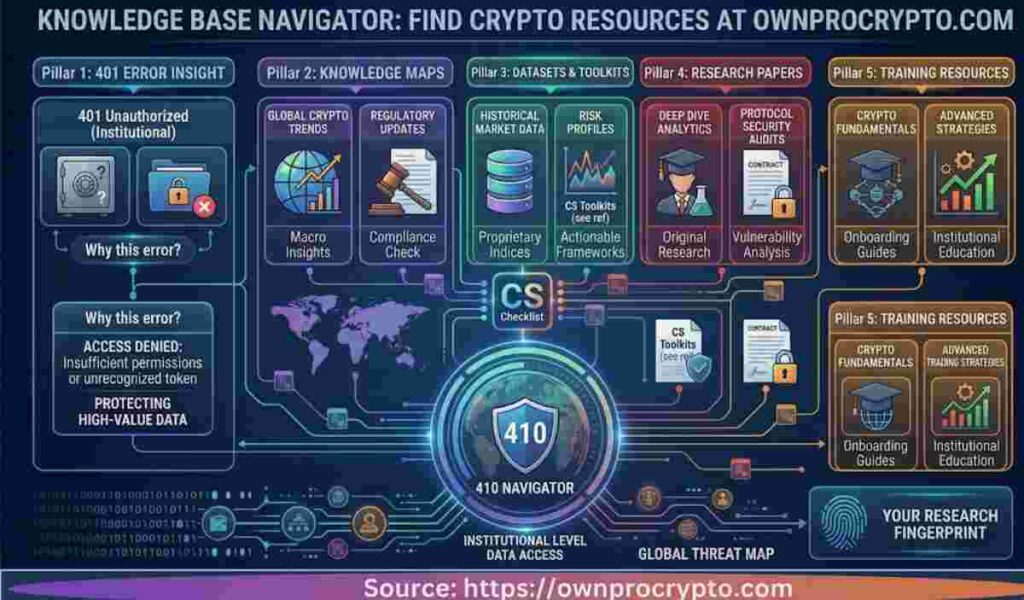
Table of Contents
ToggleCryptocurrency information is distributed across blockchain explorers, exchange platforms, project documentation, market data providers, governance forums, and independent research publications. Each source offers a different perspective, and not all information carries the same level of reliability.
A market price, for example, shows the value at which an asset is being quoted or traded in a particular market. It does not independently establish the strength of a project, the security of its underlying protocol, or the sustainability of its economic model.
Similarly, visible blockchain activity can reveal transaction patterns and network usage, but it does not automatically explain the identity, intentions, or financial position of the people behind those transactions.
A structured research process helps distinguish observable facts from assumptions. It also encourages readers to verify claims, compare multiple sources, and recognize the limitations of available information.

Building an evidence-based crypto research framework requires a structured approach to analyzing digital assets across multiple core operational layers.
Market data can help readers understand price movements, trading activity, liquidity, and changes in market conditions. However, individual metrics should be interpreted in context rather than treated as standalone indicators.
Trading volume, for instance, may provide insight into market activity, but reported figures can vary between platforms. Liquidity also matters because the quoted price may differ from the price available for a transaction of a particular size.
When examining a cryptocurrency, readers should consider the source and timestamp of the data, the market or trading pair involved, and whether the information represents a current observation or historical record.
Public blockchains record transactions and other network events that can be examined through publicly accessible data. Relying on verifiable on-chain data auditing helps researchers evaluate transaction flows, network participation, and activity associated with particular addresses directly from the ledger.
Interpreting blockchain data requires care. An address is not necessarily equivalent to an individual or organization, and a transfer does not always represent a purchase, sale, or change in beneficial ownership.
Readers should also distinguish between confirmed on-chain activity and information reported by third-party platforms. Understanding these differences can prevent misleading conclusions about how a network or digital asset is being used.
Researching a cryptocurrency involves examining the purpose of the project, its technical design, development history, governance arrangements, and economic structure.
Primary sources are especially important. Conducting a thorough tokenomics supply schedule analysis alongside reviewing official documentation, published technical papers, public repositories, and governance proposals helps readers evaluate circulating supply unlocks and long-term token distribution mechanisms.
Independent analysis can provide additional context, but promotional material should not be treated as independent evidence. Claims about adoption, partnerships, expected returns, or technological advantages should be checked against credible sources wherever possible.
Cryptocurrency research should include an assessment of operational, technical, market, and counterparty risks. These risks differ depending on whether a person is using a centralized exchange, holding assets independently, interacting with a decentralized application, or researching a new blockchain project.
Important considerations include the reliability of the platform, the handling of private keys, the permissions requested by applications, the possibility of malicious contracts, and the consequences of irreversible transactions.
No single indicator can establish that a digital asset or platform is safe. Risk assessment is an ongoing process that combines available evidence, an understanding of system limitations, and appropriate caution when information is incomplete.
For people who hold multiple digital assets, tracking accurate portfolio concentration exposure metrics provides a clearer view of asset distribution, volatility risk, and overall sector allocation across different market cycles.
Calculations depend on accurate inputs and consistent methods. Transaction fees, exchange rates, changes in holdings, and differences in reporting periods can affect the results.
Portfolio information is best used to understand a person’s existing position and identify questions that need further investigation. It should not be interpreted as a guarantee of future performance or as an automatic recommendation to buy or sell an asset.
Well-designed practical research resources can make complex cryptocurrency concepts easier to investigate. They may help users organize data, perform calculations, compare scenarios, review publicly available information, or understand technical processes through structured examples.
The most useful resource depends on the question being asked. Someone studying blockchain transactions may need a different type of information from someone comparing asset valuations or learning how digital asset custody works.
Resources should therefore be selected according to their purpose, the quality of their underlying data, and the limitations of their methodology. Readers should understand whether a result is calculated from user-provided inputs, retrieved from an external source, or generated using a simplified model.
A clear explanation of assumptions and limitations is particularly important when a resource deals with financial figures, blockchain activity, or security-related information.
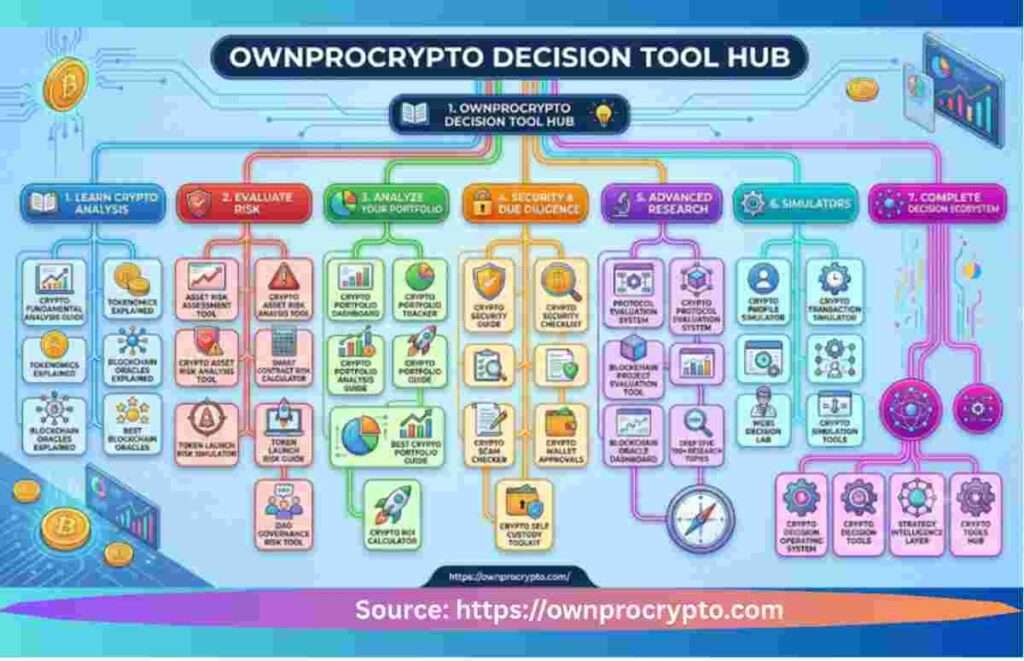
A consistent research process can improve the quality of decisions without requiring every reader to become a blockchain specialist.
This process is useful for beginners learning about digital assets as well as experienced readers conducting more detailed research. The level of analysis may vary, but the underlying principle remains the same: conclusions should be proportionate to the evidence.
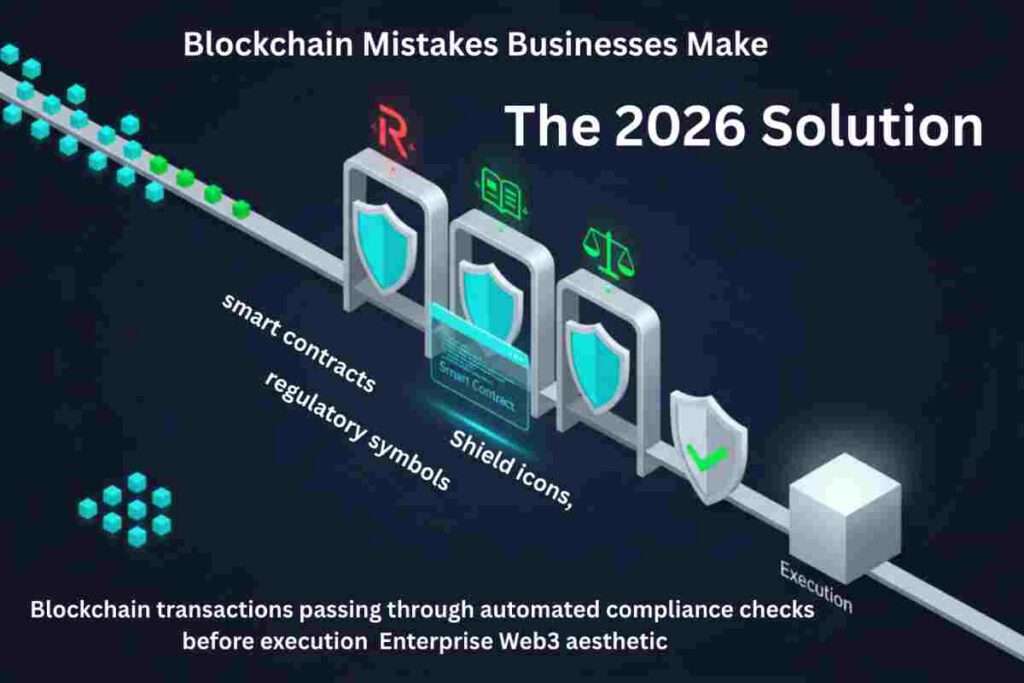
One common mistake is relying on a single metric to judge a cryptocurrency. Price performance, transaction volume, market capitalization, or social engagement can each provide limited information, but none independently establishes long-term value or reliability.
Another mistake is treating a third-party result as definitive without understanding how it was produced. Data may be delayed, incomplete, incorrectly categorized, or based on assumptions that do not apply to a particular situation.
Readers should also be cautious about guarantees, urgency-driven promotions, unverifiable claims of institutional support, and requests for sensitive wallet information. Legitimate research should not require disclosing private keys or seed phrases.
Finally, research resources should support independent judgment rather than replace it. A calculation or data visualization can clarify a question, but the quality of the conclusion still depends on the inputs, the methodology, and the surrounding evidence.
Cryptocurrency research is most effective when it combines reliable information, careful interpretation, and a consistent approach to uncertainty. Market data, blockchain records, project documentation, security considerations, and asset management information can each contribute to a more complete understanding of digital assets.
Practical research resources can make this process more accessible by helping readers examine information and work through relevant questions in one place. Their purpose is to support learning and informed evaluation—not to promise accurate predictions, eliminate risk, or replace independent verification.
By developing sound research habits and understanding the limitations of available information, readers can approach cryptocurrency topics with greater clarity and make decisions based on evidence rather than assumptions.
Educational disclaimer: This article is intended for general informational purposes only. It does not constitute financial, investment, legal, or security advice. Cryptocurrency markets and blockchain applications involve risks, and readers should independently verify information before making decisions.
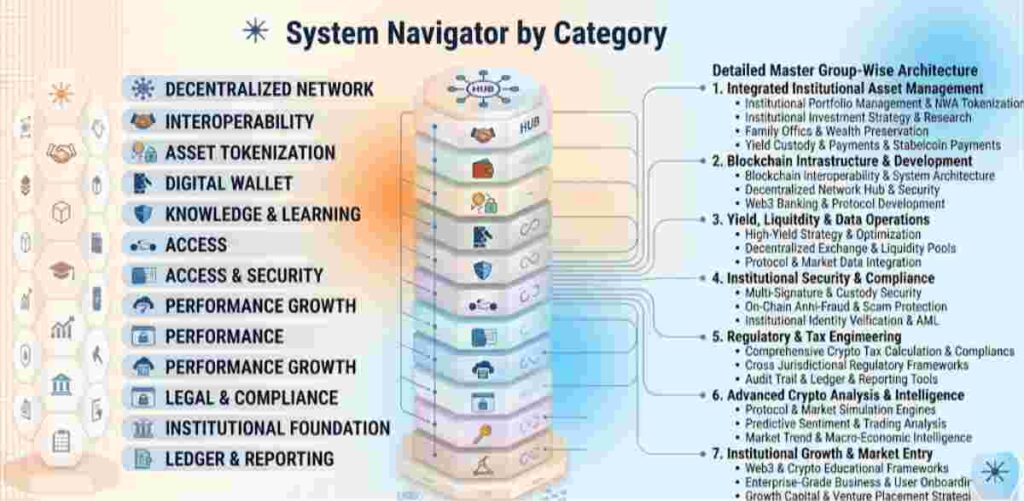
Different research questions call for different resources. The most appropriate starting point depends on whether the goal is to understand blockchain activity, review digital asset information, learn about operational risks, or investigate a technical concept.
The following section can be used to explore relevant resources and practical research options. Choose resources that match the subject being studied, review their stated limitations, and verify important findings against dependable sources.
Discover practical crypto security tools, investment calculators, blockchain analysis systems, portfolio resources, and institutional-grade digital asset research tools.
Protect wallets, assess custody practices, and improve transaction security.
Explore crypto asset risks, project vulnerabilities, and security assessments.
Analyze trading systems, portfolio strategies, and investment performance.
Compare blockchain architectures, oracles, rollups, staking, and cross-chain systems.
Explore digital asset custody models, institutional controls, and long-term wealth planning.
Research crypto projects, understand whitepapers, and evaluate Web3 startup decisions.
Explore crypto tax estimates, stablecoin payment systems, and Lightning economics.