
Search by title, topic or phrase
Use our Crypto Search Engine 🔍 to find the topics and keywords you're looking for.
Table of Contents
ToggleThe best stablecoin payment platforms enable businesses to accept, send, manage, and settle digital payments using fiat-backed stablecoins such as USDC, USDT, EURC, and other regulated digital currencies. By combining traditional financial services with blockchain technology, these platforms deliver faster settlement times, lower transaction costs, 24/7 payment processing, and seamless cross-border transactions without relying solely on conventional banking rails.
As stablecoin adoption accelerates among enterprises, fintech companies, marketplaces, SaaS providers, and global merchants, demand for reliable stablecoin payment providers continues to grow. Modern platforms offer much more than payment processing—they provide developer APIs, embedded wallets, automated compliance, treasury management, fiat on/off ramps, multi-chain support, and enterprise-grade security. These capabilities allow businesses to build scalable payment infrastructure while improving operational efficiency and reducing settlement friction.
Unlike volatile cryptocurrencies such as Bitcoin and Ethereum, stablecoins are designed to maintain a stable value by being pegged to fiat currencies like the U.S. dollar or euro. This price stability enables businesses to benefit from blockchain’s speed, transparency, and lower costs without significant exposure to market volatility, making stablecoins increasingly attractive for everyday commercial payments.
This guide compares the best stablecoin payment platforms in 2026 based on pricing, supported stablecoins, blockchain networks, developer experience, APIs, compliance, settlement capabilities, integrations, security, and enterprise features. Whether you’re a startup, fintech company, online merchant, marketplace, or multinational enterprise, this comprehensive comparison will help you choose the right platform for your business.

Stablecoin payment platforms are financial technology solutions that facilitate the acceptance, transfer, conversion, and settlement of digital payments using fiat-backed stablecoins. Acting as a bridge between traditional finance and blockchain networks, they provide businesses with the infrastructure needed to move money globally, automate payment workflows, and integrate blockchain-based transactions into existing financial systems.
Unlike traditional payment processors that depend on banks, card networks, and limited operating hours, stablecoin payment platforms leverage blockchain technology to enable near real-time settlements, lower processing costs, programmable payments, and round-the-clock availability. Most leading providers support popular stablecoins such as USDC, USDT, EURC, PYUSD, and multiple blockchain networks including Ethereum, Solana, Base, Polygon, Arbitrum, Avalanche, and Tron, giving businesses greater flexibility in how they receive and distribute funds.
The best stablecoin payment platforms also include enterprise-grade capabilities such as payment APIs, embedded wallet infrastructure, treasury management, fiat on/off ramps, automated compliance, KYC/KYB verification, AML monitoring, webhook integrations, and detailed reporting. These features make them a critical component of modern payment infrastructure for e-commerce businesses, fintech companies, SaaS platforms, marketplaces, payroll providers, and organizations operating across multiple countries.
| Feature | Stablecoin Payment Platforms | Traditional Payment Processors |
|---|---|---|
| Settlement Speed | Seconds to minutes | 1–5 business days |
| Availability | 24/7/365 | Banking hours |
| Cross-Border Payments | Fast and direct | Multiple intermediaries |
| Chargebacks | Not supported after blockchain settlement | Common |
| Currency Support | Digital stablecoins with optional fiat conversion | Fiat currencies |
| Developer APIs | Extensive | Varies by provider |
| Merchant Fees | Generally lower | Typically higher |
Key Takeaway: Stablecoin payment platforms combine the speed of blockchain with the stability of fiat-pegged digital assets, giving businesses a faster and more flexible way to move money globally.
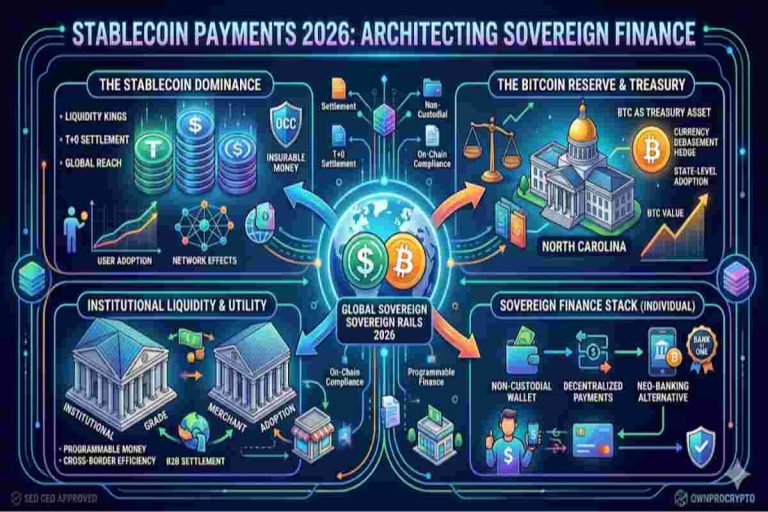
Businesses are no longer exploring stablecoin payments only because they’re innovative they’re adopting them because they solve real operational challenges. Faster settlements, lower processing costs, and easier international payments can improve cash flow while reducing dependence on traditional banking infrastructure.
For companies serving customers across different countries, waiting several business days for international payments to clear can slow operations. Stablecoin payment infrastructure removes many of these delays by enabling transactions to settle on public blockchain networks within seconds or minutes.
Another major advantage is cost efficiency. Traditional card processors, correspondent banks, and international wire services often add multiple layers of fees. Stablecoin payments simplify the process by reducing intermediaries, which can lower payment costs depending on the provider, blockchain network, and settlement method.
Businesses also benefit from an always-on payment system. Unlike banks, blockchain networks don’t close on weekends or public holidays, allowing merchants and enterprises to send or receive payments at any time.
| Business Benefit | Why It Matters |
|---|---|
| Faster Settlement | Improve cash flow with near real-time payments |
| Lower Transaction Costs | Reduce payment processing and international transfer fees |
| 24/7 Availability | Send and receive payments without banking hour restrictions |
| Global Reach | Pay customers, suppliers, and partners worldwide |
| Improved Transparency | Every blockchain transaction can be independently verified |
| Better Treasury Management | Hold stablecoins or automatically convert them into fiat |
Stablecoin payment infrastructure isn’t limited to crypto companies. Today, businesses across multiple industries are using stablecoins to improve payment efficiency, simplify global operations, and reduce banking friction.
Fintech companies use payment APIs and embedded wallets to build modern financial products. SaaS businesses can accept subscription payments from customers worldwide without relying entirely on traditional payment rails. Online marketplaces use automated payout systems to pay sellers in different countries, while merchants benefit from lower payment costs and quicker access to funds.
Large enterprises, financial institutions, and treasury teams are also adopting stablecoin infrastructure to streamline international settlements, improve liquidity management, and modernize legacy payment systems.
| Business Type | Primary Use Case |
|---|---|
| Fintech Companies | Embedded wallets, payment APIs, global transfers |
| SaaS Platforms | Subscription billing and recurring international payments |
| E-commerce Merchants | Stablecoin checkout and optional fiat settlement |
| Online Marketplaces | Automated vendor payouts and split payments |
| Banks & Financial Institutions | Cross-border settlements and digital treasury |
| Crypto Businesses | Fiat on/off ramps and digital asset settlement |
| Global Enterprises | Treasury management and supplier payments |
Expert Insight: Choosing a stablecoin payment platform isn’t just about accepting crypto payments. The right provider should match your business model, compliance requirements, supported countries, preferred blockchains, and the level of API customization your team needs.
Choosing the right stablecoin payment platform depends on what a business actually needs. A global enterprise may prioritize compliance, treasury controls, and institutional settlement, while a SaaS company may simply need an easy checkout experience and reliable APIs.
In 2026, the stablecoin payment market has moved beyond basic crypto acceptance. Leading providers now offer complete financial infrastructure, including payment processing, blockchain connectivity, automated compliance, wallet solutions, fiat conversion, and developer tools.
The four platforms frequently considered among the strongest options are Circle, Stripe, BVNK, and Bridge. Each one solves a different part of the stablecoin payment ecosystem.
| Platform | Best For | Main Strength |
|---|---|---|
| Circle | Enterprise stablecoin infrastructure | USDC issuance, treasury tools, compliance-focused infrastructure |
| Stripe | Merchant payments and online businesses | Simple checkout integration and fiat settlement |
| BVNK | B2B payments and stablecoin banking | Multi-currency accounts and global payment rails |
| Bridge | Developers and fintech builders | Stablecoin APIs, orchestration, and embedded finance |
Circle is widely recognized as one of the leading providers of stablecoin infrastructure, primarily because it operates at the foundation layer of USDC. Businesses using Circle can access tools for stablecoin issuance, payments, treasury management, and blockchain-based settlement.
Its strength comes from combining regulated financial infrastructure with developer-friendly APIs. This makes Circle suitable for companies that require direct USDC functionality, institutional settlement capabilities, and transparent reserve management.
Stripe focuses on making stablecoin payments accessible for internet businesses. Instead of requiring merchants to understand blockchain complexity, Stripe provides familiar payment experiences with automated processing and settlement options.
For e-commerce businesses, SaaS companies, and digital platforms already using Stripe, stablecoin acceptance can be integrated into existing payment workflows with minimal friction.
BVNK approaches stablecoin payments from a banking and treasury perspective. It provides businesses with tools to manage digital assets alongside traditional currencies, making it especially relevant for companies involved in global payments, B2B transactions, and international operations.
Its multi-currency capabilities help businesses receive, hold, convert, and send funds through stablecoin-based payment rails.
Bridge is designed for companies building financial products rather than simply accepting payments. Its API-driven infrastructure allows developers to integrate stablecoin functionality into applications, marketplaces, and fintech platforms.
The platform focuses on stablecoin orchestration—connecting wallets, blockchains, liquidity providers, compliance systems, and banking rails into one programmable layer.
Different businesses have different priorities. There is no single winner for every use case.
| Category | Recommended Platform | Reason |
|---|---|---|
| Best Overall | Circle | Strong USDC infrastructure and institutional reliability |
| Best Developer Infrastructure | Bridge | Flexible APIs and embedded payment tools |
| Best Enterprise Solution | BVNK / Circle | Treasury controls and compliance capabilities |
| Best Merchant Payment Platform | Stripe | Simple checkout experience |
| Best Cross-Border Payments | Bridge / BVNK | Global payout and settlement infrastructure |
| Best Regulated Infrastructure | Circle / Paxos | Compliance-focused approach |
A strong stablecoin payment provider should not only process transactions—it should provide reliable infrastructure that businesses can depend on.
For this comparison, the main evaluation factors include supported stablecoins, blockchain compatibility, regulatory compliance, developer tools, settlement options, and pricing transparency.
Businesses should consider both current requirements and future growth. A platform that works for a small online store may not be suitable for a multinational company managing millions of dollars in payments.
| Evaluation Factor | What Businesses Should Check |
|---|---|
| Supported Stablecoins | USDC, USDT, EURC, and other fiat-backed assets |
| Blockchain Support | Ethereum, Solana, Base, Polygon, Arbitrum, and other networks |
| Compliance | Licensing, KYC/AML processes, regulatory framework |
| API Quality | Documentation, SDKs, reliability, developer experience |
| Settlement Options | Fiat conversion, bank payouts, treasury management |
| Security | Wallet protection, transaction monitoring, infrastructure security |
| Pricing | Transaction fees, volume discounts, enterprise pricing |
Key Takeaway: The best stablecoin payment platform depends on your business model. Circle leads in infrastructure, Stripe simplifies merchant adoption, BVNK strengthens business banking workflows, and Bridge gives developers the tools to build custom financial products.

A stablecoin payment platform should be judged by more than features alone. Businesses need to understand how each provider fits into real-world payment workflows.
Some platforms are designed for developers building financial applications, while others focus on merchants who want simple checkout solutions. Enterprise companies may prioritize compliance, treasury management, and global settlement capabilities.
The following reviews examine each major provider based on its strengths, ideal users, infrastructure capabilities, and practical business applications.
Circle is one of the most recognized names in the stablecoin ecosystem because it provides the core infrastructure behind USDC. Rather than operating only as a payment gateway, Circle functions as a financial technology layer that allows businesses to create, manage, and move digital dollars globally.
Its platform is built around regulated stablecoin infrastructure, helping companies access programmable money, blockchain settlement, and enterprise-grade payment tools.
For businesses that require direct USDC functionality, institutional reliability, and transparent digital asset operations, Circle remains one of the strongest options.
Circle’s biggest advantage is its connection with USDC, one of the most widely used regulated dollar-backed stablecoins.
Businesses can use Circle infrastructure to manage digital dollar payments, automate settlements, and integrate blockchain-based transactions into existing financial systems.
Unlike traditional payment systems that rely on multiple intermediaries, blockchain settlement allows businesses to track transactions transparently while reducing operational friction.
Circle’s payment infrastructure allows companies to move value between digital assets and traditional financial systems through APIs and connected financial partners.
For developers and enterprises, this creates opportunities to build payment applications where users can send, receive, convert, and settle funds through programmable workflows.
Large companies often require more than payment acceptance—they need predictable settlement, compliance controls, reporting, and treasury visibility.
Circle’s enterprise-focused infrastructure helps organizations connect blockchain-based payments with traditional banking systems while maintaining operational control.
| Category | Details |
|---|---|
| Best For | Enterprise USDC payments and infrastructure |
| Main Strength | Native USDC ecosystem |
| Ideal Users | Fintechs, enterprises, developers |
| Key Advantage | Institutional-grade stablecoin infrastructure |
| Main Consideration | Best suited for companies needing deeper infrastructure rather than simple checkout |
Expert Insight: Circle is not simply a crypto payment processor. It operates closer to a digital financial infrastructure provider, making it more suitable for companies building long-term payment systems rather than businesses looking for a basic “accept crypto” button.
Stripe has become one of the easiest entry points for businesses that want to explore stablecoin payments without building blockchain infrastructure from scratch.
The company’s strength comes from its existing payment ecosystem. Millions of businesses already use Stripe for online payments, subscriptions, and billing, making stablecoin functionality easier to integrate into familiar workflows.
Stripe focuses on simplifying the customer experience by handling much of the technical complexity behind blockchain transactions.
Stripe’s stablecoin payment approach is designed around usability. Businesses can accept supported stablecoin payments while maintaining a familiar merchant experience.
Instead of managing wallets, private keys, and blockchain operations directly, merchants can use Stripe’s existing tools and dashboards.
For online businesses, checkout experience matters.
Stripe’s advantage is reducing blockchain complexity for customers. A buyer can complete payment while the merchant receives settlement through the preferred financial workflow.
This makes stablecoin payments feel closer to traditional online payments rather than a specialized crypto transaction.
Stripe is known for developer-friendly documentation, APIs, SDKs, and payment components.
For businesses already using Stripe infrastructure, adding stablecoin payments can require significantly less technical work compared with building an independent blockchain payment system.
| Category | Details |
|---|---|
| Best For | Online merchants and SaaS businesses |
| Main Strength | Simple payment integration |
| Ideal Users | E-commerce, subscriptions, digital platforms |
| Key Advantage | Familiar payment experience |
| Main Consideration | Less focused on deep blockchain infrastructure |
BVNK takes a different approach by combining stablecoin payments with business banking capabilities.
Instead of focusing only on checkout transactions, BVNK provides tools for businesses that need to manage digital assets, receive payments, convert currencies, and handle global financial operations.
This makes it especially useful for companies dealing with international customers, suppliers, and cross-border payments.
BVNK provides business accounts designed to support both traditional currencies and stablecoins.
This hybrid approach allows companies to manage digital dollar payments while maintaining connections with traditional banking systems.
Businesses can integrate BVNK’s payment infrastructure into their own platforms, allowing automated collection, conversion, reconciliation, and payout processes.
This is valuable for marketplaces, fintech companies, and businesses handling large transaction volumes.
Global businesses often face challenges managing liquidity across multiple currencies.
BVNK helps organizations move between fiat and stablecoins efficiently, improving treasury flexibility and reducing dependence on slow international payment channels.
| Category | Details |
|---|---|
| Best For | Global businesses and B2B payments |
| Main Strength | Stablecoin banking and treasury |
| Ideal Users | Enterprises, marketplaces, fintechs |
| Key Advantage | Multi-currency financial operations |
| Main Consideration | More business-focused than consumer-focused |
Bridge is a stablecoin payment infrastructure platform designed to help businesses build blockchain-powered financial products without managing the complexity of wallets, blockchain nodes, or liquidity. Rather than serving as a traditional payment processor, Bridge provides developer-focused infrastructure that enables companies to integrate stablecoin payments, programmable money movement, treasury operations, and global payouts through a unified API. Its emphasis on abstraction allows fintech companies, marketplaces, payroll providers, and enterprise applications to launch stablecoin-powered services with significantly reduced development effort.
Bridge is built with developers in mind, making it a strong choice for companies that need customizable payment infrastructure instead of an out-of-the-box checkout solution. Its API-first architecture enables engineering teams to automate payment workflows, embed financial services into existing applications, and build scalable products without maintaining blockchain infrastructure internally.
The platform is particularly well suited for fintech startups, SaaS platforms, payroll providers, embedded finance applications, and businesses that require programmable payment capabilities. Organizations seeking greater flexibility and control over stablecoin transactions may find Bridge more suitable than merchant-focused payment processors.
Best For
One of Bridge’s primary strengths is its comprehensive API ecosystem. Developers can integrate stablecoin payments, automate transfers, initiate payouts, manage balances, and connect blockchain-based payment flows through modern REST APIs and developer tools.
Rather than focusing solely on payment acceptance, Bridge provides programmable financial infrastructure that supports custom business logic, automated reconciliation, and scalable transaction processing. This makes it an attractive solution for organizations building financial products that require stablecoin settlement, treasury management, or cross-border payment capabilities.
Bridge simplifies blockchain integration by providing managed wallet infrastructure that reduces operational complexity for businesses. Instead of building and maintaining wallet systems from scratch, companies can leverage integrated wallet services to securely hold, send, and receive digital assets while maintaining a streamlined user experience.
This managed approach helps reduce development time, improves operational efficiency, and allows businesses to focus on customer-facing products rather than blockchain infrastructure. Combined with programmable APIs, wallet services become a foundation for embedded payments, treasury operations, and digital asset management.
Stablecoins are increasingly being adopted for international payments because they can reduce settlement times and simplify cross-border money movement. Bridge enables businesses to build global payment workflows using stablecoin infrastructure, allowing funds to move between supported markets without relying exclusively on traditional correspondent banking networks.
For businesses operating internationally, programmable stablecoin payments can improve treasury efficiency, reduce settlement delays, and streamline global payouts to customers, suppliers, contractors, and business partners. This makes Bridge an appealing option for companies expanding into multiple regions or managing distributed workforces.
Key Takeaway: Stripe wins where simplicity matters. It is designed for businesses that want stablecoin payments without becoming blockchain experts.

Selecting a stablecoin payment provider requires looking beyond brand recognition. Businesses need to compare supported assets, blockchain networks, API capabilities, compliance standards, settlement options, and pricing models.
The following comparison provides a practical overview of the leading platforms.
| Feature | Circle | Stripe | BVNK | Bridge |
|---|---|---|---|---|
| Best For | Enterprise USDC infrastructure | Merchant payments | B2B stablecoin banking | Developer infrastructure |
| Primary Stablecoin | USDC | USDC | USDC, USDT, EURT, PYUSD | USDC, USDT, USDP |
| USDC Support | Native | Native | Native | Native |
| USDT Support | Limited/Indirect | Not supported | Native | Native |
| Blockchain Support | Ethereum, Solana, Base, Polygon, Arbitrum, Optimism | Base, Ethereum, Polygon | Ethereum, Solana, Tron, Polygon, BSC | Ethereum, Solana, Base, Polygon, Stellar |
| API Capability | Advanced APIs and webhooks | Stripe SDK ecosystem | B2B payment APIs | Developer-first APIs |
| Merchant Payments | Yes | Yes | Yes | Via orchestration layer |
| Fiat Settlement | Bank settlement options | Automatic fiat conversion | Multi-currency payouts | Programmatic payouts |
| Compliance Focus | Very strong | Strong | Strong | Strong |
| Ideal User | Enterprises and fintechs | Online businesses | Global businesses | Developers and platforms |
Circle is an infrastructure powerhouse that provides direct USDC minting, deep treasury APIs, and institutional control. Stripe focuses on merchant-facing e-commerce adoption, offering simple checkout flows that abstract away blockchain complexity and automatically settle in fiat.
Circle focuses tightly on USDC issuance, programmability, and developer APIs. BVNK functions more like a stablecoin neo-bank, providing multi-currency merchant accounts, B2B payout rails, and broad multi-stablecoin support (including USDT).
Stripe targets mainstream e-commerce merchants with ready-to-use checkout UI. Bridge provides developer-first orchestration APIs designed for fintechs, apps, and platforms building custom global payment flows from the ground up.
BVNK excels in merchant acquiring, B2B invoicing, and multi-currency treasury management. Bridge specializes in developer orchestration, cross-border payout routing, and embedded wallet infrastructure.
Traditional payment processors rely on legacy card networks (Visa, Mastercard), multi-day clearinghouses (ACH), or expensive wire networks (SWIFT), resulting in high interchange fees and settlement delays. Stablecoin infrastructure bypasses intermediaries entirely, settling peer-to-peer or via blockchain networks instantaneously at a fraction of the cost.
| Feature | Stablecoins | Traditional Processors |
|---|---|---|
| Settlement | Minutes | Days |
| Global Payments | Native | Intermediaries |
| Automation | APIs | Limited |
Expert Insight: BVNK represents the shift from “crypto payments” toward “digital financial operations”—where stablecoins become part of everyday business treasury management.
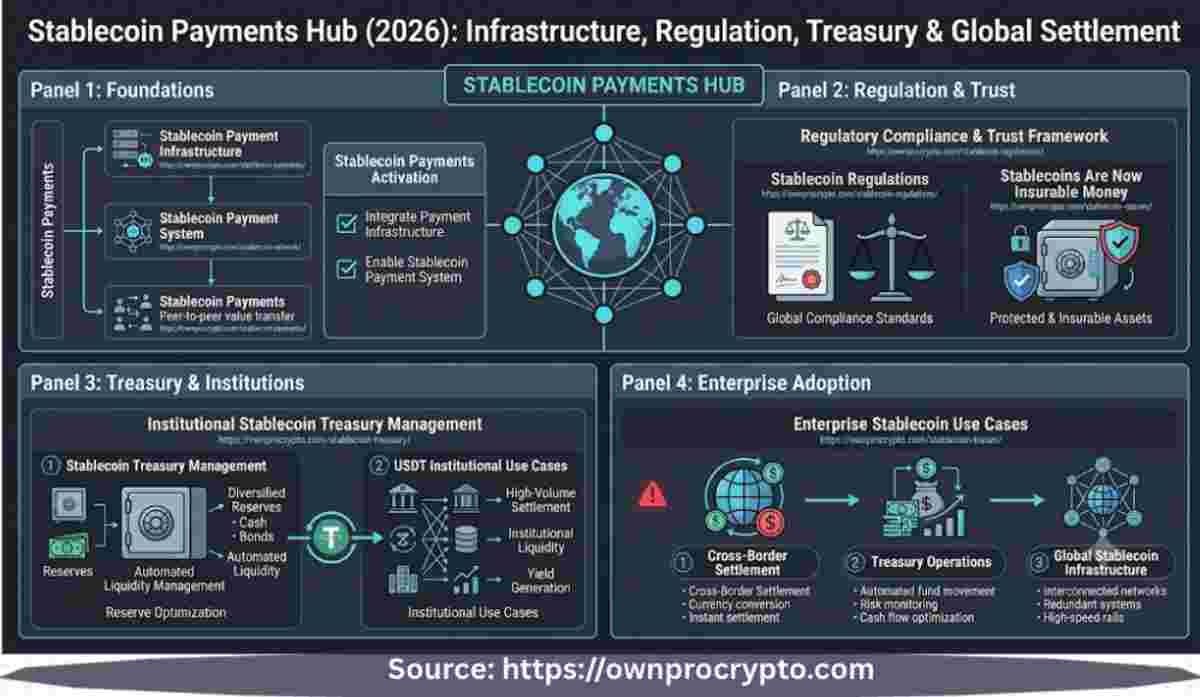
The customer initiates a checkout or transfer using a digital wallet or integrated app, selecting a supported stablecoin (like USDC) on a specific blockchain network.
The platform’s payment gateway or wallet infrastructure verifies the transaction broadcast and locks the transaction parameters.
The transaction is validated on-chain (e.g., Solana or Base) within seconds, achieving cryptographic finality without chargeback risks.
Depending on merchant preference, the stablecoins are either retained as digital assets in a treasury account or programmatically routed for instant conversion.
If fiat is selected, the stablecoins are converted via liquidity partners and deposited directly into the merchant’s traditional bank account via local clearing rails.
Stablecoin payments are not a single product. They are a full financial system made of different layers working together.
 Infrastructure Layer (Technical Foundation)
This is the base system that moves money:
 Financial Layer (Money Movement)
This layer controls value flow:
 Regulation Layer (Control & Trust)
This layer ensures compliance and trust:
 Institutional Layer (Adoption)
This is where real-world adoption happens:
Modern architecture combines front-end SDKs, transaction policy engines, compliance screening APIs, liquidity routing smart contracts, and banking ledger integrations.
The underlying settlement layer leverages public, high-throughput blockchains to ensure immediate, low-cost settlement.
| Network | Advantage |
|---|---|
| Ethereum | Security |
| Solana | Speed |
| Base | Low fees |
| Polygon | Scalability |
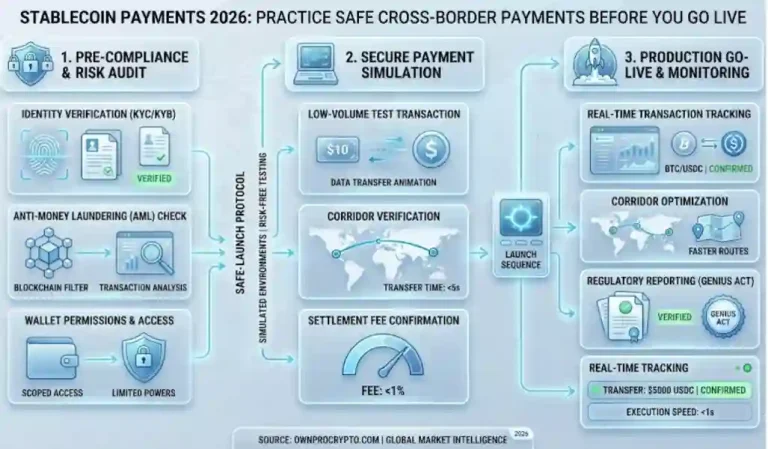
Reading about stablecoin payment infrastructure is useful, but seeing each step of a payment flow makes the concepts much easier to understand.
Our Stablecoin Payment System Simulator is an educational tool that demonstrates how modern payment orchestration works using stablecoins such as USDC. Instead of sending real funds, the simulator recreates the payment journey—from fiat onramp to blockchain settlement and fiat offramp—allowing you to explore the process in a risk-free environment.
Whether you’re a developer, student, fintech professional, or business owner, the simulator helps visualize how stablecoin payments are routed and settled across different blockchain networks.
| Feature | What You’ll Learn |
|---|---|
| Fiat Onramp | How traditional currency enters the stablecoin ecosystem |
| Routing Engine | How networks are selected based on speed, cost, or liquidity |
| Blockchain Settlement | How stablecoins move between sender and recipient |
| Fiat Offramp | How digital assets are converted back into local currency |
| Unified Transaction Ledger | How every payment step is recorded and tracked |
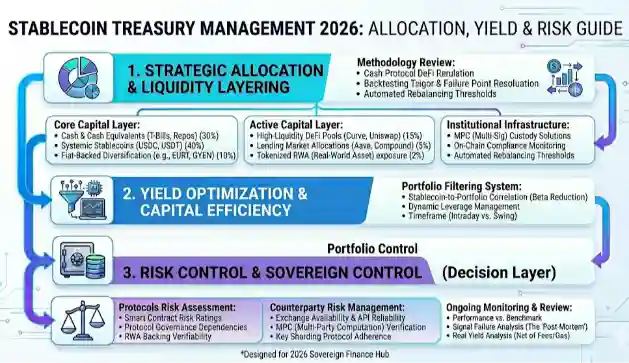
Unlike traditional bank transfers, blockchain transactions are generally irreversible once confirmed. Sending funds to the wrong wallet address or choosing the wrong network can result in permanent loss.
The simulator provides a safe environment where you can:
Fiat Currency
      │
      ▼
 Fiat Onramp
      │
      ▼
   USDC Issued
      │
      ▼
Routing Engine
      │
      ▼
Blockchain Network
(Solana • Stellar • Ethereum)
      │
      ▼
 Stablecoin Transfer
      │
      ▼
  Fiat Offramp
      │
      ▼
Recipient Receives FundsThe simulator uses USDC as the settlement asset to demonstrate a typical stablecoin payment workflow. It is designed for learning purposes only and does not process real transactions or move customer funds.
Interactive Learning: If you’re new to stablecoin infrastructure, spending a few minutes with the simulator can make concepts like payment routing, blockchain settlement, and fiat conversion much easier to understand than reading documentation alone.
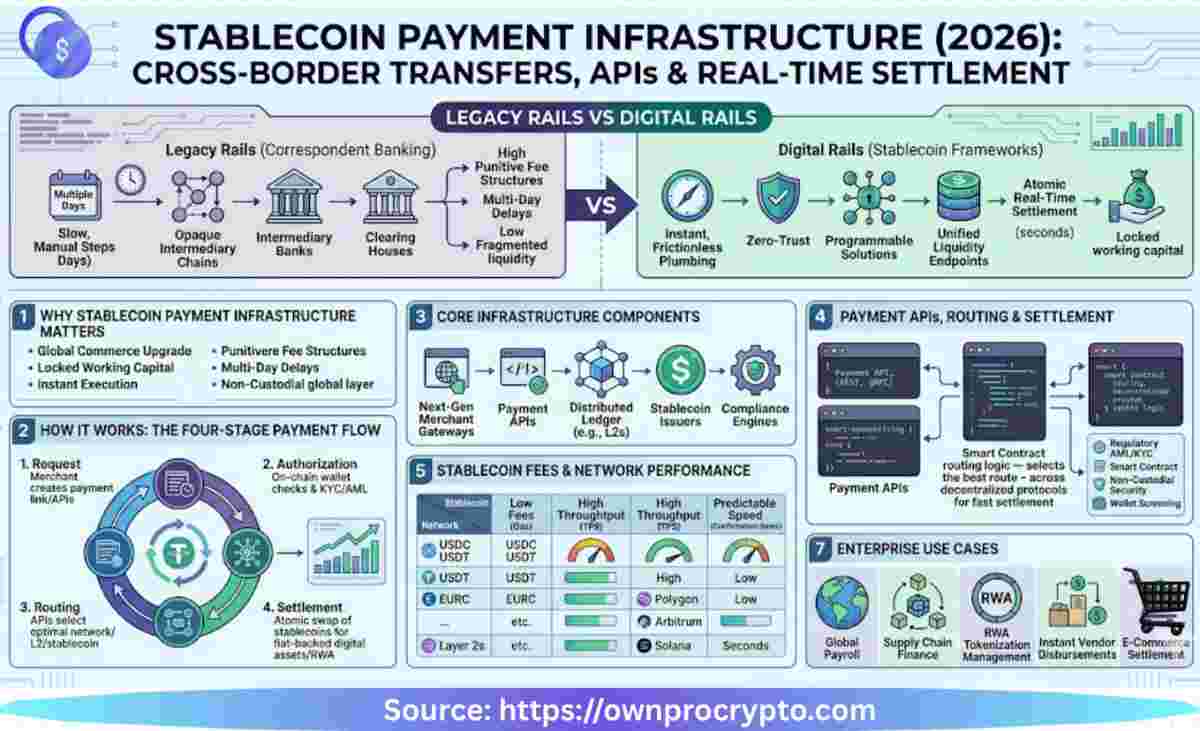
A stablecoin payment API is a set of programmatic endpoints that allows developers to integrate stablecoin acceptance, automated conversions, wallet creation, and multi-chain payouts directly into software applications.
Circle, Bridge, BVNK, and Zero Hash lead the market in robust, production-ready developer APIs and SDKs.
Enables non-crypto native apps (like SaaS platforms or marketplaces) to embed stablecoin functionality invisibly beneath a standard user interface.
Comprehensive libraries in JavaScript, Python, Go, and Ruby that accelerate time-to-market for engineering teams building financial apps.
Bridge: Offers powerful orchestration tools and developer-friendly APIs to scale custom financial products.
Stripe: Delivers frictionless recurring billing and global subscription management with instant conversion.
BVNK: Provides split-payment architectures and multi-currency accounts to disburse funds to international vendors smoothly.
Stripe / Circle: Combines easy e-commerce checkouts with robust USDC infrastructure.
Bridge / BVNK: Drastically cuts down cross-border transfer costs and settlement times compared to traditional wire networks.
Circle / Paxos: Offers heavily regulated infrastructure, strict compliance frameworks, and institutional trust.
Circle API / Zero Hash: Seamlessly integrates native token utility and gas-abstracted payment flows.
Circle / BVNK: Delivers deep liquidity, enterprise treasury controls, and robust security models.
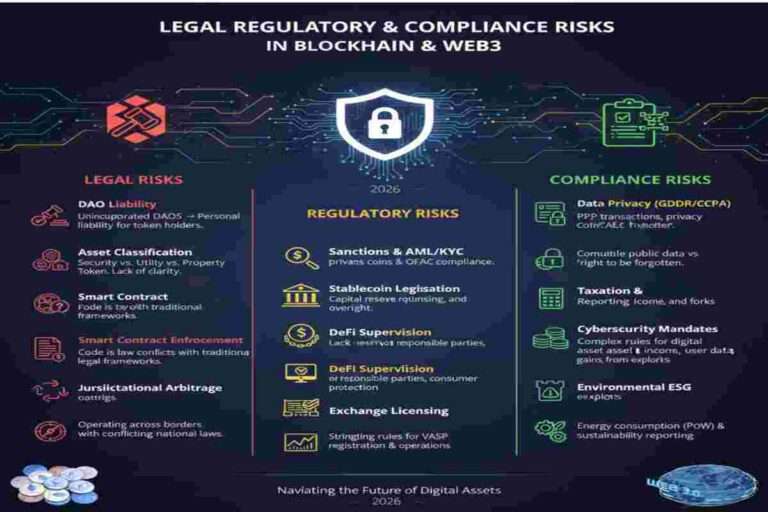
Yes, when executed through regulated platforms utilizing Multi-Party Computation (MPC), secure wallet architecture, and audited smart contracts, stablecoin payments offer transparency superior to legacy banking rails.
Combines decentralized cryptographic ledgers with institutional-grade access controls, hardware security modules (HSMs), and real-time threat monitoring.
Utilizes advanced key management (MPC) to eliminate single points of failure and unauthorized wallet access.
Automated monitoring flags abnormal transaction patterns, preventing illicit fund flows and complying with financial crime laws.
Cryptographic finality entirely eliminates the risk of fraudulent credit card chargebacks.
Strict adherence to FinCEN guidelines, state money transmission laws, and Bank Secrecy Act (BSA) mandates.
Full compliance with the Markets in Crypto-Assets framework, enforcing strict operational transparency, reserve audits, and consumer protections.
Alignment with FATF recommendations, local VASP registrations, and cross-border compliance standards.
Pricing models typically include transparent transaction fees ranging from 0.1% to 1.5%, depending on whether funds are retained as stablecoins or converted immediately to fiat.
Significantly lower than traditional credit card processing fees, which average 2% to 3.5% per swipe.
Often included in platform processing volume tiers or structured via enterprise software subscription fees.
Network gas fees on chains like Solana or Base cost fractions of a cent, while L1 settlement costs scale efficiently with volume.
Fees applied when exchanging stablecoins into local fiat currencies for bank deposit.
Custom volume-based pricing structures tailored for high-volume corporate treasuries and fintech platforms.
Stablecoin transactions bypass card networks and interchange fees, saving merchants up to 70% in processing costs.
Staging a stablecoin transfer costs pennies and settles in seconds, whereas international SWIFT wires take 3–5 business days and incur hefty intermediary bank fees.

Stablecoins offer instant settlement and zero chargebacks, whereas credit cards involve multi-party clearing, high interchange fees, and high vulnerability to chargeback fraud.
ACH transfers take multiple business days to clear and are restricted to banking hours, while stablecoins operate 24/7/365 with instant finality.
SWIFT cross-border wires are notoriously slow, expensive, and opaque. Stablecoins provide transparent, near-instantaneous global value transfer.
PayPal charges high merchant processing and currency conversion fees and carries platform freeze risks, whereas stablecoin rails give businesses direct self-sovereign control or instant regulated settlement.
While Central Bank Digital Currencies are state-issued trials, stablecoins are market-tested, globally accessible digital assets currently deployed at scale across commercial infrastructure.
Businesses should utilize stablecoins for cross-border vendor payouts, high-ticket B2B transactions, international SaaS billings, and anytime instant liquidity is required.
Global corporations are increasingly embedding stablecoins into their balance sheet management and operational payment workflows.
Traditional correspondent banking is rapidly being supplanted by direct stablecoin routing networks.
Commercial bank money and tokenized deposits are converging with public stablecoin rails to create unified liquidity networks.
Yield-bearing stablecoins and tokenized RWAs are beginning to intersect with instant payment and settlement systems.
Neo-banks and specialized fintechs are building native stablecoin banking stacks that rival legacy financial institutions.
Autonomous AI agents are adopting stablecoin APIs to execute machine-to-machine micro-transactions and programmatic supply-chain payments instantly.
The global payment grid is shifting toward an always-on, programmable, instant-settlement ecosystem powered entirely by stablecoin infrastructure.
Circle: Unmatched for direct USDC utility, developer flexibility, and institutional stability.
Bridge: The premier orchestration platform for building custom multi-chain payment apps and embedded wallets.
BVNK: Ideal for multi-currency treasury management, global B2B payouts, and robust stablecoin banking accounts.
Stripe: The easiest plug-and-play solution for internet businesses wanting to accept USDC checkouts.
Circle / Paxos: Best for institutions requiring strict regulatory compliance and transparent reserves.
Bridge / BVNK: Exceptional for lowering international payout costs and bypassing slow legacy wires.
Selecting the right stablecoin payment platform depends on your technical requirements, geographic footprint, and whether you need turnkey merchant checkouts or deep developer APIs. Evaluate your transaction volume and integration goals to choose the provider that aligns best with your growth strategy.
For institutions exploring the regulatory and technical foundations of digital infrastructure, trusted research from public institutions such as the U.S. National Institute of Standards and Technology can provide valuable guidance on digital twin frameworks and industrial IoT systems: http://www.nist.gov
What is the best stablecoin payment platform in 2026?
The leading stablecoin payment platform is Circle for core USDC infrastructure, alongside specialized options like Stripe for merchants, BVNK for B2B banking, and Bridge for developer APIs.
What is the best stablecoin payment provider?
Top providers include Circle, BVNK, Bridge, and Stripe, each catering to distinct use cases ranging from merchant checkout to complex cross-border orchestration.
Which company has the best stablecoin infrastructure?
Circle and Bridge lead the market in robust developer infrastructure, multi-chain liquidity routing, and enterprise-grade API reliability.
Is Circle the best stablecoin platform?
Yes, Circle stands out as a premier platform due to its direct issuance of USDC, secure minting infrastructure, and comprehensive global compliance framework.
Does Stripe support stablecoin payments?
Yes, Stripe enables internet businesses to accept native USDC payments with automated conversion to fiat currency.
What is BVNK used for?
BVNK is used by businesses for multi-currency stablecoin accounts, global B2B merchant acquiring, and automated treasury settlements.
What is Bridge stablecoin infrastructure?
Bridge is a developer-first stablecoin orchestration platform that provides APIs for cross-border payments, wallet creation, and fiat-crypto conversions.
How do businesses accept stablecoin payments?
Businesses accept stablecoins by integrating payment gateways (like Stripe or BVNK) or developer APIs (like Circle or Bridge) into their checkout flows or invoicing systems.
How do stablecoin payment APIs work?
Stablecoin payment APIs allow software applications to programmatically generate invoices, detect blockchain transactions, screen wallets for compliance, and trigger payouts or fiat conversions.
What is a stablecoin payment gateway?
A stablecoin payment gateway is a software tool that processes digital asset transactions for merchants, facilitating secure checkout and optional conversion into local fiat currency.
Which stablecoin is best for payments?
USDC is widely regarded as the best stablecoin for business payments due to its strict regulatory transparency, 1:1 USD backing, and broad multi-chain support.
USDC vs USDT for payments?
USDC offers superior regulatory transparency and institutional compliance, while USDT maintains massive global trading liquidity, especially in emerging markets.
Are stablecoin payments cheaper than credit cards?
Yes, stablecoin payments bypass legacy card networks and expensive interchange fees, saving businesses up to 70% in transaction costs.
Are stablecoin payments regulated?
Yes, top-tier stablecoin payment platforms operate under strict regulatory frameworks, including state money transmitter licenses, VASP registrations, and European MiCA compliance.
Are stablecoin payments safe?
Stablecoin payments are cryptographically secure and eliminate chargeback fraud, provided they are processed through audited, reputable infrastructure providers.
What companies use stablecoin payments?
Global enterprises, cross-border fintechs, SaaS providers, and e-commerce merchants increasingly utilize stablecoins to streamline global cash flows.
How fast are stablecoin payments?
Stablecoin payments settle on-chain in seconds, offering near-instantaneous finality compared to multi-day bank transfers.
Can businesses receive stablecoins?
Yes, businesses can choose to hold stablecoins directly in digital treasuries or have them automatically converted into local fiat currency.
Can merchants convert stablecoins to fiat?
Yes, platforms like Stripe, BVNK, and Circle provide seamless automated conversion of received stablecoins into fiat deposited directly into bank accounts.
What is stablecoin settlement?
Stablecoin settlement is the final, irreversible transfer of stablecoin value on a blockchain network between a buyer and a merchant or enterprise.
What is stablecoin orchestration?
Stablecoin orchestration refers to software layers that manage multi-chain liquidity, routing, compliance screening, and conversion logic across different payment rails.
Can businesses accept USDC payments?
Yes, businesses can easily accept USDC using specialized merchant checkouts and developer APIs provided by industry leaders.
Which stablecoin API is best for developers?
Bridge and Circle provide some of the most robust, developer-friendly APIs and SDKs for building scalable crypto-fiat applications.
These templates are used to track, manage, and understand stablecoin operations in real scenarios.
| Platform | Developer Experience | Enterprise Features | Compliance | Global Coverage | Overall Example Score |
|---|---|---|---|---|---|
| Circle | 9.8 | 9.7 | 10.0 | 9.6 | 9.8/10 |
| Stripe | 9.5 | 8.8 | 9.6 | 9.4 | 9.3/10 |
| BVNK | 9.0 | 9.5 | 9.3 | 9.2 | 9.3/10 |
| Bridge | 9.9 | 8.9 | 9.2 | 9.1 | 9.4/10 |
| ExamplePay | 8.2 | 8.0 | 8.5 | 8.1 | 8.2/10 |
Note: Example scores shown for demonstration only and not based on independent laboratory testing.
| Business Type | Recommended Platform | Why |
|---|---|---|
| Startup | Bridge | API-first integration |
| SaaS Company | Stripe | Easy recurring billing |
| Enterprise | Circle | Institutional infrastructure |
| Marketplace | BVNK | Global payouts |
| Fintech | Bridge | Embedded finance tools |
| Feature | Circle | Stripe | BVNK | Bridge | ExamplePay |
|---|---|---|---|---|---|
| USDC Support | ✅ | ✅ | ✅ | ✅ | ✅ |
| USDT Support | Limited | ❌ | ✅ | ✅ | ✅ |
| API Access | Advanced | Advanced | Advanced | Advanced | Standard |
| Webhooks | ✅ | ✅ | ✅ | ✅ | ✅ |
| Multi-chain | ✅ | Limited | ✅ | ✅ | Limited |
| Merchant Checkout | API | Native | API | API | Native |
| Category | Weight | Circle | Stripe | BVNK | Bridge | ExamplePay |
|---|---|---|---|---|---|---|
| Compliance | 25% | 10 | 9 | 9 | 8 | 8 |
| Security | 20% | 10 | 9 | 9 | 9 | 8 |
| APIs | 20% | 10 | 9 | 9 | 10 | 7 |
| Settlement | 20% | 10 | 9 | 9 | 9 | 8 |
| Global Reach | 15% | 9 | 9 | 9 | 9 | 7 |
| Stablecoin | Circle | Stripe | BVNK | Bridge | ExamplePay |
|---|---|---|---|---|---|
| USDC | ✅ | ✅ | ✅ | ✅ | ✅ |
| USDT | Limited | ❌ | ✅ | ✅ | ✅ |
| EURC | ✅ | ❌ | Limited | Limited | ❌ |
| PYUSD | ❌ | ❌ | ✅ | Limited | ❌ |
| USDP | ❌ | ❌ | ❌ | ✅ | ❌ |
| Network | Circle | Stripe | BVNK | Bridge | ExamplePay |
|---|---|---|---|---|---|
| Ethereum | ✅ | ✅ | ✅ | ✅ | ✅ |
| Solana | ✅ | ❌ | ✅ | ✅ | Limited |
| Base | ✅ | ✅ | ❌ | ✅ | ❌ |
| Polygon | ✅ | ✅ | ✅ | ✅ | Limited |
| Tron | ❌ | ❌ | ✅ | ❌ | ❌ |
| Platform | Average Confirmation | Fiat Settlement | Availability |
|---|---|---|---|
| Circle | Seconds–minutes | Same/next business day* | 24/7 |
| Stripe | Seconds–minutes | According to payout schedule | 24/7 |
| BVNK | Seconds–minutes | Configurable | 24/7 |
| Bridge | Seconds–minutes | API-controlled | 24/7 |
| ExamplePay | Minutes | Next business day | 24/7 |
*Timing depends on banking rails and configuration.
| Platform | Transaction Fees | API Pricing | Enterprise Plans |
|---|---|---|---|
| Circle | Volume-based | Included | Custom |
| Stripe | Percentage-based | Included | Custom |
| BVNK | Volume-based | Included | Yes |
| Bridge | Volume/API | Custom | Yes |
| ExamplePay | Flat fee | Standard | Limited |
| Security Feature | Circle | Stripe | BVNK | Bridge | ExamplePay |
|---|---|---|---|---|---|
| KYC | ✅ | ✅ | ✅ | ✅ | ✅ |
| AML Monitoring | ✅ | ✅ | ✅ | ✅ | Limited |
| Sanctions Screening | ✅ | ✅ | ✅ | ✅ | Limited |
| Audit Logs | ✅ | ✅ | ✅ | ✅ | ✅ |
| Role-Based Access | ✅ | ✅ | ✅ | ✅ | ❌ |
| If You Need… | Best Choice |
|---|---|
| Enterprise USDC infrastructure | Circle |
| Plug-and-play checkout | Stripe |
| Treasury management | BVNK |
| Developer APIs | Bridge |
| General-purpose platform | Evaluate multiple providers |
STABLECOIN PAYMENTS HUB
├── Foundations
├── Stablecoins Are Now Insurable Money
├── Regulation & Trust
└── Stablecoins Are Now Insurable Money
├── Treasury & Institutions
├── Stablecoin Treasury Management
└── USDT Institutional Use Cases
└── Enterprise Adoption
└── Global Stablecoin Infrastructure