
Search by title, topic or phrase
Use our Crypto Search Engine 🔍 to find the topics and keywords you're looking for.
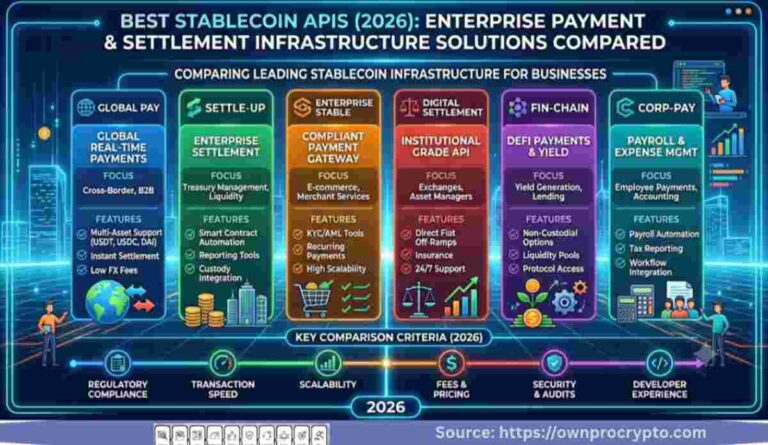
Choosing the Best Stablecoin APIs is about much more than finding a platform with good documentation or a simple REST endpoint. A modern stablecoin API sits between banking systems, blockchain networks, compliance engines, treasury operations, payment processors, and customer applications. One integration can automate payments across more than 150 countries, reduce settlement from several business days to just a few minutes, and significantly lower operational costs compared with traditional cross-border payment methods.
As institutional adoption accelerates, Stablecoin APIs are becoming the invisible infrastructure behind digital banking, payroll, e-commerce, marketplaces, tokenization platforms, and enterprise treasury systems. Understanding how this infrastructure works helps businesses avoid expensive migrations, security risks, and compliance failures later.
💡 Tip: Think of a Stablecoin API as financial infrastructure, not just developer software. The best long-term decision is the platform that scales with your business, compliance requirements, and payment volume.
Table of Contents
ToggleA Stablecoin API is a collection of secure programming interfaces that allows software applications to interact with stablecoins such as USDC, USDT, EURC, and other regulated digital currencies. Instead of manually interacting with blockchain wallets, businesses use APIs to automate financial operations including payments, treasury management, wallet creation, settlement, reporting, and compliance.
Modern enterprise platforms typically provide 20 to 100+ API endpoints, covering functions such as:
| API Category | Primary Purpose | Typical Users |
|---|---|---|
| Wallet APIs | Create and manage wallets | Fintech, Exchanges |
| Payment APIs | Accept and send stablecoins | Merchants, SaaS |
| Treasury APIs | Treasury automation | Enterprises |
| Settlement APIs | Instant reconciliation | Banks |
| Compliance APIs | AML, KYC, KYB | Regulated institutions |
| Reporting APIs | Financial reporting | Finance teams |
| Webhooks | Real-time notifications | Developers |
| Identity APIs | Customer verification | Payment platforms |
Rather than building blockchain infrastructure from scratch, organizations can integrate one API layer that connects applications with multiple blockchain networks, banking partners, liquidity providers, and compliance systems.
Traditional international payments often involve multiple intermediaries, delayed settlements, high foreign exchange costs, and limited operating hours. Stablecoin APIs replace much of this complexity by enabling programmable payments that operate 24 hours a day, 7 days a week, and 365 days a year.
Organizations increasingly use Stablecoin APIs because they can:
These capabilities explain why stablecoin infrastructure is rapidly expanding beyond crypto-native companies into traditional financial institutions and enterprise payment providers
⚠️ Warning: Many businesses focus only on payment speed. Long-term success depends equally on compliance, liquidity management, API reliability, and operational resilience.
Stablecoin APIs serve a broad range of industries because programmable money solves different operational challenges for different organizations.
| User Type | Primary Goal | Common API Usage |
|---|---|---|
| Banks | Digital settlement | Treasury and payments |
| Fintech Companies | Embedded finance | Wallets and transfers |
| Crypto Exchanges | Customer deposits | Settlement and custody |
| Payment Providers | Cross-border payments | Merchant payouts |
| Marketplaces | Global seller payments | Automated disbursements |
| Enterprises | Treasury management | Internal transfers |
| Payroll Platforms | International salaries | Stablecoin payouts |
| Tokenization Platforms | Asset settlement | RWA transactions |
| DeFi Applications | Smart contract payments | Automated execution |
| Startups | Faster product launches | Developer APIs |
Each organization has different priorities. A startup may value fast integration and affordable pricing, while a multinational bank prioritizes regulatory compliance, high availability, governance controls, and enterprise support.
The Stablecoin API ecosystem has evolved from simple wallet services into complete financial operating systems. Today’s providers often combine blockchain connectivity, banking integrations, compliance automation, liquidity routing, treasury management, and reporting into a unified developer platform.
| Metric | 2026 Snapshot |
|---|---|
| API Availability | 24/7 Global Access |
| Settlement Model | Near Real-Time |
| Primary Networks | Ethereum, Solana, Base, Polygon, Arbitrum and more |
| Typical Integration Time | A few days to several weeks depending on complexity |
| Enterprise API Uptime Target | 99.9%+ |
| Common Authentication | API Keys, OAuth, JWT |
| Supported Payment Types | B2B, B2C, Treasury, Payroll, Merchant, Marketplace |
| Major Business Use Cases | Payments, Treasury, Embedded Finance, Tokenization |
Customer Application ▼ Stablecoin API Platform
│
┌──────────────┬───────────────┬──────────────┐
│ │ │ │
▼ ▼ ▼ ▼
Banking Compliance Blockchain Treasury
Integration Engine Networks Management
│ │ │ │
└──────────────┴───────────────┴──────────────┘
▼
Global Payment SettlementThis layered architecture explains why modern Stablecoin APIs have become core infrastructure rather than simple payment gateways.
Selecting a Stablecoin API without a long-term strategy often leads to expensive migrations, operational bottlenecks, and compliance issues. Many organizations choose a provider based solely on documentation quality or transaction fees while overlooking critical infrastructure requirements.
The most common mistakes include:
| Mistake | Long-Term Impact | Better Approach |
|---|---|---|
| Choosing only by price | Limited scalability | Evaluate total cost of ownership |
| Ignoring compliance | Regulatory risk | Verify AML, KYC, and reporting features |
| No treasury planning | Operational inefficiencies | Review treasury automation capabilities |
| Single-chain dependency | Vendor lock-in | Prefer multi-chain support where appropriate |
| Weak developer support | Slower implementation | Assess SDKs, documentation, and technical support |
| No disaster recovery plan | Business continuity risk | Review redundancy and resilience features |
| Ignoring future expansion | Costly migrations | Choose platforms with enterprise scalability |
The most successful organizations evaluate not only today’s requirements but also how the platform will support future payment volumes, new jurisdictions, tokenized assets, and evolving regulatory frameworks.
📘 Training Note: Before comparing providers, define your business objectives. Are you building a payment product, automating treasury, enabling global payouts, or supporting tokenized assets? Your answer will determine which Stablecoin API is the right fit, far more than any feature checklist alone.

The Best Stablecoin APIs solve much more than payment processing. Modern platforms combine blockchain connectivity, banking integrations, treasury management, compliance automation, liquidity routing, and developer infrastructure into a single financial stack.
No provider is the best for every business. A fintech startup launching a payment application has very different priorities than a global bank, payment processor, crypto exchange, or enterprise treasury team. The goal is to match your business requirements with the platform that provides the right balance of security, scalability, compliance, and developer experience.
Rather than ranking providers by popularity alone, this comparison evaluates the capabilities that have the greatest impact on long-term implementation success.
💡 Tip: Select a Stablecoin API based on your payment workflow, transaction volume, regulatory obligations, and future expansion plans rather than choosing the platform with the longest feature list.
Enterprise payment infrastructure requires more than reliable APIs. It demands operational resilience, security, compliance, documentation quality, and the flexibility to support future business growth.
Our evaluation framework focuses on the areas that matter most during vendor selection.
| Evaluation Area | Weight | Why It Matters |
|---|---|---|
| Security | 20% | Protects funds, wallets, and API access |
| Compliance | 15% | Supports AML, KYC, sanctions, and reporting |
| Payment Infrastructure | 15% | Enables global settlement and treasury operations |
| Developer Experience | 15% | Reduces implementation time |
| Multi-Chain Support | 10% | Expands payment flexibility |
| Enterprise Features | 10% | Governance, approvals, reporting |
| API Reliability | 10% | Ensures business continuity |
| Pricing & Scalability | 5% | Controls long-term operating costs |
Business Goals
      ▼
Payment Requirements
      ▼
Compliance Review
      ▼
Technical Integration
      ▼
Cost Analysis
      ▼
Platform Selection
A structured evaluation helps organizations avoid expensive migrations and infrastructure redesigns later.
| Platform | Best For | Stablecoins | Multi-Chain | Compliance | API Quality | Enterprise Ready |
|---|---|---|---|---|---|---|
| Circle | USDC Infrastructure | Excellent | Excellent | Excellent | Excellent | Excellent |
| Stripe Stablecoin | Online Businesses | Excellent | Good | Excellent | Excellent | Excellent |
| BVNK | Cross-Border Payments | Excellent | Good | Excellent | Very Good | Excellent |
| Bridge | Payment Orchestration | Excellent | Excellent | Good | Excellent | Very Good |
| Fireblocks | Treasury & Settlement | Excellent | Excellent | Excellent | Excellent | Excellent |
| Zero Hash | Embedded Finance | Excellent | Good | Excellent | Very Good | Excellent |
| Coinbase Developer Platform | Wallet Infrastructure | Very Good | Excellent | Excellent | Excellent | Very Good |
| Ripple Payments | Institutional Settlement | Excellent | Good | Excellent | Very Good | Excellent |
No single provider dominates every category. Some specialize in developer simplicity, while others prioritize treasury automation or institutional settlement.
| Platform | Wallet Security | API Authentication | Governance | Enterprise Controls |
|---|---|---|---|---|
| Circle | High | OAuth & API Keys | Advanced | Excellent |
| Fireblocks | Institutional Grade | Advanced | Excellent | Excellent |
| Ripple | Enterprise Grade | Enterprise | Excellent | Excellent |
| Stripe | High | OAuth | Good | Excellent |
| BVNK | High | API Keys | Good | Excellent |
| Bridge | High | API Keys | Good | Very Good |
| Zero Hash | High | Enterprise | Very Good | Excellent |
| Coinbase Developer Platform | High | OAuth | Very Good | Excellent |
| Platform | Typical Settlement Experience |
|---|---|
| Circle | Near real time |
| Stripe Stablecoin | Near real time |
| Fireblocks | Near real time |
| Bridge | Near real time |
| BVNK | Fast cross-border settlement |
| Ripple Payments | Optimized for institutional transfers |
| Zero Hash | Fast digital asset settlement |
| Coinbase Developer Platform | Blockchain dependent |
While blockchain confirmation times vary by network, well-designed APIs automate routing, monitoring, and reconciliation to reduce operational delays.
| Integration | Importance |
|---|---|
| Banking APIs | Essential |
| ERP Systems | High |
| Treasury Platforms | High |
| Accounting Software | High |
| CRM Systems | Medium |
| Compliance Engines | Essential |
| Identity Providers | High |
| Webhooks | Essential |
Organizations processing thousands of daily transactions benefit most from platforms that integrate easily into existing finance and operations systems.
| Pricing Model | Suitable For |
|---|---|
| Free Developer Tier | Testing and prototypes |
| Pay Per API Call | Small applications |
| Transaction-Based | Payment businesses |
| Subscription | Growing fintechs |
| Enterprise Contract | Banks and large organizations |
| Custom Pricing | High-volume payment networks |
The lowest API price rarely represents the lowest total cost. Integration effort, compliance operations, support, and scalability often have a greater impact on long-term expenses.
⚠️ Warning: Avoid selecting a platform based solely on transaction fees. Downtime, limited compliance support, or poor scalability can become far more expensive than slightly higher API pricing.
Different organizations have different infrastructure priorities.
| Business Type | Recommended Focus |
|---|---|
| Startup | Fast integration and developer SDKs |
| SaaS Platform | Embedded payments |
| Marketplace | Automated global payouts |
| Fintech | Treasury and payment orchestration |
| Enterprise | Governance and compliance |
| Bank | Settlement infrastructure |
| Crypto Exchange | Wallet management and liquidity |
| Tokenization Platform | Programmable settlement |
Need global payouts?
        ▼
      Yes
        ▼
Cross-border APIs
        ▼
Need Treasury?
      ▼       ▼
     Yes     No
      ▼       ▼
Fireblocks   Circle
      ▼
Need Banking Integration?
      ▼
BVNK / Bridge
The following summaries highlight where each provider fits within an enterprise payment strategy. For deeper implementation details, always evaluate documentation, service agreements, compliance capabilities, and long-term roadmap before deployment.
Best for: USDC infrastructure and regulated payment applications
Ideal Users
Key Benefits
Best for: Businesses already using Stripe
Ideal Users
Key Benefits
Best for: Cross-border payment infrastructure
Ideal Users
Key Benefits
Best for: Payment orchestration and embedded finance
Ideal Users
Key Benefits
Best for: Enterprise treasury and institutional settlement
Ideal Users
Key Benefits
Best for: Embedded crypto infrastructure
Ideal Users
Key Benefits
Best for: Wallet infrastructure and Web3 applications
Ideal Users
Key Benefits
Best for: Institutional settlement and global transfers
Ideal Users
Key Benefits
Before committing to any Stablecoin API provider, validate the following:
| Checklist | Completed |
|---|---|
| Supports required stablecoins | ☐ |
| Multi-chain compatibility | ☐ |
| Regulatory compliance | ☐ |
| Treasury automation | ☐ |
| Banking integrations | ☐ |
| Webhooks and event notifications | ☐ |
| High availability SLA | ☐ |
| Developer documentation | ☐ |
| Sandbox environment | ☐ |
| Enterprise support | ☐ |
| Transparent pricing | ☐ |
| Future scalability | ☐ |
Completing this checklist before vendor selection can significantly reduce implementation risk and help ensure the chosen platform supports your business as transaction volumes, regulatory requirements, and product offerings evolve.
📘 Training Note: The best Stablecoin API is not necessarily the one with the most features. It is the one that aligns with your business model, compliance obligations, engineering resources, and long-term payment strategy. A thoughtful evaluation today can prevent costly platform migrations tomorrow.
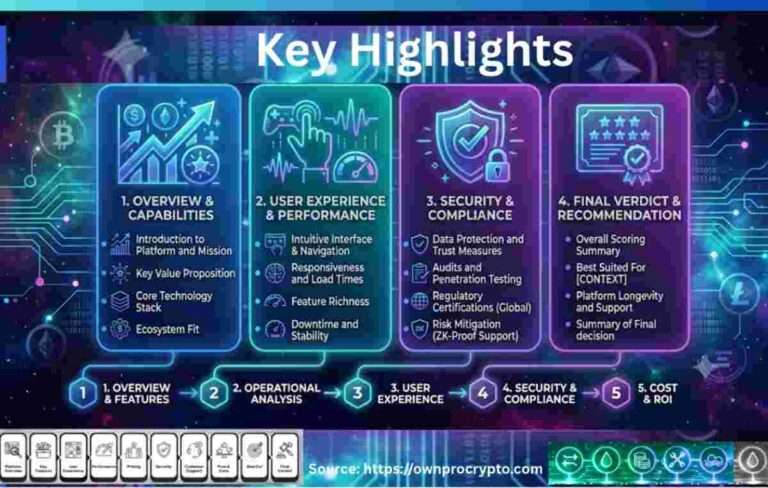
The Best Stablecoin APIs are more than payment gateways. They act as the orchestration layer connecting banks, blockchain networks, compliance systems, treasury operations, liquidity providers, wallets, and business applications.
A modern enterprise payment platform may expose 50 to 300+ API endpoints, enabling organizations to automate everything from customer onboarding to treasury settlement. Understanding these core features helps businesses select software that supports long-term growth rather than solving only today’s payment requirements.
💡 Tip: Don’t evaluate APIs by endpoint count. Evaluate how well they automate your complete payment workflow from customer onboarding to financial reporting.
Wallet APIs provide the foundation for every Stablecoin API platform. Instead of manually creating blockchain wallets, developers can automatically generate wallets, assign them to customers, monitor balances, and manage transactions using secure API calls.
Large payment platforms often manage thousands to millions of wallets, making automation essential for operational efficiency.
| Capability | Business Benefit |
|---|---|
| Wallet Creation | Automated customer onboarding |
| Address Generation | Supports multiple blockchains |
| Balance Monitoring | Real-time portfolio visibility |
| Transaction History | Financial reporting |
| Deposit Detection | Automated reconciliation |
| Wallet Labels | Customer organization |
| Multi-wallet Support | Enterprise scalability |
| API Authentication | Secure access management |
Payment APIs automate the movement of stablecoins between customers, businesses, suppliers, and financial institutions. They reduce manual intervention while supporting programmable payment workflows.
Businesses commonly use payment APIs for:
Customer
    ▼
Business Application
    ▼
Stablecoin Payment API
    │
 ┌────┼─────────────┐
 │    │             │
 ▼    ▼             ▼
Wallet Compliance Treasury
 │                 │
 └──────┬──────────┘
        ▼
Blockchain Network
        ▼
Recipient
This workflow eliminates many manual reconciliation steps found in traditional payment systems.
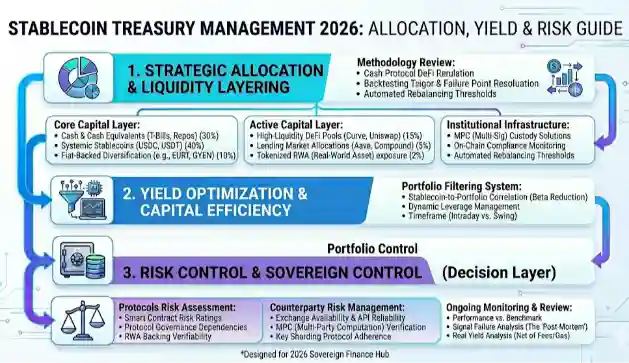
Treasury management has become one of the fastest-growing enterprise use cases for Stablecoin APIs. Instead of moving funds manually between exchanges, banks, custodians, and internal wallets, treasury APIs automate capital movement based on predefined business rules.
Large organizations may execute hundreds of treasury transfers daily, making automation essential for reducing operational risk.
| Feature | Why It Matters |
|---|---|
| Automated Transfers | Improves efficiency |
| Liquidity Management | Optimizes working capital |
| Multi-wallet Treasury | Better fund segregation |
| Treasury Policies | Governance and control |
| Scheduled Transfers | Reduces manual work |
| Internal Rebalancing | Improves liquidity |
| Treasury Reporting | Better financial visibility |
| Multi-chain Support | Flexible capital allocation |
Settlement APIs confirm when digital assets have successfully reached their destination and automatically reconcile payment records.
Unlike traditional banking systems that may operate during business hours, blockchain settlement can occur continuously, allowing businesses to automate payment confirmation throughout the day.
| Traditional Banking | Stablecoin APIs |
|---|---|
| Business hours | 24/7 availability |
| Multiple intermediaries | Direct blockchain settlement |
| Manual reconciliation | Automated reconciliation |
| Delayed confirmation | Near real-time updates |
| Regional limitations | Global accessibility |
Settlement automation reduces finance team workloads while improving payment visibility.
⚠️ Warning: Fast blockchain confirmation does not automatically mean complete business settlement. Always verify reconciliation, accounting updates, compliance checks, and treasury records before considering a transaction finalized.
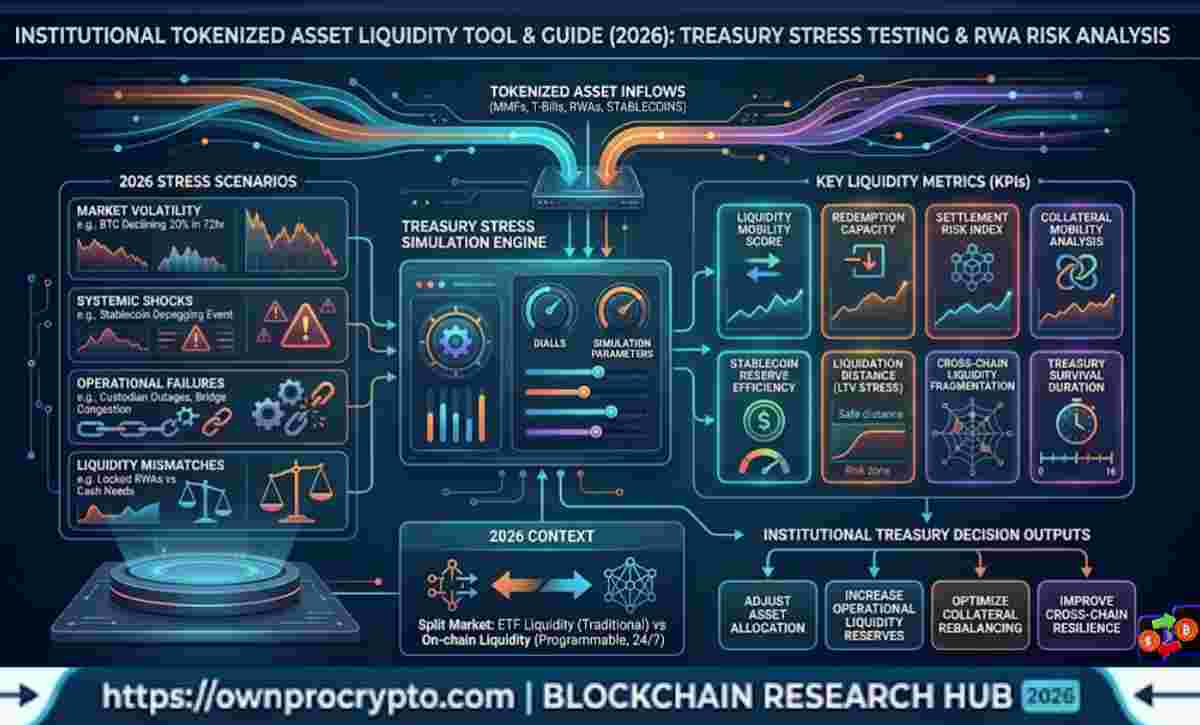
Liquidity routing helps businesses obtain the most efficient execution path when transferring stablecoins across different networks or financial partners.
Rather than relying on a single provider, advanced Stablecoin APIs dynamically select the optimal route based on cost, availability, supported assets, and settlement requirements.
| Factor | Purpose |
|---|---|
| Network Fees | Lower transaction costs |
| Settlement Speed | Faster transfers |
| Available Liquidity | Avoid failed payments |
| Geographic Coverage | Global reach |
| Supported Stablecoins | Flexible operations |
| Banking Partners | Fiat connectivity |
| Transaction Limits | Enterprise scalability |
Organizations processing large payment volumes can reduce operational costs by optimizing routing decisions across multiple networks.
Regulatory compliance has become a standard requirement for enterprise payment infrastructure. Stablecoin APIs increasingly include built-in compliance capabilities that reduce manual review while supporting global regulations.
Common compliance functions include:
Customer
     ▼
Identity Verification
     ▼
Risk Assessment
     ▼
Wallet Screening
     ▼
AML Monitoring
     ▼
Transaction Approval
     ▼
Settlement
Integrating compliance into the payment workflow helps organizations reduce operational friction while supporting regulatory obligations.
Developer experience plays a significant role in reducing implementation time. Modern Stablecoin APIs typically provide software development kits (SDKs), sandbox environments, webhooks, testing tools, and detailed documentation.
| Feature | Benefit |
|---|---|
| REST APIs | Easy integration |
| SDKs | Faster development |
| Sandbox | Safe testing |
| Webhooks | Real-time events |
| API Versioning | Long-term stability |
| Documentation | Reduced onboarding time |
| Sample Code | Faster implementation |
| Monitoring Tools | Better observability |
Strong developer tooling can shorten integration projects from several months to a few weeks, especially for startups and agile engineering teams.
Enterprise finance teams require more than transaction processing. Reporting APIs provide operational insights, treasury visibility, and audit-ready financial data.
Common reporting capabilities include:
| Report Type | Primary Users |
|---|---|
| Transaction Reports | Finance |
| Treasury Reports | CFO |
| Compliance Reports | Risk Teams |
| Audit Logs | Internal Audit |
| Wallet Reports | Operations |
| Settlement Reports | Treasury |
| API Usage | Engineering |
| Business Dashboards | Management |
Comprehensive reporting reduces manual spreadsheet work while improving decision-making across finance, compliance, and operations.
As payment operations grow, organizations require governance capabilities beyond basic APIs. Enterprise-grade Stablecoin platforms include controls that support large teams, regulatory oversight, and business continuity.
| Enterprise Feature | Startup | Fintech | Enterprise | Bank |
|---|---|---|---|---|
| Multi-user Access | ✓ | ✓ | ✓ | ✓ |
| Role-Based Permissions | Limited | ✓ | ✓ | ✓ |
| Approval Workflows | Limited | ✓ | ✓ | ✓ |
| Treasury Policies | Optional | ✓ | ✓ | ✓ |
| Audit Logs | Basic | ✓ | ✓ | ✓ |
| Multi-region Support | Optional | ✓ | ✓ | ✓ |
| SLA Commitments | Optional | ✓ | ✓ | ✓ |
| Dedicated Support | Optional | ✓ | ✓ | ✓ |
The best Stablecoin APIs are those that grow with your organization, supporting increasing transaction volumes, expanding teams, new jurisdictions, and evolving regulatory requirements without requiring a complete infrastructure rebuild.
📘 Training Note:Every feature should solve a business problem. Before selecting a platform, map each required capability to a real operational need. This approach helps avoid paying for unnecessary functionality while ensuring critical workflows are fully supported before deployment.
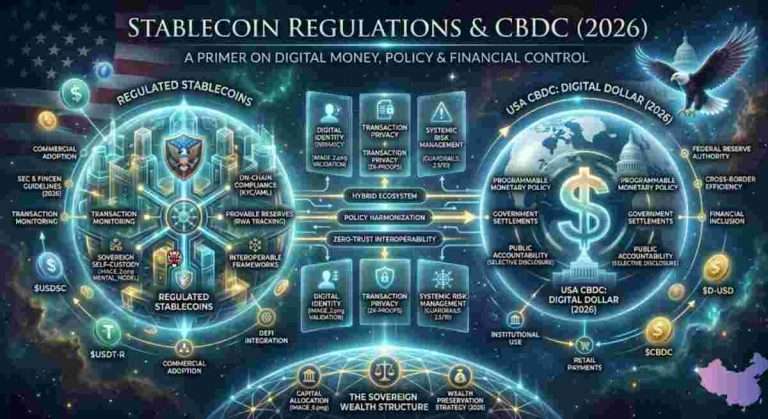
Choosing the Best Stablecoin APIs is no longer just a technical decision. In 2026, compliance has become a core feature of payment infrastructure. Financial institutions, fintech companies, exchanges, payment processors, and global enterprises must comply with multiple regulations while maintaining fast settlement and a smooth customer experience.
Modern Stablecoin APIs increasingly integrate compliance tools directly into payment workflows. Instead of relying on separate systems, businesses can automate identity verification, transaction monitoring, sanctions screening, reporting, and audit trails through a unified API infrastructure.
Organizations operating across 10 to 100+ countries often face overlapping regulatory obligations, making automation essential for scalability.
💡 Tip: Compliance should be built into your payment architecture from day one. Retrofitting compliance after launch is often slower, more expensive, and riskier than implementing it during development.
The Financial Action Task Force (FATF) introduced the Travel Rule to improve transparency for digital asset transfers. It requires Virtual Asset Service Providers (VASPs) to exchange sender and recipient information for qualifying transactions.
Modern Stablecoin APIs simplify Travel Rule compliance by integrating identity verification, secure messaging, and automated reporting into payment workflows.
| Requirement | Stablecoin API Support |
|---|---|
| Sender Information | ✓ |
| Recipient Information | ✓ |
| Secure Data Sharing | ✓ |
| Transaction Records | ✓ |
| Audit Logs | ✓ |
| Compliance Reporting | ✓ |
Businesses handling international transfers should prioritize APIs that automate Travel Rule workflows instead of relying on manual processes.
The Markets in Crypto-Assets (MiCA) framework has established one of the most comprehensive regulatory standards for digital assets in Europe.
Stablecoin API providers increasingly support MiCA by offering stronger governance, transparent reporting, operational resilience, and enhanced compliance controls.
| Requirement | Why It Matters |
|---|---|
| Customer Protection | Builds trust |
| Operational Resilience | Reduces downtime |
| Governance Controls | Supports audits |
| Risk Management | Improves oversight |
| Reporting | Regulatory transparency |
| Record Keeping | Easier compliance |
Organizations planning European expansion should evaluate MiCA readiness before selecting payment infrastructure.
Anti-Money Laundering (AML) monitoring remains one of the most important compliance responsibilities for payment providers.
Modern Stablecoin APIs automatically monitor transactions, identify suspicious behavior, assign risk scores, and generate alerts for compliance teams.
Customer
    ▼
Identity Verification
    ▼
Transaction Analysis
    ▼
Risk Engine
    │
 ┌──┴──────────┐
 ▼             ▼
Approved     Manual Review
Automation significantly reduces investigation time while allowing compliance teams to focus on higher-risk activities.
Know Your Customer (KYC) and Know Your Business (KYB) procedures verify the identity of individuals and organizations before payment services are provided.
Many Stablecoin APIs integrate directly with identity verification providers, reducing onboarding time from days to minutes.
| Verification Type | Primary Users |
|---|---|
| Individual KYC | Retail customers |
| Business KYB | Corporate clients |
| Enhanced Due Diligence | High-risk accounts |
| Ongoing Monitoring | Existing customers |
Strong onboarding processes improve both compliance and fraud prevention.
Sanctions screening helps organizations prevent transactions involving restricted individuals, businesses, or wallet addresses.
Leading Stablecoin APIs continuously monitor sanctions databases and automatically flag high-risk transactions before settlement.
| Component | Purpose |
|---|---|
| Wallet Screening | Blockchain risk detection |
| Entity Screening | Business verification |
| Name Screening | Customer identification |
| Country Screening | Geographic compliance |
| Watchlists | Regulatory monitoring |
Automated sanctions screening reduces operational risk while supporting international payment operations.
⚠️ Warning: Screening customers only during onboarding is not enough. Regulations increasingly expect continuous monitoring as customer risk profiles and sanctions lists change over time.
Payment infrastructure processes sensitive financial and personal information, making secure data management essential.
Stablecoin APIs help organizations maintain complete audit trails that record every payment, approval, API request, compliance review, and administrative action.
| Capability | Business Benefit |
|---|---|
| Immutable Logs | Investigation support |
| Payment History | Financial reporting |
| User Activity | Internal governance |
| API Logs | Technical troubleshooting |
| Compliance Records | Regulatory readiness |
| Approval History | Operational transparency |
Comprehensive audit records simplify internal reviews and external examinations.
Many businesses operate across multiple regions, each with different regulatory expectations. Rather than building separate payment systems for each market, organizations increasingly rely on Stablecoin APIs that support configurable compliance rules.
| Region | Key Focus |
|---|---|
| European Union | MiCA |
| United States | AML, FinCEN, SEC guidance |
| United Kingdom | FCA requirements |
| Singapore | MAS regulations |
| UAE | VARA framework |
| Canada | FINTRAC obligations |
| Global | FATF recommendations |
Choosing a platform with broad regulatory support reduces expansion costs and simplifies international growth.
Many payment projects fail because compliance is treated as a final checklist instead of an ongoing operational process.
| Mistake | Better Approach |
|---|---|
| Choosing APIs on price alone | Evaluate compliance capabilities first |
| Manual transaction reviews | Automate monitoring and alerts |
| No audit logs | Maintain complete activity records |
| Ignoring regional rules | Plan for every target jurisdiction |
| Weak identity verification | Strengthen onboarding workflows |
| One-time customer checks | Enable continuous monitoring |
| Separate compliance tools | Integrate compliance into payment infrastructure |
| Delayed reporting | Automate reporting where possible |
Avoiding these common mistakes can reduce implementation delays, lower regulatory risk, and improve operational efficiency as transaction volumes grow.
📘 Training Note: The strongest compliance strategy is proactive rather than reactive. Choose Stablecoin APIs that automate monitoring, reporting, and governance so your team can focus on growth instead of constantly responding to compliance issues.
The Best Stablecoin APIs are built on multiple technology layers that work together to deliver secure, compliant, and scalable digital payments. A single API request may interact with blockchain networks, banking rails, compliance engines, liquidity providers, treasury systems, and reporting platforms before a transaction is completed.
Enterprise payment platforms often process millions of API requests every day, making architecture just as important as features. Understanding these technologies helps businesses evaluate vendors based on long-term reliability instead of marketing claims.
💡 Tip: Great payment infrastructure is invisible to users. The more automation built into the architecture, the fewer manual operations your team performs every day.
Every Stablecoin API communicates with one or more blockchain networks. The broader the blockchain support, the more payment options become available for customers and businesses.
Most enterprise providers now support 5 to 30+ blockchain networks, allowing organizations to choose the most efficient settlement path.
| Feature | Business Benefit |
|---|---|
| Multi-chain support | Greater payment flexibility |
| Automatic node management | Higher reliability |
| RPC redundancy | Reduced downtime |
| Network monitoring | Better visibility |
| Failover routing | Improved resilience |
| Smart contract interaction | Advanced automation |
| Token support | Wider payment coverage |
| Network upgrades | Simplified maintenance |
The API gateway acts as the front door of the payment platform. Every request from a mobile app, website, ERP, or banking system passes through this layer before reaching internal services.
Modern gateways handle authentication, rate limiting, routing, encryption, logging, and request validation.
Application
      ▼
API Gateway
      │
 ┌────┼─────────────┐
 ▼    ▼             ▼
Authentication
Compliance
Payment Services
      ▼
Blockchain Network
A centralized gateway improves security while simplifying developer integrations.
Treasury infrastructure manages the movement of stablecoins between operational wallets, reserve accounts, exchanges, liquidity pools, and banking partners.
Instead of manually transferring funds, enterprises automate treasury policies based on balances, transaction volume, and settlement requirements.
| Component | Purpose |
|---|---|
| Treasury Wallets | Operational liquidity |
| Reserve Wallets | Asset protection |
| Settlement Wallets | Customer payments |
| Banking Integration | Fiat connectivity |
| Liquidity Pools | Capital efficiency |
| Internal Transfers | Automated balancing |
| Approval Engine | Governance |
| Reporting | Treasury visibility |
Well-designed treasury infrastructure reduces idle capital while improving settlement efficiency.
Stablecoin transactions often have multiple possible execution paths. A routing engine automatically selects the best route based on predefined business rules.
Large payment providers evaluate several variables before submitting each transaction.
| Routing Factor | Why It Matters |
|---|---|
| Network fees | Lower operating costs |
| Confirmation speed | Faster settlement |
| Available liquidity | Prevent failed transfers |
| Geographic reach | Global payments |
| Stablecoin availability | Asset flexibility |
| Counterparty health | Operational resilience |
| Banking connectivity | Easier fiat settlement |
Smart routing improves both customer experience and treasury performance.
Security is the foundation of every enterprise Stablecoin API. Rather than relying on a single defense mechanism, modern platforms use multiple security layers to protect assets and payment operations.
| Security Layer | Function |
|---|---|
| Encryption | Protects sensitive data |
| API Authentication | Verifies requests |
| Multi-factor Authentication | User protection |
| Hardware Security Modules | Key protection |
| MPC Infrastructure | Distributed signing |
| Role-Based Access Control | User permissions |
| Continuous Monitoring | Threat detection |
| Audit Logging | Operational visibility |
Security is strongest when every layer complements the others instead of depending on one technology.
⚠️ Warning: The biggest security failures rarely come from broken encryption. They usually result from weak access controls, excessive user permissions, poor operational procedures, or compromised API credentials.
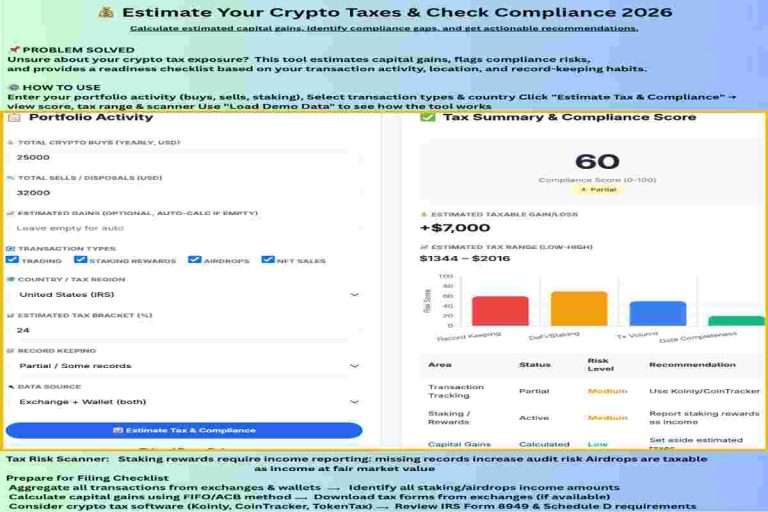
Modern Stablecoin APIs increasingly embed compliance directly into transaction processing instead of treating it as a separate workflow.
Compliance engines automatically evaluate transactions before settlement, helping organizations detect suspicious activity while reducing manual investigations.
API Request
      ▼
Identity Verification
      ▼
Wallet Screening
      ▼
AML Risk Analysis
      ▼
Sanctions Screening
      │
 ┌────┴─────┐
 ▼          ▼
Approve   Manual Review
Embedding compliance into payment architecture improves both operational efficiency and regulatory readiness.
Most enterprise Stablecoin APIs use event-driven systems that notify applications whenever important activities occur.
Instead of repeatedly checking payment status, applications receive real-time updates through webhooks or event streams.
| Event | Business Action |
|---|---|
| Wallet Created | Customer onboarding |
| Deposit Received | Update balances |
| Payment Sent | Notify users |
| Settlement Complete | Close transaction |
| Compliance Alert | Manual investigation |
| Treasury Transfer | Update reporting |
| API Failure | Retry process |
| Balance Change | Trigger workflows |
Real-time events improve automation while reducing unnecessary API traffic.
Developer experience often determines how quickly a business can launch new payment products. Leading providers invest heavily in documentation, SDKs, sandbox environments, and monitoring tools.
| Tool | Benefit |
|---|---|
| REST APIs | Standard integrations |
| SDKs | Faster development |
| Sandbox Environment | Safe testing |
| API Explorer | Easier debugging |
| Webhooks | Real-time notifications |
| Documentation | Faster onboarding |
| Sample Applications | Reduced implementation time |
| Status Dashboard | Operational visibility |
Organizations with strong developer tooling often complete integrations significantly faster than those relying on limited documentation.
Enterprise payment systems must remain available during periods of rapid growth and unexpected demand. Downtime can delay settlements, interrupt customer payments, and create operational risk.
Modern Stablecoin API providers design their infrastructure for continuous availability using redundant systems, cloud deployment, and automated recovery.
| Capability | Business Value |
|---|---|
| Multi-region deployment | Disaster resilience |
| Automatic failover | Business continuity |
| Load balancing | Performance stability |
| Database replication | Data protection |
| Continuous monitoring | Faster incident response |
| Auto scaling | Handles traffic spikes |
| Backup systems | Recovery readiness |
| SLA commitments | Operational confidence |
Organizations should evaluate not only current performance but also whether the platform can support future transaction growth without major architectural changes.
📘 Training Note: The strongest Stablecoin API architecture is not the one with the most technologies. It is the one where blockchain connectivity, treasury, compliance, security, liquidity, and developer infrastructure work together as a single, reliable payment system that can scale from hundreds to millions of transactions.
Selecting the Best Stablecoin APIs requires understanding your business model, transaction volume, regulatory environment, technical resources, and future expansion plans.
A startup processing a few hundred payments per month has completely different requirements from a bank settling millions of dollars in daily transactions. Choosing the wrong infrastructure can create expensive migrations, compliance challenges, and operational limitations later.
The right approach is to evaluate Stablecoin APIs as a long-term financial infrastructure decision, not just a software purchase.
💡 Tip: Choose infrastructure based on where your business will be in three years, not only what you need today.
Different business stages require different levels of infrastructure maturity.
Early-stage companies usually prioritize speed, simplicity, and lower implementation costs.
| Requirement | Importance |
|---|---|
| Easy API integration | Very High |
| Sandbox environment | Very High |
| Low minimum volume | High |
| Developer documentation | High |
| Basic compliance tools | High |
| Affordable pricing | High |
| Multi-chain support | Medium |
Best Fit
Startups typically benefit from:
The goal is launching quickly without building expensive infrastructure internally.
Fintech companies usually require more advanced features because they manage customer funds, payments, and financial workflows.
| Capability | Importance |
|---|---|
| Payment automation | Very High |
| Customer wallets | Very High |
| Compliance APIs | Very High |
| Treasury management | High |
| Banking connections | High |
| Reporting tools | High |
| Multi-user controls | High |
Fintech businesses often need a balance between developer flexibility and financial-grade controls.
Large enterprises usually evaluate Stablecoin APIs differently. Their focus shifts from basic functionality toward governance, reliability, compliance, and integration with existing financial systems.
| Requirement | Why It Matters |
|---|---|
| Enterprise SLA | Business continuity |
| Role permissions | Internal governance |
| Audit trails | Regulatory readiness |
| Treasury controls | Capital management |
| ERP integration | Finance operations |
| Security architecture | Asset protection |
| Dedicated support | Faster resolution |
Enterprise adoption depends less on launching quickly and more on ensuring operational stability.
Banks require the highest level of infrastructure maturity because they operate under strict regulatory environments and manage customer trust.
| Area | Requirement |
|---|---|
| Compliance | Institutional-grade |
| Security | Advanced controls |
| Settlement | Reliable 24/7 processing |
| Reporting | Audit-ready |
| Governance | Multiple approval layers |
| Integration | Existing banking systems |
| Risk Management | Continuous monitoring |
Banks typically prioritize reliability and compliance over low-cost API access.
Crypto exchanges require infrastructure capable of handling high transaction volumes, multiple assets, and real-time settlement.
| Feature | Importance |
|---|---|
| Wallet automation | Critical |
| Liquidity management | Critical |
| Transaction monitoring | Critical |
| Multi-chain support | High |
| Security controls | Critical |
| User balance management | Critical |
| Withdrawal automation | High |
Exchange infrastructure must combine speed with strict security controls.
Tokenization projects use Stablecoin APIs for settlement between traditional assets and blockchain-based financial products.
Common examples include:
| Capability | Purpose |
|---|---|
| Programmable payments | Automated settlement |
| Compliance integration | Investor protection |
| Multi-chain support | Asset flexibility |
| Custody integration | Asset security |
| Reporting | Regulatory transparency |
| Identity verification | Investor onboarding |
Stablecoin APIs become the financial settlement layer connecting tokenized assets with global payments.
Transaction volume directly affects infrastructure requirements.
| Monthly Volume | Recommended Infrastructure |
|---|---|
| Under $100K | Developer-focused API |
| $100K to $1M | Fintech infrastructure |
| $1M to $100M | Enterprise payment stack |
| $100M+ | Institutional infrastructure |
Higher transaction volumes require stronger controls, better pricing models, dedicated support, and advanced treasury management.
Regulation and payment requirements vary significantly by region.
| Region | Important Factors |
|---|---|
| United States | AML, licensing, banking relationships |
| European Union | MiCA compliance |
| United Kingdom | FCA requirements |
| Singapore | MAS framework |
| UAE | VARA regulations |
| Asia-Pacific | Local payment partnerships |
A platform that works well in one region may not provide the required compliance coverage globally.
One of the biggest strategic decisions is whether to build internal infrastructure or use a provider.
| Factor | Build Internally | Use Stablecoin API |
|---|---|---|
| Development Cost | High | Lower |
| Launch Speed | Slow | Fast |
| Customization | Maximum | Medium to High |
| Maintenance | Internal responsibility | Provider managed |
| Compliance | Build yourself | Often included |
| Security | Internal responsibility | Enterprise solutions |
| Scaling | Requires investment | Provider supported |
For most companies, using specialized infrastructure reduces complexity and allows teams to focus on customer products.
Use this framework before selecting a provider.
| Question | If Yes | Priority |
|---|---|---|
| Need global payments? | Cross-border infrastructure | High |
| Need compliance automation? | Regulated provider | High |
| Need treasury controls? | Enterprise platform | High |
| Need fast launch? | Developer-focused API | High |
| Need custom workflows? | Flexible APIs | Medium |
| Need banking integration? | Payment infrastructure | High |
| Need tokenization support? | Blockchain settlement tools | Medium |
Many organizations choose Stablecoin APIs incorrectly because they focus on short-term features instead of long-term infrastructure requirements.
| Mistake | Better Approach |
|---|---|
| Choosing cheapest provider | Evaluate total cost |
| Ignoring compliance | Review regulatory support |
| Selecting only one blockchain | Plan future expansion |
| No security assessment | Review architecture |
| Ignoring reporting | Require audit tools |
| No scalability testing | Test future volumes |
| No migration plan | Consider long-term flexibility |
⚠️ Warning: The cheapest Stablecoin API can become the most expensive decision if it creates compliance problems, limited scalability, or a difficult migration path later.
📘 Training Note: The perfect Stablecoin API is different for every organization. Startups need speed, enterprises need governance, banks need compliance, and payment companies need reliability. The correct choice comes from matching infrastructure capabilities with your business strategy.
Implementing the Best Stablecoin APIs requires more than connecting an API endpoint. Successful deployment involves architecture planning, security design, compliance integration, liquidity management, testing, monitoring, and operational governance.
A stablecoin payment system may connect multiple layers including banking systems, customer applications, blockchain networks, compliance providers, treasury platforms, and internal finance systems.
Companies that plan implementation correctly can reduce development delays, improve security, and scale payment operations more efficiently.
💡 Tip: Build the compliance, security, and reporting layers at the beginning. Adding them after launch usually creates technical debt.
Organizations typically choose one of three deployment approaches depending on their technical resources and business requirements.
| Model | Best For | Advantages | Challenges |
|---|---|---|---|
| API Integration | Startups and fintechs | Fast launch | Less customization |
| Hybrid Infrastructure | Growing enterprises | Balance of control and speed | More architecture planning |
| Full Internal Stack | Large institutions | Maximum control | High cost and complexity |
Most businesses start with API-based infrastructure and gradually add custom components as transaction volume increases.
A production-ready Stablecoin API system usually contains multiple interconnected layers.
                Users
                  ▼
        Application Layer
                  ▼
            API Gateway
                  │
 ┌────────────────┼────────────────┐
 ▼                ▼                ▼
Wallets      Compliance       Treasury
 ▼                ▼                ▼
Blockchain   Risk Engine    Banking Rails
 ▼
Settlement Network
This layered approach allows companies to upgrade individual components without rebuilding the entire system.
Before implementation begins, teams should define their payment workflows and technical requirements.
| Area | Questions |
|---|---|
| Payments | What transactions will be supported? |
| Users | Retail, enterprise, or both? |
| Assets | Which stablecoins are required? |
| Networks | Which blockchains are needed? |
| Compliance | Which regulations apply? |
| Treasury | How will funds move? |
| Reporting | What data is required? |
| Security | Who controls access? |
Clear planning prevents expensive architecture changes later.
Many Stablecoin API implementations require connections between traditional financial systems and blockchain infrastructure.
This creates a bridge between:
Customer Bank Account
          ▼
      Payment API
          ▼
     Fiat Conversion
          ▼
 Stablecoin Settlement
          ▼
 Blockchain Wallet
Reliable banking connectivity is essential for businesses serving mainstream customers.
Compliance should not be added after the payment system is built. It should become part of every transaction workflow.
| Stage | Compliance Action |
|---|---|
| Account Creation | KYC/KYB verification |
| Wallet Setup | Address screening |
| Transaction Request | Risk evaluation |
| Payment Processing | AML monitoring |
| Settlement | Approval checks |
| Reporting | Audit records |
Embedding compliance early improves operational efficiency and regulatory readiness.
Stablecoin API security requires protection at multiple levels.
| Security Area | Implementation |
|---|---|
| API Access | Authentication controls |
| Wallet Security | MPC or HSM protection |
| User Access | Role permissions |
| Transactions | Approval workflows |
| Data | Encryption |
| Operations | Monitoring |
| Recovery | Backup procedures |
Security is not a single feature. It is an ongoing operational process.
Before processing real customer transactions, organizations should complete extensive testing.
| Test Type | Purpose |
|---|---|
| API Testing | Confirm integrations |
| Transaction Testing | Verify payment flows |
| Security Testing | Identify vulnerabilities |
| Compliance Testing | Validate rules |
| Load Testing | Measure scalability |
| Failure Testing | Check recovery |
| User Testing | Improve experience |
A controlled testing environment reduces production failures.
After launch, continuous monitoring becomes essential.
Enterprise teams should monitor:
| Metric | Purpose |
|---|---|
| Transaction Volume | Business growth |
| Settlement Time | Payment performance |
| Failure Rate | System health |
| API Response Time | Technical performance |
| Compliance Alerts | Risk management |
| Wallet Balances | Treasury control |
Real-time visibility allows teams to identify issues before they become customer problems.
Financial infrastructure requires strong recovery strategies because payment interruptions can directly affect customers and revenue.
| Requirement | Purpose |
|---|---|
| Backup Systems | Data protection |
| Multi-region Infrastructure | Resilience |
| Recovery Procedures | Faster restoration |
| Access Recovery | Operational continuity |
| Incident Response | Risk reduction |
| Communication Plan | Customer transparency |
A strong recovery plan protects both assets and reputation.
Many Stablecoin API projects fail because teams underestimate operational complexity.
| Failure | Cause | Solution |
|---|---|---|
| Payment delays | Poor liquidity planning | Automate treasury |
| Compliance issues | Late compliance integration | Build early |
| Security incidents | Weak permissions | Use governance controls |
| Scaling problems | Limited architecture | Plan future volume |
| High costs | Poor provider selection | Compare total ownership |
| Failed migrations | Vendor dependency | Maintain flexibility |
⚠️ Warning: Launching a Stablecoin payment system without proper testing, monitoring, and compliance controls can create operational failures even when the underlying blockchain technology works perfectly.
📘 Training Note: Successful Stablecoin API implementation is a combination of technology, finance, compliance, and operations. The API connection is only the first step. The real advantage comes from building a complete payment infrastructure that can safely support real-world business growth.
The future of Best Stablecoin APIs is moving beyond simple crypto payments. Stablecoin infrastructure is becoming a programmable financial layer that connects banks, fintech companies, enterprises, tokenized assets, and global payment networks.
By 2026, stablecoins have evolved from experimental digital assets into operational tools used for settlement, treasury management, cross-border payments, and financial automation.
Industry analysts estimate that stablecoin transaction activity has reached trillions of dollars annually, showing increasing adoption by businesses that require faster and more transparent payment infrastructure.
💡 Tip: Stablecoin APIs are not replacing financial systems. They are becoming the connection layer between traditional finance and blockchain-based settlement.
Artificial intelligence is becoming one of the most important technologies inside modern Stablecoin API infrastructure.
AI systems can analyze transaction patterns, identify unusual activity, optimize payment routing, and reduce manual compliance workloads.
| AI Function | Business Benefit |
|---|---|
| Fraud detection | Faster risk identification |
| Transaction analysis | Better monitoring |
| Automated investigations | Reduced manual workload |
| Liquidity prediction | Improved treasury planning |
| Payment routing | Lower settlement costs |
| Customer risk scoring | Better compliance decisions |
Future platforms will increasingly combine blockchain transparency with AI-driven decision systems.
Traditional international payments often depend on multiple intermediaries, banking hours, and settlement delays.
Stablecoin APIs enable businesses to move value across networks with faster settlement cycles.
| Feature | Traditional Banking | Stablecoin Infrastructure |
|---|---|---|
| Settlement Time | Hours to days | Seconds to minutes |
| Availability | Banking hours | 24/7 |
| Geographic Limits | Banking networks | Blockchain networks |
| Transparency | Limited visibility | On-chain tracking |
| Automation | Limited | Programmable |
This creates opportunities for companies operating globally without depending entirely on traditional payment rails.
Tokenization is one of the strongest growth areas connected to stablecoin infrastructure.
When real-world assets become blockchain-based, they require reliable settlement systems.
Examples include:
Stablecoin APIs provide the payment layer connecting buyers, sellers, investors, and asset platforms.
Investor
   ▼
Digital Asset Platform
   ▼
Stablecoin Payment API
   ▼
Blockchain Settlement
   ▼
Token Ownership Transfer
As tokenized markets grow, stablecoin settlement infrastructure becomes increasingly important.
Central Bank Digital Currencies may become another important component of future digital payment systems.
Stablecoin APIs could eventually support connections between:
| Asset Type | Role |
|---|---|
| Stablecoins | Private programmable money |
| CBDCs | Government-backed digital currency |
| Tokenized Deposits | Bank-issued digital assets |
| Digital Securities | Blockchain-based investments |
| Crypto Assets | Alternative financial instruments |
API-based infrastructure may become the common communication layer between these systems.
The future of stablecoin payments will likely require interoperability between multiple blockchain networks.
Businesses do not want to manage separate systems for every blockchain.
Modern infrastructure focuses on:
User Request
      │
Stablecoin API
      │
Routing Engine

 ┌────┼────┐
 │    │    │
ETH  SOL  L2 Networks
      │
Final Settlement
Cross-chain capability allows businesses to select the most efficient network for each transaction.
The next generation of financial applications may combine AI agents with stablecoin infrastructure.
AI-powered systems could automatically:
| Process | Automation |
|---|---|
| Invoice Creation | AI generated |
| Payment Approval | Rule-based |
| Settlement Choice | AI optimized |
| Compliance Check | Automated |
| Treasury Adjustment | Automated |
| Reporting | Generated automatically |
This creates a future where financial operations become more intelligent and less manual.
Enterprise adoption of Stablecoin APIs depends on several factors:
| Driver | Impact |
|---|---|
| Faster settlement | Improved efficiency |
| Lower payment costs | Better margins |
| Global accessibility | New markets |
| Programmable money | Automation |
| Better transparency | Risk management |
| Tokenization growth | New financial products |
Companies that understand stablecoin infrastructure early may gain advantages in payment innovation and financial efficiency.
Despite rapid growth, several challenges remain.
| Challenge | Industry Response |
|---|---|
| Regulation differences | Global compliance frameworks |
| Blockchain fragmentation | Cross-chain solutions |
| Security threats | Advanced custody models |
| Liquidity management | Automated treasury systems |
| User adoption | Better interfaces |
| Privacy concerns | Improved data protection |
The future market will favor providers that combine innovation with trust, compliance, and operational reliability.
⚠️ Warning: Future Stablecoin infrastructure will not be judged only by transaction speed. Security, compliance, transparency, and operational resilience will determine long-term adoption.
📘 Training Note: Stablecoin APIs are becoming a foundational layer for the next generation of digital finance. Businesses that treat them as simple payment tools may miss the bigger opportunity: building programmable, global, and automated financial infrastructure.
Stablecoin APIs create questions across different audiences. Developers want integration details, businesses want cost and scalability information, institutions want compliance and security assurance, and investors want to understand the future of stablecoin infrastructure.
💡 Tip: The best Stablecoin API decision depends on your business model, regulatory needs, transaction volume, and long-term infrastructure goals.
What is a Stablecoin API?
A Stablecoin API is a software interface that allows applications to send, receive, manage, convert, and monitor stablecoin transactions without building blockchain infrastructure from scratch.
It connects businesses with wallets, blockchain networks, payment systems, compliance tools, and settlement infrastructure.
How do Stablecoin APIs work?
Stablecoin APIs process requests between applications and blockchain networks.
A typical workflow includes:
Why do businesses use Stablecoin APIs?
Businesses use Stablecoin APIs because they provide faster settlement, global payment access, automated transactions, and easier blockchain integration.
Common users include fintech companies, marketplaces, exchanges, banks, and payment providers.
Are Stablecoin APIs only for crypto companies?
No. Stablecoin APIs are increasingly used by traditional businesses including financial institutions, international companies, payment providers, and tokenization platforms.
What is the difference between a Stablecoin API and a crypto wallet API?
A wallet API mainly manages digital wallets and transactions.
A Stablecoin API usually provides broader infrastructure including payments, conversion, compliance, settlement, treasury, and reporting.
Which Stablecoin API is best for enterprises?
The best Stablecoin API for enterprises depends on requirements such as compliance, transaction volume, supported blockchains, treasury controls, security standards, and integration capabilities.
Large organizations usually prioritize reliability, governance, and regulatory support.
How do enterprises use Stablecoin APIs?
Enterprises use Stablecoin APIs for:
Can banks use Stablecoin APIs?
Yes. Banks can use Stablecoin APIs to connect digital asset services with existing financial infrastructure.
Banks typically require strong compliance, security controls, reporting systems, and regulatory alignment.
Are Stablecoin APIs suitable for payment companies?
Yes. Payment companies use Stablecoin APIs to provide faster international transfers, reduce settlement friction, and support digital currency payments.
How much does a Stablecoin API cost?
Pricing depends on transaction volume, features, supported assets, compliance requirements, and enterprise services.
Common pricing models include:
How do developers integrate Stablecoin APIs?
Developers usually integrate Stablecoin APIs through:
Do Stablecoin APIs support multiple blockchains?
Many modern Stablecoin APIs support multiple networks such as Ethereum, Solana, Layer 2 networks, and other blockchain ecosystems.
Multi-chain support improves flexibility and reduces dependency on one network.
What programming languages work with Stablecoin APIs?
Most Stablecoin APIs can be integrated with common development environments including:
The main requirement is API communication capability.
Do Stablecoin APIs provide sandbox testing?
Many professional Stablecoin API providers offer sandbox environments where developers can test payments, transactions, and integrations before production deployment.
What is a webhook in Stablecoin APIs?
A webhook allows applications to receive automatic updates when events happen, such as:
Are Stablecoin APIs safe?
Stablecoin API security depends on provider architecture, access controls, wallet protection, compliance systems, and operational procedures.
Enterprise-grade platforms typically use encryption, monitoring, MPC, HSMs, and approval workflows.
How do Stablecoin APIs protect private keys?
Professional platforms protect private keys using technologies such as:
Can Stablecoin APIs be hacked?
Like any financial technology, Stablecoin APIs face security risks.
Common risks include:
Strong security practices reduce these risks.
What security features should businesses check before choosing a Stablecoin API?
Important security features include:
Are Stablecoin APIs regulated?
Regulation depends on jurisdiction, business model, and services provided.
Companies may need to consider AML requirements, licensing rules, sanctions screening, and digital asset regulations.
Do Stablecoin APIs support AML compliance?
Many enterprise Stablecoin APIs integrate AML capabilities including:
What compliance requirements apply to Stablecoin payments?
Common requirements include:
Do Stablecoin APIs support Travel Rule compliance?
Some infrastructure providers support Travel Rule requirements through identity verification and information-sharing systems.
How do Stablecoin APIs handle sanctions screening?
Platforms typically use blockchain analytics and compliance providers to identify high-risk wallet addresses and suspicious transaction patterns.
Can Stablecoin APIs replace traditional payment systems?
Stablecoin APIs are unlikely to completely replace traditional systems. Instead, they provide an additional settlement layer that improves speed, automation, and global accessibility.
Are Stablecoin APIs useful for cross-border payments?
Yes. Cross-border payments are one of the strongest use cases because stablecoins can move value globally without traditional banking delays.
Can Stablecoin APIs support fiat currencies?
Many providers connect stablecoin infrastructure with fiat payment systems through banking partners, payment processors, and conversion services.
What stablecoins do APIs usually support?
Support varies by provider, but common stablecoins include:
Can Stablecoin APIs support tokenized assets?
Yes. Stablecoin APIs can provide settlement infrastructure for tokenized assets including real estate, securities, funds, and other blockchain-based financial products.
Will Stablecoin APIs become mainstream?
Stablecoin APIs are expected to become more common as businesses adopt digital settlement, tokenization, and programmable payments.
Are Stablecoin APIs the future of payments?
Stablecoin APIs are likely to become an important part of future payment infrastructure, especially for global commerce, financial automation, and digital asset markets.
Should my company build Stablecoin infrastructure or use an API provider?
Most companies choose API providers because building complete blockchain payment infrastructure requires significant investment in security, compliance, liquidity, and engineering resources.
What should companies consider before selecting a Stablecoin API?
Companies should evaluate:
📘 Training Note: Stablecoin APIs are not simply developer tools. They are financial infrastructure components. The right platform should support your current needs while providing the security, compliance, and scalability required for future growth.
The Best Stablecoin APIs are not determined by one feature, one blockchain, or one pricing model. The right choice depends on business goals, transaction requirements, compliance obligations, security expectations, and future growth plans.
A startup building its first payment product may prioritize simplicity and developer speed. A global enterprise may prioritize governance, treasury automation, and regulatory infrastructure. A bank may require institutional security, reporting, and operational resilience.
The best Stablecoin API is the platform that matches your financial strategy, not simply the one with the longest feature list.
💡 Tip: Evaluate Stablecoin APIs as long-term financial infrastructure, not as a short-term software subscription.
The best overall Stablecoin API should provide a balanced combination of:
| Requirement | Why It Matters |
|---|---|
| Multi-chain support | Flexible settlement options |
| Strong security | Protects digital assets |
| Compliance tools | Reduces regulatory risk |
| Developer infrastructure | Faster integration |
| Treasury management | Better capital efficiency |
| Reliable settlement | Better customer experience |
A strong overall provider should support businesses from early development stages through enterprise expansion.
Enterprise users require infrastructure designed for scale, governance, and operational control.
| Feature | Importance |
|---|---|
| Enterprise APIs | High-volume operations |
| Role-based access | Internal governance |
| Audit trails | Compliance reporting |
| Treasury controls | Financial management |
| Dedicated support | Faster issue resolution |
| Security architecture | Asset protection |
Large organizations should prioritize reliability and compliance over the lowest transaction cost.
Startups usually need infrastructure that helps them launch quickly without building complex blockchain systems.
| Requirement | Benefit |
|---|---|
| Simple documentation | Faster development |
| Sandbox testing | Safer deployment |
| Flexible pricing | Lower initial cost |
| Pre-built compliance | Reduced complexity |
| Easy APIs | Faster product launch |
The ideal startup platform allows teams to focus on customers instead of blockchain infrastructure maintenance.
Cross-border payment companies need infrastructure that handles:
| Capability | Importance |
|---|---|
| Multi-region support | Global coverage |
| Fast settlement | Better payment experience |
| Banking connections | Fiat accessibility |
| Stablecoin availability | Payment flexibility |
| Compliance automation | Regulatory confidence |
Stablecoin APIs are becoming a major infrastructure option for companies solving international payment challenges.
Tokenization platforms require reliable settlement infrastructure because digital assets need efficient movement of value.
Common applications include:
| Feature | Purpose |
|---|---|
| Programmable payments | Automated transactions |
| Investor onboarding | Compliance |
| Multi-chain support | Asset flexibility |
| Wallet integration | Ownership management |
| Reporting | Transparency |
Stablecoin infrastructure is becoming a critical settlement layer for the growing tokenized economy.
Developers usually prioritize:
| Feature | Developer Benefit |
|---|---|
| Clear documentation | Faster learning |
| SDK availability | Easier integration |
| Sandbox access | Safe testing |
| Webhooks | Real-time updates |
| API monitoring | Better debugging |
A technically excellent API can reduce months of development work into weeks.
The cheapest provider is not always the best value.
A better evaluation considers:
| Factor | Question |
|---|---|
| Transaction fees | Are costs predictable? |
| Infrastructure fees | Are there hidden charges? |
| Compliance costs | Is compliance included? |
| Development time | How fast can teams launch? |
| Migration risk | Can systems scale later? |
Total cost of ownership is more important than initial pricing.
| Platform Type | Best For | Main Advantage |
|---|---|---|
| Enterprise Infrastructure Providers | Banks and large companies | Security and governance |
| Payment API Providers | Fintech companies | Faster payment integration |
| Developer Platforms | Startups | Easy implementation |
| Blockchain Infrastructure Providers | Web3 companies | Flexible customization |
| Tokenization Infrastructure Providers | RWA platforms | Digital asset settlement |
| Compliance-Focused Providers | Regulated businesses | Risk management |
Businesses should shortlist providers based on their operational requirements rather than popularity alone.
Before selecting a Stablecoin API, answer these questions:
| Question | Decision Impact |
|---|---|
| Who are your users? | Determines infrastructure needs |
| What countries will you support? | Determines compliance requirements |
| What transaction volume is expected? | Determines scalability |
| Which stablecoins are required? | Determines asset support |
| Which blockchains are needed? | Determines network compatibility |
| What security level is required? | Determines architecture |
| What reporting is required? | Determines enterprise readiness |
The future of Stablecoin APIs belongs to platforms that combine:
Companies that choose flexible infrastructure today will be better prepared for future developments including tokenized assets, digital currencies, and programmable finance.
⚠️ Final Warning: Selecting a Stablecoin API only because of low fees or short-term features can create long-term operational problems. Security, compliance, scalability, and ecosystem support should always be part of the decision.
📘 Final Training Summary: Stablecoin APIs represent a new generation of financial infrastructure. They connect traditional banking systems with blockchain settlement, enabling faster payments, automated finance, and global digital commerce. The right solution is not the platform with the most features. It is the infrastructure that aligns with your business model, regulatory environment, technical requirements, and future growth strategy.
Continue exploring stablecoins, global payments, tokenization, institutional infrastructure, compliance, and digital asset technology with these in-depth guides:
For readers interested in the broader renewable energy, tokenization, and digital asset ecosystem, these authoritative resources provide additional research, technical standards, and industry guidance
Ethereum Foundation — Smart contracts, token standards, and decentralized application development.
World Bank – Climate Change — Sustainable infrastructure financing and climate investment resources.
Best Stablecoin APIs (2026)
│
├── Stablecoin Payment Platforms
│   └── https://ownprocrypto.com/best-stablecoin-payment-platforms/
│
├── Stablecoin Payments Hub
│   └── https://ownprocrypto.com/stablecoin-payments-hub/
│
├── Stablecoin Regulations & CBDCs
│   └── https://ownprocrypto.com/stablecoin-regulations/
│
├── Stablecoin Treasury Management
│   └── https://ownprocrypto.com/stablecoin-treasury/
│
├── Institutional Crypto Settlement
│   └── https://ownprocrypto.com/institutional-crypto-settlement/
│
├── RWA Tokenization Hub
│   └── https://ownprocrypto.com/rwa-tokenization/
│
├── Enterprise Tokenization Platforms
│   └── https://ownprocrypto.com/best-tokenization-platforms/
│
├── Institutional Crypto Custody
│   └── https://ownprocrypto.com/best-institutional-crypto-custody-providers/
│
└── Crypto Compliance Infrastructure
    └── https://ownprocrypto.com/best-crypto-compliance-software/