
Search by title, topic or phrase
Use our Crypto Search Engine 🔍 to find the topics and keywords you're looking for.

Table of Contents
ToggleUSDT (Tether USDt) is a dollar-referenced crypto asset issued on multiple blockchain networks. Its practical utility comes from combining a dollar-denominated unit of value with blockchain-based transfer and settlement. That combination can make USDT useful in situations where users need to move or hold digital value across crypto infrastructure rather than relying exclusively on traditional banking rails.
Traditional money transfers usually depend on banking relationships, payment networks, correspondent institutions or other centralized settlement infrastructure. USDT transactions can instead be initiated and settled through the blockchain network on which the token exists, subject to that network’s technical characteristics, liquidity, fees, confirmations and operational requirements.
USDT can serve different purposes depending on the user and the financial workflow. A business may use it for international settlement, while an investor may use it as a liquid digital-dollar instrument between crypto positions. An institution may focus more heavily on controlled settlement, custody and reconciliation.
| Layer | What It Provides | What Must Be Evaluated |
|---|---|---|
| Token | Dollar-referenced digital value | Issuer, token mechanics, availability and applicable restrictions |
| Blockchain | Transaction and settlement rail | Fees, liquidity, speed, network reliability and technical compatibility |
| Wallet / Custody | Control and authorization | Key management, permissions, recovery and security controls |
| Counterparty | Commercial or financial endpoint | Identity, jurisdiction, compliance and settlement procedures |
| Conversion | Exit into fiat or another asset | Liquidity, banking access, fees, spreads and applicable rules |

One of the most practical USDT use cases is moving dollar-denominated value across borders without requiring every participant to use the same local banking system. Businesses may use USDT for treasury transfers, supplier payments, settlement, payroll-related workflows where legally permitted, and other transactions where stable digital-dollar liquidity is useful.
The important distinction is that USDT is not simply a replacement for a bank account. A business must consider jurisdiction, accounting treatment, tax obligations, sanctions screening, counterparty exposure, custody, transaction monitoring, and the specific blockchain network being used.
USDT can provide a digital settlement rail for businesses operating across countries, particularly when counterparties already have compliant infrastructure for receiving and converting stablecoins. Depending on the transaction, this can reduce dependence on multiple intermediary payment steps and provide a transparent on-chain record of the transfer.
International suppliers and contractors may accept USDT when both sides have the appropriate legal, tax, accounting, and custody arrangements. The operational benefit is particularly relevant when participants already work with digital-asset infrastructure and need a common dollar-denominated settlement asset.
| USDT Use Case | Why It May Be Used | Key Control |
|---|---|---|
| Cross-border settlement | Digital transfer of dollar-denominated value | Counterparty and jurisdiction checks |
| Supplier payments | Settlement with suppliers already supporting stablecoins | Wallet verification and payment approval |
| Treasury transfers | Moving liquidity between approved entities or venues | Segregation, authorization and reconciliation |
| Contractor payments | Potentially useful for globally distributed digital-native teams | Tax, payroll and local-law review |
Treasury teams can also use USDT as part of a broader liquidity framework. The relevant question is not simply whether a company can hold USDT, but whether the asset fits its treasury policy, liquidity requirements, accounting process, risk limits, and approved custody architecture.
For investors, one of the central USDT use cases is maintaining a dollar-denominated digital balance while moving between crypto positions, exchanges, decentralized applications, and other digital-asset markets. Unlike a volatile cryptoasset, USDT is designed to maintain a value referenced to the U.S. dollar, although its market price and liquidity can vary by venue and circumstances.
Investors may therefore use USDT as a settlement asset, trading pair, liquidity reserve, or temporary position between transactions. Each use case has different operational, market, custody, tax, and counterparty considerations.
USDT is widely used as a quoted or settlement asset across crypto markets. An investor can exchange USDT for another digital asset without first converting the entire position into a traditional bank currency. This can simplify portfolio movement between trades, although the actual availability, liquidity, fees, and market depth depend on the exchange, blockchain network, and trading pair.
Investors may hold part of a digital-asset portfolio in USDT when they want dollar-referenced liquidity without immediately exiting the crypto ecosystem. This can provide operational flexibility for entering another position, transferring funds between approved venues, or meeting a short-term settlement requirement.
USDT can also appear in decentralized-finance applications, including liquidity pools, lending markets, and other smart-contract-based protocols. These applications introduce additional layers of risk because the investor is no longer evaluating only the stablecoin itself; the smart contract, protocol design, oracle mechanisms, blockchain network, and liquidity conditions may also affect the position.
| Investor Use Case | Primary Purpose | Main Consideration |
|---|---|---|
| Trading settlement | Move between crypto positions without immediate fiat settlement | Exchange liquidity and execution costs |
| Digital liquidity reserve | Maintain dollar-referenced liquidity within digital markets | Stablecoin, custody and counterparty exposure |
| Cross-platform transfer | Move value between supported exchanges or wallets | Network selection, address controls and fees |
| DeFi liquidity | Participate in lending, liquidity or other on-chain applications | Smart-contract and protocol risk |
| Portfolio rebalancing | Temporarily maintain liquidity during allocation changes | Investment policy, tax and recordkeeping requirements |
The word “stablecoin” describes an intended stability mechanism, not the elimination of every risk. An investor holding USDT remains exposed to factors such as issuer-related risk, market liquidity, blockchain infrastructure, wallet security, exchange or custodian risk, regulatory developments, and the possibility that market conditions affect the token’s trading price.
Moving into or out of USDT may have tax or reporting consequences depending on the jurisdiction and the transaction. Investors should retain transaction dates, quantities, values, fees, wallet addresses, exchange records, and relevant transaction identifiers so that USDT activity can be reconciled with the broader portfolio.
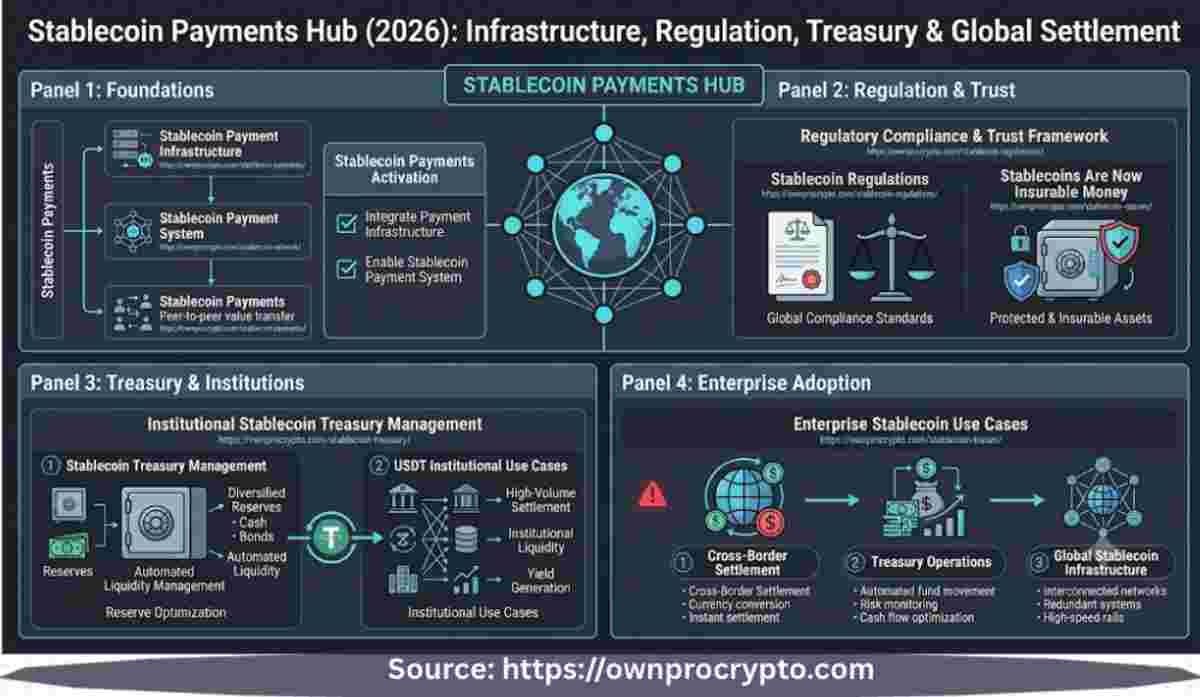
For institutions, USDT use cases extend beyond individual trading. A company, fund, family office, or other professional organization may use USDT as part of treasury operations, digital-asset settlement, liquidity management, or portfolio infrastructure when the asset fits its mandate and applicable legal and compliance requirements.
Institutional adoption requires a different standard of control. The key question is not simply whether an organization can transact in USDT, but whether it can authorize, custody, reconcile, monitor, account for, and report those transactions consistently.
Corporate and institutional treasury teams may consider USDT when they need digital-dollar liquidity for approved transfers, settlements, or transactions within crypto-native markets. The treasury policy should define permitted assets, approved venues, wallet limits, counterparties, transaction authority, and liquidity requirements before funds are deployed.
USDT can provide an on-chain settlement mechanism between institutional counterparties that already have suitable digital-asset infrastructure. This may be relevant for trading operations, digital-asset funds, market participants, and businesses whose counterparties operate in stablecoin-based markets.
Family offices and private investment structures may use USDT for portfolio liquidity, digital-asset settlement, or access to crypto markets. Because these organizations often coordinate assets across multiple entities, custodians, advisers, and jurisdictions, USDT transactions should be incorporated into the same governance and reporting framework used for the rest of the investment portfolio.
For organizations managing significant digital-asset exposure, custody design and transaction authorization become especially important. Institutional controls may include multi-person approval, segregated roles, transaction limits, allowlisted destinations, independent reconciliation, and documented recovery procedures.
| Institutional Use Case | Operational Purpose | Required Control |
|---|---|---|
| Treasury liquidity | Maintain approved digital-dollar liquidity | Treasury policy and exposure limits |
| Institutional settlement | Transfer value between approved counterparties | Counterparty verification and transaction controls |
| Fund operations | Support approved digital-asset trading and settlement workflows | Investment mandate and reconciliation |
| Family-office liquidity | Coordinate digital-asset liquidity across portfolios or entities | Governance, custody and reporting |
| Portfolio transfers | Move approved digital assets between controlled accounts | Segregation of duties and audit trail |
Institutional USDT management should avoid concentrating authorization, custody access, transaction execution, and reconciliation in one individual. Separating these responsibilities creates additional control points and makes unauthorized or erroneous transfers easier to detect.
Every institutional USDT movement should be traceable from the organization’s internal records to the relevant wallet, exchange, custodian, or blockchain transaction. Reconciliation helps identify missing transactions, incorrect classifications, unauthorized movements, and differences between internal books and external records.
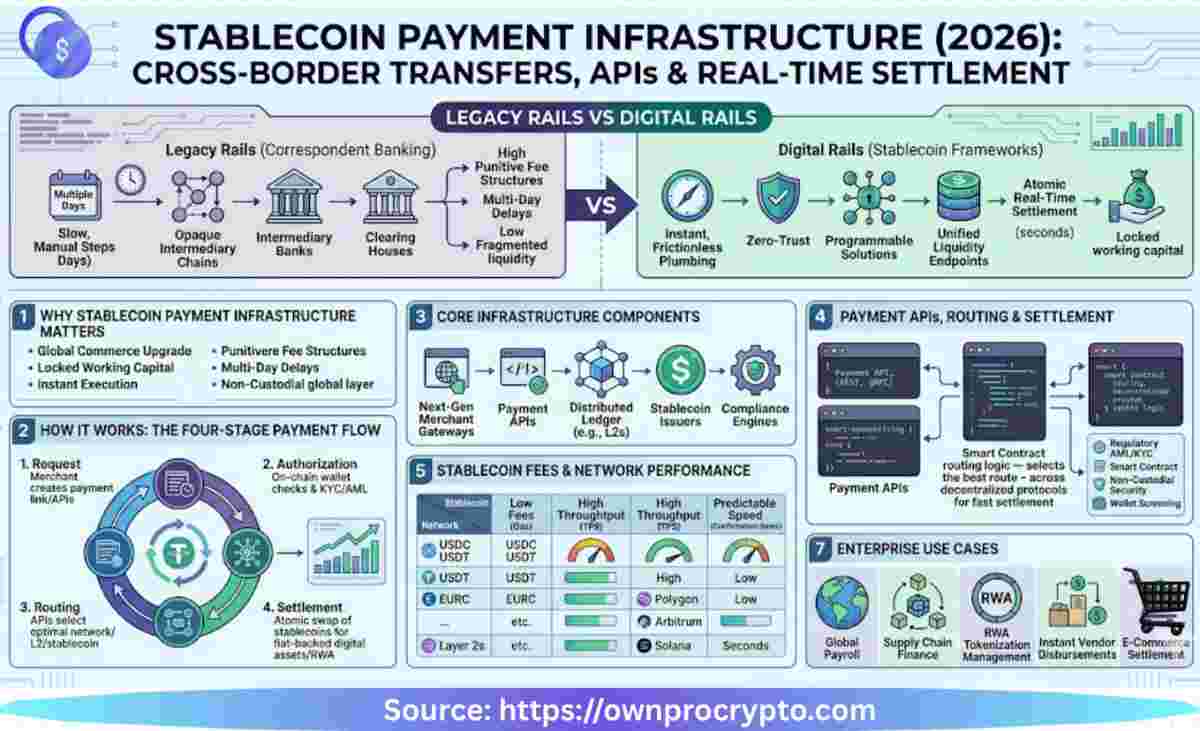
For institutions and businesses, USDT use cases extend beyond trading. A stablecoin can be used as a dollar-denominated settlement asset, treasury instrument, liquidity bridge, or payment rail where its availability and transfer characteristics fit the organization’s operational and regulatory requirements.
The institutional question is therefore not simply whether a business can hold USDT. It is whether the organization can govern, account for, transfer, reconcile and safeguard USDT across its treasury and operational workflows.
Businesses operating across jurisdictions may use USDT for certain digital settlement workflows, subject to counterparties, banking arrangements, local rules and internal controls.
A treasury team may use stablecoins as part of a broader liquidity framework where rapid digital transfer and continuous market availability are operationally useful.
Where legally and operationally supported, businesses may use USDT for payments to digital-native vendors, contractors or counterparties that accept stablecoins.
Institutions may also use USDT as a quote or settlement asset within digital-asset markets, allowing capital to move between trading venues and crypto positions.
Corporate treasury use requires a different framework from individual crypto ownership. The organization needs defined authorization limits, wallet ownership records, transaction approval procedures, accounting treatment, counterparty controls and a process for reconciling on-chain balances with internal books.
| Institutional Function | Potential USDT Role | Primary Control |
|---|---|---|
| Treasury | Digital liquidity or settlement balance | Exposure limits and reconciliation |
| Payments | Digital payment or settlement rail | Counterparty and transaction approval |
| Trading | Quote, settlement or liquidity asset | Venue, counterparty and market-risk controls |
| Accounting | Tracked digital asset position | Transaction records and valuation policy |
Institutional USDT workflows also depend on broader digital-asset security and infrastructure controls. For the security layer, see Crypto Security. For organizations evaluating tokenized assets and their underlying trust structures, see RWA Tokenization & Trust.

One of the most important USDT use cases is digital payment and settlement. Businesses, platforms and counterparties can use USDT to transfer a dollar-denominated digital asset between compatible wallets or services, potentially reducing dependence on traditional payment rails for specific transactions.
This does not mean USDT is automatically cheaper, faster or more suitable than a bank transfer in every situation. The practical value depends on network fees, transaction speed, liquidity, counterparty acceptance, compliance requirements, banking access and the blockchain network being used.
USDT can be useful where a business needs to move a digital dollar-denominated asset between jurisdictions and both parties can legally and operationally support the transaction. This can be particularly relevant for digital-native businesses, international contractors and counterparties already operating within blockchain-based financial infrastructure.
The key distinction is between technical transfer capability and legal or commercial suitability. A transaction may be technically possible on-chain while still requiring additional screening, documentation, accounting treatment or regulatory review.
A business may accept or send USDT when its commercial counterparties support stablecoin settlement. Potential use cases include vendor invoices, contractor payments, digital services and settlement between companies that already maintain compatible digital-asset infrastructure.
| Use Case | Potential Benefit | Key Consideration |
|---|---|---|
| Cross-border settlement | Digital transfer of a dollar-denominated asset | Jurisdiction and counterparty requirements |
| Vendor payments | Direct digital settlement where accepted | Invoice, accounting and payment controls |
| Contractor payments | Flexible digital settlement for supported contractors | Payroll, tax and local-law treatment |
| Platform settlement | Digital settlement between platform participants | Wallet controls, reconciliation and compliance |
Confirm that the sender and recipient support the same USDT network and that the destination address is correct.
Establish who can initiate, approve and release payments rather than relying on informal wallet access.
Match transaction hashes, invoices, wallet movements and internal accounting records.
Apply the organization’s applicable sanctions, AML, tax, accounting and recordkeeping procedures.
Because payment utility depends on secure wallet and transaction controls, businesses should treat stablecoin transfers as part of their broader digital-asset security framework. See Crypto Security Checklist for a practical control layer, and Crypto Security for the wider security framework.
Another major category of USDT use cases is digital-asset market liquidity. USDT can function as a quote asset, settlement asset or liquidity component across centralized exchanges and decentralized finance (DeFi) protocols. Its dollar-denominated design makes it widely used as an intermediate asset when participants move between different crypto positions.
However, using USDT for trading or DeFi does not eliminate market, smart-contract, counterparty, liquidity or operational risk. The relevant risk depends on where the USDT is held, what protocol or venue is used, how liquidity is supplied, and how the position is governed.
Crypto markets commonly use stablecoins as quote assets. A trader can move from one digital asset into USDT without necessarily converting the position immediately into traditional bank money. This can make USDT useful as an intermediate settlement balance between trades.
For active market participants, the relevant benefit is therefore liquidity and transferability, rather than assuming that USDT itself produces investment returns. USDT remains exposed to the risks associated with its issuer, market infrastructure, custody arrangements and the particular venue through which it is used.
In decentralized finance, USDT may be supplied to liquidity pools, used in lending markets, exchanged through decentralized applications or paired with other assets. These uses can provide access to blockchain-based financial infrastructure without requiring every transaction to pass through a traditional centralized exchange.
USDT can be supplied to supported lending protocols or used as a borrowing asset, subject to protocol rules and market conditions.
Liquidity providers may pair USDT with other tokens to facilitate decentralized trading, while taking on pool-specific risks.
USDT can serve as a settlement asset within blockchain applications where the relevant network and application support it.
Investors may temporarily hold USDT between digital-asset positions instead of immediately converting every position into fiat.
| Use | USDT’s Role | Main Risk to Evaluate |
|---|---|---|
| Trading pair | Quote and settlement asset | Market and venue risk |
| Lending | Lending or borrowing asset | Protocol and counterparty risk |
| Liquidity provision | Pool liquidity component | Smart-contract and liquidity risk |
| Portfolio reserve | Digital liquidity position | Issuer, custody and liquidity risk |
DeFi introduces additional protocol and liquidity considerations beyond the stablecoin itself. For a broader framework, see DeFi Risk Analysis. For broader digital-asset infrastructure and security considerations, see Crypto Security.

USDT use cases extend beyond cryptocurrency trading because the asset combines a dollar-denominated unit of value with blockchain-based transfer and settlement. For businesses, investors and institutions, the relevant question is not simply whether USDT is available, but whether its liquidity, network availability, operational controls and regulatory requirements fit the specific transaction.
USDT’s continued use is supported by several practical characteristics: substantial market liquidity, broad availability across digital-asset markets, support across multiple blockchain networks, and established infrastructure for moving dollar-denominated digital value. These characteristics can make USDT relevant for payments, treasury operations, liquidity management and settlement, although the suitability of any particular use depends on jurisdiction, counterparties, custody arrangements and internal controls.
There is no universal requirement for every organization to use stablecoins. A business should first identify the financial problem it is trying to solve—such as cross-border settlement, liquidity mobility or contractor payments—and then evaluate the operational, compliance and custody requirements of the available payment rails.
Different users can have different reasons for considering USDT. The operational objective matters more than the label “stablecoin user.”
| User Type | Potential USDT Use Case | Key Question to Evaluate |
|---|---|---|
| Freelancer / Contractor | International payment receipt | Can the recipient legally receive, convert and report the payment? |
| Merchant | Digital payment acceptance | How will payments be reconciled, converted and accounted for? |
| Startup | Cross-border treasury movement | What custody, approval and accounting controls are required? |
| Enterprise | Supplier or international settlement | Do counterparties, jurisdictions and compliance processes support the workflow? |
| Institution | Liquidity and settlement operations | Are custody, counterparty, regulatory and reconciliation controls sufficient? |
| Investor | Digital-asset liquidity management | How does USDT fit within the investment mandate and risk framework? |
Using USDT in an institutional or business environment requires more than transferring tokens. The operational model should account for the asset itself, custody, counterparties, transaction authorization, compliance and reconciliation.
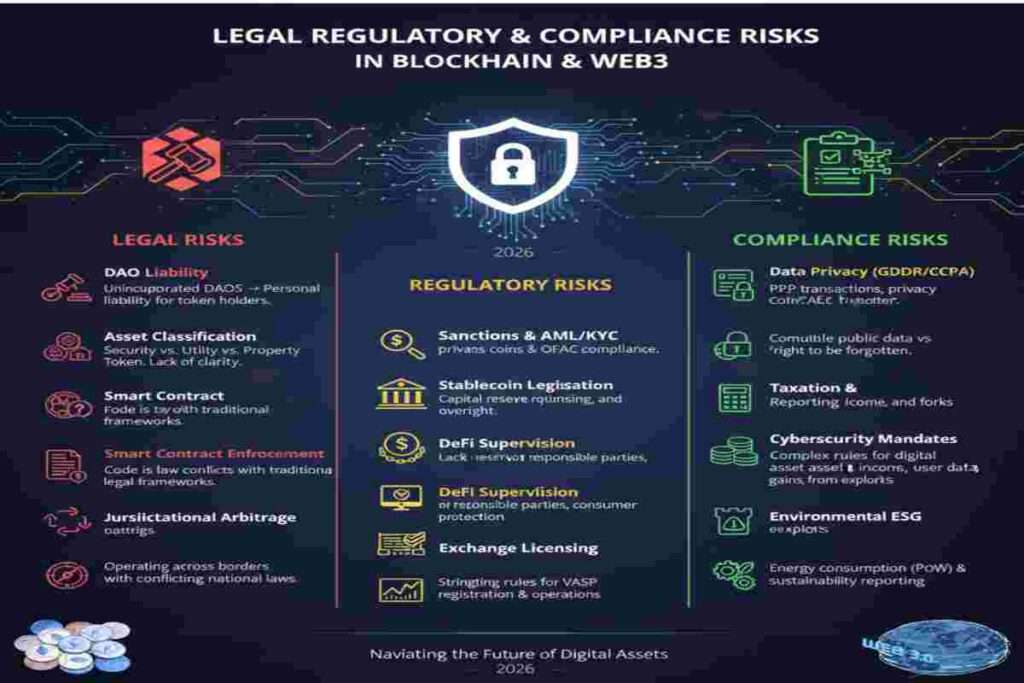
Understanding USDT use cases also requires understanding the controls around those use cases. A stablecoin transaction can involve blockchain infrastructure, wallets, exchanges, custodians, counterparties, banks and internal accounting systems. Each layer introduces different operational and compliance considerations.
For businesses and institutions, the relevant risk is therefore not limited to whether the token price remains close to its intended reference value. Organizations should also evaluate custody, counterparty exposure, network selection, transaction authorization, sanctions and compliance screening, accounting treatment, reconciliation and the ability to recover from operational errors.
| Risk Area | Potential Failure | Primary Control | Review Focus |
|---|---|---|---|
| Wallet Security | Unauthorized transaction | Role-based permissions and multi-person approval | Access and signing policies |
| Network Selection | Funds sent using an unsupported network | Address and network verification before execution | Transaction procedures |
| Counterparty | Service-provider or settlement failure | Counterparty due diligence and exposure limits | Provider status and concentration |
| Compliance | Transaction conflicts with applicable requirements | Documented compliance review and screening procedures | Jurisdiction and transaction type |
| Accounting | Incomplete or inconsistent records | Transaction-level reconciliation and documented valuation | Ledger completeness |
| Operations | Duplicate, incorrect or unauthorized payment | Dual review and standardized payment workflow | Exceptions and incident logs |
A useful institutional approach is to treat USDT as one component of a broader treasury or payment system. The organization should document who can initiate transactions, who can approve them, which providers may be used, how assets are reconciled, and what happens when a transaction fails or an authorized person becomes unavailable.
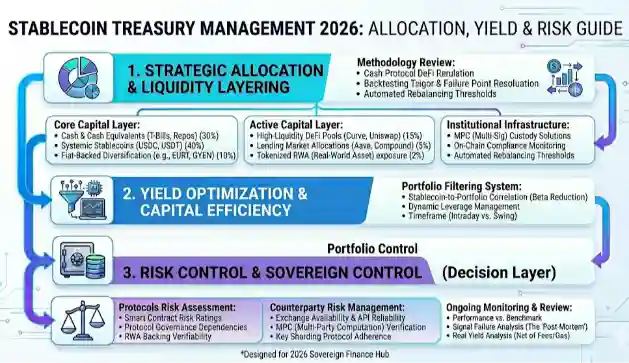
For institutions, one of the most important USDT use cases is moving and managing dollar-denominated liquidity across digital-asset infrastructure. Depending on the institution’s mandate and jurisdiction, USDT can be used for treasury transfers, settlement, exchange liquidity, collateral workflows, international transactions, and other operational purposes.
Institutional use is different from simply holding USDT as an investment. Treasury teams need to consider authorization, custody, counterparty exposure, transaction records, liquidity requirements, reconciliation, compliance procedures, and the operational controls surrounding each transfer.
Treasury teams may use USDT as a digital settlement asset when they need to move dollar-denominated liquidity between supported platforms or counterparties. The practical benefit depends on access to suitable liquidity venues, custody arrangements, banking relationships, applicable regulations, and the institution’s internal controls.
USDT can also serve as a settlement mechanism between digital-asset participants. Instead of treating blockchain settlement as a separate financial process, an institution can incorporate it into an approved transaction workflow with defined counterparties, authorization limits, transaction monitoring, and reconciliation procedures.
Another potential USDT use case is cross-border value transfer. Digital settlement can reduce dependence on conventional payment rails in some situations, but the economics and practicality vary by corridor. Institutions still need to account for local laws, sanctions requirements, counterparties, conversion costs, banking access, and reporting obligations.
USDT is widely used as a quote and settlement asset across digital-asset markets. Institutional trading operations can therefore use USDT to move between trading venues, manage liquidity, or settle transactions where the relevant venue supports it.
Depending on the platform and agreement, USDT may also appear in collateral or liquidity workflows. These arrangements introduce additional considerations, including smart-contract risk, counterparty risk, liquidation conditions, custody, and the legal terms governing the transaction.
Institutional USDT use should not depend on one employee, one wallet, or one exchange account. Organizations can establish role-based permissions, transaction limits, approval requirements, wallet whitelists, segregation of duties, and independent reconciliation.
These controls become particularly important when USDT is moved across multiple networks or venues. Network selection, destination verification, transaction finality, fees, and supported infrastructure should be confirmed before material transfers are authorized.
| Use Case | Potential Role | Primary Consideration |
|---|---|---|
| Treasury | Digital dollar-denominated liquidity | Liquidity and custody |
| Settlement | Transfer value between approved counterparties | Counterparty and transaction controls |
| Cross-border payments | Digital transfer of dollar-denominated value | Local regulation and conversion |
| Trading liquidity | Quote and settlement asset | Venue and counterparty risk |
| Collateral workflows | Collateral or liquidity within supported arrangements | Contract, liquidation and platform risk |
The practical value of USDT depends on what a user, business, investor, or institution needs to accomplish. A useful implementation framework therefore starts with the payment, treasury, settlement, trading, or liquidity problem—not simply with the decision to hold a stablecoin.
Businesses may use USDT for different reasons: moving value between supported venues, managing digital-asset liquidity, settling transactions, facilitating international transfers, or maintaining exposure to a dollar-denominated digital asset. Each use case creates different operational, counterparty, compliance, tax, and custody considerations.
| Objective | Potential USDT Use | Primary Control | Key Question |
|---|---|---|---|
| Settlement | Digital transfer of dollar-denominated value between supported parties. | Counterparty and transaction controls | Who is authorized to send and receive funds? |
| Treasury | Managing digital liquidity or moving funds across supported platforms. | Liquidity and custody controls | Can liquidity be accessed when required? |
| Trading | Pairing or settlement asset within supported digital-asset markets. | Venue and counterparty risk controls | What venue, liquidity and exposure limits apply? |
| Cross-Border Transfers | Moving dollar-denominated digital value across supported networks and counterparties. | Compliance and transaction-screening controls | Are the parties, jurisdictions and transaction permitted? |
A mature USDT workflow can connect transaction initiation with authorization, execution, reconciliation, reporting, and periodic review. This is particularly important when several wallets, exchanges, custodians, blockchains, or internal departments are involved.
Practical takeaway: The strongest USDT implementation is the one where the use case, authorization model, custody arrangement, transaction records, and monitoring process are defined together.
Understanding USDT use cases is only the first step. Before integrating USDT into payments, treasury, trading, settlement, or institutional workflows, the organization should evaluate whether the specific use case fits its liquidity requirements, counterparties, operational controls, accounting and tax processes, custody model, and applicable regulatory obligations.
A practical assessment should consider the complete transaction environment rather than looking only at the token itself. The same USDT use case can create very different requirements depending on the jurisdiction, network, counterparties, custody structure, transaction volume, and internal approval process.
| Area | Question to Ask | Evidence to Maintain |
|---|---|---|
| Business Purpose | What operational problem does USDT solve? | Documented use case and business rationale |
| Liquidity | Can the required value be accessed and transferred when needed? | Liquidity procedures and transaction records |
| Custody | Who controls wallets, permissions and transaction approvals? | Wallet inventory, approval policy and audit trail |
| Compliance | Are the transaction, counterparties and jurisdictions permitted? | Compliance records and transaction documentation |
| Accounting & Tax | How will transactions, balances and relevant tax information be recorded? | Reconciled ledger and supporting records |
The central question is not simply whether USDT can perform a particular function. It is whether the organization can perform that function consistently, document the activity, manage the associated risks, and review the process as its transaction volume and operating environment change.
Scope note: USDT’s availability, legal treatment, tax treatment, regulatory requirements, supported networks, and permitted uses can vary by jurisdiction and change over time. Verify current requirements with the relevant authority and qualified professional advisers before implementing a material USDT workflow.
These frequently asked questions address the most common practical questions surrounding USDT use cases, including business payments, treasury management, transfers, trading, institutional use, and operational considerations.
Common USDT use cases include digital-asset settlement, transferring dollar-denominated value, trading liquidity, treasury operations, and certain cross-border payment workflows. The suitability of each use case depends on the parties involved, jurisdiction, network, custody arrangements, liquidity requirements, and applicable controls.
Businesses may use USDT where digital-dollar settlement, digital-asset liquidity, or transfers between supported counterparties fit their operating needs. Before using it materially, a business should consider transaction controls, custody, reconciliation, accounting, tax treatment, compliance requirements, and the risks associated with counterparties and blockchain networks.
USDT can be transferred across supported blockchain networks and between supported counterparties, including in some cross-border workflows. However, availability and legal permissibility vary by jurisdiction and provider. Transaction screening, sanctions controls, customer requirements, network selection, fees, settlement procedures, and local rules should be evaluated before using USDT for international transfers.
Yes. USDT is widely used within digital-asset markets as a trading and settlement asset on supported venues. Its role can include serving as a quote or settlement asset for trading pairs and as a means of moving liquidity between supported platforms. Users should separately evaluate exchange risk, liquidity, custody, fees, and applicable trading and tax rules.
No. USDT is a digital token designed to track the value of the U.S. dollar, but it is not itself a bank deposit or physical cash. Its practical characteristics depend on the issuer, redemption arrangements, blockchain network, intermediary, custody method, market conditions, and applicable legal framework.
A business should define the intended use case first, then evaluate counterparties, liquidity, blockchain networks, custody, transaction authorization, compliance, accounting, tax reporting, reconciliation, and recordkeeping. The controls should be proportionate to transaction value and operational complexity.
Institutions may use USDT where its use is permitted and consistent with their mandate, internal policies, counterparties, custody arrangements, and applicable regulatory requirements. Institutional implementation generally requires stronger controls around authorization, segregation of duties, reconciliation, reporting, custody, and audit trails than an informal individual workflow.
Potential tax and reporting obligations depend on the taxpayer, jurisdiction, transaction type, and applicable rules. Selling, exchanging, spending, receiving, transferring, or otherwise using digital assets can have different tax and reporting consequences. Complete transaction records should therefore be maintained and reviewed under the rules applicable to the relevant taxpayer and tax year.
USDT use cases extend beyond simply holding or transferring a stablecoin. Businesses, investors and institutions may evaluate USDT in payment settlement, treasury operations, liquidity management, digital-asset risk, decentralized finance and broader stablecoin infrastructure. The OwnProCrypto resources below provide focused tools and research for readers who want to examine those applications in greater depth.
| Resource | Primary Connection | Why It Matters |
|---|---|---|
| Stablecoin Payment Infrastructure | Payments & Settlement | Useful for examining how stablecoins can support payment routing, settlement workflows, liquidity movement and business payment infrastructure. |
| Stablecoin Treasury Management System | Treasury & Liquidity | Connects directly with business and institutional questions around stablecoin reserves, liquidity allocation, treasury controls and risk. |
| Crypto Asset Risk Analysis Tool | Risk & Portfolio Analysis | Provides a supporting framework for evaluating liquidity, custody, concentration and broader digital-asset exposure. |
| Stablecoin Regulations | Regulation & Compliance | Provides additional context for understanding the regulatory environment surrounding stablecoins and institutional adoption. |
| DeFi Risk Analysis | DeFi & Stablecoin Applications | Helps readers investigate risks associated with using stablecoins within decentralized lending, liquidity and application ecosystems. |
| Crypto Research Workspace | Research & Due Diligence | Gives readers a broader environment for continuing research into stablecoins, digital assets and related infrastructure. |
If your interest is primarily business payments, explore the payment infrastructure resource. For treasury and liquidity, use the treasury management system. For risk evaluation, continue to the digital-asset risk tool. For regulatory research, review the stablecoin regulations resource. Readers investigating DeFi applications can continue into DeFi risk analysis, while broader digital-asset research can be organized through the Crypto Research Workspace.
For current U.S. regulatory information concerning stablecoins and digital assets, readers should verify requirements directly with the relevant government or regulatory authority rather than relying solely on secondary summaries. U.S. Securities and Exchange Commission