
Search by title, topic or phrase
Use our Crypto Search Engine 🔍 to find the topics and keywords you're looking for.
Find the right crypto security guide, checklist, standard, tool, or institutional resource for the security problem you need to solve.
The Crypto Security Hub is a central starting point for finding the right resource to protect, assess, standardize, and monitor digital assets.
Start with
Crypto Asset Security
for the broad protection framework, use the
Security Checklist
to assess your setup, or choose a specialist resource below for standards, self-custody, institutional custody, security tools, or threat intelligence.
This page is a navigation hub. Detailed security guidance is intentionally kept on focused specialist pages so each resource serves a clear purpose.
<!–
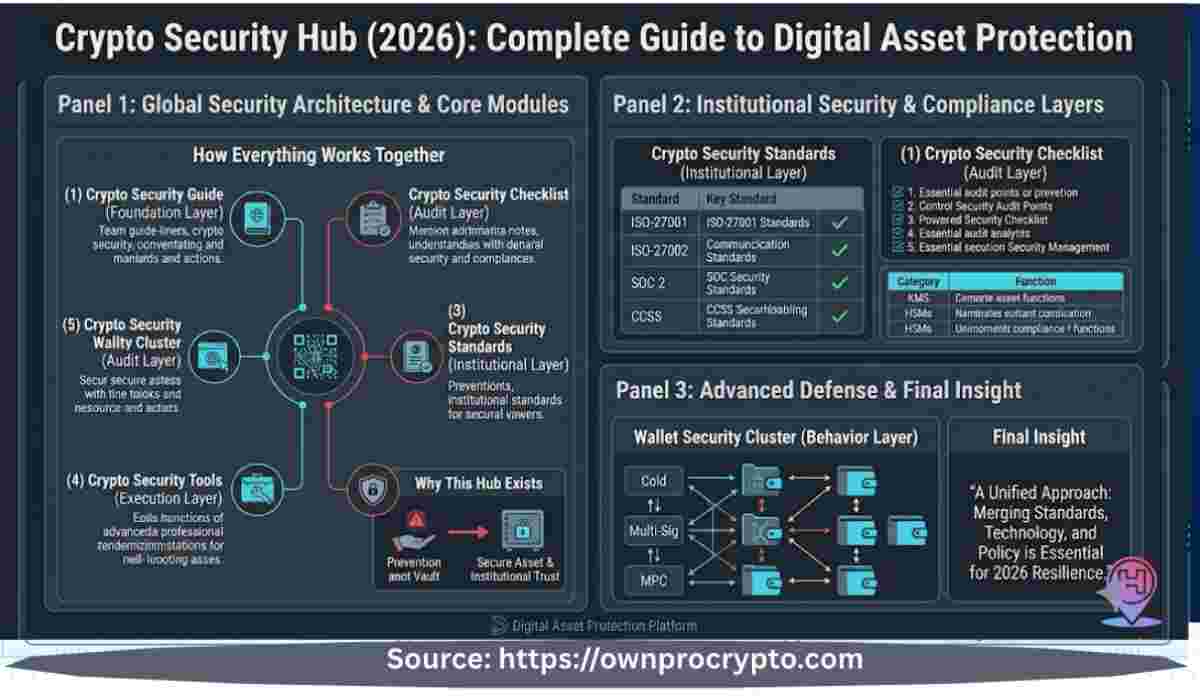
Table of Contents
ToggleCrypto security covers different problems. Choose the stage that best matches what you need to accomplish.
Learn the fundamentals of protecting crypto and digital assets.
Review your current security controls and identify weaknesses.
Use standards and frameworks to create structured security practices.
Use tools, monitoring, custody controls, and threat resources.
Understand the broad framework for protecting digital assets, including wallets, keys, transactions, custody, recovery, and incident response.
Explore Asset Security →Start with the fundamentals if you are new to crypto security or want a straightforward introduction to major security risks.
Read the Security Guide →Assess your current security setup and identify practical areas that may need improvement.
Run the Security Checklist →Explore security standards, frameworks, governance, and structured controls for stronger crypto security practices.
Explore Security Standards →Find practical tools for security analysis, wallet protection, risk assessment, scam detection, and related tasks.
Explore Security Tools →Follow relevant threats, scams, exploits, attack methods, and security developments affecting digital assets.
Explore Threat Intelligence →Learn how self-custody works and how to manage the responsibilities that come with controlling your own assets.
Explore Self-Custody →Explore wallet-focused protection involving devices, keys, signing, transaction verification, and wallet activity.
Explore Wallet Security →Assess your current security setup with the dedicated checklist tool and identify areas that may need improvement.
Run Security Checklist →Get the broad framework covering access, transactions, custody, recovery, and incident response.
Explore Asset Security →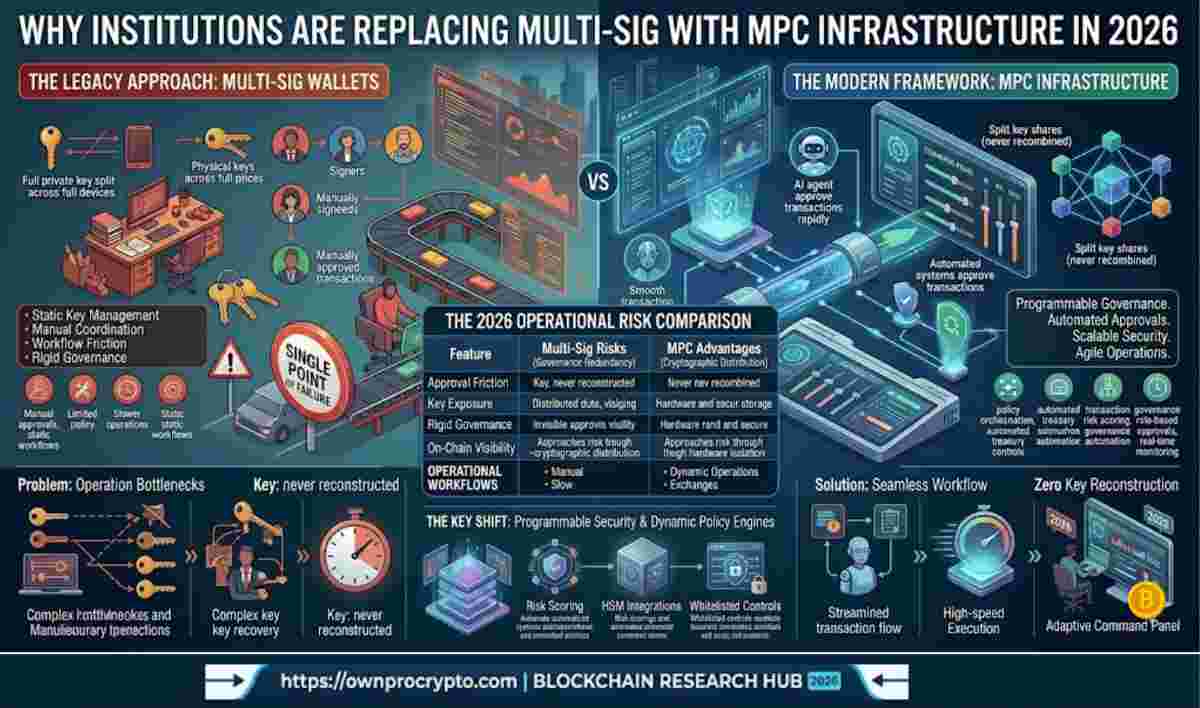
Organizations managing significant digital assets may need governance, approval policies, separation of duties, custody architecture, auditability, and operational controls beyond individual wallet security.
Explore security architecture and controls designed for organizations managing digital assets and operational access.
Compare major institutional custody and key-management approaches when choosing a digital asset security architecture.
Explore institutional MPC infrastructure and operational considerations for distributed signing systems.
Review custody platforms and provider considerations when third-party infrastructure is part of the security model.
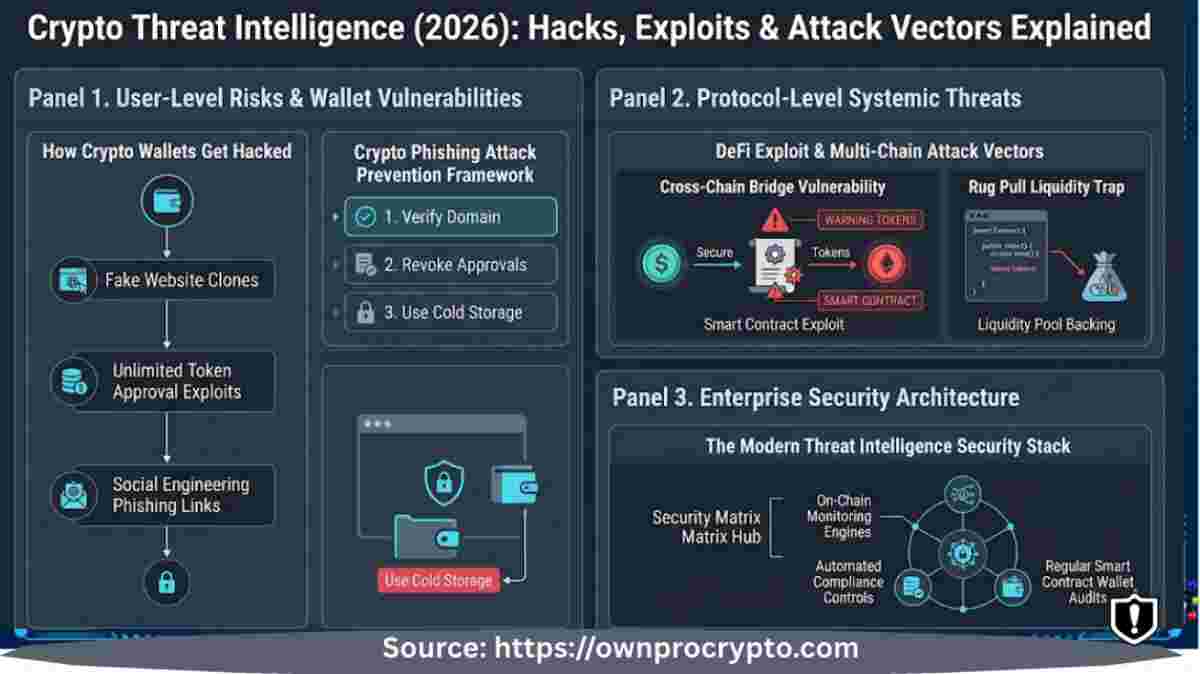
Preventive controls are only part of crypto security. Threat awareness, risk analysis, and monitoring can help identify suspicious activity and changing attack patterns.
Follow relevant threats, scams, exploits, and attack methods affecting crypto and digital assets.
Explore Threat Intelligence →Explore resources for evaluating crypto and digital asset risks, exposures, and security weaknesses.
Explore Risk Analysis →Investigate suspicious websites, addresses, projects, and other signals before interacting with them.
Check for Scam Risks →Access practical tools for security analysis, monitoring, risk assessment, and related crypto security tasks.
Explore Security Tools →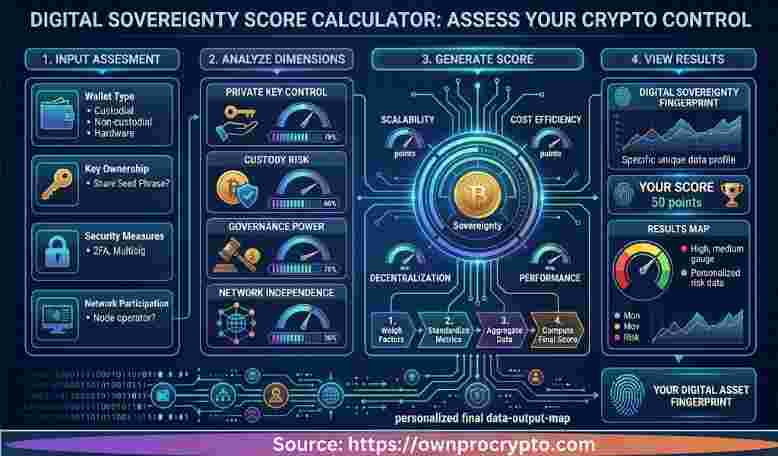
Use this quick guide if you are unsure which resource best matches your goal.
| Your goal | Best resource | Purpose |
|---|---|---|
| Understand how crypto assets are protected | Crypto Asset Security | Broad digital asset protection framework |
| Learn crypto security fundamentals | Security Guide | Foundational education |
| Check my current security setup | Security Checklist | Security assessment tool |
| Build structured security controls | Security Standards | Standards and frameworks |
| Find security utilities | Security Tools | Practical security tools |
| Manage my own crypto | Self-Custody | Personal custody and key management |
| Compare institutional custody architecture | MPC vs Multi-Sig vs HSM | Architecture comparison |
| Evaluate custody providers | Custody Platforms | Provider and platform research |
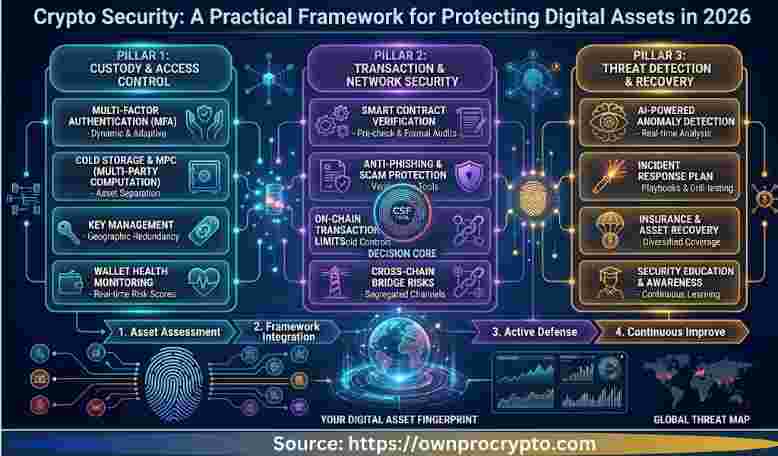
If you are building or improving a security program, use this sequence as a simple starting point.
Identify your assets, access methods, transaction authorities, and major security dependencies.
Use the Crypto Security Checklist to identify obvious gaps.
Match custody, key management, approvals, and recovery to the value and complexity of your assets.
Use Crypto Security Standards when security needs to become repeatable and structured.
Use security tools and threat resources appropriate to your environment.
Revisit security when asset values, devices, people, applications, or custody arrangements change.
Each resource has a different purpose. The Hub connects them, while the specialist pages provide the detailed information or tools for their individual use cases.
| Resource | Primary purpose | Best for |
|---|---|---|
| Security Hub | Navigation | Finding the right resource |
| Asset Security | General education | Understanding digital asset protection |
| Security Guide | Fundamentals | Learning the basics |
| Security Checklist | Assessment | Testing an existing setup |
| Security Standards | Frameworks and controls | Building structured security practices |
| Security Tools | Practical utilities | Performing security-related tasks |
| Self-Custody | Custody education | Users controlling their own assets |
| Institutional Security | Enterprise controls | Organizations managing digital assets |
The Crypto Security Hub is a central directory for OwnProCrypto’s crypto security guides, assessment tools, standards, security tools, custody resources, and threat intelligence.
Start with Crypto Asset Security if you want the broad protection framework. If you want to evaluate your existing setup, use the Crypto Security Checklist.
No. The Hub is primarily a navigation resource. Detailed explanations and specialist tools are intentionally kept on focused pages.
Visit Crypto Security Standards for frameworks, standards, controls, and structured security practices.
Use the dedicated MPC vs Multi-Sig vs HSM comparison.
Visit Crypto Security Tools for practical security utilities and related resources.
You do not need to use every resource. Start with the security problem you are actually trying to solve, then move to the specialist guide or tool designed for that task.
Start With Crypto Asset Security →The
OWASP Smart Contract Top 10
is an external security reference for understanding major smart-contract and Web3 application risks, including access-control weaknesses, business-logic flaws, oracle manipulation, and other contract-level vulnerabilities.
Research Discussion
Share your perspective, question, or additional insight.
Mind-blowing outstanding
Mind-blowing out standing deep research