
Search by title, topic or phrase
Use our Crypto Search Engine 🔍 to find the topics and keywords you're looking for.

Table of Contents
ToggleModern enterprises generate enormous volumes of information every second. Customer transactions, IoT sensors, ERP systems, CRMs, cloud applications, mobile platforms, financial systems, and AI services all produce continuous streams of data that must move securely between different applications.
Unfortunately, many organizations still rely on traditional point-to-point integrations, where every application connects directly to every other application. While this approach may work for a handful of systems, it quickly becomes difficult to manage as organizations grow.
A Data Exchange Layer (DXL) solves this problem by acting as a secure communication layer between applications. Instead of creating hundreds of custom integrations, every system connects to a centralized or decentralized exchange platform responsible for validating, transforming, securing, and routing data.
The result is a scalable enterprise architecture that enables:
Today, Data Exchange Layers are widely used across banking, healthcare, government, manufacturing, telecommunications, logistics, retail, and smart city infrastructure where reliable data movement is critical.
💡 Quick Tip: A Data Exchange Layer doesn’t replace your databases or applications—it connects them through a secure, governed data-sharing framework.
A Data Exchange Layer (DXL) is an enterprise integration architecture that enables secure, standardized, and automated data sharing between multiple applications, databases, cloud services, and organizations.
Instead of allowing applications to communicate directly with one another, the DXL serves as an intelligent intermediary responsible for:
Think of it as the operating system for enterprise data movement.
Every application speaks only to the exchange layer rather than learning how every other system works.
Imagine an international airport.
Passengers don’t fly directly between every possible city.
Instead they travel through airports that provide:
A Data Exchange Layer performs the same role for digital information.
Without a Data Exchange Layer, organizations often experience:
| Challenge | Business Impact |
|---|---|
| Hundreds of API integrations | High maintenance costs |
| Data silos | Duplicate information |
| Different data formats | Integration failures |
| Weak governance | Compliance risks |
| Security inconsistencies | Data breaches |
| Legacy system incompatibility | Slow modernization |
| Poor scalability | Difficult digital transformation |
📊 Did You Know? In a traditional integration model, every new application increases the number of required connections exponentially. A Data Exchange Layer reduces this complexity by allowing each system to integrate only once.
Digital transformation has fundamentally changed enterprise architecture.
A typical enterprise no longer operates a single database or application.
Instead, it may include:
Each platform generates data independently.
Without a common integration framework, engineering teams spend enormous amounts of time writing custom APIs and maintaining fragile connections.
| Legacy Challenge | Enterprise Impact |
|---|---|
| Point-to-point APIs | Hundreds of integrations |
| Different protocols | Complex development |
| Duplicate business logic | Increased maintenance |
| Separate authentication methods | Security gaps |
| Manual monitoring | Slow incident response |
| Data inconsistencies | Poor analytics |
A Data Exchange Layer standardizes communication across the entire technology ecosystem.
Rather than creating unique integrations, applications publish and consume standardized data streams through one trusted platform.
Organizations implementing DXL architectures typically gain:
💡 Quick Tip: The larger your IT ecosystem becomes, the greater the return on investment from implementing a Data Exchange Layer.
Understanding this comparison is essential because most organizations migrate to DXL specifically to eliminate integration complexity.
Application A ───────► Application B

Application A ───────► Application C

Application A ───────► Application D

Application B ───────► Application C

Application C ───────► Application D
As applications increase, integrations increase exponentially.
Mathematically:
Connections = N × (N − 1)
where N equals the number of applications.
Example
| Applications | Direct Connections |
|---|---|
| 5 | 20 |
| 10 | 90 |
| 20 | 380 |
| 50 | 2,450 |
| 100 | 9,900 |
This architecture becomes nearly impossible to manage.
Application A
      │
Application B
      │
Application C
      │
Application D
      ⬇
+----------------------+
|  Data Exchange Layer |
+----------------------+
      ⬇
Enterprise Services
Each application connects only once.
Connections equal:
Connections = N
Example
| Applications | DXL Connections |
|---|---|
| 5 | 5 |
| 10 | 10 |
| 20 | 20 |
| 50 | 50 |
| 100 | 100 |
The reduction in architectural complexity is dramatic.
| Feature | Point-to-Point | Data Exchange Layer |
|---|---|---|
| Scalability | Poor | Excellent |
| Security | Distributed | Centralized |
| Governance | Difficult | Simplified |
| Monitoring | Fragmented | Unified |
| API Management | Manual | Centralized |
| Maintenance | High | Low |
| Real-Time Data | Limited | Native Support |
| Cloud Integration | Difficult | Excellent |
| Compliance | Hard | Easier |
| Operational Cost | High | Lower |
⚠️ Watch Out: Point-to-point integration may appear simpler for small projects, but it becomes increasingly expensive and difficult to maintain as the number of connected systems grows.
Although implementations vary across vendors, nearly every enterprise Data Exchange Layer follows the same processing lifecycle.
┌────────────────────┐
│   Data Sources     │
│ ERP • CRM • IoT    │
│ APIs • Databases   │
└─────────┬──────────┘
          ↓
┌────────────────────┐
│   Data Ingestion   │
└─────────┬──────────┘
          ↓
┌────────────────────┐
│ Validation & Schema│
└─────────┬──────────┘
          ↓
┌────────────────────┐
│ Transformation     │
└─────────┬──────────┘
          ↓
┌────────────────────┐
│ Security & IAM     │
└─────────┬──────────┘
          ↓
┌────────────────────┐
│ Routing Engine     │
└─────────┬──────────┘
          ↓
┌────────────────────┐
│ Consumer Systems   │
└────────────────────┘
Every stage performs a specific function that ensures information is accurate, secure, and delivered to the correct destination.
The process begins when source systems publish data to the exchange layer.
Common sources include:
Data may arrive through:
Before any data moves further, the DXL validates:
Invalid messages are typically redirected to a Dead Letter Queue (DLQ) for investigation instead of disrupting production workloads.
Enterprise systems rarely use identical data formats.
For example:
| System | Customer ID Format |
|---|---|
| CRM | Cust-000245 |
| ERP | 245 |
| Warehouse | C245 |
| Billing | CUSTOMER_245 |
The transformation engine standardizes these formats so every downstream system receives consistent data without requiring custom conversion logic.
Before data can move to its destination, the Data Exchange Layer applies security controls to verify that the request is legitimate and the data transfer is authorized.
Security is not treated as a separate feature added later—it is built into every stage of the exchange process.
The security layer evaluates:
Incoming Data Request
           ↓
Identity Verification
           ↓
Permission Check
           ↓
Encryption Validation
           ↓
Policy Enforcement
           ↓
Approved for Delivery
A typical enterprise DXL uses multiple security mechanisms including:
| Security Layer | Purpose |
|---|---|
| Authentication | Verify system identity |
| Authorization | Control access permissions |
| Encryption | Protect sensitive information |
| Tokenization | Hide confidential fields |
| Audit Logging | Record every transaction |
| Threat Detection | Identify suspicious activity |
For example, a healthcare Data Exchange Layer may allow a hospital system to share patient records with an authorized physician but prevent unauthorized applications from accessing the same information.
Similarly, in banking environments, a DXL can allow a budgeting application to access transaction history while blocking access to confidential account credentials.
💡 Quick Tip: Authentication answers “Who are you?” while authorization answers “What are you allowed to access?”
After data passes validation and security checks, the Data Exchange Layer determines where the information should be delivered.
The routing engine acts as the intelligent traffic controller of the entire exchange ecosystem.
It analyzes:
Customer Transaction Event
            ↓
    Data Exchange Layer
            │
   ┌────────┼────────┐
   ↓        ↓        ↓

Payment   Analytics  Fraud
System    Platform   Engine
Unlike direct integrations, the source application does not need to know how the destination system works.
The DXL handles the complexity internally.
For example:
A retail customer purchases a product online.
The event enters the Data Exchange Layer.
The routing engine automatically sends:
| Destination | Action |
|---|---|
| Inventory System | Reduce stock |
| Payment Gateway | Confirm payment |
| CRM | Update customer history |
| Warehouse | Prepare shipment |
| Analytics Platform | Record transaction |
| Routing Pattern | Description |
|---|---|
| Point-to-point routing | Direct delivery to one system |
| Publish/Subscribe | Multiple systems receive events |
| Content-based routing | Delivery based on data values |
| Priority routing | Critical messages delivered first |
| Load-balanced routing | Distributed processing |
📌 Key Takeaway: Routing intelligence is what separates a Data Exchange Layer from a simple data pipeline. The system does not just move data—it decides the safest and most efficient way to deliver it.
A modern Data Exchange Layer supports two major data movement models:
The correct approach depends on business requirements, latency expectations, and data volume.
Real-time processing moves information immediately after an event occurs.
The data is transmitted within milliseconds or seconds, enabling instant decisions.
Common technologies include:
| Industry | Example |
|---|---|
| Banking | Fraud detection |
| Healthcare | Patient monitoring |
| Manufacturing | Machine failure alerts |
| Retail | Inventory updates |
| Transportation | Vehicle tracking |
| Telecom | Network monitoring |
Example:
Payment Made
            ↓

Event Generated
            ↓
DXL Processing
            ↓
Fraud Detection AI
            ↓
Approve / Block
Batch processing collects large volumes of information and processes them at scheduled intervals.
It is useful when immediate processing is not required.
Common examples:
| Feature | Real-Time Processing | Batch Processing |
|---|---|---|
| Speed | Milliseconds/seconds | Minutes/hours |
| Data Volume | Continuous streams | Large groups |
| Complexity | Higher | Lower |
| Cost | Higher infrastructure needs | More economical |
| Best For | Instant decisions | Historical processing |
Most enterprise organizations do not choose only one approach.
They combine both.
Critical Events
            ↓
Real-Time Processing

Historical Data
            ↓
Batch Processing
            ↓
Unified Enterprise Analytics
Example:
A bank may use:
💡 Quick Tip: Use real-time processing when a delay creates business risk. Use batch processing when efficiency matters more than immediate availability.
After adding these missing steps, the full lifecycle becomes:
1. Data Ingestion
            ↓
2. Data Validation
            ↓
3. Transformation & Normalization
            ↓
4. Security & Access Control
            ↓
5. Routing & Delivery
            ↓
6. Real-Time / Batch Processing
            ↓
7. Data ConsumersThis lifecycle demonstrates that a Data Exchange Layer is not simply a transport mechanism.
It is an intelligent data management framework that:
A Data Exchange Layer (DXL) is more than an integration platform—it is the communication backbone of modern enterprise architecture. Rather than allowing applications to exchange data directly, the DXL introduces a standardized processing layer that manages every stage of the data lifecycle, from ingestion and validation to transformation, security, routing, and monitoring.
This architecture decouples data producers from consumers, making enterprise systems more scalable, resilient, and easier to maintain.
A typical enterprise Data Exchange Layer sits between source systems and destination applications, acting as the central intelligence for data movement.
                    +--------------------------------------+
                    |          Source Systems              |
                    |--------------------------------------|
                    | ERP | CRM | IoT | SaaS | APIs | DBs |
                    +-------------------+------------------+
                                        │
                                        ▼
        ┌──────────────────────────────────────────────────────┐
        │               DATA EXCHANGE LAYER                    │
        │------------------------------------------------------│
        │ • API Gateway                                        │
        │ • Authentication & IAM                               │
        │ • Validation Engine                                  │
        │ • Transformation Engine                              │
        │ • Routing Engine                                     │
        │ • Event Streaming                                    │
        │ • Metadata Management                                │
        │ • Monitoring & Audit Logging                         │
        └──────────────────────────────────────────────────────┘
                                        │
             ┌───────────────┬──────────┴───────────────┬──────────────┐
             ▼               ▼                          ▼              ▼
      Analytics         Applications             Data Lake       AI/ML Systems
Instead of every application managing its own integration logic, the exchange layer becomes the trusted intermediary responsible for enforcing consistent rules across the enterprise.
💡 Quick Tip: The best enterprise architectures minimize direct dependencies between applications. A Data Exchange Layer achieves this by allowing systems to communicate without needing to understand each other’s internal design.
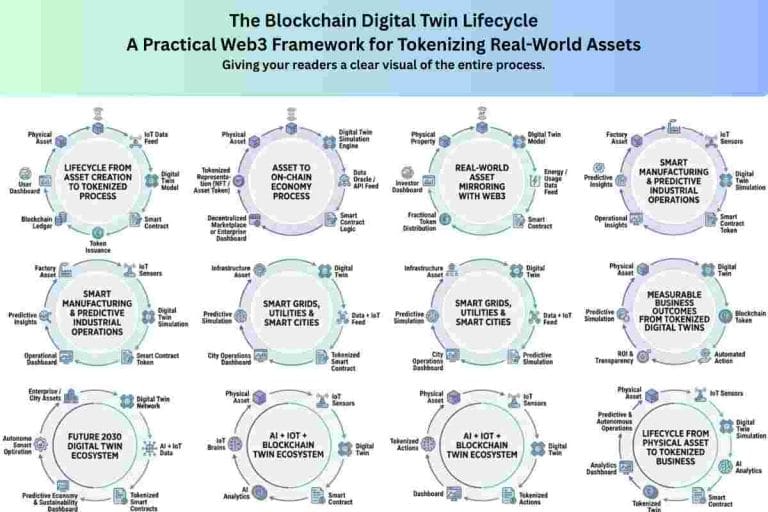
Every message passing through a Data Exchange Layer follows a structured processing pipeline.
Source System
        ↓
API Gateway
        ↓
Authentication
        ↓
Schema Validation
        ↓
Data Transformation
        ↓
Business Rules
        ↓
Security Policies
        ↓
Routing Engine
        ↓
Destination Applications
Each stage has a clearly defined responsibility.
| Stage | Purpose |
|---|---|
| Ingestion | Accept incoming data |
| Authentication | Verify sender identity |
| Validation | Check schema and required fields |
| Transformation | Convert into standard format |
| Business Rules | Apply enterprise logic |
| Security | Encrypt and authorize |
| Routing | Deliver to correct systems |
| Monitoring | Record logs and metrics |
Without a structured pipeline:
With a DXL, every message follows the same controlled workflow regardless of its source or destination.
Organizations typically deploy one of two architectural models depending on governance, scale, and regulatory requirements.
A centralized DXL routes all communication through a single enterprise-managed platform.
           Application A
                 │
           Application B
                 │
           Application C
                ↓
      +-------------------------+
      |   Central DXL Platform  |
      +-------------------------+
                 │
     ┌───────────┼────────────┐
     ↓           ↓            ↓
Analytics Databases ServicesA decentralized architecture distributes exchange responsibilities across multiple trusted nodes.
        Node A  ◄────────► Node B
          │                   │
          ▼                   ▼
     Regional Apps      Regional Apps
          │                   │
          └────────► Node C ◄────────┘
Every node independently validates, secures, and exchanges data while remaining synchronized with the broader network.
| Feature | Centralized | Decentralized |
|---|---|---|
| Deployment | Single Platform | Multiple Nodes |
| Governance | Easier | More Complex |
| Scalability | High | Very High |
| Latency | Low | Depends on Region |
| Fault Tolerance | Moderate | Excellent |
| Compliance | Easier | Region Specific |
| Infrastructure Cost | Lower | Higher |
| Disaster Recovery | Good | Excellent |
📊 Did You Know? Estonia’s X-Road platform is one of the world’s best-known examples of a decentralized data exchange architecture, enabling secure communication between hundreds of public and private organizations.
Most modern Data Exchange Layers rely heavily on APIs.
Instead of applications communicating directly with databases, they expose standardized interfaces.
Application
        ↓
 REST API
        ↓
API Gateway
        ↓
Transformation Layer
        ↓
Destination Systems
API-driven architecture offers several benefits:
| API Standard | Best For |
|---|---|
| REST | General enterprise applications |
| GraphQL | Flexible client queries |
| gRPC | High-performance microservices |
| SOAP | Legacy enterprise systems |
| WebSockets | Real-time communication |
💡 Quick Tip: REST remains the most widely adopted enterprise integration standard, while gRPC is increasingly used for internal microservice communication because of its speed and efficiency.

Traditional integrations often require applications to request information repeatedly.
Event-driven systems reverse this model.
Instead of asking:
“Has anything changed?”
Applications simply receive notifications whenever something changes.
Customer Places Order
        ↓
Publish Event
        ↓
──────── Kafka Topic ────────
      ↓        ↓        ↓
Inventory   Billing   Shipping
This dramatically reduces unnecessary traffic while enabling near real-time processing.
| Traditional Polling | Event Streaming |
|---|---|
| Constant requests | Event notifications |
| Higher bandwidth | Lower bandwidth |
| Delayed updates | Near real-time |
| More infrastructure | Better scalability |
| More processing | Lower compute usage |
⚠️ Watch Out: Event-driven systems improve scalability but require careful event versioning and idempotency to prevent duplicate processing.
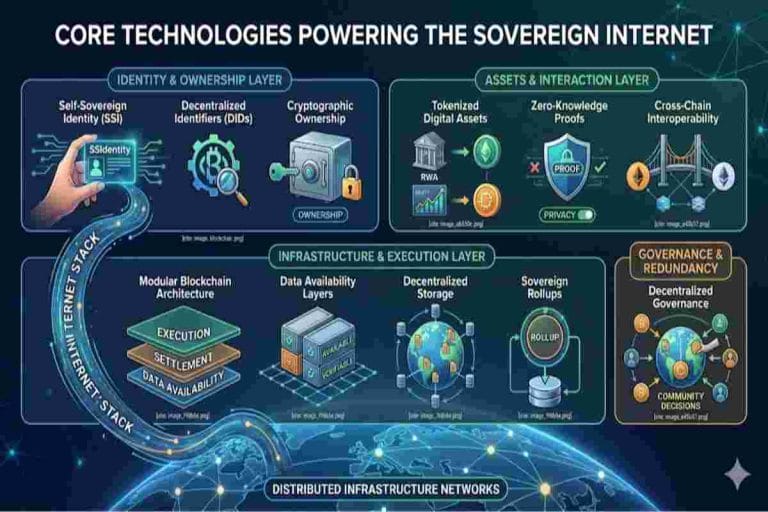
Every enterprise-grade DXL is composed of specialized components that work together to manage secure and reliable data movement.
The API Gateway acts as the secure entry point into the Data Exchange Layer.
Every request passes through the gateway before reaching internal services.
Its responsibilities include:
Without an API Gateway:
| Capability | Included |
|---|---|
| Authentication | ✅ |
| Authorization | ✅ |
| SSL/TLS | ✅ |
| Request Logging | ✅ |
| Rate Limiting | ✅ |
| API Analytics | ✅ |
| Routing | ✅ |
The Integration Layer connects applications that use different technologies.
Examples include:
It translates protocols and data formats so applications don’t require custom integrations.
| Source | Destination |
|---|---|
| Database → API | |
| API → API | |
| API → Queue | |
| Queue → Database | |
| ERP → CRM | |
| IoT → Analytics | |
| SaaS → Warehouse |
Every enterprise stores data differently.
The transformation engine standardizes incoming information into a common enterprise format.
Typical operations include:
Example
| Source Value | Standard Value |
|---|---|
| USA | United States |
| US | United States |
| U.S.A | United States |
| United States | United States |
By normalizing data once within the DXL, downstream systems receive consistent, high-quality information without duplicating transformation logic.
Modern enterprises generate millions—even billions—of events every day. Processing this volume efficiently requires more than traditional request-response APIs. An Event Streaming Platform enables applications to publish, consume, and process continuous streams of data in near real time.
Instead of waiting for applications to request updates, events are pushed automatically whenever something changes.
                  +-----------------------+
                  |   Event Producers     |
                  |-----------------------|
                  | ERP | CRM | IoT | API |
                  +-----------+-----------+
                              ↓
                 +---------------------------+
                 |   Event Streaming Layer   |
                 |---------------------------|
                 | Apache Kafka / Pulsar     |
                 | Event Topics              |
                 | Stream Processing         |
                 +------------+--------------+
                              │
          ┌───────────────────┼───────────────────┐
          ↓                   ↓                   ↓
    Analytics          AI Models          Business Apps
Unlike traditional messaging systems, event streaming platforms retain ordered event logs, allowing multiple consumers to replay historical events when needed.
| Benefit | Business Value |
|---|---|
| Near real-time processing | Faster decisions |
| High throughput | Handles millions of events |
| Fault tolerance | Improved reliability |
| Replay capability | Easier recovery |
| Loose coupling | Independent applications |
| Horizontal scalability | Supports enterprise growth |
💡 Quick Tip: Event streaming is ideal for continuous data such as financial transactions, IoT telemetry, fraud detection, and application logs.
A Message Broker is responsible for transporting messages reliably between applications. Unlike event streaming platforms, brokers focus on guaranteed delivery, routing logic, and asynchronous communication.
They allow systems to continue operating independently even if one application becomes temporarily unavailable.
Application A
        ↓
+-------------------+
|  Message Broker   |
+-------------------+
      │
 ┌────┴─────┐
 ↓          ↓
App B     App C
Messages are stored until the receiving application confirms successful processing, reducing the risk of data loss.
| Feature | Event Streaming | Message Broker |
|---|---|---|
| Primary Purpose | Continuous event processing | Reliable message delivery |
| Data Retention | Long-term | Usually temporary |
| Replay Events | Yes | Limited |
| Ordering | Strong | Depends on implementation |
| Scale | Extremely High | High |
| Typical Examples | Kafka, Pulsar | RabbitMQ, ActiveMQ |
⚠️ Watch Out: Message brokers and event streaming platforms are complementary technologies. Large enterprises often use both depending on workload requirements.
Data without context quickly loses value. Metadata Management provides the information needed to understand what data exists, where it came from, who owns it, and how it should be used.
A mature metadata strategy enables consistent governance across the enterprise.
Typical metadata includes:
| Without Metadata | With Metadata |
|---|---|
| Unknown data origin | Complete lineage |
| Duplicate datasets | Single source of truth |
| Inconsistent naming | Standardized terminology |
| Difficult discovery | Searchable assets |
| Poor governance | Better compliance |
📌 Key Takeaway: Metadata is often called “data about data.” It provides the context that makes enterprise data trustworthy, discoverable, and reusable.
As organizations grow, finding the right dataset becomes increasingly difficult. A Data Catalog acts as a searchable inventory of enterprise data assets.
Rather than asking different departments where information resides, users can search the catalog to discover available datasets, understand their definitions, and identify ownership.
| Attribute | Example |
|---|---|
| Dataset Name | Customer Orders |
| Owner | Sales Department |
| Classification | Confidential |
| Source | CRM System |
| Last Updated | Every 15 Minutes |
| Quality Score | 99.8% |
| Data Lineage | Available |
Security begins with identity. Every application, service, or user interacting with a Data Exchange Layer must prove who they are before accessing data.
Identity and Access Management (IAM) controls authentication, authorization, and access policies across the entire platform.
Application Request
        ↓
Authentication
        ↓
Identity Verification
        ↓
Authorization Policy
        ↓
Access Granted / Denied
This ensures only trusted entities can publish or consume enterprise data.
| Technology | Purpose |
|---|---|
| OAuth 2.0 | Delegated authorization |
| OpenID Connect | User authentication |
| JWT | Secure access tokens |
| LDAP | Directory services |
| Active Directory | Enterprise identity |
| Mutual TLS (mTLS) | Machine authentication |
💡 Quick Tip: Authentication verifies who you are. Authorization determines what you are allowed to do.
Enterprise integrations cannot rely on manual monitoring. Modern DXL platforms include observability capabilities that continuously measure performance, reliability, and security.
Observability answers three critical questions:
| Metric | Why It Matters |
|---|---|
| Request Volume | Capacity planning |
| Throughput | Performance measurement |
| Processing Latency | User experience |
| Error Rate | Service reliability |
| Failed Authentication | Security monitoring |
| Queue Depth | Detect bottlenecks |
| CPU & Memory | Infrastructure health |
Applications
        ↓
Logs Metrics Traces
        ↓
Monitoring Platform
        ↓
Alerts • Dashboards • Analytics
Modern platforms often combine centralized logging, distributed tracing, and metrics collection to provide a complete operational view.
📊 Did You Know? According to industry observability practices, combining logs, metrics, and traces provides significantly faster root-cause analysis than relying on logs alone.

Security is one of the primary reasons organizations implement a Data Exchange Layer. Instead of securing hundreds of individual integrations, enterprises can enforce consistent policies at a central exchange point.
A mature security framework protects data during every stage of its lifecycle—from ingestion to delivery.
Incoming Request
        ↓
Authentication
        ↓
Authorization
        ↓
Schema Validation
        ↓
Threat Detection
        ↓
Encryption
        ↓
Routing
        ↓
Audit Logging
Every request is inspected before reaching downstream systems.
Authentication confirms the identity of every user, application, or service attempting to access the platform.
Common authentication methods include:
Once identity has been verified, authorization determines which resources the requester can access.
Examples include:
Data should remain protected both while moving across networks and while stored within enterprise systems.
| Encryption | Protects |
|---|---|
| TLS 1.3 | Data in transit |
| AES-256 | Data at rest |
| Key Management Services (KMS) | Encryption keys |
| Tokenization | Sensitive fields |
| Hashing | Integrity verification |
⚠️ Watch Out: Encrypting data in transit alone is not enough. Enterprise architectures should also protect stored data, encryption keys, backups, and audit logs.
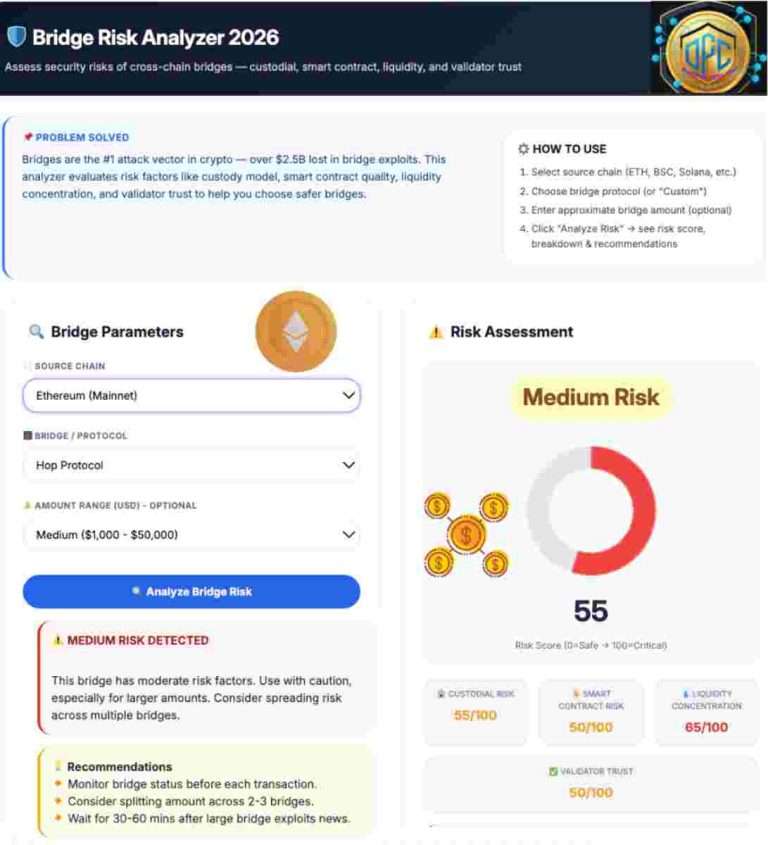
Rather than assigning permissions individually, Role-Based Access Control (RBAC) groups permissions into reusable roles.
| Role | Read | Write | Admin | Audit |
|---|---|---|---|---|
| Data Producer | ✅ | ✅ | ❌ | ❌ |
| Data Consumer | ✅ | ❌ | ❌ | ❌ |
| Security Officer | ✅ | ❌ | ❌ | ✅ |
| Administrator | ✅ | ✅ | ✅ | ✅ |
RBAC simplifies administration while supporting the principle of least privilege.
Modern DXL implementations increasingly adopt a Zero Trust model.
Instead of assuming internal systems are safe, every request is continuously verified regardless of its origin.
| Traditional Model | Zero Trust |
|---|---|
| Trust internal network | Verify everything |
| Perimeter-focused | Identity-focused |
| Static access | Continuous validation |
| Broad permissions | Least privilege |
| Limited monitoring | Continuous monitoring |
Every action performed within a Data Exchange Layer should be recorded in immutable audit logs.
Typical audit records include:
These records support troubleshooting, forensic investigations, and regulatory compliance.
Technology alone cannot guarantee trusted data. A Data Exchange Layer must also enforce governance policies that ensure data remains accurate, consistent, secure, and compliant throughout its lifecycle.
Effective governance defines who owns the data, how it is managed, and how it can be used.
| Pillar | Purpose |
|---|---|
| Data Quality | Ensure accuracy and consistency |
| Data Lineage | Track data origin and movement |
| Metadata Management | Provide business context |
| Data Ownership | Define accountability |
| Compliance | Meet regulatory requirements |
The DXL validates incoming data against predefined schemas and business rules. Invalid or incomplete records can be quarantined in a Dead Letter Queue (DLQ) for review instead of contaminating downstream systems.
Data lineage provides an end-to-end history of each data asset, including where it originated, how it was transformed, and which systems consumed it.
Centralizing data movement makes it easier to apply consistent privacy controls for regulations such as:
Policies like masking personally identifiable information (PII), enforcing retention schedules, and restricting cross-border transfers can be implemented once within the DXL and applied uniformly.
📌 Key Takeaway: Strong governance turns a Data Exchange Layer from a simple integration platform into a trusted enterprise data foundation.
Implementing a Data Exchange Layer (DXL) transforms how organizations share, secure, and manage information across distributed systems. Rather than solving a single integration challenge, a DXL provides an enterprise-wide foundation for scalability, interoperability, governance, and digital transformation.
As organizations adopt cloud computing, microservices, artificial intelligence (AI), Internet of Things (IoT), and hybrid infrastructure, the need for a centralized data exchange mechanism becomes increasingly important.
The following benefits explain why Data Exchange Layers are now considered a core component of modern enterprise architecture.
One of the biggest challenges facing enterprises is data fragmentation.
Customer records, financial transactions, inventory information, and operational metrics often reside in isolated systems that cannot communicate efficiently.
Examples include:
Without integration, every department develops its own version of the truth.
A Data Exchange Layer connects these isolated systems through standardized interfaces, creating a unified flow of trusted information.
| Without DXL | With DXL |
|---|---|
| Separate departmental databases | Connected enterprise ecosystem |
| Duplicate customer records | Unified customer view |
| Manual synchronization | Automated synchronization |
| Multiple data versions | Single source of truth |
| Slow reporting | Real-time insights |
💡 Quick Tip: Eliminating data silos improves not only operational efficiency but also the accuracy of analytics, AI models, and business reporting.
Traditional enterprise integration becomes increasingly difficult as the number of applications grows.
Instead of building dozens or hundreds of custom connections, organizations connect each system only once—to the Data Exchange Layer.
| Number of Applications | Point-to-Point Connections | DXL Connections |
|---|---|---|
| 10 | 90 | 10 |
| 25 | 600 | 25 |
| 50 | 2,450 | 50 |
| 100 | 9,900 | 100 |
| 250 | 62,250 | 250 |
The reduction in complexity translates directly into:
Point-to-Point

App ─────► App
 │
 ├──────► App
 │
 ├──────► App
 │
 └──────► App

Complexity increases rapidly.


DXL Model

Apps
    ↓
+---------------------+
| Data Exchange Layer |
+---------------------+
    ↓
Enterprise Systems

One connection per application.
📊 Did You Know? The mathematical growth of point-to-point integrations is quadratic (N × N−1), while a Data Exchange Layer scales linearly with the number of connected systems.
Modern organizations cannot afford to wait hours—or even minutes—for critical information.
Fraud detection, online banking, healthcare monitoring, logistics tracking, and manufacturing automation all depend on real-time data.
A Data Exchange Layer supports continuous event streaming that delivers information as soon as it becomes available.
| Industry | Real-Time Event |
|---|---|
| Banking | Payment completed |
| Retail | Product purchased |
| Healthcare | Critical patient alert |
| Manufacturing | Equipment failure |
| Logistics | Shipment scanned |
| Telecommunications | Network outage |
| Smart Cities | Traffic congestion detected |
Instead of relying on overnight batch jobs, decision-makers receive live information that enables immediate action.
Security becomes increasingly difficult when every application implements its own authentication and authorization model.
A Data Exchange Layer centralizes these controls, allowing organizations to apply consistent security policies across all connected systems.
| Traditional Integration | DXL Security |
|---|---|
| Separate authentication | Centralized IAM |
| Different encryption standards | Unified encryption policies |
| Independent audit logs | Centralized logging |
| Inconsistent authorization | Role-based access control |
| Manual monitoring | Continuous monitoring |
⚠️ Watch Out: Centralization improves governance, but it also means the DXL becomes critical infrastructure. High availability, redundancy, and disaster recovery planning are essential.
Meeting regulatory requirements becomes significantly easier when all data movement passes through a single exchange platform.
Instead of configuring security individually across dozens of applications, organizations define policies once and apply them consistently.
Common regulations include:
| Requirement | DXL Support |
|---|---|
| Encryption | ✅ |
| Audit Logging | ✅ |
| Access Control | ✅ |
| Data Masking | ✅ |
| Retention Policies | ✅ |
| Consent Management | ✅ |
Digital transformation is not simply about adopting cloud technologies—it requires systems to exchange information quickly and reliably.
A Data Exchange Layer enables organizations to modernize gradually without replacing every legacy application at once.
Examples include:
💡 Quick Tip: Many successful modernization projects use a Data Exchange Layer as a bridge between legacy infrastructure and cloud-native applications, reducing migration risk.
Business growth inevitably introduces new applications, users, and data sources.
A well-designed Data Exchange Layer supports horizontal scaling, allowing organizations to add systems without redesigning existing integrations.
| Capability | Point-to-Point | Data Exchange Layer |
|---|---|---|
| Add New Applications | Difficult | Easy |
| API Reuse | Limited | Extensive |
| Cloud Expansion | Complex | Simplified |
| Microservices Support | Moderate | Excellent |
| Multi-Region Deployment | Limited | Excellent |
Poor-quality data leads to inaccurate reporting, unreliable AI models, and poor business decisions.
A DXL improves quality by validating, cleansing, and transforming data before it reaches downstream systems.
Typical validation includes:
Incoming Data
          ↓
Validation
        ↓
Transformation
        ↓
Quality Rules
        ↓
Approved Data
        ↓
Enterprise Systems
📌 Key Takeaway: Improving data quality at the exchange layer prevents invalid information from spreading across multiple applications.
Every custom integration requires ongoing development, testing, monitoring, documentation, and maintenance.
By replacing dozens or hundreds of individual interfaces with a standardized exchange platform, organizations significantly reduce long-term operational costs.
| Without DXL | With DXL |
|---|---|
| Multiple API teams | Central integration team |
| Duplicate development | Shared services |
| Manual monitoring | Central observability |
| Custom security | Unified policies |
| High maintenance | Lower maintenance |
Technology changes rapidly.
Today’s organizations must prepare for:
A Data Exchange Layer provides the flexibility needed to adopt emerging technologies without rebuilding enterprise integrations.
| Benefit | Enterprise Impact |
|---|---|
| Eliminate data silos | Unified information |
| Reduce integration complexity | Lower maintenance |
| Real-time data sharing | Faster decisions |
| Centralized security | Stronger protection |
| Better compliance | Simplified governance |
| Scalability | Supports business growth |
| Higher data quality | Reliable analytics |
| Lower costs | Reduced operational overhead |
| Future-ready architecture | Easier innovation |
Although Data Exchange Layers follow the same architectural principles, their implementation varies by industry. Each sector uses DXL to solve unique challenges related to interoperability, security, and real-time information exchange.
Governments manage vast amounts of citizen data across departments such as taxation, healthcare, licensing, transportation, education, and social services.
Without an exchange layer, each agency would maintain isolated databases, forcing citizens to submit the same information repeatedly.
A DXL enables secure data sharing while preserving agency independence.
Citizen Updates Address
        ↓

National Registry
        ↓
Data Exchange Layer
↓        ↓        ↓
Tax     Health   Transport
Agency Agency AuthorityHealthcare organizations rely on secure, timely access to patient information.
Hospitals, laboratories, pharmacies, insurers, and specialists often use different software systems that must exchange medical data while protecting patient privacy.
A Data Exchange Layer supports:
| Source | Destination |
|---|---|
| Hospital | Laboratory |
| Laboratory | Physician |
| Physician | Pharmacy |
| Pharmacy | Insurance Provider |
| Emergency Services | Hospital |
⚠️ Watch Out: Healthcare systems must balance interoperability with strict privacy requirements. A DXL helps enforce encryption, access controls, and audit logging across all participating organizations.

Open Banking has fundamentally changed how financial institutions exchange customer data.
Rather than storing financial information inside isolated banking systems, customers can securely authorize third-party applications to access specific account information through standardized APIs.
A Data Exchange Layer acts as the trusted intermediary between banks, fintech companies, payment providers, and regulatory systems.
Customer
        ↓
 Banking App
        ↓
Data Exchange Layer
        ↓
 ┌───┼──────────┐
 ↓   ↓          ↓
Bank  Budget   Investment
API    App        Platform
| Data Type | Example |
|---|---|
| Account balances | Savings & checking |
| Transaction history | Purchases |
| Card payments | Debit/Credit |
| Investment data | Portfolio |
| Loan information | Mortgage |
| Customer identity | KYC records |
Modern manufacturing plants operate thousands of connected machines.
Industrial equipment continuously produces sensor readings that must be analyzed in real time.
A Data Exchange Layer connects:
Machines
    │
Sensors
     ↓
Data Exchange Layer
    │
┌──┼────────────┐
↓  ↓             ↓
ERP Analytics Maintenance| Event | Business Response |
|---|---|
| Machine overheating | Maintenance alert |
| Production completed | Update ERP |
| Inventory shortage | Purchase request |
| Equipment failure | Work order |
| Quality issue | Production halt |
💡 Quick Tip: Predictive maintenance often depends on streaming machine telemetry through a Data Exchange Layer into AI models before failures occur.
Global supply chains involve dozens of organizations.
Manufacturers
↓
Warehouses
↓
Shipping Companies
↓
Retailers
↓
Customers
Each participant operates independent systems.
A DXL synchronizes inventory, shipping updates, customs documentation, and delivery milestones across the network.
| Source | Destination |
|---|---|
| Manufacturer | Warehouse |
| Warehouse | Logistics |
| Logistics | Customs |
| Customs | Retailer |
| Retailer | Customer |
Retailers operate multiple sales channels simultaneously.
Examples include:
A Data Exchange Layer synchronizes all channels automatically.
Customer buys the last product online.
Immediately:
Inventory updates
↓
Warehouse notified
↓
Website updated
↓
Store inventory refreshed
↓
Accounting updated
↓
Shipping initiated
Without a DXL these updates may take minutes—or even hours.
Telecommunication providers process enormous data volumes every second.
Typical data includes:
A DXL supports high-throughput routing with strict availability requirements.
| Requirement | Importance |
|---|---|
| High Availability | Critical |
| Low Latency | Critical |
| Fault Tolerance | Critical |
| Security | Critical |
| Scalability | Critical |
Smart cities integrate transportation, utilities, emergency response, environmental monitoring, and public services.
Thousands of connected devices continuously exchange information.
Traffic Cameras
Weather Sensors
Parking Systems
Police
Fire
Utilities
     ↓
Data Exchange Layer
     │
City DashboardIoT devices continuously generate telemetry.
A Data Exchange Layer helps manage:
Devices
   │
Gateway
   │
DXL
   │
Analytics
   │
AI Models
📊 Did You Know? Large industrial IoT deployments may generate millions of events per minute. Event streaming platforms inside a DXL help process this volume with minimal latency.
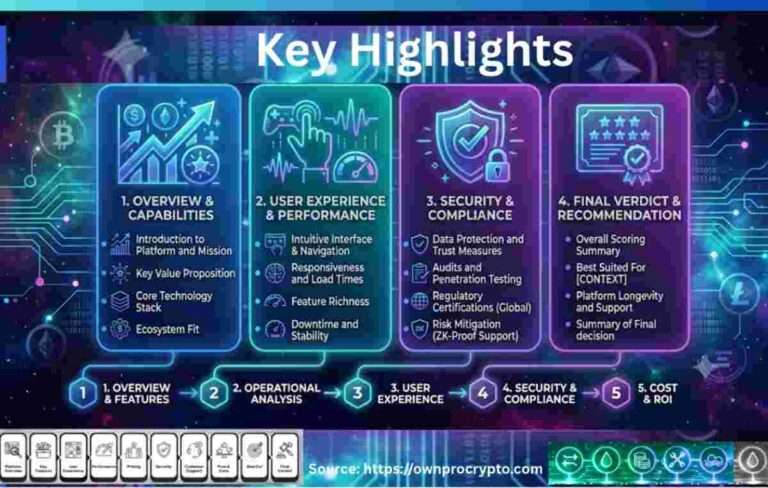
Although the architectural principles remain similar, organizations build Data Exchange Layers using different technologies depending on their scale, performance requirements, and operational goals.
REST (Representational State Transfer) remains the most widely adopted API architecture.
It uses standard HTTP methods such as:
REST is simple, mature, and supported by nearly every programming language and cloud platform.
GraphQL allows clients to request only the information they need.
Instead of multiple REST calls, applications can retrieve related data through a single query.
| REST | GraphQL |
|---|---|
| Multiple endpoints | Single endpoint |
| Fixed responses | Flexible queries |
| Possible over-fetching | Request only required fields |
| Easier caching | More query flexibility |
| Simpler implementation | More complex server logic |
gRPC is Google’s high-performance Remote Procedure Call framework.
Unlike REST, it exchanges compact binary messages using Protocol Buffers.
| Feature | REST | gRPC |
|---|---|---|
| Format | JSON | Binary |
| Performance | High | Very High |
| Human Readable | Yes | No |
| Browser Friendly | Excellent | Limited |
| Microservices | Good | Excellent |
💡 Quick Tip: Many enterprises expose REST APIs externally while using gRPC internally between microservices for better performance.

Apache Kafka is the industry standard for event streaming.
It stores ordered event logs that multiple consumers can read independently.
RabbitMQ is one of the most widely used enterprise message brokers.
Unlike Kafka, RabbitMQ focuses on reliable message delivery.
Apache Pulsar combines messaging and streaming into a cloud-native platform.
Key features include:
| Feature | Kafka | RabbitMQ | Pulsar |
|---|---|---|---|
| Event Streaming | ⭐⭐⭐⭐⭐ | ⭐⭐ | ⭐⭐⭐⭐⭐ |
| Message Queue | ⭐⭐⭐ | ⭐⭐⭐⭐⭐ | ⭐⭐⭐⭐ |
| Event Replay | ✅ | Limited | ✅ |
| Throughput | Very High | High | Very High |
| Geo-Replication | Moderate | Limited | Excellent |
| Cloud Native | Excellent | Good | Excellent |
📌 Decision Guide: Use Kafka for large-scale event streaming, RabbitMQ for reliable asynchronous messaging, and Pulsar when you need multi-region, cloud-native event streaming with built-in geo-replication.
MuleSoft is one of the most popular enterprise integration platforms.
It provides:
Ideal for organizations adopting an API-led connectivity strategy.
Apache Camel is an open-source integration framework based on Enterprise Integration Patterns (EIP).
It supports hundreds of connectors and routing patterns while requiring minimal custom code.
Kong is a lightweight, cloud-native API Gateway widely used in Kubernetes and microservices environments.
Its capabilities include:
| Technology | Primary Purpose | Best For |
|---|---|---|
| REST | Standard APIs | General integrations |
| GraphQL | Flexible queries | Frontend applications |
| gRPC | High-performance RPC | Microservices |
| Kafka | Event streaming | Real-time analytics |
| RabbitMQ | Message broker | Reliable messaging |
| Pulsar | Cloud-native streaming | Multi-region deployments |
| MuleSoft | Enterprise integration | API-led connectivity |
| Apache Camel | Integration framework | Complex routing |
| Kong | API Gateway | API security & management |
Selecting the appropriate technology depends on business objectives, scalability requirements, latency expectations, and operational complexity.
| Requirement | Recommended Technology |
|---|---|
| Public APIs | REST |
| Internal microservices | gRPC |
| Mobile applications | GraphQL |
| Event streaming | Kafka |
| Reliable asynchronous messaging | RabbitMQ |
| Multi-cloud streaming | Pulsar |
| API management | Kong |
| Enterprise integration | MuleSoft |
| Open-source routing | Apache Camel |
📌 Key Takeaway: There is no single “best” technology for every Data Exchange Layer. High-performing enterprise architectures often combine multiple technologies—for example, REST for external APIs, gRPC for internal services, Kafka for event streaming, RabbitMQ for reliable messaging, and Kong for API management—to balance performance, scalability, and operational simplicity.
                   External Users
                         │
                         ▼
                  Kong API Gateway
                         │
        ┌────────────────┼────────────────┐
        ▼                ▼                ▼
     REST APIs        GraphQL          gRPC
        │                │                │
        └──────────────┬──────────────────┘
                       ▼
              Data Exchange Layer
        ┌──────────────┼───────────────┐
        ▼              ▼               ▼
     Kafka         RabbitMQ        ETL/ELT
        │              │               │
        └──────────────┼───────────────┘
                       ▼
ERP • CRM • Data Lake • AI • IoTA successful Data Exchange Layer implementation requires more than deploying integration software.
Organizations must design the platform around scalability, security, governance, and long-term operational requirements.
The following best practices help enterprises build reliable and future-ready data exchange architectures.
A consistent API strategy prevents integration chaos.
Every connected system should follow clearly defined standards for:
Common standards include:
| Practice | Purpose |
|---|---|
| API versioning | Prevent breaking changes |
| Documentation | Improve developer adoption |
| Naming standards | Increase consistency |
| Authentication policies | Improve security |
| Usage monitoring | Control performance |
| Lifecycle management | Remove outdated APIs |
💡 Quick Tip: Treat APIs as reusable enterprise products, not temporary connections between applications.
Modern enterprises increasingly move from request-based systems toward event-driven architectures.
Instead of applications constantly asking:
“Did something change?”
Systems publish events automatically.
| Principle | Benefit |
|---|---|
| Loose coupling | Independent systems |
| Async communication | Better scalability |
| Event replay | Easier recovery |
| Real-time processing | Faster decisions |
| Better resilience | Reduced failures |
Example:
Traditional approach:
Application A checks Database every 5 minutesEvent-driven approach:
Database Change
       ↓
Event Published
       ↓
Applications React ImmediatelySecurity should not be added after implementation.
A secure Data Exchange Layer includes protection at every architectural layer.
| Security Control | Recommended Practice |
|---|---|
| Authentication | OAuth 2.0, mTLS |
| Authorization | RBAC, ABAC |
| Encryption | TLS 1.3, AES-256 |
| Monitoring | SIEM integration |
| Secrets | Secure vaults |
| Auditing | Immutable logs |
Data without metadata becomes difficult to understand and manage.
Every dataset should have:
                 Data Asset
                     │
        ┌────────────┼────────────┐
        ▼            ▼            ▼
    Ownership    Lineage     Quality
        │            │            │
        ▼            ▼            ▼
Governance Compliance TrustA production Data Exchange Layer requires complete visibility.
Monitoring should include:
| Layer | Metrics |
|---|---|
| Infrastructure | CPU, memory, network |
| API | Requests, errors, latency |
| Messaging | Queue depth, failures |
| Data | Quality scores |
| Security | Access attempts |
| Business | Transaction success |
Many integration platforms fail because they are designed only for current requirements.
Enterprise architects should consider:
Although DXL provides significant advantages, enterprises must understand the challenges involved.
Many organizations still operate decades-old systems.
Examples:
These platforms may lack:
Connecting:
Legacy Mainframe
        ↓
Modern API Platform
        ↓
Cloud Applications
often requires custom adapters and transformation logic.
Use:
Different departments often define information differently.
Example:
| Department | Customer Definition |
|---|---|
| Sales | Buyer |
| Finance | Account Holder |
| Support | User |
| Marketing | Subscriber |
Without governance, organizations create conflicting data models.
Implement:
A DXL becomes a critical communication layer.
Poor design can create:
| Problem | Solution |
|---|---|
| High traffic | Horizontal scaling |
| Slow processing | Async workflows |
| Large messages | Data streaming |
| Bottlenecks | Load balancing |
| Failure recovery | Replication |
Because a DXL connects many systems, it becomes a valuable target.
Potential threats include:
Organizations should implement:
Large enterprises may have thousands of:
Managing them requires automated governance.
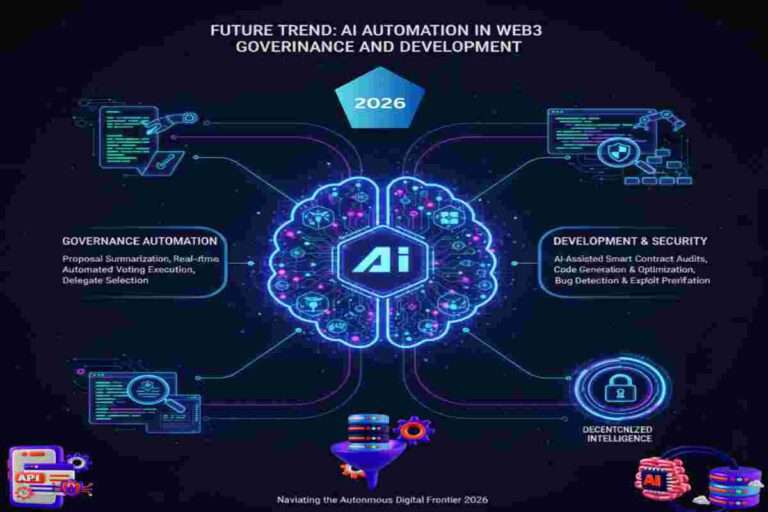
The next generation of DXL platforms will become increasingly intelligent, automated, and decentralized.
Artificial intelligence will transform how data moves across enterprises.
Future DXL platforms will automatically:
Data Exchange Layer
        │
        ▼
AI Intelligence Engine
        │
 ┌──────┼────────┐
 ▼      ▼        ▼
Routing Security OptimizationTraditional architectures centralize data ownership.
Data Mesh introduces a decentralized model where business domains own their data products.
A DXL becomes the connectivity foundation between these domains.
| Traditional Data Platform | Data Mesh |
|---|---|
| Central ownership | Domain ownership |
| Single data team | Multiple owners |
| Central pipelines | Distributed products |
| Limited scalability | Enterprise scale |
Data Fabric uses automation and metadata intelligence to connect distributed data environments.
A future DXL combined with Data Fabric enables:
As IoT adoption grows, data processing moves closer to devices.
Future DXL architectures will operate at:
Benefits:
Future enterprises will not only move data.
They will act on it instantly.
Example:
Transaction Event
        ↓
Data Exchange Layer
        ↓
AI Fraud Model
        ↓
Approve / Block Decision
        ↓
Customer NotificationA practical adoption strategy helps organizations move from concept to production.
Understand the current integration landscape.
Activities:
Deliverables:
Create the target architecture.
Activities:
Deliverables:
Launch production-ready capabilities.
Activities:
Deliverables:
| Question | Answer |
|---|---|
| Do systems need real-time sharing? | Consider DXL |
| Are integrations growing rapidly? | Consider DXL |
| Are security requirements increasing? | Consider DXL |
| Are data silos blocking analytics? | Consider DXL |
| Are multiple clouds involved? | Consider DXL |
What is a Data Exchange Layer?
A Data Exchange Layer (DXL) is a specialized architectural framework that acts as a secure, unified communications highway for real-time and batch data distribution across an enterprise. It decouples data producers from data consumers, ensuring that data is normalized, validated, and securely routed without relying on rigid, point-to-point connections.
How does a Data Exchange Layer work?
The layer functions through a strict multi-step lifecycle: Data is first ingested from various sources, then normalized into standard schemas, passed through identity validation to verify access permissions, and finally routed to authorized target systems via synchronous APIs or asynchronous event streams.
Why is a Data Exchange Layer important?
As organizations scale, managing hundreds of independent, custom-coded system integrations creates a fragile “spaghetti architecture.” A DXL is vital because it centralizes data security, simplifies network complexity, eliminates data silos, and reduces the engineering overhead needed to maintain enterprise data flows.
Can DXL support real-time data?
Yes, supporting real-time data is one of its primary strengths. By using event streaming platforms and high-throughput message brokers, a DXL can ingest, process, and route continuous data streams with sub-second latency, which is essential for use cases like fraud detection and live operational monitoring.
What is the difference between DXL and API Gateway?
An API Gateway lives at the network edge and focuses primarily on North-South traffic—handling external client authentication, rate limiting, and request throttling. A DXL manages the broader, systemic East-West data lifecycle inside the enterprise, controlling how internal microservices, databases, and legacy systems transform and route data between each other.
Is a Data Exchange Layer the same as ESB?
No, though they share the goal of system integration. An Enterprise Service Bus (ESB) is an older, heavy middleware model heavily reliant on centralized SOAP/XML configurations. A modern DXL is built on cloud-native, decentralized, or containerized architectures that utilize lightweight JSON/gRPC APIs and high-performance event streaming.
What is the difference between Data Fabric and Data Exchange Layer?
A Data Fabric is an abstract data management architecture that uses automated metadata analysis and AI to locate, catalog, and virtualize data assets scattered across hybrid clouds. A Data Exchange Layer is the concrete execution fabric—the physical network and routing middleware that moves and transforms the data across those systems.
Is Kafka a Data Exchange Layer?
Apache Kafka alone is not a complete DXL; it is a high-performance event-streaming broker. While Kafka frequently serves as the durable messaging backbone of an event-driven DXL, a full exchange layer also requires API gateways, transformation engines, identity access controls (IAM), and centralized schema registries to function.
What are the benefits of using DXL?
The core benefits include the elimination of data silos, massive reduction in pipeline maintenance costs, guaranteed compliance with automated PII masking, improved data quality through edge schema validation, and accelerated application development by letting teams plug directly into pre-verified data streams.
How does DXL improve data security?
A DXL enforces a Zero Trust architecture by checking identity and payload validation at every hop. It mandates mutual TLS (mTLS) for transit encryption, handles role-based access control (RBAC) uniformly across all integrated services, and records append-only cryptographic audit logs for every single data transaction.
What industries use Data Exchange Layers?
DXLs are widely deployed across high-scale sectors: Government services use them to securely sync regional agency databases; Healthcare networks use them to transmit patient files between labs and hospitals safely; Open Banking platforms use them to share transactional data with third-party apps; and Logistics/IoT use them to track supply chain metrics in real time.
A Data Exchange Layer is becoming a foundational component of modern digital infrastructure.
As organizations move toward cloud computing, artificial intelligence, IoT, and real-time analytics, the ability to securely exchange trusted data across complex environments becomes a competitive advantage.
The organizations that succeed will not simply collect more data—they will build architectures that allow data to move intelligently, securely, and efficiently.
A well-designed Data Exchange Layer provides that foundation.
