
Search by title, topic or phrase
Use our Crypto Search Engine 🔍 to find the topics and keywords you're looking for.

Table of Contents
ToggleThe Best Institutional Digital Asset Management Platforms are no longer just portfolio dashboards. Modern institutions need software that connects custody, trading, treasury, accounting, compliance, risk management, reporting, and executive decision making into one operational ecosystem. As digital assets become a larger part of corporate balance sheets and institutional investment strategies, selecting the right Institutional Digital Asset Management Platform is becoming a strategic business decision rather than simply a technology purchase.
In 2026, institutional digital asset adoption continues to accelerate across banks, hedge funds, family offices, asset managers, exchanges, fintech companies, and tokenization projects. Many organizations now manage assets across 5 to 20+ exchanges, custodians, blockchains, wallets, and DeFi protocols simultaneously. Without centralized management, reconciliation errors, operational inefficiencies, fragmented reporting, and compliance challenges increase rapidly.
Unlike retail portfolio trackers, an Enterprise Digital Asset Management Platform focuses on institutional operations. These platforms provide multi-venue portfolio aggregation, automated accounting, treasury management, risk analytics, governance workflows, audit trails, API connectivity, and executive reporting. The objective is not only to monitor assets but also to improve operational efficiency, reduce manual work, strengthen governance, and support regulatory compliance across the entire digital asset lifecycle.
This guide goes beyond comparing vendors. Instead of simply recommending software, it explains how institutional digital asset management works, what features actually matter, common implementation mistakes, enterprise architecture, future trends, and practical evaluation frameworks. Whether you manage a crypto hedge fund, corporate treasury, tokenized assets, or digital asset infrastructure, this pillar will help you understand both the technology and the strategy behind selecting the right platform.
By the end of this guide, you will know how to evaluate platforms based on business objectives, security, integrations, operational workflows, reporting capabilities, and long-term scalability rather than marketing claims alone.
| Category | 2026 Insight |
|---|---|
| Primary Users | Banks, asset managers, hedge funds, exchanges, family offices, fintechs, corporate treasuries |
| Main Purpose | Portfolio management, treasury operations, accounting, compliance, reporting, governance |
| Assets Supported | Bitcoin, Ethereum, Stablecoins, RWAs, tokenized securities, NFTs, staking positions |
| Typical Integrations | Custodians, exchanges, ERP systems, accounting software, compliance tools, banking APIs |
| Core Features | Portfolio aggregation, treasury management, accounting automation, audit trails, API connectivity, risk analytics |
| Enterprise Priority | Operational efficiency, governance, reconciliation accuracy, regulatory readiness |
| Common Deployment | SaaS, private cloud, hybrid infrastructure, on-premise environments |
Managing institutional digital assets is fundamentally different from managing a personal crypto portfolio. A single organization may oversee hundreds of wallets, multiple custodians, dozens of exchanges, thousands of daily transactions, and billions in assets under management. Every transaction affects accounting records, treasury balances, compliance obligations, investment reporting, and executive decision making.
Institutional platforms reduce operational complexity by creating a single source of truth across fragmented infrastructure. Instead of switching between multiple dashboards, spreadsheets, and disconnected systems, teams can monitor positions, reconcile balances, automate reporting, and analyze portfolio performance from one centralized environment.
As digital assets become integrated into traditional finance, institutions increasingly require software that supports governance, auditability, security controls, and enterprise workflows comparable to conventional financial infrastructure.
Many organizations confuse custody platforms with asset management platforms because both deal with digital assets. However, their objectives are very different.
| Custody Platform | Digital Asset Management Platform |
|---|---|
| Secures private keys | Monitors complete portfolios |
| Protects digital assets | Optimizes operations and reporting |
| Controls transaction approvals | Aggregates assets across multiple venues |
| Focuses on security | Focuses on visibility and decision making |
| Stores assets | Measures performance and risk |
| Supports withdrawals and transfers | Supports treasury, accounting, compliance, and analytics |
Most institutions use both systems together. Custody platforms provide secure storage, while asset management platforms provide the operational intelligence required to manage growing digital asset portfolios effectively.
Different organizations use institutional platforms for different objectives.
| User Type | Primary Purpose |
|---|---|
| Banks | Client asset reporting, treasury management, compliance |
| Asset Managers | Portfolio monitoring, NAV calculations, performance reporting |
| Hedge Funds | Trading analytics, risk exposure, reconciliation |
| Family Offices | Wealth preservation, portfolio diversification, governance |
| Corporate Treasuries | Stablecoin management, liquidity monitoring, treasury optimization |
| Crypto Exchanges | Internal treasury operations, reserve management, executive reporting |
| Tokenization Platforms | Digital asset lifecycle management and reporting |
| Fintech Companies | Multi-wallet management and financial operations |
Understanding your organization’s operational requirements before evaluating vendors significantly increases the likelihood of selecting a platform that remains effective as your institution grows.
Without centralized management, institutions often face repetitive operational challenges that become more expensive as digital asset activity increases.
| Common Challenge | Platform Solution |
|---|---|
| Multiple exchange accounts | Unified portfolio aggregation |
| Hundreds of wallets | Centralized asset visibility |
| Manual reconciliation | Automated accounting workflows |
| Fragmented reporting | Executive dashboards |
| Compliance preparation | Audit-ready transaction history |
| Treasury management | Real-time liquidity monitoring |
| Portfolio risk | Exposure analytics and alerts |
| Cross-team coordination | Shared governance workflows |
Rather than replacing custodians or trading systems, institutional digital asset management platforms connect these services into a unified operational framework that improves visibility, efficiency, and decision making.
📊 Quick Stat: Institutions managing digital assets commonly operate across 5 to 20+ exchanges, custodians, wallets, and blockchain networks. A centralized management platform can reduce manual reconciliation, improve reporting accuracy, and streamline governance as operations scale.
🎓 Learn First: Before comparing vendors, define your operational objectives. The best institutional digital asset management platform is not necessarily the one with the most features, but the one that aligns with your organization’s custody model, treasury workflow, accounting processes, compliance requirements, and long-term growth strategy.

Choosing the Best Institutional Digital Asset Management Platforms should begin with business requirements rather than brand recognition. While many platforms advertise portfolio management, institutional buyers typically evaluate 20 to 50 operational capabilities including multi-custodian connectivity, accounting automation, treasury management, API integrations, governance controls, audit readiness, and risk analytics.
The right platform depends on your operating model. A hedge fund prioritizes trading and performance analytics, a bank emphasizes governance and compliance, a family office values consolidated reporting, while a tokenization platform requires real-time asset lifecycle management. This section compares leading providers from an operational perspective so you can shortlist solutions before conducting technical due diligence.
No platform is the best at everything. Some excel in treasury management, others specialize in institutional custody integration, while several focus on accounting, reporting, or digital asset operations.
Instead of asking Which platform is best, institutional buyers should ask Which platform best supports my operational workflow?
| Platform | Best For | Custody Integration | Portfolio Analytics | Treasury | Accounting | APIs | Governance | Enterprise Ready |
|---|---|---|---|---|---|---|---|---|
| Fireblocks | Enterprise operations | ★★★★★ | ★★★★☆ | ★★★★★ | ★★★★☆ | ★★★★★ | ★★★★★ | Excellent |
| Talos | Trading institutions | ★★★★☆ | ★★★★★ | ★★★★☆ | ★★★☆☆ | ★★★★★ | ★★★★☆ | Excellent |
| Coinbase Prime | Investment firms | ★★★★★ | ★★★★☆ | ★★★★☆ | ★★★☆☆ | ★★★★☆ | ★★★★☆ | Excellent |
| BitGo Prime | Custody focused institutions | ★★★★★ | ★★★★☆ | ★★★★☆ | ★★★★☆ | ★★★★☆ | ★★★★★ | Excellent |
| Anchorage Digital | Regulated institutions | ★★★★★ | ★★★★☆ | ★★★★☆ | ★★★★☆ | ★★★★☆ | ★★★★★ | Excellent |
| Taurus | Banks & tokenization | ★★★★★ | ★★★★☆ | ★★★★☆ | ★★★★☆ | ★★★★☆ | ★★★★★ | Excellent |
| Ledger Enterprise | Secure operations | ★★★★★ | ★★★☆☆ | ★★★☆☆ | ★★★☆☆ | ★★★★☆ | ★★★★★ | Excellent |
| Hex Trust | Asia institutions | ★★★★★ | ★★★★☆ | ★★★★☆ | ★★★★☆ | ★★★★☆ | ★★★★☆ | Excellent |
Ratings are comparative indicators for enterprise evaluation rather than absolute rankings.
| Capability | Most Platforms | Enterprise Leaders |
|---|---|---|
| Portfolio aggregation | ✅ | Advanced |
| Multi-wallet support | ✅ | Advanced |
| Treasury dashboard | Partial | Comprehensive |
| Automated reconciliation | Partial | Advanced |
| Accounting exports | Partial | Comprehensive |
| Risk analytics | Moderate | Advanced |
| API ecosystem | Good | Extensive |
| Governance workflows | Moderate | Enterprise grade |
| Audit logs | Good | Comprehensive |
| Multi-user permissions | Good | Advanced RBAC |
Institutional platforms rarely publish fixed pricing because deployments vary based on users, assets under management, integrations, API volume, and support requirements.
| Pricing Model | Typical Buyer |
|---|---|
| Custom Enterprise Quote | Banks |
| Assets Under Management | Asset Managers |
| SaaS Subscription | Fintechs |
| API Usage | Developers |
| Transaction Volume | Exchanges |
| Hybrid Enterprise License | Large Institutions |
Pricing Tip: The total cost often includes implementation, integrations, onboarding, training, API usage, premium support, and custom reporting. Evaluate the Total Cost of Ownership (TCO) over 3 to 5 years instead of comparing subscription fees alone.

The following summaries focus on institutional suitability rather than marketing features.
Best For: Enterprise treasury and digital asset operations
Key Benefits
Ideal Users
Banks, exchanges, custodians, payment providers, enterprise treasury teams.
Best For: Institutional trading and portfolio execution
Key Benefits
Ideal Users
Hedge funds, trading desks, asset managers, institutional brokers.
Best For: Institutions seeking integrated custody and trading
Key Benefits
Ideal Users
Investment firms, funds, corporate treasury teams.
Best For: Institutions requiring custody-first operations
Key Benefits
Ideal Users
Custodians, wealth managers, institutional investors.
Best For: Regulated financial institutions
Key Benefits
Ideal Users
Banks, regulated asset managers, financial institutions.
Best For: Banks and tokenized asset platforms
Key Benefits
Ideal Users
Commercial banks, investment banks, tokenization platforms.
Best For: High-security operational environments
Key Benefits
Ideal Users
Large enterprises, corporate treasuries, financial institutions.
Best For: Institutional asset servicing across Asia and global markets
Key Benefits
Ideal Users
Financial institutions, family offices, investment firms.
Rather than selecting the most recognized brand, institutions should match software capabilities to operational objectives.
| Organization | Recommended Focus |
|---|---|
| Bank | Governance, reporting, regulatory readiness |
| Asset Manager | Portfolio analytics, NAV, performance |
| Hedge Fund | Trading, execution, exposure management |
| Family Office | Consolidated reporting, wealth oversight |
| Corporate Treasury | Liquidity, stablecoins, treasury automation |
| Exchange | Multi-wallet operations, reserve monitoring |
| Tokenization Platform | Asset lifecycle management, reporting |
| Fintech | APIs, automation, scalability |
Need maximum security?
        │
        ├── Yes → Custody-first platform
        │
Need trading intelligence?
        │
        ├── Yes → Trading-focused platform
        │
Need accounting automation?
        │
        ├── Yes → Portfolio accounting platform
        │
Need enterprise reporting?
        │
        └── Enterprise digital asset management platform
The objective is to reduce operational friction, improve visibility, and create a scalable digital asset operating model that supports future institutional growth.
📋 Buyer’s Checklist: Shortlist platforms using your own workflow. Score each vendor on portfolio aggregation, custody integrations, accounting automation, treasury features, API maturity, governance, reporting, and implementation support before requesting demonstrations.
⚠️ Warning: A common institutional mistake is selecting software based on custody capabilities alone. Digital asset management platforms should orchestrate the entire operational lifecycle including portfolio visibility, treasury, accounting, compliance, reporting, and executive decision making, not simply asset storage.
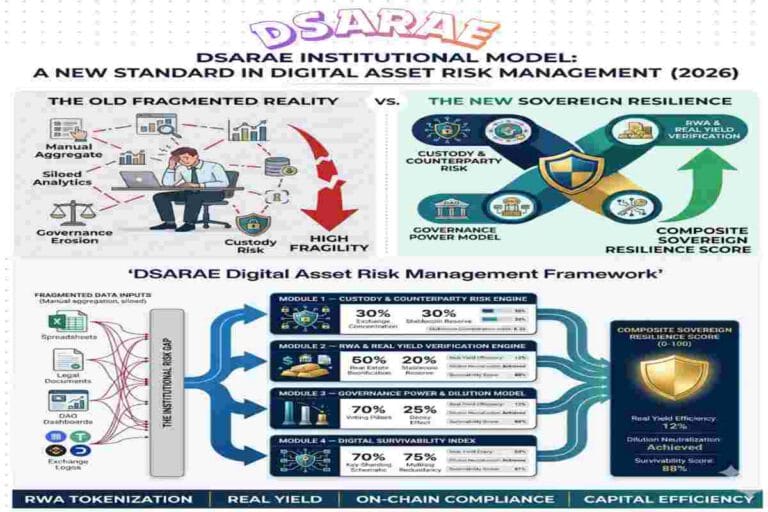
Selecting the Best Institutional Digital Asset Management Platform is less about the number of features and more about how those features work together. Large institutions rarely fail because of poor investment decisions alone. More often, operational inefficiencies, fragmented reporting, reconciliation errors, and disconnected systems create unnecessary risk.
A modern Institutional Digital Asset Management Platform should function as the operational control center for digital assets. Instead of replacing custody providers, exchanges, or accounting software, it connects every component into a unified workflow that improves visibility, governance, automation, and decision making.
Institutional investors often hold assets across multiple exchanges, custodians, wallets, staking providers, and DeFi protocols. Without centralized aggregation, portfolio visibility becomes fragmented and decision making slows.
A quality platform continuously synchronizes balances, transactions, positions, and valuations from numerous sources into a single dashboard.
| Challenge | Platform Benefit |
|---|---|
| Multiple exchanges | Unified portfolio view |
| Multiple custodians | Consolidated asset reporting |
| Cross-chain assets | One dashboard |
| DeFi positions | Centralized monitoring |
| Tokenized assets | Unified valuation |
| Executive reporting | Single source of truth |
Organizations managing 10 or more wallets often experience significant efficiency gains once portfolio aggregation replaces manual spreadsheet reconciliation.
Institutional treasury teams are responsible for liquidity, capital allocation, operational funding, and settlement efficiency.
Modern platforms provide treasury dashboards that monitor wallet balances, stablecoin exposure, exchange liquidity, and capital utilization in real time.
| Capability | Business Value |
|---|---|
| Cash visibility | Better liquidity planning |
| Stablecoin monitoring | Treasury optimization |
| Wallet allocation | Reduced idle capital |
| Settlement tracking | Faster operations |
| Treasury reporting | Executive visibility |
| Liquidity forecasting | Improved planning |
Treasury management has become especially important as institutions increasingly use stablecoins for settlements, payroll, cross-border transfers, and tokenized asset transactions.
Many institutions now participate in staking, liquid staking, tokenized money markets, and on-chain lending.
Rather than checking multiple protocols separately, enterprise platforms consolidate yield positions into one operational dashboard.
| Feature | Purpose |
|---|---|
| Staking overview | Portfolio visibility |
| Yield comparison | Capital optimization |
| Reward tracking | Accounting accuracy |
| Validator monitoring | Operational health |
| Risk alerts | Exposure management |
| Performance history | Investment analysis |
Yield reporting also improves audit preparation because every reward event becomes traceable within the institution’s financial records.
Understanding exposure across assets, counterparties, blockchains, custodians, and jurisdictions is becoming a board-level requirement.
Risk analytics help institutions answer questions such as:
| Risk Category | Example Metric |
|---|---|
| Asset concentration | BTC 42% |
| Stablecoin allocation | USDC 28% |
| Exchange exposure | Exchange A 35% |
| Custodian concentration | Custodian B 48% |
| Geographic exposure | Multi-region |
| Counterparty exposure | Risk score |
Instead of reacting after problems occur, institutions can proactively rebalance operational risk.
Manual accounting remains one of the largest operational bottlenecks for institutional crypto teams.
Modern platforms automate transaction categorization, cost basis calculations, journal creation, and reconciliation while supporting integrations with enterprise accounting systems.
Wallet Activity
      ↓
Transaction Classification
      ↓
Cost Basis Calculation
      ↓
Journal Entries
      ↓
ERP Integration
      ↓
Financial Statements
Automation reduces repetitive work while improving consistency across accounting periods.
Even when tax calculation is handled elsewhere, institutional teams require standardized reporting for auditors, finance departments, executives, and regulators.
Platforms typically support exports compatible with enterprise accounting and reporting workflows.
| Report | Primary User |
|---|---|
| Portfolio Summary | Executives |
| Transaction History | Finance |
| Asset Allocation | Investment Committee |
| Treasury Report | CFO |
| Performance Report | Portfolio Managers |
| Audit Package | External Auditors |
Asset managers and investment funds rely on accurate Net Asset Value calculations and performance reporting.
Enterprise platforms automate valuation across multiple wallets and exchanges while tracking historical portfolio performance.
| Metric | Purpose |
|---|---|
| NAV | Fund valuation |
| ROI | Performance |
| Unrealized PnL | Investment tracking |
| Realized PnL | Accounting |
| Benchmark comparison | Investment analysis |
| Allocation trends | Portfolio optimization |
Reliable performance reporting supports both investor communication and internal decision making.
Institutions may operate hundreds or even thousands of wallets across different business units.
Continuous wallet monitoring improves operational awareness and helps detect unusual activity before it becomes a significant issue.
| Capability | Benefit |
|---|---|
| Balance tracking | Portfolio visibility |
| Large transfer alerts | Operational oversight |
| Wallet health | Infrastructure monitoring |
| Address labeling | Better organization |
| Historical activity | Investigation support |
| Cross-wallet analytics | Enterprise reporting |
Centralized monitoring eliminates the need for teams to manually inspect blockchain explorers throughout the day.
Institutional governance extends beyond protecting private keys. Every approval, transaction, policy update, and administrative action should be recorded.
Comprehensive audit trails simplify compliance reviews, internal investigations, financial reporting, and external audits.
| Control | Business Benefit |
|---|---|
| Role-based permissions | Separation of duties |
| Multi-user approvals | Reduced operational risk |
| Activity logs | Accountability |
| Change history | Audit readiness |
| Policy enforcement | Governance consistency |
| Report generation | Regulatory preparation |
Strong governance becomes increasingly valuable as organizations grow from a handful of employees to multiple operational teams across finance, compliance, treasury, and executive management.
Many organizations purchase software expecting it to solve operational problems automatically. In reality, technology only amplifies existing processes.
| Common Mistake | Better Approach |
|---|---|
| Managing portfolios with spreadsheets | Centralize data aggregation |
| Ignoring reconciliation until month end | Automate daily reconciliation |
| Separating treasury and accounting | Integrate operational workflows |
| Choosing software without API evaluation | Prioritize integration capabilities |
| Measuring only investment performance | Monitor operational KPIs as well |
| Buying based on price alone | Evaluate long-term operational value |
Institutions that treat digital asset management as an operational discipline rather than simply a reporting tool generally scale more efficiently and experience fewer reconciliation, governance, and compliance issues.
✅ Best Practice: Build your platform around automation rather than manual processes. Every wallet, exchange, custodian, accounting system, and reporting tool should feed into a single operational workflow that minimizes duplicate data entry and improves decision making.
🚨 Critical Mistake: Many institutions focus on investment returns while overlooking operational efficiency. As transaction volumes grow, poor reconciliation, disconnected systems, and weak governance often become larger risks than market volatility itself.
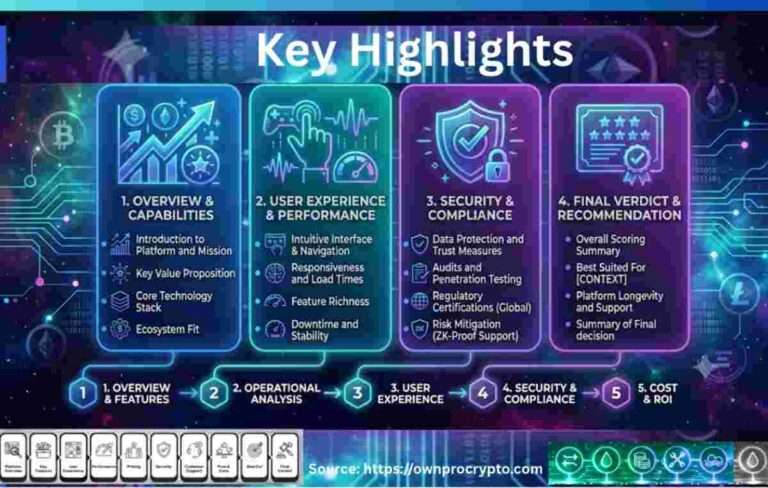
The Best Institutional Digital Asset Management Platforms do far more than display portfolio balances. Their real value comes from orchestrating the complete operational lifecycle of digital assets, from trade execution and settlement to accounting, compliance, treasury, and executive reporting.
Institutions processing hundreds or thousands of transactions every day cannot rely on disconnected systems or manual reconciliation. Every transaction must flow automatically through multiple departments while maintaining data accuracy, governance, and audit readiness. A well-designed workflow reduces operational risk, shortens reporting cycles, and improves decision making across the organization.
Every digital asset follows a repeatable operational journey.
Trade Execution
        ↓
Settlement
        ↓
Custody Confirmation
        ↓
Portfolio Synchronization
        ↓
Treasury Allocation
        ↓
Accounting & Reconciliation
        ↓
Compliance Monitoring
        ↓
Executive Reporting
        ↓
Audit & Historical Archive
Unlike retail investing, institutional operations require every department to receive synchronized, verified data from the same transaction source.
Institutional workflows begin when a trade is executed through an exchange, OTC desk, broker, or liquidity provider.
The platform immediately records trade details, timestamps, pricing, counterparties, fees, settlement instructions, and execution venue. Capturing complete transaction metadata at the beginning significantly reduces reconciliation issues later.
| Data | Why It Matters |
|---|---|
| Asset | Portfolio tracking |
| Quantity | Position management |
| Execution price | Cost basis |
| Trading fees | Accounting accuracy |
| Exchange | Counterparty records |
| Timestamp | Audit trail |
| Trade ID | Reconciliation |
Capturing standardized data early prevents inconsistencies from spreading across treasury, finance, and compliance systems.
Execution does not complete the transaction. Institutions must verify that assets have actually settled into the correct custodial accounts or operational wallets.
Settlement monitoring helps operations teams identify delays, failed transfers, incorrect destinations, or liquidity bottlenecks before they affect business operations.
| Metric | Purpose |
|---|---|
| Pending settlements | Monitor delays |
| Completed settlements | Portfolio updates |
| Failed transfers | Operational alerts |
| Settlement time | Performance tracking |
| Transfer confirmations | Verification |
| Counterparty status | Risk monitoring |
As stablecoins and tokenized assets become more widely adopted, settlement speed increasingly becomes a competitive advantage.
Once assets settle, the platform synchronizes balances directly from custodians or institutional wallets.
Rather than manually checking multiple custody portals, finance and operations teams receive continuous updates through API connections.
| Connected System | Operational Benefit |
|---|---|
| Institutional Custodian | Balance verification |
| MPC Wallet | Secure operations |
| Hardware Wallet | Long-term storage |
| Exchange Wallet | Trading balances |
| Staking Platform | Yield tracking |
| DeFi Protocol | Portfolio monitoring |
Modern institutions often connect 5 to 15 different custody environments into one operational dashboard.
Accounting is one of the most resource-intensive institutional processes. Every blockchain transaction affects journals, balances, financial statements, and audit records.
Digital asset management platforms automate reconciliation by matching blockchain activity with exchange records, custody balances, treasury movements, and accounting systems.
Blockchain Activity
      ↓
Exchange Records
      ↓
Custodian Balances
      ↓
Transaction Matching
      ↓
Accounting Journals
      ↓
ERP Synchronization
Automation minimizes manual adjustments while improving financial reporting accuracy.
Treasury teams require real-time visibility into available liquidity across exchanges, custodians, wallets, and banking partners.
Institutional platforms help treasury managers optimize capital allocation while reducing idle balances.
| Treasury Activity | Platform Support |
|---|---|
| Liquidity monitoring | Real-time dashboard |
| Stablecoin allocation | Treasury analytics |
| Working capital | Position overview |
| Exchange balances | Multi-venue monitoring |
| Wallet funding | Automated alerts |
| Capital deployment | Operational planning |
Organizations that automate treasury workflows often improve capital efficiency while reducing settlement delays.
Every institutional transaction creates regulatory obligations.
Compliance teams need immediate visibility into wallet activity, counterparties, transaction history, approval workflows, and audit records.
| Compliance Task | Platform Function |
|---|---|
| Transaction history | Continuous logging |
| Approval records | Governance tracking |
| Wallet monitoring | Operational oversight |
| Policy enforcement | Automated controls |
| Audit preparation | Report generation |
| Regulatory reporting | Data exports |
Rather than gathering records during audits, institutions can generate reports directly from operational data.
Executives rarely need blockchain transaction details. They require high-level operational intelligence that supports strategic decisions.
Enterprise platforms convert technical blockchain data into business dashboards that executives can understand.
| KPI | Executive Value |
|---|---|
| Total Assets | Portfolio growth |
| Asset Allocation | Investment strategy |
| Liquidity Position | Treasury health |
| Risk Exposure | Operational oversight |
| Yield Performance | Capital efficiency |
| Counterparty Exposure | Enterprise risk |
| Monthly Performance | Strategic reporting |
This allows leadership teams to evaluate digital asset operations using familiar financial metrics rather than raw blockchain data.
Technology alone does not eliminate operational risk. Most failures occur because workflows are fragmented across departments.
| Problem | Business Impact | Better Solution |
|---|---|---|
| Manual reconciliation | Reporting delays | Automated reconciliation |
| Separate treasury systems | Poor liquidity visibility | Unified treasury dashboard |
| Multiple reporting tools | Inconsistent data | Centralized reporting |
| Isolated custody records | Limited oversight | API integrations |
| Spreadsheet approvals | Governance risk | Workflow automation |
| Monthly reporting only | Slow decisions | Real-time dashboards |
As institutions expand into tokenized assets, stablecoin settlements, staking, and cross-chain operations, disconnected workflows become increasingly difficult to manage.
High-performing organizations treat digital asset management as a continuous operational process rather than a collection of disconnected tools.
Trading
      ↓
Custody
      ↓
Portfolio Management
Treasury
      ↓
Accounting
      ↓
Compliance
      ↓
Executive Reporting
      ↓
Strategic Decision Making
The strongest institutions build a connected operating model where every transaction automatically updates every downstream function, reducing manual work while improving transparency and governance.
🚀 Implementation Tip: Before deploying any platform, map your complete operational workflow from trade execution to board reporting. If any step still depends on manual spreadsheets or duplicate data entry, prioritize automation in that area first.
🔍 Expert Insight: Institutions that scale successfully rarely use the most software. They use the fewest disconnected systems. The best digital asset management platforms become the operational hub that synchronizes custody, treasury, accounting, compliance, and reporting into one trusted source of truth.
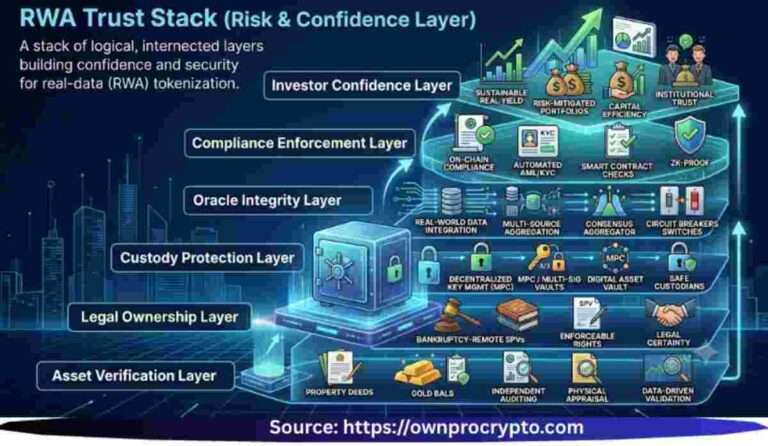
The Best Institutional Digital Asset Management Platforms are no longer standalone applications. They serve as the central intelligence layer connecting custody providers, exchanges, treasury systems, accounting software, compliance platforms, banking infrastructure, and executive reporting.
In 2026, a typical institution may operate 10 to 30 integrated systems that continuously exchange data through APIs. Without a unified technology stack, organizations face duplicated records, delayed reporting, inconsistent balances, and increased operational risk. The objective is to create a connected ecosystem where every transaction updates all relevant systems automatically.
Application Programming Interfaces (APIs) are the backbone of modern institutional digital asset operations. APIs allow platforms to synchronize balances, transactions, portfolio data, pricing, treasury activity, and reporting without manual intervention.
Institutions increasingly evaluate API quality before evaluating user interfaces because automation determines long-term scalability.
| API Capability | Institutional Benefit |
|---|---|
| Portfolio synchronization | Real-time visibility |
| Wallet monitoring | Continuous updates |
| Trade execution | Faster workflows |
| Treasury automation | Improved liquidity management |
| Accounting exports | Reduced manual work |
| Compliance reporting | Automated reporting |
| Executive dashboards | Live business intelligence |
Organizations with mature API ecosystems typically reduce operational bottlenecks as transaction volumes increase.
Most institutions do not rely on a single custodian. Assets are often distributed across multiple custodians to improve diversification, operational flexibility, and business continuity.
A management platform should aggregate balances regardless of where assets are stored.
| Integration | Purpose |
|---|---|
| MPC Custodian | Institutional security |
| Qualified Custodian | Regulatory compliance |
| Hardware Wallet | Cold storage |
| Exchange Custody | Trading operations |
| Tokenization Custodian | Digital securities |
| Self-Custody Infrastructure | Internal treasury |
Centralized visibility eliminates the need for operations teams to log into multiple custody portals throughout the day.
Institutional portfolios commonly span multiple centralized and decentralized trading venues.
Direct exchange integrations improve trade reconciliation, liquidity visibility, and portfolio accuracy.
| Connected Data | Operational Value |
|---|---|
| Open positions | Portfolio monitoring |
| Trade history | Accounting accuracy |
| Order execution | Performance analysis |
| Fees | Cost reporting |
| Deposits | Treasury tracking |
| Withdrawals | Settlement verification |
As trading activity grows, automated synchronization becomes significantly more reliable than manual imports.
Digital asset management platforms should extend existing financial systems rather than replace them.
Integration with Enterprise Resource Planning (ERP) software enables digital assets to become part of standard financial reporting.
Digital Asset Platform
        ↓
Accounting Engine
        ↓
ERP System
        ↓
Financial Statements
        ↓
Management Reports
        ↓
Audit Preparation
Connecting finance systems reduces duplicate bookkeeping while improving reporting consistency.
Institutional treasury operations increasingly combine traditional banking with stablecoins and blockchain-based settlements.
A connected platform enables finance teams to monitor both fiat and digital asset liquidity from one operational environment.
| Connected System | Business Purpose |
|---|---|
| Commercial Bank | Fiat liquidity |
| Stablecoin Treasury | Digital settlements |
| Payment Rails | Transfers |
| Treasury Dashboard | Capital allocation |
| Liquidity Monitoring | Cash management |
| Settlement Engine | Operational efficiency |
This hybrid financial model is becoming increasingly common as digital assets integrate with traditional finance.
Operational data becomes more valuable when institutions can analyze historical trends rather than simply monitor current balances.
Many organizations connect digital asset platforms with enterprise analytics environments.
| Analytics Area | Example KPI |
|---|---|
| Portfolio growth | Assets under management |
| Treasury | Liquidity utilization |
| Operations | Settlement efficiency |
| Accounting | Reconciliation accuracy |
| Compliance | Reporting completion |
| Risk | Counterparty exposure |
Historical analysis supports strategic planning and executive decision making.
Artificial intelligence is transforming institutional operations by automating repetitive tasks and identifying patterns that humans may overlook.
Rather than replacing investment professionals, AI increasingly supports finance, operations, treasury, and compliance teams.
| AI Capability | Institutional Benefit |
|---|---|
| Portfolio forecasting | Better planning |
| Liquidity prediction | Treasury optimization |
| Transaction classification | Faster accounting |
| Risk detection | Early warning alerts |
| Exception monitoring | Reduced manual review |
| Executive insights | Smarter decision support |
AI becomes more effective as institutions accumulate larger, cleaner operational datasets.
Security extends beyond protecting private keys. Enterprise platforms must secure infrastructure, user access, APIs, operational workflows, and sensitive financial information.
| Security Layer | Purpose |
|---|---|
| Role-based access | User permissions |
| Multi-factor authentication | Identity protection |
| API authentication | Secure integrations |
| Encryption | Data confidentiality |
| Activity logging | Audit readiness |
| Continuous monitoring | Threat detection |
| Backup systems | Business continuity |
Strong security architecture supports both operational resilience and regulatory confidence.
One of the most common enterprise questions is whether to build a proprietary management platform or purchase an established solution.
| Build In-House | Buy Enterprise Platform |
|---|---|
| Maximum customization | Faster deployment |
| High development cost | Lower implementation time |
| Internal maintenance | Vendor support |
| Long deployment cycles | Proven integrations |
| Requires specialist teams | Enterprise best practices |
| Flexible architecture | Lower operational risk |
For most institutions, purchasing a mature platform allows internal teams to focus on investment strategy and operations rather than software development.
               Executive Dashboard
                       │
        ┌──────────────┼──────────────┐
        │              │              │
   Portfolio      Treasury      Risk & Analytics
        │              │              │
        └──────────────┼──────────────┘
                       │
       Digital Asset Management Platform
                       │
 ┌──────────┬──────────┬──────────┬──────────┐
 │          │          │          │
   Custodians Exchanges Accounting Compliance
 │          │          │          │
 └──────────┴──────────┴──────────┴──────────┘
                       │
                 Banking & ERP
This architecture highlights why institutional platforms are becoming the operational backbone of digital asset businesses. Instead of managing isolated tools, organizations gain a unified ecosystem where data flows automatically between every operational function.
🔍 Expert Insight: The most valuable enterprise platform is rarely the one with the longest feature list. It is the one that integrates seamlessly with your existing technology stack, reduces manual workflows, and creates a single source of truth across finance, treasury, custody, compliance, and reporting.
📊 Quick Stat: Mature institutional digital asset teams commonly integrate 10 to 30 internal and external systems, including custodians, exchanges, ERP platforms, accounting software, compliance tools, banking infrastructure, and analytics dashboards. A centralized management platform significantly improves data consistency, operational efficiency, and audit readiness as these integrations grow.
There is no single Best Institutional Digital Asset Management Platform for every organization. A bank managing regulated client assets has different priorities than a hedge fund executing high-frequency trades, while a family office focuses on wealth preservation and reporting rather than complex trading infrastructure.
The most successful institutions start by identifying operational requirements before evaluating vendors. Instead of asking Which platform has the most features, ask Which platform best supports our people, workflows, compliance obligations, integrations, and long-term growth strategy?
Every institution manages digital assets differently. Matching software capabilities to business objectives produces better long-term results than selecting the most recognized vendor.
| Organization | Primary Focus | Highest Priority |
|---|---|---|
| Commercial Bank | Governance | Compliance & reporting |
| Investment Bank | Multi-client portfolios | Security & integrations |
| Asset Manager | Portfolio performance | NAV & analytics |
| Hedge Fund | Trading efficiency | Multi-exchange support |
| Family Office | Wealth management | Portfolio visibility |
| Corporate Treasury | Liquidity | Treasury automation |
| Crypto Exchange | Reserve management | Multi-wallet operations |
| Tokenization Platform | Digital assets | Asset lifecycle management |
| Fintech Company | Scalability | API ecosystem |
Choosing software based on operational goals prevents unnecessary complexity and reduces implementation costs.
The ideal platform often changes as an organization grows.
| Business Size | Recommended Focus |
|---|---|
| Startup | Simplicity, APIs, affordable automation |
| Small Business | Portfolio visibility, reporting |
| Mid-Market | Treasury, accounting, compliance |
| Enterprise | Governance, integrations, scalability |
| Global Institution | Multi-region infrastructure, advanced security |
As transaction volumes increase, automation becomes more valuable than adding more operational staff.
Price should never be the first selection criterion. The true investment includes implementation, integrations, onboarding, employee training, API usage, support, and ongoing maintenance.
| Cost Area | What to Evaluate |
|---|---|
| Subscription | Monthly or annual licensing |
| Implementation | Initial deployment |
| API Usage | Transaction volume |
| Integrations | Third-party connectivity |
| Support | Enterprise SLA |
| Staff Training | User adoption |
| Maintenance | Long-term operations |
A platform with a higher subscription cost may deliver a lower overall Total Cost of Ownership by reducing manual work and operational errors.
Different industries prioritize different platform capabilities.
| Industry | Most Important Features |
|---|---|
| Banking | Governance, compliance, audit trails |
| Asset Management | Performance reporting, NAV |
| Insurance | Security, reporting |
| Treasury | Liquidity management |
| Payments | Stablecoin settlements |
| Exchanges | Multi-wallet operations |
| Family Offices | Consolidated reporting |
| Tokenization | Digital asset lifecycle |
Industry-specific requirements should guide vendor shortlisting before product demonstrations begin.
Regulatory obligations vary significantly across regions. Institutions should evaluate whether a platform supports local reporting, governance, and compliance expectations.
| Region | Evaluation Focus |
|---|---|
| North America | Reporting & governance |
| Europe | Regulatory readiness |
| Middle East | Institutional infrastructure |
| Asia-Pacific | Multi-market scalability |
| Global Operations | Multi-jurisdiction support |
Organizations operating internationally should prioritize platforms capable of supporting multiple regulatory environments.
Rather than comparing marketing brochures, score every shortlisted platform using measurable criteria.
| Evaluation Category | Weight |
|---|---|
| Security | 20% |
| Portfolio Management | 15% |
| Treasury Features | 10% |
| Accounting Automation | 10% |
| API Integrations | 10% |
| Reporting | 10% |
| Compliance Support | 10% |
| Scalability | 5% |
| User Experience | 5% |
| Vendor Support | 5% |
Adjust the weighting to reflect your organization’s priorities rather than using a generic template.
Need institutional custody integration?
        │
        ├── Yes
        │      ▼
        │  Need treasury automation?
        │
        │      ├── Yes → Treasury-focused platform
        │      └── No
        ▼
Need advanced accounting?
        │
        ├── Yes → Accounting-first platform
        │
        └── No
                ▼
Need portfolio analytics?
        │
        ├── Yes → Portfolio management platform
        │
        └── Enterprise operations platform
This simple framework helps narrow the shortlist before evaluating integrations, pricing, and implementation requirements.
Before signing any enterprise agreement, procurement, finance, operations, and IT teams should validate the platform against real business needs.
| Question | Why It Matters |
|---|---|
| Does it support our custodians? | Operational compatibility |
| Does it integrate with our exchanges? | Data accuracy |
| Can it automate reconciliation? | Operational efficiency |
| Does it integrate with our ERP? | Financial reporting |
| Is the API well documented? | Future scalability |
| Can it scale internationally? | Business growth |
| Does it provide complete audit trails? | Compliance readiness |
| What is the disaster recovery plan? | Business continuity |
| What implementation support is included? | Faster deployment |
| What is the long-term roadmap? | Future-proof investment |
Organizations that complete a structured evaluation process generally experience smoother implementations and fewer surprises after deployment.
Many institutions select software based on product demonstrations instead of operational workflows.
| Common Mistake | Better Strategy |
|---|---|
| Buying based on brand reputation | Compare operational fit |
| Comparing only subscription pricing | Evaluate total ownership cost |
| Ignoring API capabilities | Review integration ecosystem |
| Selecting features you will never use | Focus on business objectives |
| Forgetting internal training | Plan user adoption early |
| Skipping pilot deployments | Run proof-of-concept testing |
| Choosing today’s needs only | Plan for future growth |
The best software is the one your teams can successfully implement, adopt, and scale over the next several years—not simply the one with the longest feature list.
📋 Buyer’s Checklist: Evaluate platforms using your actual operational workflows. Test portfolio aggregation, reconciliation, treasury automation, reporting, API integrations, and governance processes before making a final decision.
💡 Pro Tip: Ask every shortlisted vendor to demonstrate your own workflow instead of their standard product demo. Watching how the platform handles your custodians, exchanges, reporting requirements, and approval processes provides a far more accurate picture than a polished sales presentation.

The future of Institutional Digital Asset Management Platforms is moving beyond portfolio tracking and reporting. The next generation of enterprise systems will operate as intelligent financial infrastructure, connecting digital assets, traditional finance, artificial intelligence, automation, and tokenized markets into one unified operating environment.
By 2026, institutions are no longer asking only How do we store digital assets? They are asking:
The answer is evolving toward integrated platforms that combine portfolio management, AI analytics, compliance automation, treasury intelligence, and enterprise reporting.
Early digital asset management tools focused mainly on displaying balances and transactions. Modern institutional platforms are becoming complete operating systems.
Instead of separate solutions for custody, accounting, reporting, and treasury, institutions increasingly prefer connected infrastructure.
| Period | Institutional Focus |
|---|---|
| 2020 | Secure asset storage |
| 2022 | Institutional custody adoption |
| 2024 | Portfolio visibility and reporting |
| 2026 | Automated digital asset operations |
| Future | Autonomous financial infrastructure |
The market is shifting from asset protection toward operational intelligence.
Artificial intelligence is becoming a major capability within institutional asset management.
AI systems can analyze large amounts of transaction data, identify portfolio trends, detect operational issues, and provide decision support for treasury and investment teams.
| AI Capability | Institutional Benefit |
|---|---|
| Automated reconciliation | Faster accounting |
| Risk pattern detection | Early warnings |
| Portfolio forecasting | Better planning |
| Transaction classification | Reduced manual work |
| Anomaly detection | Security improvement |
| Reporting automation | Executive efficiency |
AI will not replace institutional decision makers. Instead, it will reduce repetitive operational tasks and allow teams to focus on strategy.
The growth of tokenized real-world assets (RWAs) is expanding the role of institutional management platforms.
Institutions managing tokenized securities, real estate, funds, bonds, and alternative assets require systems capable of tracking ownership, valuation, compliance status, and lifecycle events.
| Requirement | Platform Capability |
|---|---|
| Asset ownership | Digital records |
| Valuation updates | Pricing integration |
| Compliance | Regulatory reporting |
| Transfer history | Audit trail |
| Investor reporting | Portfolio statements |
| Lifecycle events | Automated workflows |
As tokenization expands, digital asset management platforms will become essential infrastructure for managing both crypto-native and traditional financial assets.
Stablecoins are becoming an important component of institutional liquidity strategies.
Companies increasingly use stablecoins for:
| Function | Institutional Need |
|---|---|
| Balance monitoring | Liquidity visibility |
| Risk tracking | Exposure management |
| Settlement monitoring | Payment efficiency |
| Multi-chain support | Operational flexibility |
| Accounting integration | Financial accuracy |
Future platforms will likely treat stablecoins as a standard treasury instrument alongside traditional cash management.
Manual reconciliation is one of the biggest operational challenges for institutions.
Future systems will increasingly automate the complete financial reporting process.
Blockchain Transactions
          ↓
AI Classification
          ↓
Automated Reconciliation
          ↓
Accounting Records
          ↓
Compliance Checks
          ↓
Executive Reports
This reduces reporting delays and improves accuracy across finance, operations, and compliance teams.
Traditional financial reporting often happens daily, weekly, or monthly. Digital asset markets operate continuously.
Future institutional platforms will provide real-time risk intelligence across:
| Risk Area | Monitoring Example |
|---|---|
| Counterparty risk | Exchange exposure |
| Liquidity risk | Available capital |
| Asset concentration | Portfolio allocation |
| Operational risk | System activity |
| Blockchain risk | Network exposure |
| Compliance risk | Transaction alerts |
Real-time visibility allows institutions to respond before operational problems become financial events.
                 AI Intelligence Layer
                         ▼
          Digital Asset Management Platform
                         │
     ┌──────────┬──────────┬──────────┐
     │          │          │          │
  Custody   Treasury  Accounting  Compliance
     │          │          │          │
     └──────────┴──────────┴──────────┘
                         │
              Tokenized Asset Ecosystem
                         │
              Traditional Financial Systems
This architecture represents the future direction of institutional digital asset infrastructure: connected, automated, intelligent, and continuously monitored.
Organizations building digital asset strategies today should prepare for a future where digital assets become integrated with traditional financial operations.
| Area | Preparation Strategy |
|---|---|
| Infrastructure | Build API-first systems |
| Security | Strengthen governance controls |
| Accounting | Automate reconciliation |
| Treasury | Prepare stablecoin workflows |
| Compliance | Enable continuous monitoring |
| Data | Create centralized reporting |
| AI | Prepare clean operational datasets |
The institutions that build flexible infrastructure today will have a significant advantage as digital asset markets mature.
🔮 Future Outlook
Institutional digital asset management is evolving from a reporting function into a complete financial operating layer. The winners will be platforms that connect custody, treasury, accounting, compliance, AI, and tokenized assets into one intelligent ecosystem.
🚀 Implementation Tip: Build for tomorrow, not only today’s requirements. Choose platforms with strong APIs, automation capabilities, and integration flexibility because institutional digital asset operations will become increasingly connected and data-driven.
The Best Institutional Digital Asset Management Platform is not simply the platform with the most features, the largest brand name, or the highest number of integrations. The right solution is the one that matches an institution’s operational strategy, asset complexity, regulatory environment, and future growth plans.
Digital asset management has moved from a simple tracking requirement into a complete institutional operating model. Organizations now require platforms that connect custody, treasury, accounting, compliance, reporting, analytics, and governance into one reliable infrastructure layer.
The final decision should be based on one question:
Which platform helps our organization manage digital assets more efficiently, securely, and transparently over the next five years?
To ensure your architecture meets global institutional standards for digital ledger security and interoperability, refer to the technical guidelines provided by the National Institute of Standards and Technology (NIST).
Different organizations have different priorities. A bank, hedge fund, family office, and corporate treasury should not evaluate platforms using the same criteria.
| Category | Best Fit | Primary Requirement |
|---|---|---|
| Best Enterprise Platform | Large institutions | Complete infrastructure |
| Best Treasury Platform | Corporate treasuries | Liquidity management |
| Best Asset Manager Platform | Funds | Portfolio analytics |
| Best Trading Platform | Hedge funds | Execution and connectivity |
| Best Custody Integration | Banks | Security and governance |
| Best Tokenization Platform | RWA businesses | Asset lifecycle management |
| Best API Platform | Fintechs | Automation and scalability |
| Best Reporting Platform | Family offices | Consolidated visibility |
Best For:
Large institutions requiring a complete digital asset operating environment.
Key Selection Factors:
| Requirement | Why It Matters |
|---|---|
| Multi-custodian support | Asset flexibility |
| Enterprise APIs | Automation |
| Governance controls | Risk reduction |
| Reporting | Executive visibility |
| Accounting integration | Financial accuracy |
| Scalability | Future growth |
The best overall solution is the platform that becomes the central operational layer between digital assets and institutional business processes.
Banks typically require:
| Feature | Importance |
|---|---|
| Security | Very High |
| Compliance | Very High |
| Reporting | Very High |
| API Connectivity | High |
| Trading Tools | Medium |
| Yield Features | Medium |
Banks should prioritize reliability and governance over unnecessary complexity.
Investment managers need tools that support:
| Capability | Purpose |
|---|---|
| Portfolio analytics | Investment decisions |
| Historical performance | Investor reporting |
| Accounting support | Fund operations |
| Risk analytics | Portfolio management |
| Multi-venue tracking | Complete visibility |
For funds, the platform should operate like an institutional investment management system rather than a simple crypto dashboard.
Corporate treasury teams increasingly use digital assets for liquidity management, payments, and global settlements.
Their priorities include:
| Requirement | Benefit |
|---|---|
| Stablecoin visibility | Liquidity control |
| Treasury automation | Operational efficiency |
| Banking integration | Financial coordination |
| Approval workflows | Governance |
| Real-time reporting | Decision support |
The ideal treasury platform reduces manual movement of funds while improving transparency.
Family offices usually require simplicity combined with institutional reporting.
Their priorities include:
| Requirement | Purpose |
|---|---|
| Portfolio aggregation | Complete wealth view |
| Reporting | Family governance |
| Security | Asset protection |
| Tax records | Financial planning |
| Performance tracking | Investment decisions |
A simplified decision framework:
                    Institutional Need
                          │
        ┌─────────────────┼─────────────────┐
        │                 │                 │
   Security Focus    Operations Focus   Investment Focus
        │                 │                 │
   Custody +       Asset Management     Portfolio
   Governance      + Treasury           Analytics
The strongest institutional strategy usually combines several technologies:
Custody Infrastructure
          +
Digital Asset Management Platform
          +
Accounting System
          +
Compliance Layer
          +
Executive Reporting
          =
Complete Institutional Digital Asset Operating SystemFor organizations beginning their evaluation process:
Focus on:
Focus on:
Focus on:
| Lesson | Strategic Value |
|---|---|
| Custody is only one part of operations | Institutions need complete infrastructure |
| Automation matters more as assets grow | Reduces operational risk |
| APIs determine scalability | Enables future integrations |
| Reporting creates transparency | Supports governance |
| Integration beats isolated tools | Creates operational efficiency |
| Strategy matters more than software | Technology should support business goals |
The future of institutional digital assets will not be defined by a single platform. It will be defined by connected ecosystems where custody, treasury, accounting, compliance, and analytics work together seamlessly.
The organizations that build this foundation early will be better prepared for tokenization, stablecoin adoption, AI-powered operations, and the next generation of financial infrastructure.
✅ Best Practice: Select an institutional digital asset management platform as part of a long-term operating strategy, not as a short-term software purchase. The right platform should support your current workflow while preparing your organization for future digital asset growth.
🚨 Critical Mistake: Choosing a platform only because it offers the lowest price or the longest feature list can create expensive problems later. Institutional success depends on integration quality, governance, automation, and operational scalability.
Institutional digital asset management is becoming a critical layer between blockchain networks and traditional financial operations.
The next generation of institutions will not manage digital assets through isolated wallets, spreadsheets, or disconnected tools. They will rely on integrated platforms that combine portfolio management, treasury intelligence, accounting automation, compliance monitoring, and enterprise reporting.
The strongest organizations will be those that build flexible infrastructure today while preparing for tomorrow’s digital economy.
As digital assets continue moving from speculative markets into institutional finance, the winning platforms will not simply track assets. They will become the operational backbone for managing the future of global digital capital.
What is an Institutional Digital Asset Management Platform?
An Institutional Digital Asset Management Platform is enterprise software that helps organizations manage, monitor, analyze, and report digital assets across wallets, custodians, exchanges, and blockchain networks.
Why do institutions need digital asset management platforms?
Institutions need these platforms to improve portfolio visibility, automate operations, manage risk, simplify accounting, and maintain governance across complex digital asset environments.
How is institutional digital asset management different from retail crypto portfolio tracking?
Institutional platforms provide enterprise features such as multi-user access, audit trails, API integrations, accounting automation, compliance workflows, and advanced reporting that retail tools typically do not provide.
What types of organizations use digital asset management platforms?
Banks, hedge funds, asset managers, family offices, fintech companies, crypto exchanges, corporations, tokenization platforms, and investment firms use institutional digital asset management solutions.
What problems do institutional digital asset management platforms solve?
They solve challenges such as fragmented wallets, manual reconciliation, disconnected custody systems, complex reporting, treasury management, and operational inefficiencies.
What is the difference between digital asset management and crypto custody?
Digital asset management focuses on managing operations, reporting, analytics, and workflows, while custody focuses primarily on securely storing and protecting digital assets.
Why do enterprises require specialized digital asset management software?
Enterprises require specialized software because they manage larger portfolios, multiple stakeholders, regulatory obligations, and complex operational processes.
Can institutional platforms manage multiple custodians and exchanges?
Yes, enterprise platforms can connect multiple custodians, exchanges, wallets, and blockchain networks to provide a unified portfolio view.
How do institutions manage thousands of digital asset transactions?
Institutions manage large transaction volumes through automated reconciliation, API integrations, transaction classification, and centralized reporting systems.
Do banks use institutional digital asset management platforms?
Yes, banks use these platforms for digital asset operations, portfolio monitoring, reporting, treasury management, and blockchain-based financial services.
Can hedge funds use digital asset management platforms?
Yes, hedge funds use them for multi-exchange portfolio tracking, performance measurement, risk analytics, and operational reporting.
Are digital asset management platforms suitable for family offices?
Yes, family offices use them to consolidate digital assets, monitor performance, manage risk exposure, and create transparent investment reports.
How do digital asset platforms automate accounting?
They automate accounting by importing transactions, calculating balances, categorizing activity, generating reports, and integrating with financial systems.
Can institutional platforms calculate digital asset NAV?
Many institutional platforms support valuation workflows that help investment managers calculate portfolio values and net asset value reporting.
How do institutions reconcile blockchain transactions?
Institutions reconcile transactions by matching blockchain activity with exchange records, custody balances, internal accounting systems, and financial records.
Can digital asset management platforms integrate with ERP systems?
Yes, many enterprise solutions provide integrations with accounting and ERP systems to synchronize financial reporting.
Why is automated reconciliation important for institutions?
Automated reconciliation reduces manual errors, improves reporting speed, supports audits, and helps finance teams manage larger transaction volumes.
What reports can institutional digital asset platforms generate?
Common reports include portfolio summaries, transaction histories, performance reports, treasury reports, risk reports, and audit documentation.
How secure are institutional digital asset management platforms?
Security depends on the provider, but enterprise platforms commonly use encryption, access controls, authentication systems, audit logs, and integration with institutional custody solutions.
Do digital asset management platforms replace custodians?
Usually no. They connect with custodians and provide management, reporting, analytics, and operational control layers.
How do institutions manage digital asset risk exposure?
Institutions manage risk through portfolio analytics, counterparty monitoring, asset allocation tracking, compliance controls, and real-time reporting.
What security features should institutions evaluate?
Important security features include role-based access, multi-factor authentication, approval workflows, encryption, audit trails, and disaster recovery processes.
Why are audit trails important for institutional crypto operations?
Audit trails provide transparency by recording transactions, approvals, user activity, and operational changes required for governance and compliance.
How do platforms help reduce operational risk?
They reduce operational risk by automating workflows, centralizing data, improving visibility, and reducing dependence on manual processes.
How do institutions choose the right digital asset management platform?
Institutions should evaluate security, integrations, reporting capabilities, accounting support, scalability, pricing, and alignment with their operational requirements.
What features should the best institutional digital asset management platform have?
Key features include portfolio aggregation, treasury management, accounting automation, API connectivity, risk analytics, reporting, and governance controls.
Should institutions build or buy digital asset management software?
Most institutions choose existing enterprise platforms because they provide faster deployment, proven integrations, and lower maintenance requirements.
How much does institutional digital asset management software cost?
Pricing depends on portfolio size, integrations, transaction volume, required features, support level, and enterprise requirements.
What is the future of institutional digital asset management?
The future includes AI-powered analytics, automated reconciliation, tokenized asset management, real-time risk intelligence, and integrated digital finance infrastructure.
Will AI replace institutional digital asset management platforms?
AI will enhance these platforms by improving automation, analysis, forecasting, and risk detection rather than replacing the complete operational infrastructure.
How will tokenization impact digital asset management platforms?
Tokenization will increase demand for platforms that can manage ownership records, valuations, compliance requirements, and lifecycle events for digital assets.
Are institutional digital asset platforms becoming part of traditional finance?
Yes, as digital assets become integrated with banking, investment management, payments, and financial markets, these platforms are becoming part of broader financial infrastructure.
Explore the complete institutional digital asset infrastructure ecosystem covering custody, treasury, accounting, compliance, tokenization, and enterprise blockchain operations.
Institutional Digital Asset Management Platforms
Enterprise Crypto Portfolio Management Software
Digital Asset Management Software Comparison
Institutional Crypto Infrastructure Providers
Institutional Crypto Custody Solutions
MPC Wallet Infrastructure
Multi Custodian Asset Management
Crypto Wallet Monitoring
Crypto Treasury Management Software
Stablecoin Treasury Infrastructure
Digital Asset Liquidity Management
Institutional Stablecoin Payments
Crypto Accounting Software for Institutions
Blockchain Transaction Reconciliation
Digital Asset Financial Reporting
Crypto NAV Calculation Guide
Best Crypto Compliance Software
Blockchain Transaction Monitoring
Crypto Wallet Screening Platforms
Crypto Risk Management Systems
RWA Tokenization Hub
RWA Tokenization Guide
Institutional RWA Portfolio Strategy
Tokenized Asset Liquidity
Tokenized Impact Bonds
Enterprise Blockchain Infrastructure
Web3 Architecture Guide
Blockchain Digital Twins
Blockchain Digital Twin Lifecycle
Blockchain Oracles Explained
Data Exchange Layer (DXL)
AI Powered Digital Asset Management
Autonomous Financial Infrastructure
Institutional DeFi Management
Digital Asset Operating System
These are authoritative, non-competing references that strengthen topical authority: NIST Blockchain Research — Government guidance on blockchain architecture, security, and digital asset infrastructure. OWASP Smart Contract Security — Industry best practices for smart contract security, threat modeling, and vulnerability assessment.
Institutional Digital Asset Management Platforms (2026)
│
├── Digital Asset Custody Infrastructure
│
├── Institutional Crypto Custody Solutions
│
├── Multi-Custodian Asset Management
│
├── Crypto Treasury Management
│
├── Stablecoin Treasury Infrastructure
│
├── Digital Asset Accounting Automation
│
├── Crypto Portfolio Management Software
│
├── Blockchain Transaction Reconciliation
│
├── Institutional Crypto Reporting
│
├── Digital Asset Risk Management
│
├── Enterprise Blockchain Analytics
│
├── Tokenized Asset Management
│
├── Real-World Asset (RWA) Infrastructure
│
├── Institutional DeFi Management
│
├── Crypto Compliance Infrastructure
│
├── Blockchain Data Integration APIs
│
└── Future Digital Asset Operating Systems