
Table of Contents
Toggle
In 2026, security is no longer a feature—it is the core architecture of digital wealth. As we enter a multi-trillion-dollar institutional Bitcoin era, the biggest risk is no longer market volatility—it is structural failure.
A single compromised key, a weak authentication layer, or an exposed bridge can wipe out years of capital in seconds.
This is why the industry is shifting from reactive security to Zero-Trust Sovereignty—a model where no system, user, or transaction is trusted by default.
This hub serves as your definitive RWA Tokenization Guide 2026, mapping the migration of over $141 trillion in fixed-income markets onto blockchain infrastructure. By leveraging Web3 primitives for On-Chain Compliance and enhanced Capital Efficiency, a new financial paradigm is emerging—where real-world assets such as real estate, private credit, and sovereign debt become liquid, programmable, and accessible 24/7.
You will move from:
We are witnessing the rise of a machine-driven financial economy, where capital is no longer static—but continuously optimized, collateralized, and deployed on-chain.
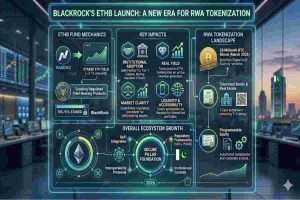
2026 marks the turning point where institutional capital moved from observation to execution. These resources break down the infrastructure now supporting trillions in on-chain liquidity.
BlackRock’s ETHB Launch: The Institutional Ethereum Blueprint
An in-depth analysis of the first staking-enabled ETF and how it redefines the “Real Yield” narrative for Ethereum.
RWA Tokenization 2026: The Ultimate Real-World Asset Guide
Your core framework for understanding how private credit, treasuries, and equities are migrating on-chain.
Tokenized Impact Bonds: ESG & Sustainable Digital Finance
How blockchain transparency is eliminating greenwashing through verifiable ESG reporting.
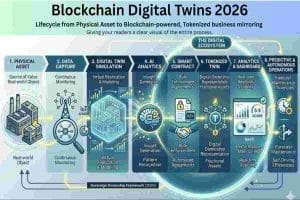
Tokenization is only as reliable as the data it represents. This module explores how blockchain-based digital twins ensure that on-chain assets accurately reflect real-world conditions.
Blockchain Digital Twins: High-Value Web3 Use Cases
From supply chains to luxury assets, explore how authenticity and state are verified in real time.
The Blockchain Digital Twin Lifecycle Framework
A technical deep dive into managing assets from physical creation to final on-chain settlement.
Next Step: Learn how tokenized assets unlock liquidity and yield strategies.
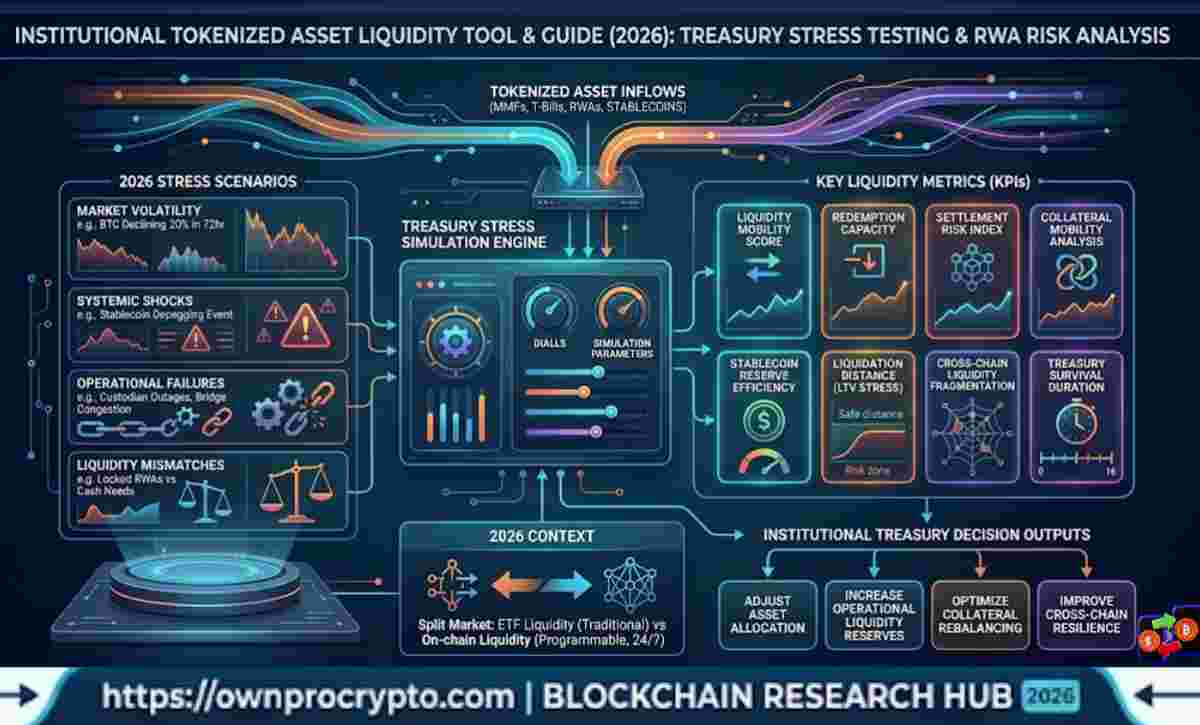
In 2026, a token is no longer just an asset—it is programmable collateral.
RWA as DeFi Collateral: Unlocking $100B in Liquidity
Discover how tokenized assets are being used to unlock new layers of capital efficiency across DeFi.
On-Chain Compliance: Navigating the 2026 Regulatory Landscape
Understand how compliance frameworks are embedded directly into digital assets.
Next Step: Explore how this system scales into full institutional adoption and long-term capital deployment.
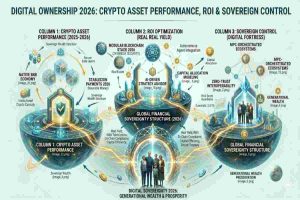
The transition to tokenized finance is not without risk.
Our analysis of early RWA markets shows:
The winning model in 2026 is clear: Compliance-by-Design + Real Yield + Verifiable Assets
Deep Dive: Institutional Trust Source: OECD: Tokenisation of Real-World Assets
What is RWA tokenization?
RWA (Real-World Asset) tokenization is the process of converting physical or traditional financial assets into blockchain-based tokens that can be traded, managed, and used as collateral. For a complete breakdown, see RWA Tokenization Guide 2026.
What is BlackRock’s ETHB and why does it matter?
ETHB is a staking-enabled Ethereum investment product that provides both price exposure and yield, marking a major shift toward institutional participation in on-chain finance. Learn more in BlackRock’s ETHB Launch 2026.
What is On-Chain Institutional Yield?
It refers to returns generated directly on blockchain networks—such as staking rewards or tokenized credit yields—accessible within regulated financial structures. This is closely tied to the evolution of Real Yield vs Token Incentives 2026.
How does tokenization improve capital efficiency?
Tokenization enables near-instant settlement (T+0), reducing idle capital and allowing assets to be reused or redeployed immediately. This efficiency is a core benefit explained in RWA Tokenization 2026.
What types of assets can be tokenized?
Real estate, government bonds, private credit, commodities, equities, and even revenue streams can be tokenized. These use cases are explored in Blockchain Digital Twins 2026.
What is “Real Yield” in Web3?
Real Yield refers to sustainable returns generated from actual economic activity (e.g., lending, staking), rather than inflationary token emissions. Learn the difference in Real Yield vs Token Incentives 2026.
What is On-Chain Compliance?
A system where regulatory rules and permissions are embedded directly into tokens, ensuring automated compliance across jurisdictions. This trend is part of the broader shift discussed in [Crypto Market Compliance 2026](https://ownprocrypto.com/Crypto Market Compliance 2026: Navigating the Institutional Mandate/).
How do digital twins support tokenization?
Digital twins create a real-time connection between physical assets and their on-chain representation, ensuring accuracy, transparency, and trust. See Blockchain Digital Twin Lifecycle 2026 for a deeper framework.
What are the risks of RWA tokenization?
These risks are addressed within broader frameworks like Digital Asset Risk Management 2026.
Why is 2026 considered a turning point for adoption?
Because institutional players have entered the market with regulated products, shifting the focus from speculation to yield-generating, compliant financial systems. This shift is highlighted in Institutional Crypto Settlement 2026.
Welcome to OwnProCrypto (Own & Pro Crypto) — a next-generation Bitcoin and blockchain education platform where the science of finance meets the power of AI-driven automation.
Our mission is simple: to equip you with the knowledge, frameworks, and tools needed to make smarter financial and business decisions in the Web3 economy.
Beyond analysis, OwnProCrypto focuses on transparency, verifiable data, and practical frameworks that investors and builders can actually use. Our goal is not hype — but clear thinking, disciplined analysis, and long-term value creation in the decentralized economy.
Our Background: Salim (Sam) is the founder and lead researcher behind OwnProCrypto, a Web3 intelligence platform focused on crypto security, digital ownership, stablecoin systems, interoperability, and institutional blockchain infrastructure.
Crypto Tools & Analysis:
Crypto Fundamental Analysis Tool | Protocol Evaluation System | DeFi Risk Analysis Tools | Crypto Portfolio Dashboard | Token Risk vs Reward Tool
Guides:
Crypto Fundamental Analysis | Blockchain Project Evaluation | Tokenomics Analysis | DeFi Protocol Analysis | Capital Efficiency
© 2026 OwnProCrypto — Built for smarter crypto decisions