Table of Contents
ToggleFinancial Sovereignty is becoming one of the most critical concepts in modern wealth management.
For decades, individuals and institutions assumed:
That assumption is breaking.
In 2026, rising geopolitical tensions, monetary policy shifts, and regulatory changes are redefining how wealth is controlled, accessed, and preserved. Protecting capital against global risk is a primary objective of the Stablecoin Payments 2026: Why USDT & USDC Dominate strategy. Monitor global capital controls via the International Monetary Fund (IMF).
Recent global signals:
The shift is clear:
ownership of assets ≠ control over assets

Financial sovereignty refers to the ability to control, access, and transfer wealth without external restrictions.
True ownership means having unrestricted control over your assets across jurisdictions.
Because modern systems can:
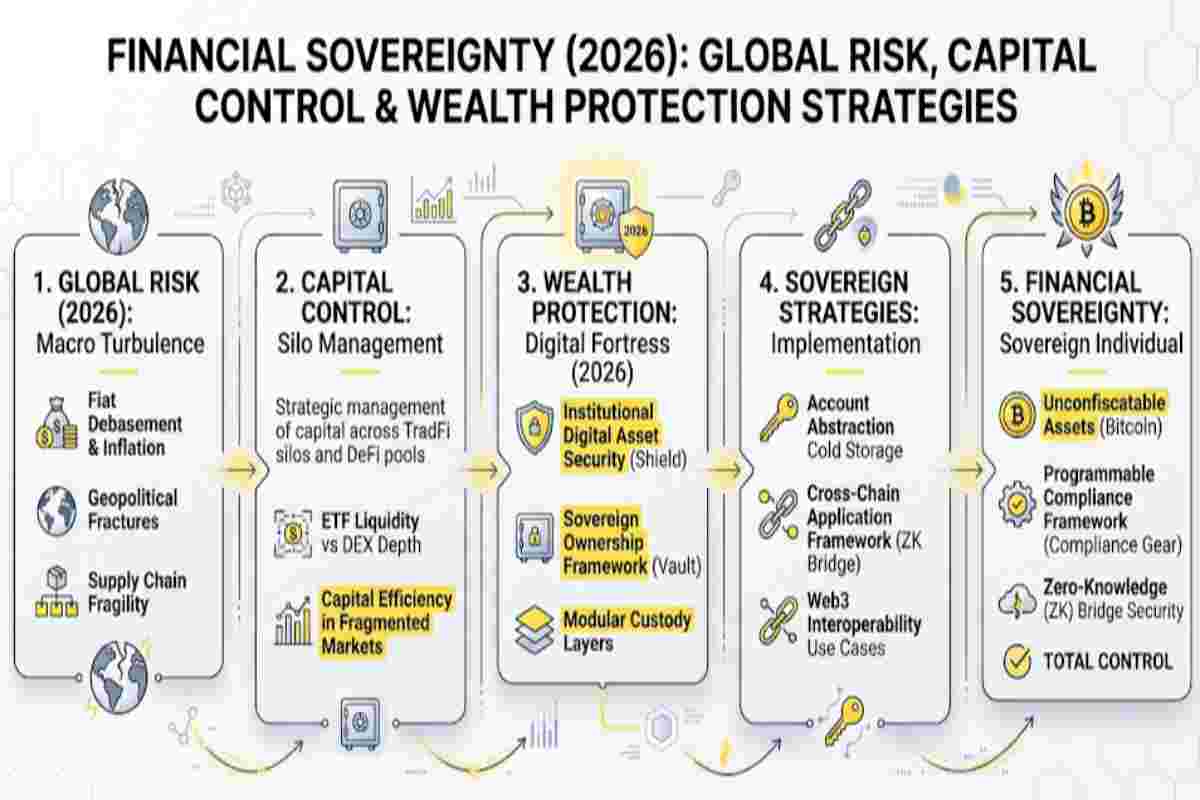
Global financial risk is no longer limited to markets — it includes system-level threats.
| Risk Type | Description |
|---|---|
| Currency Risk | Devaluation and inflation |
| Political Risk | Policy changes, sanctions |
| Systemic Risk | Financial system instability |
| Regulatory Risk | Capital restrictions |
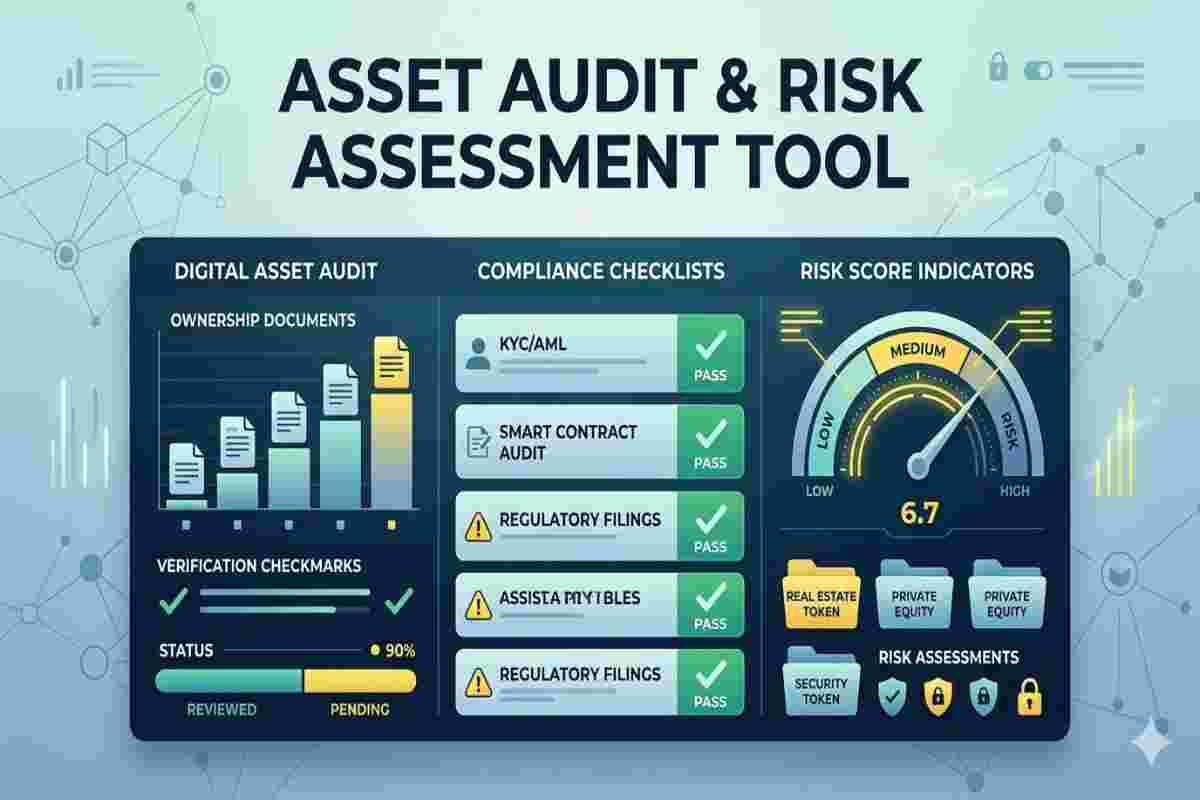
Capital controls are one of the biggest threats to financial sovereignty.
Government-imposed restrictions on:
To maintain financial sovereignty, strategies must be multi-layered.
| Strategy | Purpose |
|---|---|
| Diversification | Reduce concentration risk |
| Multi-jurisdiction | Avoid single-country exposure |
| Asset Allocation | Balance risk and return |
| Legal Structures | Protect ownership |
Digital assets introduce a new dimension.
Digital assets shift:
control from institutions → individuals
Even sovereignty-focused strategies carry risks.
Financial sovereignty is not separate — it integrates with:
| Layer | Role |
|---|---|
| Strategy | Allocation decisions |
| Governance | Control systems |
| Infrastructure | Execution layer |
Internal links:

Financial sovereignty will evolve through:
Wealth systems are moving toward:
independent, resilient, and borderless structures
Financial sovereignty is becoming a core priority as global systems grow more complex, restrictive, and interconnected.
most people still don’t see this part →
Financial Sovereignty (2026)
What is financial sovereignty?
It is the ability to control, access, and transfer your wealth without reliance on external institutions or restrictions.
this is where it starts getting interesting →
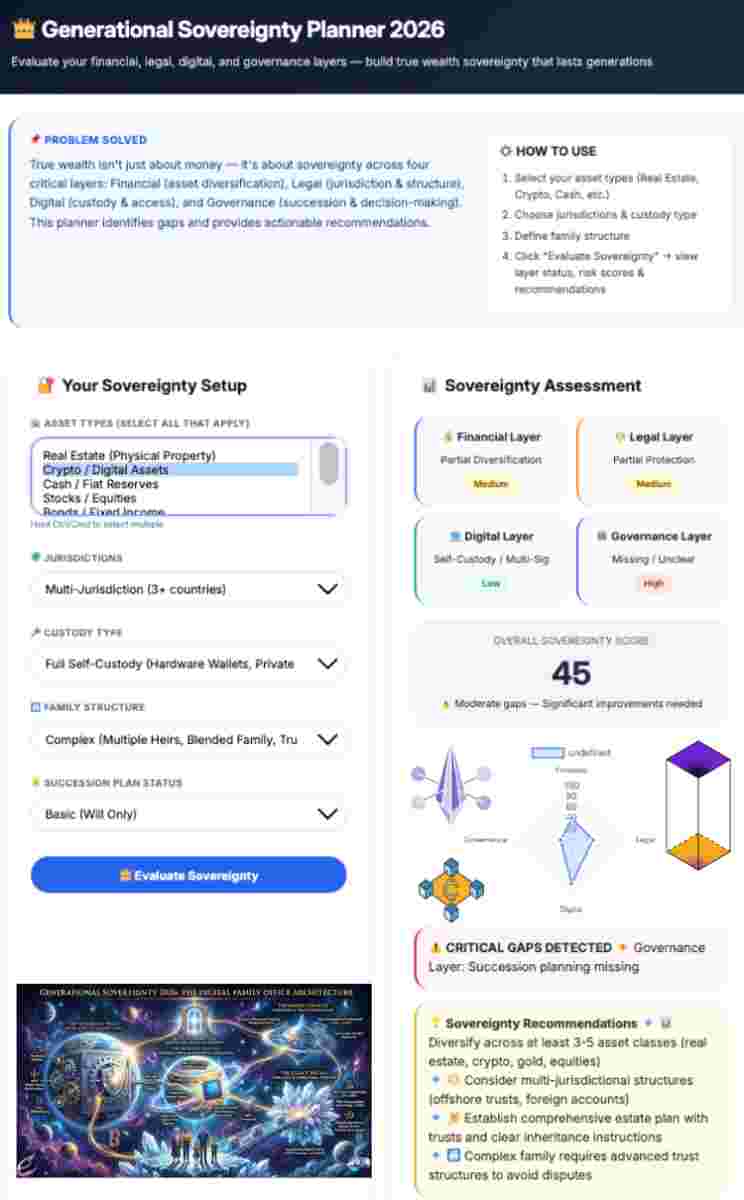
Generational Sovereignty 2026
Why is financial sovereignty important?
Traditional financial systems can impose limits on access, ownership, and capital movement, making independent control critical.
the obvious narrative is wrong →
Web3 vs Web2
Is financial sovereignty fully achievable?
It can be significantly improved through strategy and tools, but complete independence from all systems is difficult.
look closer →
Digital Ownership
What are the major global financial risks in 2026?
Key risks include currency devaluation, inflation, capital controls, geopolitical instability, and regulatory shifts.
this doesn’t match the headlines →
Global Asset Decoupling
What are capital controls?
Capital controls are government-imposed restrictions on moving money or assets across borders.
don’t ignore this →
Stablecoin Regulations
What risks threaten financial sovereignty?
Regulatory pressure, centralized control systems, cybersecurity threats, and over-reliance on intermediaries.
been tracking this quietly →
Top Blockchain Mistakes
How can wealth be protected globally?
Through diversification across asset classes, jurisdictions, and secure storage systems.
small detail, big shift →
Family Office Investment Strategy
Do digital assets improve financial sovereignty?
Yes, digital assets enable self-custody, borderless transfers, and reduced reliance on centralized institutions.
this part →
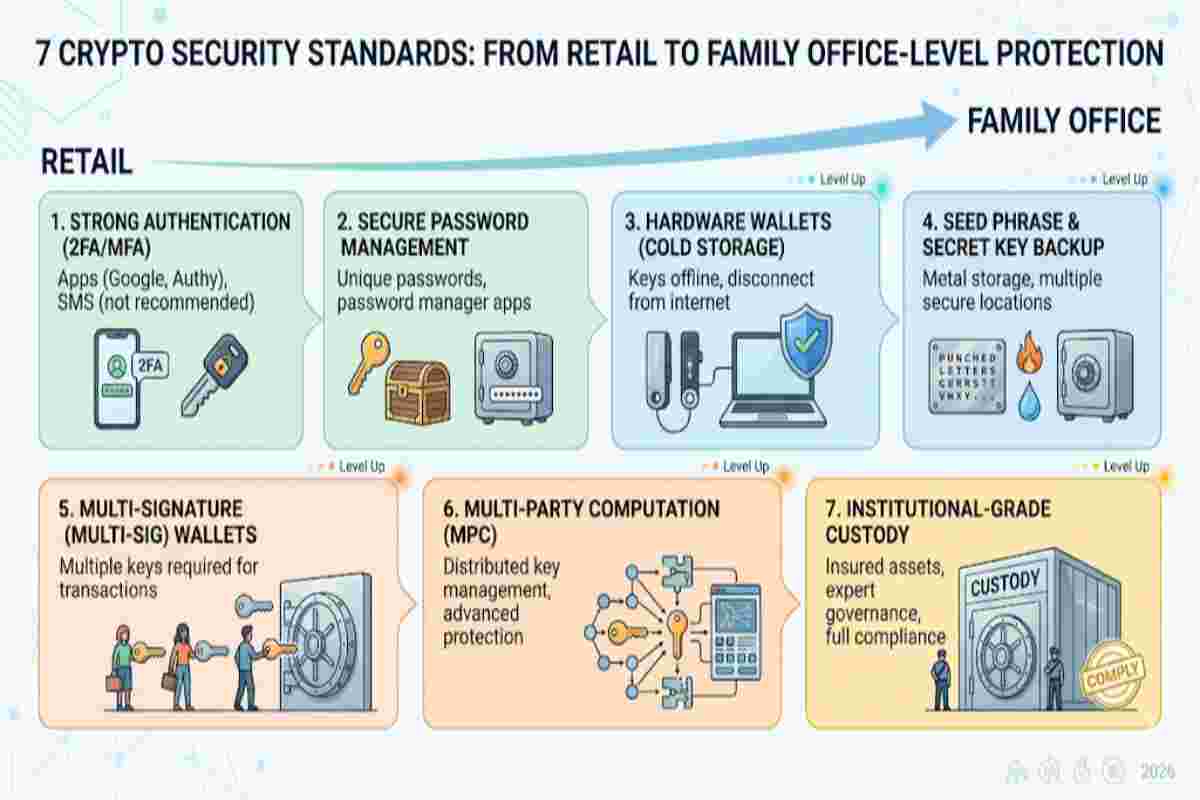
Crypto Security Standards
How do family offices manage global financial risk?
They use diversification, multi-jurisdiction strategies, and structured governance to reduce exposure.
not everyone’s ready for this yet →
Digital Family Office Architecture
What role will technology play in financial sovereignty?
Technology enables automation, transparency, and decentralized control over assets and financial systems.
weird signal forming here →
AI in Crypto Systems
Will financial systems become more restrictive or open?
A hybrid model is emerging, combining regulatory oversight with decentralized financial tools.
it’s subtle, but it matters →
Neo-Banking & Sovereign Finance
What is the future of financial sovereignty?
The future lies in globally integrated, technology-driven systems that balance control, compliance, and accessibility.
before this flips →
Web4 Trends 2026
Financial sovereignty is not about avoiding systems — it is about understanding and structuring within them.
Those who prioritize:
will be better positioned in an increasingly uncertain global environment.
Modern wealth preservation requires a proactive stance on transparency. Integrating the OECD’s transparency protocols into your family governance ensures that your digital assets remain compliant as they transition to the next generation.
Welcome to OwnProCrypto (Own & Pro Crypto) — a next-generation Bitcoin and blockchain education platform where the science of finance meets the power of AI-driven automation.
Our mission is simple: to equip you with the knowledge, frameworks, and tools needed to make smarter financial and business decisions in the Web3 economy.
Beyond analysis, OwnProCrypto focuses on transparency, verifiable data, and practical frameworks that investors and builders can actually use. Our goal is not hype — but clear thinking, disciplined analysis, and long-term value creation in the decentralized economy.
Our Background
As part of the Web3 Ecosystem Architecture pillar, this guide focuses on Sovereign Ownership Architecture in Web3. Explore related pillars: