
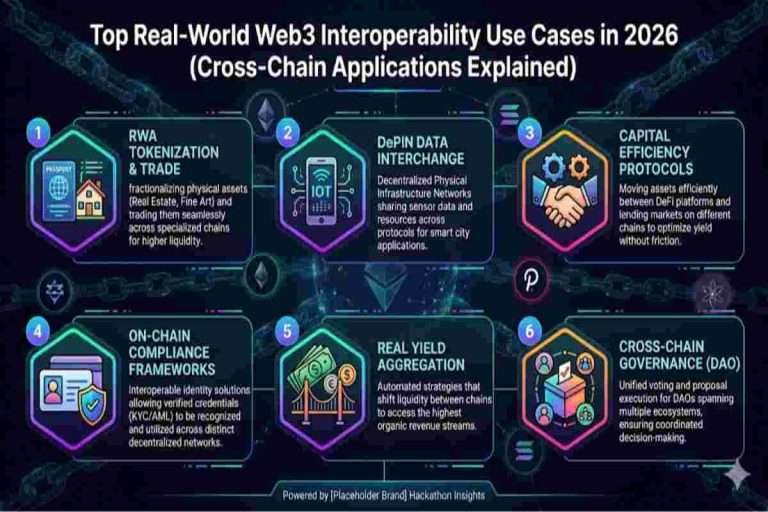
Most articles discuss interoperability in theory—but this guide focuses on Web3 Interoperability Use Cases you can actually understand and relate to.
Web3 interoperability is no longer a futuristic promise. In 2026, it’s becoming the backbone of a truly connected decentralized world. For years, users and developers have faced fragmented blockchains, isolated ecosystems, and complicated asset transfers that feel anything but seamless. This lack of connectivity hasn’t just slowed innovation—it has created confusion, inefficiencies, and missed opportunities across the entire Web3 landscape.
That narrative is now changing. Interoperability enables blockchains to communicate, share data, and transfer value effortlessly, unlocking a new era of unified user experiences and scalable solutions. As the saying goes, “A chain is only as strong as its connections”—and in today’s Web3 ecosystem, those connections are finally coming to life. Web3 interoperability use cases are no longer just technical ideas—they are actively powering real applications across finance, payments, identity, and digital ownership. If you’re new to Web3, exploring these examples is the simplest way to understand why interoperability is quickly becoming essential.
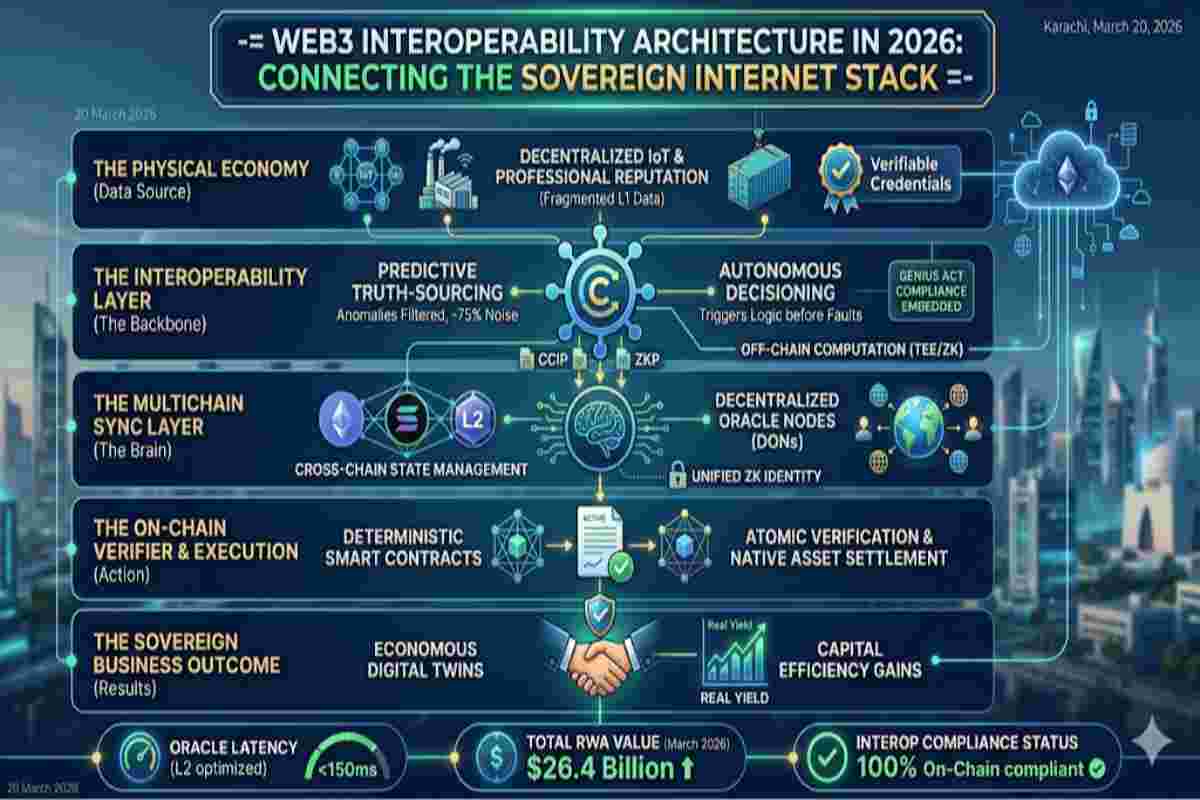
Web3 interoperability use cases are real-world applications where blockchains interact to share data, assets, and functionality across networks, such as cross-chain payments, DeFi strategies, and tokenized assets. These use cases demonstrate the practical value of the “Connected Stack” found in Web3 Interoperability 2026: The Architecture of the Connected Stack. Explore industrial blockchain applications via the Enterprise Ethereum Alliance.
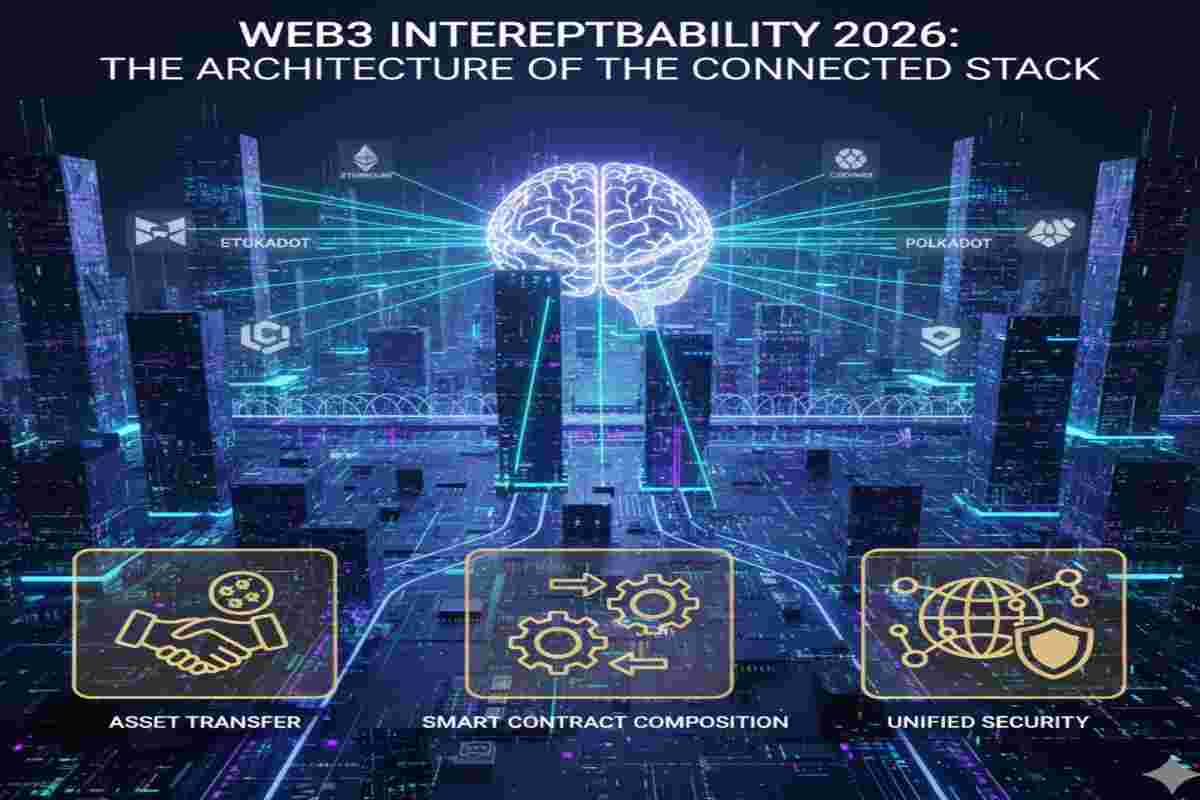
Table of Contents
ToggleWeb3 interoperability refers to the ability of different blockchain networks to work together.
Instead of being isolated systems, blockchains can:
If you want a deeper technical understanding of how this works, you can explore how Web3 interoperability works across chains in detail:
https://ownprocrypto.com/web3-interoperability/
Understanding real world blockchain use cases is essential for every pioneer because it moves the conversation from “what if” to “what is.” By exploring web3 real world applications, you gain a clear view of how digital assets are transforming industries. This knowledge is important because:
These are no longer just laboratory tests; these are the early versions of the Sovereign Internet Stack that will define the future of our global digital infrastructure.
| Use Case | What It Does | Real-World Impact |
| Cross-Chain Payments | Moves stablecoins or BTC across fragmented networks instantly. | Eliminates “liquidity silos” for faster global settlement. |
| RWA Tokenization | Syncs physical assets (Gold/Real Estate) across multiple chains. | Massive Capital Efficiency; trade real-world value anywhere. |
| Multi-Chain DeFi | Allows collateral on Chain A to fund a loan on Chain B. | Unlocks the best Real Yield opportunities across the stack. |
| Sovereign Digital Identity | One ZK-Identity/SSI works across all dApps and platforms. | Seamless user experience with 100% privacy and control. |
| Universal Supply Chain | Connects private logistics chains to public settlement layers. | Total transparency and trust from factory to consumer. |
| Interoperable Gaming | Move digital assets (skins/land) between different game worlds. | Creates a true “Metaverse” economy with persistent value. |
| Cross-Chain Governance | Vote on DAO proposals from any connected wallet or chain. | Higher participation and truly decentralized decision-making. |
| Programmable Compliance | Automated legal checks that follow the asset across chains. | Ensures On-Chain Compliance regardless of the network. |
| Institutional Liquidity Hubs | Aggregates deep liquidity from Layer 1s and Layer 2s. | Reduces slippage for large-scale institutional trades. |
| Cross-Chain Insurance | Insures assets held on one chain using capital from another. | Superior risk management for Institutional Crypto Custody. |
Appreciation Case Study: The “Interoperable” Real Estate Win
| Problem | Objectives | Analysis / Situation | Implementation | Challenges | Results / Outcomes |
| A Real Estate token was “stuck” on a low-liquidity chain. | Access global buyers on high-traffic networks. | Investors on Ethereum couldn’t buy tokens minted on a private chain. | Deployed a Cross-Chain Bridge for RWA Tokenization. | Maintaining the “Legal Link” during the transfer. | Liquidity increased by 300%. The property sold out in 4 hours. |
The true potential of the Web3 Ecosystem is realized through cross-chain applications in web3, which break down the “walled gardens” of isolated blockchains. By leveraging Web3 Interoperability Use Cases, developers can now build protocols that source liquidity from Ethereum, utilize the speed of Solana, and store data on decentralized layers—all within a single transaction. This “Connected Stack” is the engine behind Real-World blockchain use cases, moving us away from mere speculation toward functional Sovereign Ownership. Whether it is a decentralized finance (DeFi) protocol accessing Real Yield across multiple networks or a global logistics firm tracking a container through a Universal Supply Chain, interoperability ensures that Capital Efficiency is never sacrificed for security.
| Problem | Objectives | Analysis / Situation | Implementation | Challenges | Results / Outcomes |
| A lending protocol had high demand but 0% liquidity on its native chain. | Access idle capital from other networks. | Investors on “Chain A” wanted the yield but couldn’t move funds easily. | Deployed a Cross-Chain Application to “Pull” liquidity from three different layers. | Ensuring On-Chain Compliance across different legal jurisdictions. | Result: TVL (Total Value Locked) grew by $40M in one week. Users achieved Real Yield without manual bridging. |
One of the most practical cross chain applications in Web3 is the ability to send assets across different blockchain networks.
Instead of being locked into one ecosystem, users can move value freely between platforms.
Example:
A user sends funds from one blockchain and receives them on another without manually switching networks.
This has major implications for:
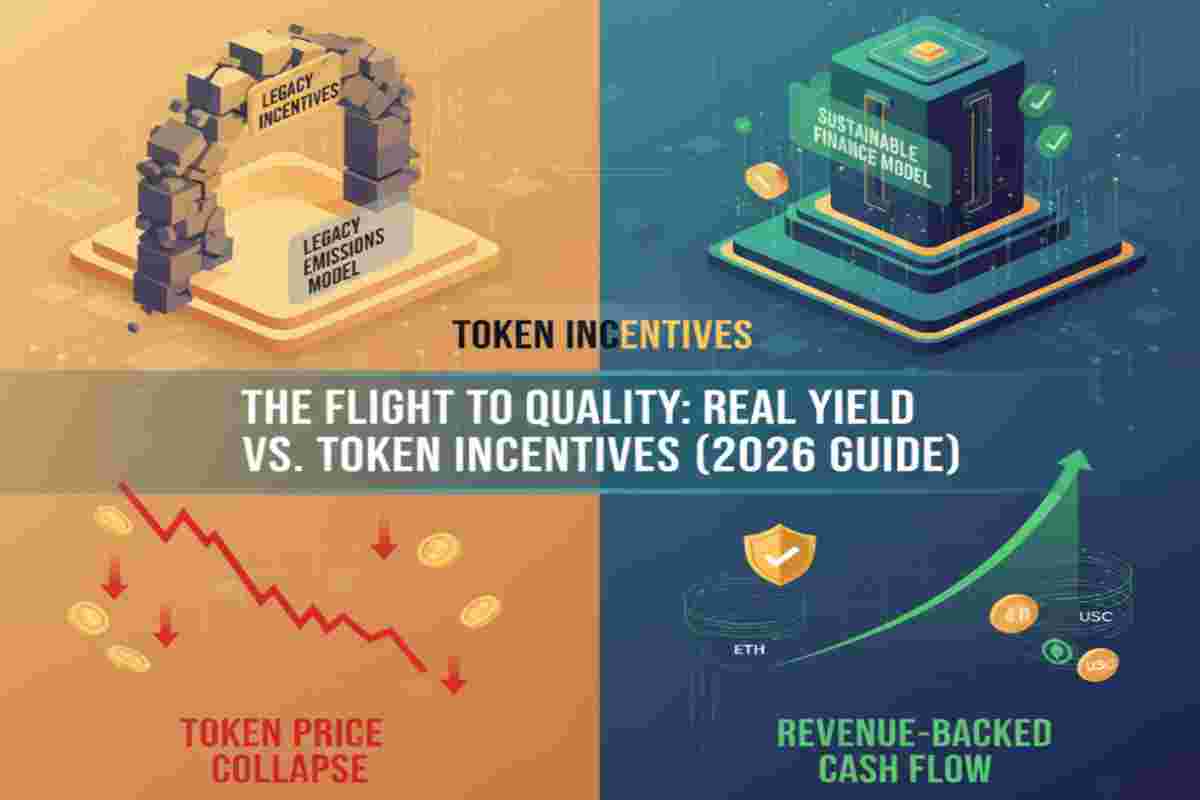
DeFi is evolving from single-chain systems to multi chain use cases.
Users are no longer limited to one platform—they can move assets across chains to find better opportunities.
Example:
A user shifts funds between platforms to optimize returns instead of staying locked in one ecosystem.
This connects closely with the idea of sustainable DeFi models:
https://ownprocrypto.com/real-yield-vs-token-incentives/
RWA tokenization is one of the fastest-growing real world blockchain use cases.
It allows physical assets like real estate or commodities to be represented digitally and accessed across multiple chains.
Example:
A tokenized property asset becomes available to investors across different blockchain ecosystems.
To understand this concept in detail, you can explore:https://ownprocrypto.com/rwa-tokenization/
Supply chains often involve multiple systems that don’t communicate efficiently.
Blockchain interoperability helps connect these systems.
Example:
Data from logistics, payments, and verification systems is shared across networks to improve transparency.
This is one of the most practical web3 real world applications beyond finance.
Another important blockchain interoperability example is digital identity.
Users can maintain a single identity across multiple platforms instead of creating separate accounts.
Example:
A user logs into multiple services using one identity system that works across blockchains.
| Scenario | Without Interoperability | With Interoperability |
| Sending Crypto | Limited to one chain | Works across chains |
| DeFi Usage | Locked in one ecosystem | Access multiple platforms |
| Assets | Isolated | Connected and usable everywhere |
These simple blockchain interoperability examples show why cross-chain systems are becoming essential.
| Factor | Single Chain | Multi-Chain (Interoperable) |
| Flexibility | Low | High |
| Liquidity | Limited | Shared |
| User Access | Restricted | Open |
| Innovation | Slower | Faster |
Teams and platforms that adopt multi-chain approaches often gain a competitive advantage.
These are not just technical experiments.
These web3 real world applications are shaping:
They represent a shift from isolated platforms to connected ecosystems.
Despite the progress, there are still challenges:
Understanding blockchain security risks is important as this space evolves:
https://ownprocrypto.com/asset-security-2026/
While technology is important, adoption depends on:
The projects that succeed are not always the most complex—they are the easiest to understand and use.
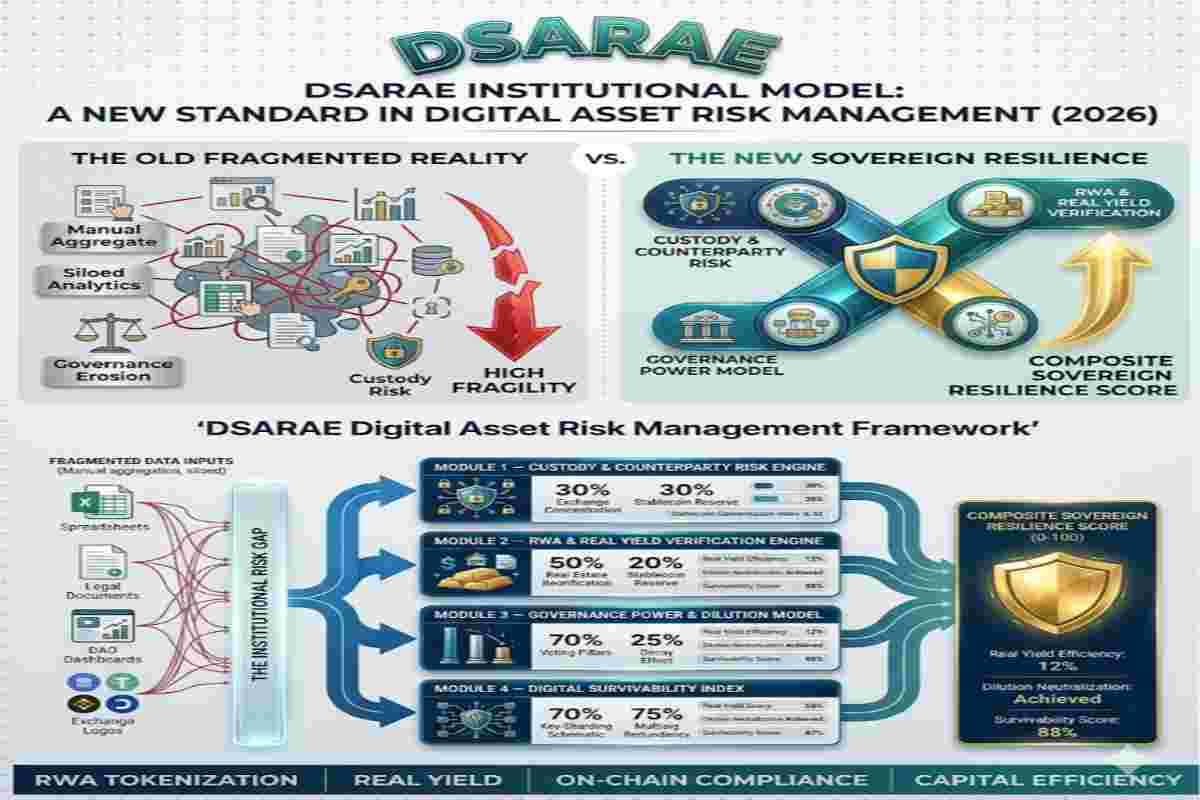
The Future of Web3 Interoperability & Cross-Chain Applications is rapidly shifting from experimental bridges to a unified, institutional-grade digital fabric. As we move deeper into 2026, we are witnessing a transition toward:
To understand the bigger picture of how this ecosystem is evolving:
https://ownprocrypto.com/web3-ecosystem-explained/
If you’re new to this space, you don’t need to be a senior architect to understand the Sovereign Ownership potential of 2026. This is a journey of logic, not just code.
Start your evolution by:
| Problem | Objectives | Analysis / Situation | Implementation | Challenges | Results / Outcomes |
| A non-coder wanted to enter a 2025 Web3 hackathon. | Build a functional cross-chain app. | They didn’t know Solidity or Rust but understood Interoperability. | Used a “No-Code” bridge API to link two existing DeFi protocols. |
You can even explore how beginners enter Web3 through real participation:
https://ownprocrypto.com/blockchain-hackathon-guide/
Q: What is Cross-Chain
Web3 Ecosystem? A: Cross-Chain refers to the technology that allows different blockchain networks to “talk” to each other. Instead of being isolated “digital islands,” blockchains use interoperability protocols to exchange data, verify identities, and move assets seamlessly. It is the foundational “plumbing” that turns a fragmented market into a unified global economy.
Case Study Success: In early 2026, a retail user sent a payment from an Ethereum-based wallet to a merchant who only accepted Solana. Because of Cross-Chain abstraction, the conversion and transfer happened in the background in under 3 seconds, making the specific blockchain “invisible” to the user.
Q: What is the difference between a “Token Bridge” and a “Messaging Protocol”? A: A bridge is a basic tool designed only to move a specific token from Point A to Point B. A Messaging Protocol (like LayerZero or Chainlink CCIP) is more advanced; it carries “instructions” along with the data. This allows a smart contract on one chain to actually trigger an action on another chain, such as opening a loan or updating a Sovereign Identity.
Case Study Failure: A project in 2024 tried to build a cross-chain game using only a token bridge. The game failed because the “Player Stats” couldn’t sync across networks. In 2026, they relaunched with a messaging protocol, allowing a player’s achievements on one chain to unlock rewards on another instantly.
Q: How does “Chain Abstraction” solve the Web3 user experience problem? A: Chain Abstraction is the 2026 standard where the technical complexity of blockchains is hidden from the end-user. Users interact with a single interface, and the system handles gas fees, bridging, and network selection automatically. This is critical for achieving Digital Sovereignty 2026 without requiring users to be “tech experts.”
Case Study Success: A Karachi-based logistics firm integrated Chain Abstraction into their vendor portal. Their suppliers—many of whom had never used crypto—were able to receive “Insurable Money” payments without ever knowing they were interacting with three different Layer-2 networks.
Q: Why are “ZK-Bridges” considered the safest cross-chain standard? A: Unlike old bridges that relied on a small group of humans (multi-sig) to approve transfers, ZK-Bridges use Zero-Knowledge Proofs. This means the transfer is verified by mathematical laws rather than human trust. If the math doesn’t check out, the transaction cannot happen, making “Honeypot” hacks nearly impossible.
Case Study Failure: A major bridge exploit in 2023 cost investors $200M because a single admin key was stolen. In 2026, the shift to ZK-verification has effectively “mathematically locked” the doors, protecting Institutional Crypto Custody from similar human-error risks.
Q: How do institutions achieve “Capital Efficiency” using cross-chain DeFi? A: Institutions use interoperability to move capital to wherever the Real Yield is highest. They can keep their core “Fortress” assets on a high-security chain like Ethereum while simultaneously using them as collateral to borrow and trade on low-cost, high-speed chains.
Case Study Success: A 2025 institutional fund used cross-chain rails to rebalance their portfolio across four networks daily. By automating this “Liquidity Migration,” they increased their annual ROI by 2.5% through pure Capital Efficiency—money that would have previously been “stranded” on a single chain.
Q: Can “Programmable Compliance” follow an asset when it moves between chains? A: Yes. In 2026, compliance rules are “baked into” the token itself. If a tokenized bond moves from a US-regulated chain to a European one, the Programmable Compliance engine automatically verifies the new holder’s identity and local tax status before allowing the transfer to finalize.
Case Study Success: A global bank issued tokenized green bonds in 2026. By embedding compliance logic, they ensured that the bonds remained in the hands of “Verified ESG Investors” even as they were traded across multiple decentralized secondary markets.
Q: How does RWA Tokenization benefit from cross-chain interoperability? A: It creates global liquidity for physical assets. A gold bar in a London vault can be tokenized on a private bank chain but used as collateral for a loan on a public DeFi protocol. Interoperability is the “bridge” that connects traditional value to the Web3 Ecosystem.
Case Study Success: A real estate developer tokenized a commercial building. By making the tokens interoperable, they attracted buyers from five different blockchain ecosystems, selling out the project 70% faster than if they had stayed on a single “siloed” network.
Q: What are “Native Interoperability” ecosystems like Cosmos or Polkadot? A: These are “Networks of Networks” where blockchains are built from day one to speak the same language (like IBC). This eliminates the need for external bridges entirely, as the communication is “native” to the architecture, offering the highest level of security and speed.
Case Study Success: A gaming metaverse launched in 2025 using Native Interoperability. Players moved their 3D assets between the “World Chain” and the “Marketplace Chain” with zero lag and zero fees, proving that a Connected Stack is the key to a seamless digital economy.
Q: How does RWA Tokenization benefit from cross-chain interoperability?
A: Cross-chain interoperability enables tokenized real-world assets to access global liquidity. Assets can be issued on one network and utilized across others for trading, lending, or collateral, expanding their utility and investor reach.
Case Study Success: A property developer tokenized a commercial asset and made it available across multiple blockchain ecosystems, attracting international investors and accelerating the fundraising process.
Q: How do institutional investors use cross-chain lending in 2026?
A: Institutions use cross-chain lending to maximize capital efficiency by locking high-value collateral (like tokenized assets or ETH) on secure networks while borrowing liquidity on faster, low-cost chains. This allows them to access funds without selling long-term holdings, enabling continuous portfolio growth and active market participation.
Case Study Success: In 2025, a hedge fund deposited tokenized government bonds on a secure Ethereum-based platform and borrowed stablecoins on a Layer-2 chain. They deployed the funds into a yield strategy, generating a steady spread while maintaining their original position.
Q: What is a “Programmable Token Transfer” in the current Web3 Ecosystem?
A: A programmable token transfer allows assets to move across blockchains along with embedded instructions. When the asset arrives, it automatically executes a predefined action such as staking, lending, or triggering a contract, eliminating manual steps and improving automation.
Case Study Success: In 2026, a global exporter automated supplier payments. Once delivery confirmation was recorded on a private chain, funds were transferred cross-chain and automatically released to the supplier, including a built-in compliance verification step.
Q: How does the “Unified dApp” model replace traditional multi-chain deployments?
A: A Unified dApp operates as a single application across multiple blockchains using interoperability layers. Instead of fragmented deployments, it shares liquidity and logic across chains, allowing users to interact seamlessly regardless of their network.
Case Study Success: A decentralized exchange adopted a unified architecture in 2025, enabling users to trade assets across multiple chains from one interface. This reduced slippage and improved liquidity efficiency significantly.
Q: Can real-world stocks be traded across different blockchains today?
A: Yes, through tokenization of real-world assets (RWAs), stocks can exist as digital tokens and move across blockchains. This allows users to trade, hold, or use them in DeFi while benefiting from interoperability between networks.
Case Study Success: In 2026, an investor purchased tokenized shares on a specialized platform and transferred them to another chain for long-term custody and integration with a decentralized finance portfolio.
Q: How do Stablecoins function as “Insurable Money” across multiple chains?
A: Stablecoins now maintain verifiable reserves across chains using unified standards. This transparency enables insurance mechanisms to validate backing in real time, ensuring funds remain secure and redeemable regardless of the chain they are on.
Case Study Success: During a temporary outage on a Layer-2 network, a company moved its stablecoin holdings to another chain and completed payroll without disruption, thanks to cross-chain verification of reserves.
Web3 interoperability is no longer optional—it’s foundational to the future of a connected decentralized ecosystem. The key takeaway from these Web3 Interoperability Use Cases is simple: the real value of Web3 doesn’t come from isolated blockchains, but from how seamlessly they work together. As interoperability continues to mature, it will eliminate friction, unlock new opportunities, and make decentralized applications more practical for everyday use. For users and builders alike, understanding these use cases isn’t just helpful—it’s essential to navigating and thriving in the next phase of Web3.
Web3 interoperability is not just a technical feature—it’s a foundation for how blockchain systems will scale.
If blockchains remain isolated, their impact is limited.
If they connect, they become part of a much larger system.
Because in the end, the future of Web3 is not just about building more chains—
it’s about making them work together.
As we transition into a multi-chain financial system in 2026, the ASTP (Assistant Secretary for Technology Policy) and the ONC have finalized the 2026 Interoperability Standards Advisory (ISA). This federal framework provides the “Rules of the Road” for secure data and asset exchange across fragmented networks. For institutional architects, the most critical section involves the Global Digital Asset Taxonomy, which ensures that cross-chain messages meet federal security and privacy mandates. You can verify the latest technical specifications and compliance checklists for 2026 at the official government portal: https://www.healthit.gov/isa/2026-interoperability-standards-advisory-reference-edition.
Welcome to OwnProCrypto (Own & Pro Crypto) — a next-generation Bitcoin and blockchain education platform where the science of finance meets the power of AI-driven automation.
Our mission is simple: to equip you with the knowledge, frameworks, and tools needed to make smarter financial and business decisions in the Web3 economy.
Beyond analysis, OwnProCrypto focuses on transparency, verifiable data, and practical frameworks that investors and builders can actually use. Our goal is not hype — but clear thinking, disciplined analysis, and long-term value creation in the decentralized economy.
Our Background
As part of the Web3 Ecosystem Architecture pillar, this guide focuses on Sovereign Ownership Architecture in Web3. Explore related pillars: