
Unify wallets · Automate allocation · Monitor risk · Earn yield
{
  "total_balance": 1000000,
  "risk_level": "medium",
  "liquidity_need": 0.4,
  "volatility": "medium",
  "allocation": {
    "liquidity": 400000,
    "yield": 300000,
    "reserve": 300000
  },
  "estimated_apy": "6.5%",
  "risk_score": "low"
}
Table of Contents
ToggleManaging money globally has always been complex—but managing digital dollars on-chain introduces an entirely new layer of challenges.
Companies today are holding stablecoins for payments, reserves, and global operations. But without proper systems, they face fragmented wallets, idle capital, and unmanaged risk.
Stablecoin treasury management solves this.
It brings structure to how digital assets are stored, allocated, and optimized—turning static balances into programmable financial systems.
Enter Stablecoin Treasury OS – a simulated treasury management platform that lets you practice institutional-grade capital allocation before implementing it with real funds.
Think of it as a flight simulator for corporate treasury. You learn to balance liquidity, deploy yield strategies, monitor risk, and automate decisions – all in a safe environment. This Article belongs to the Institutional Infrastructure Layer.
Stablecoin treasury management is the process of allocating, monitoring, and optimizing digital dollar reserves across three core functions:
Unlike traditional treasury systems, this operates in real time and can be automated using APIs and smart logic.

Most companies are not equipped to manage stablecoin capital effectively.
| Challenge | Impact |
|---|---|
| Fragmented wallets | No unified visibility |
| Idle funds | Lost yield opportunities |
| Manual processes | High risk of errors |
| No risk monitoring | Exposure to depeg or protocol failure |
Spreadsheets and manual tracking simply don’t scale in a 24/7 blockchain environment.
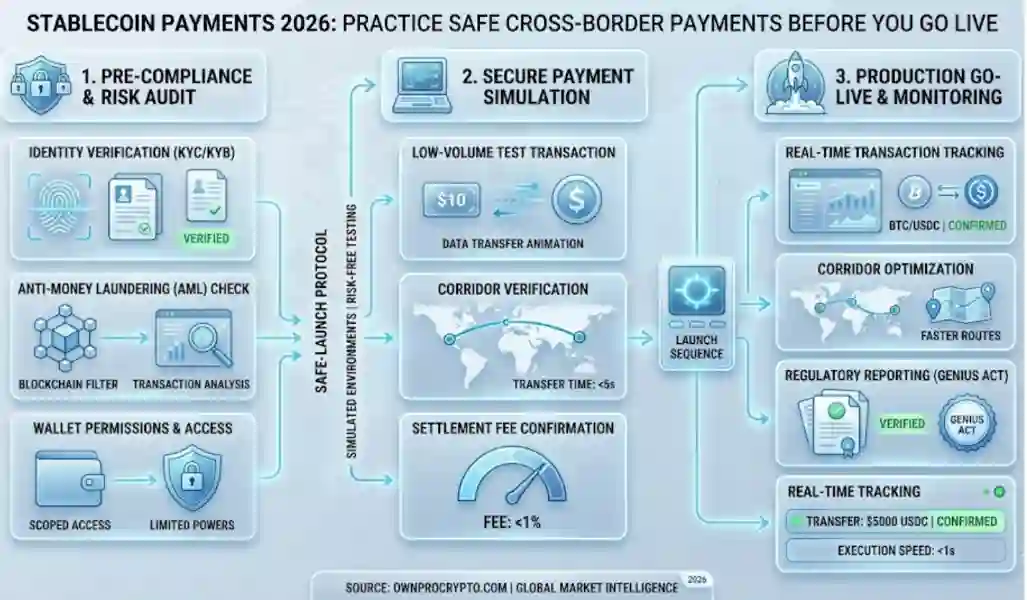
At the core of treasury management is allocation strategy.
| Allocation Type | Purpose |
|---|---|
| Liquidity | Immediate payments and operations |
| Yield | Earn returns via DeFi protocols |
| Reserve | Capital protection and stability |
| Risk Level | Liquidity | Yield | Reserve |
|---|---|---|---|
| Low Risk | 50% | 20% | 30% |
| Medium Risk | 40% | 30% | 30% |
| High Risk | 30% | 50% | 20% |
👉 The right strategy depends on business needs and market conditions.
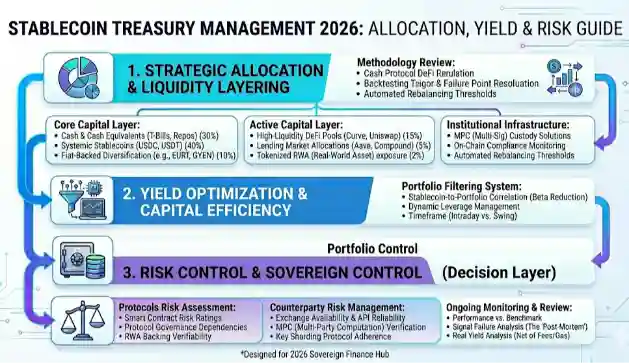
| Problem | How Treasury OS Fixes It |
|---|---|
| Fragmented wallets | Unified dashboard showing all balances |
| Idle stablecoins | Automatic yield allocation to DeFi protocols |
| Manual operations | One-click rebalancing based on risk rules |
| Depeg risk | Real-time risk engine with alerts |
| No visibility | Live charts + allocation trends |
The tool forces you to think like a treasury professional: How much liquidity do I need? What’s my risk tolerance? How do market conditions affect allocation?
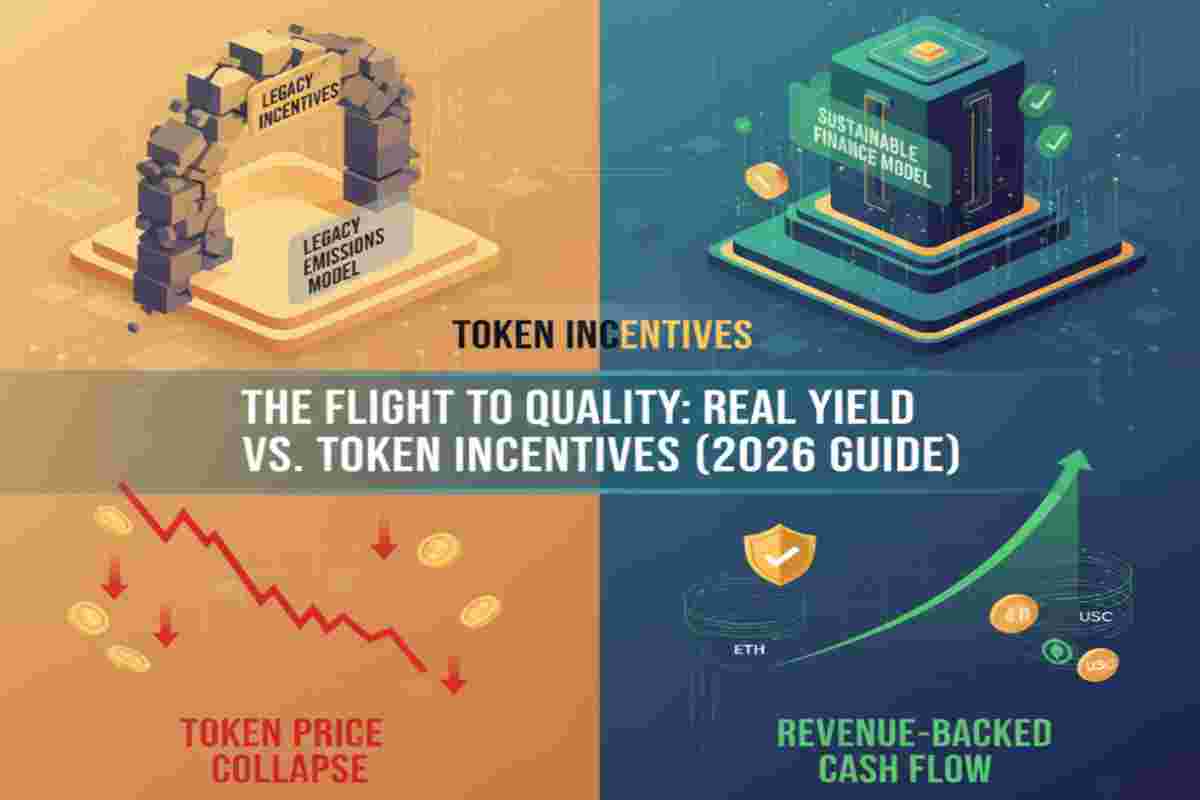
Stablecoins are not just for holding—they can generate income.
| Strategy | Risk | Return |
|---|---|---|
| Lending | Low–Medium | Stable |
| Liquidity pools | Medium | Higher |
| Advanced DeFi | High | Variable |
Yield is attractive—but always comes with trade-offs.
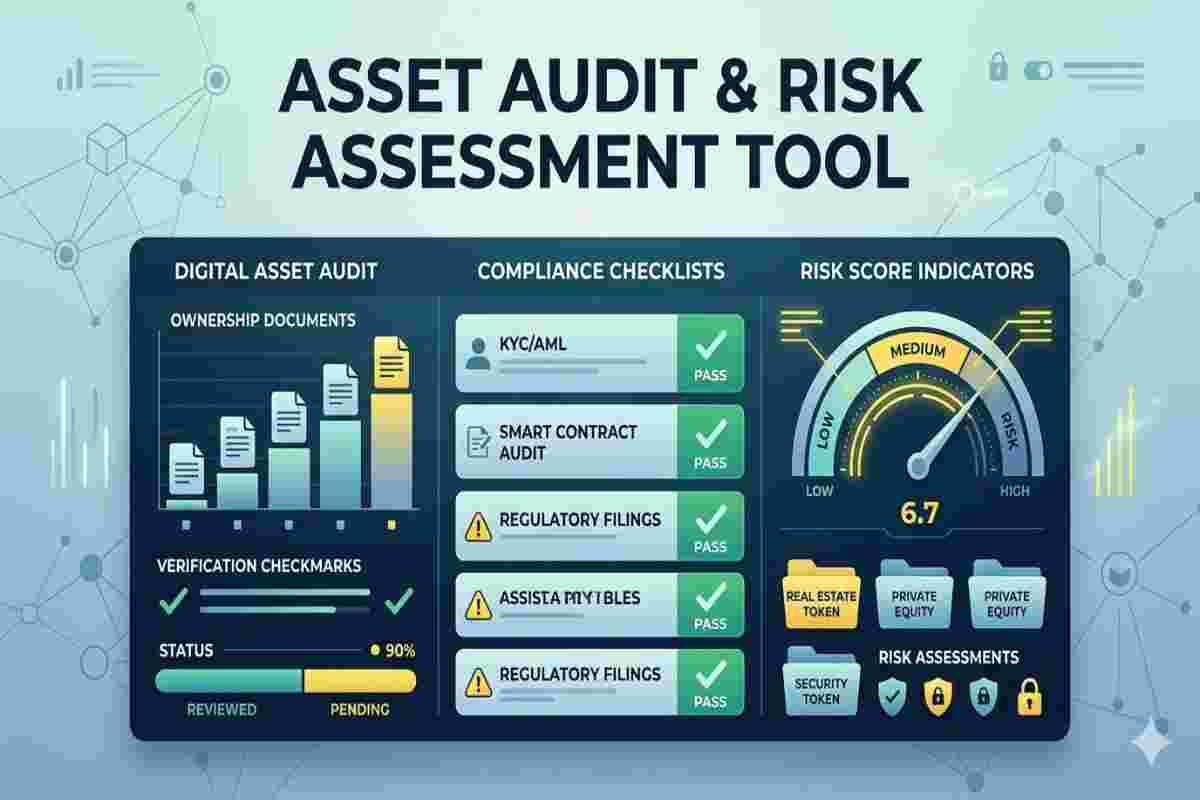
This is where most teams underestimate complexity.
Unlike traditional systems, these risks are real-time and irreversible.
Before allocating real funds, understanding strategy is critical.
Your Stablecoin Treasury OS provides a simulated environment where users can:
Think of it as a training ground for treasury decisions
Your platform acts as the decision engine for capital allocation.
Let’s simulate a real-world scenario:
| Category | Amount |
|---|---|
| Liquidity | $400,000 |
| Yield | $300,000 |
| Reserve | $300,000 |
| Metric | Value |
|---|---|
| Estimated APY | ~6.5% |
| Risk Score | Medium |
| Allocation Stability | Balanced |
In your UI, this should be:
Stablecoin treasury is not just for crypto-native teams.
Treasury is becoming programmable infrastructure.
This is the foundation of modern financial architecture
Lorem ipsum dolor sit amet, consectetur adipiscing elit. Ut elit tellus, luctus nec ullamcorper mattis, pulvinar dapibus leo.
Lorem ipsum dolor sit amet, consectetur adipiscing elit. Ut elit tellus, luctus nec ullamcorper mattis, pulvinar dapibus leo.

As part of the CONNECT pillar, this guide focuses on interoperability standards, cross-chain communication, and multi-network liquidity coordination.
This Article belongs to the Sovereign Finance layer. You may also explore:
– Stablecoin Payments 2026 Guide: Faster, Safer Cross-Border Transfers
– Stablecoins vs Bitcoin: The Best Crypto for Cross-Border Payments
– Stablecoins Are Now Insurable Money: OCC Move 2026
– Stablecoin Regulations & CBDC (2026): Digital Money Primer
Stablecoin treasury management unlocks powerful capabilities—but also introduces new risks.
Without structure, capital sits idle or becomes exposed.
With the right system:
Your Stablecoin Treasury OS bridges that gap.
Practice strategies. Understand allocation. Then deploy with confidence.
U.S. Treasury Digital Asset Report — Official insights into stablecoins, regulation, and the future of digital money. U.S. Treasury Digital Asset Report
As finance evolves, stablecoins are becoming the invisible rails moving money worldwide. The question is no longer whether stablecoin payments matter — but how quickly the rest of the system adapts.

What is stablecoin treasury management?
Stablecoin treasury management is the process of managing digital dollar assets by allocating funds across liquidity, yield-generating strategies, and reserves while controlling risk.
How is a stablecoin treasury different from traditional treasury?
Unlike traditional treasury systems, stablecoin treasury operates on blockchain networks, enabling real-time settlement, programmable allocation, and global access without banking intermediaries.
Do companies really use stablecoins for treasury?
Yes. Many startups and global companies are adopting stablecoins for treasury due to faster settlement, lower costs, and access to yield opportunities.
What is the best stablecoin allocation strategy?
A common approach is splitting funds into liquidity (for payments), yield (for returns), and reserves (for safety). The exact ratio depends on risk tolerance and business needs.
How much of a treasury should be allocated to yield?
Typically 20%–50% depending on risk level. Higher allocation increases returns but also exposes funds to protocol risks.
What is liquidity vs reserve in treasury management?
Liquidity is capital available for immediate use, while reserves are funds held for safety and protection against market volatility.
How do stablecoins generate yield?
Stablecoins generate yield through lending protocols, liquidity pools, and other DeFi strategies that pay interest on deposited assets.
What is a typical stablecoin yield in 2026?
Yields typically range from 3% to 8% annually depending on market conditions and risk exposure.
What are the risks in stablecoin treasury management?
Key risks include stablecoin depegging, smart contract vulnerabilities, liquidity shortages, and market volatility.
How can treasury risk be managed effectively?
By diversifying allocations, monitoring market conditions, and using automated risk engines to rebalance funds.
What is crypto treasury management?
Crypto treasury management is the process of managing digital assets—such as stablecoins and cryptocurrencies—by allocating funds across liquidity, yield strategies, and reserves while ensuring security and operational efficiency. It involves real-time monitoring, automated allocation, and the use of treasury software to optimize returns and maintain financial stability.
How does crypto treasury risk management work?
Crypto treasury risk management focuses on identifying and reducing risks such as stablecoin depegging, smart contract vulnerabilities, liquidity shortages, and market volatility. This is typically done through diversification, setting allocation limits, continuous monitoring, and automated rebalancing systems that adjust treasury positions based on market conditions.
What is stablecoin treasury software?
It is a platform that helps businesses manage, allocate, and monitor stablecoin funds using dashboards, automation, and APIs.
How does a treasury OS work?
A treasury OS uses a central engine to analyze balances, apply allocation strategies, monitor risk, and automate fund movements.
Can I test treasury strategies without real funds?
Yes. Simulation tools allow users to test allocation strategies and risk scenarios without deploying actual capital.
Why is simulation important for treasury management?
Because poor allocation decisions can lead to losses. Simulation helps users understand risk and optimize strategies safely.
Welcome to OwnProCrypto (Own & Pro Crypto) — a next-generation Bitcoin and blockchain education platform where the science of finance meets the power of AI-driven automation.
Our mission is simple: to equip you with the knowledge, frameworks, and tools needed to make smarter financial and business decisions in the Web3 economy.
Beyond analysis, OwnProCrypto focuses on transparency, verifiable data, and practical frameworks that investors and builders can actually use. Our goal is not hype — but clear thinking, disciplined analysis, and long-term value creation in the decentralized economy.
Our Background
Crypto Tools & Analysis:
Crypto Fundamental Analysis Tools | Protocol Evaluation System | DeFi Risk Analysis Tools | Crypto Portfolio Dashboard | Token Risk vs Reward Tool
Guides:
Crypto Fundamental Analysis | Blockchain Project Evaluation | Tokenomics Analysis | DeFi Protocol Analysis
© 2026 OwnProCrypto — Built for smarter crypto decisions