
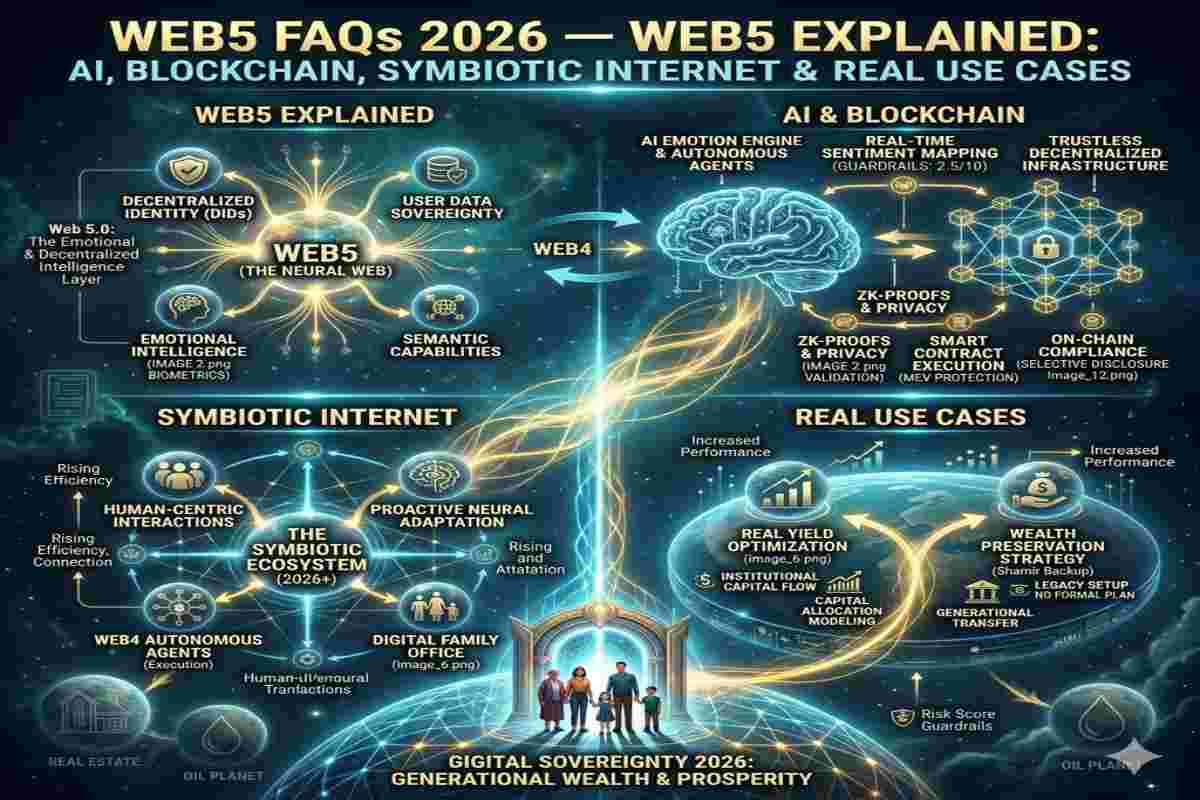
Welcome to your complete Web5 FAQs guide for 2026.
Table of Contents
ToggleIf you’ve been exploring Web 5.0 trends, AI evolution, or decentralized identity, you’ve likely come across the idea of an “emotional web.” Web5 represents exactly that—a shift from intelligent systems to human-aware, adaptive digital environments.
While Web4 introduced autonomous AI systems (explained in detail in Web4 Trends 2026: https://ownprocrypto.com/web4-trends/), Web5 pushes further by integrating emotion, behavior, and intent into the internet itself.
This FAQ-style guide answers the most important questions around:
Web5’s focus on decentralized identity is a core component of the systems we build in our Web3 Development Guide (2026). Learn about API-first design shifts at Crossover Resources.
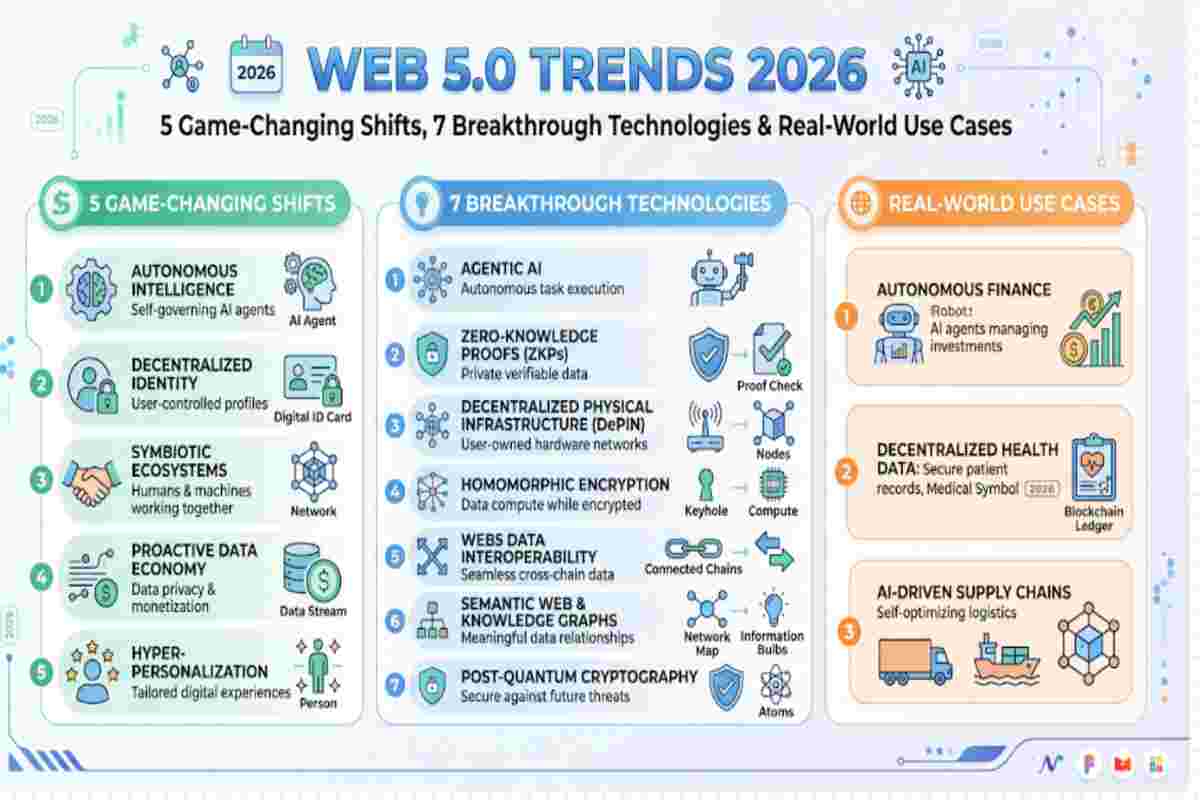
Web5 is the emerging vision of the decentralized internet that promises to give users full ownership of their data, identity, and online experiences, combining decentralization with advanced human‑centric interaction models. It was introduced publicly by the Bitcoin‑focused team TBD (a unit of Block, Inc.) to address limitations in current Web3 visions and put users — not corporations or intermediaries — in control.
In simple terms, Web5 is designed to deliver an internet where:
This future internet matters because it fundamentally redefines ownership, trust, and autonomy online — shifting power from platforms back to people.
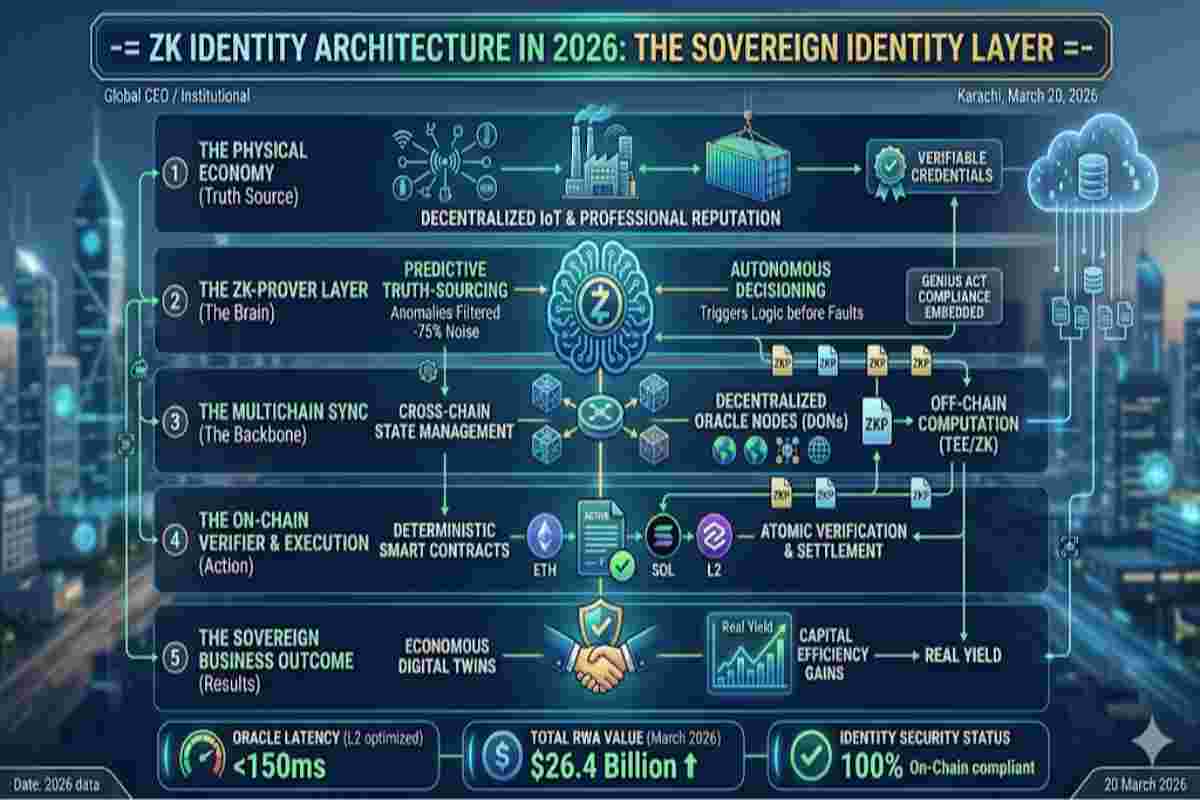
This builds directly on Web3 foundations (https://ownprocrypto.com/web3-ecosystem-explained/) and extends identity systems like ZK Identity Architecture (https://ownprocrypto.com/zk-identity-architecture/) into behavioral ownership.
In simple terms:
Web5 = AI + Blockchain + Emotion + Human Context
At its core, the meaning of Web5 centers on decentralized identity and data control. Current internet models (Web2) are built around centralized platforms that own and monetize personal data. Web3 attempts to decentralize value and governance, but critics argue many Web3 systems still lack true user control. Web5’s framework goes further by empowering users to store, share, or revoke access to their data independently, using technologies like Decentralized Web Nodes (DWNs) and Decentralized Identifiers (DIDs).
“You don’t own Web3 — the VCs and their incentives do. True user sovereignty requires a web designed around you, not around platforms controlling your identity.”
— Jack Dorsey paraphrased on Web5 philosophy
This meaning implies a shift not just in technology, but in digital rights and autonomy.
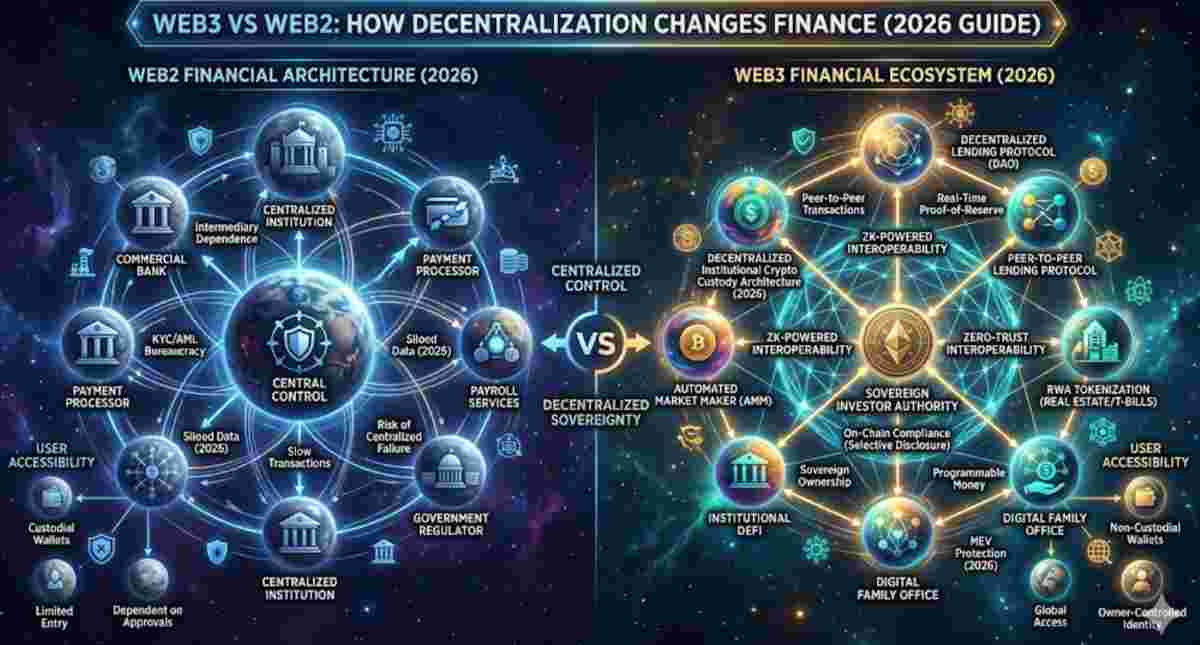
o understand the underlying blockchain structure, check Web3 vs Web2: How Decentralization Changes Finance (2026 Guide).
To appreciate where Web5 fits, it helps to see how the web’s purpose has evolved:
In essence, Web5 isn’t just another version — it’s a reorientation of the web’s power structure, from platform‑centric to people‑centric.
This trajectory shows a clear shift: from control (Web3) → automation (Web4) → empathy and intelligence (Web5). For real-world application examples bridging Web4 and Web5, see Web4 Trends 2026: Web4 Blockchain AI & Autonomous Web4 vs Web3 Shift.
Web5 isn’t about better blockchains; it’s about better humanity. It brings decentralized identity and data storage directly to the individual, making the user the center of their own digital universe. TBD Team / Mike Brock Theme: Identity-Centric Design
Web5 and Web4 share some philosophical ground — both push beyond Web3 — but their core goals and architectures diverge:
Where Web4 might elevate efficiency and connectivity, Web5 fundamentally questions who controls user information and how that control is structured.
This distinction becomes especially clear when comparing functions such as identity persistence and user‑owned data stores — aspects emphasized in Web5’s decentralized web nodes and self‑sovereign identity systems.
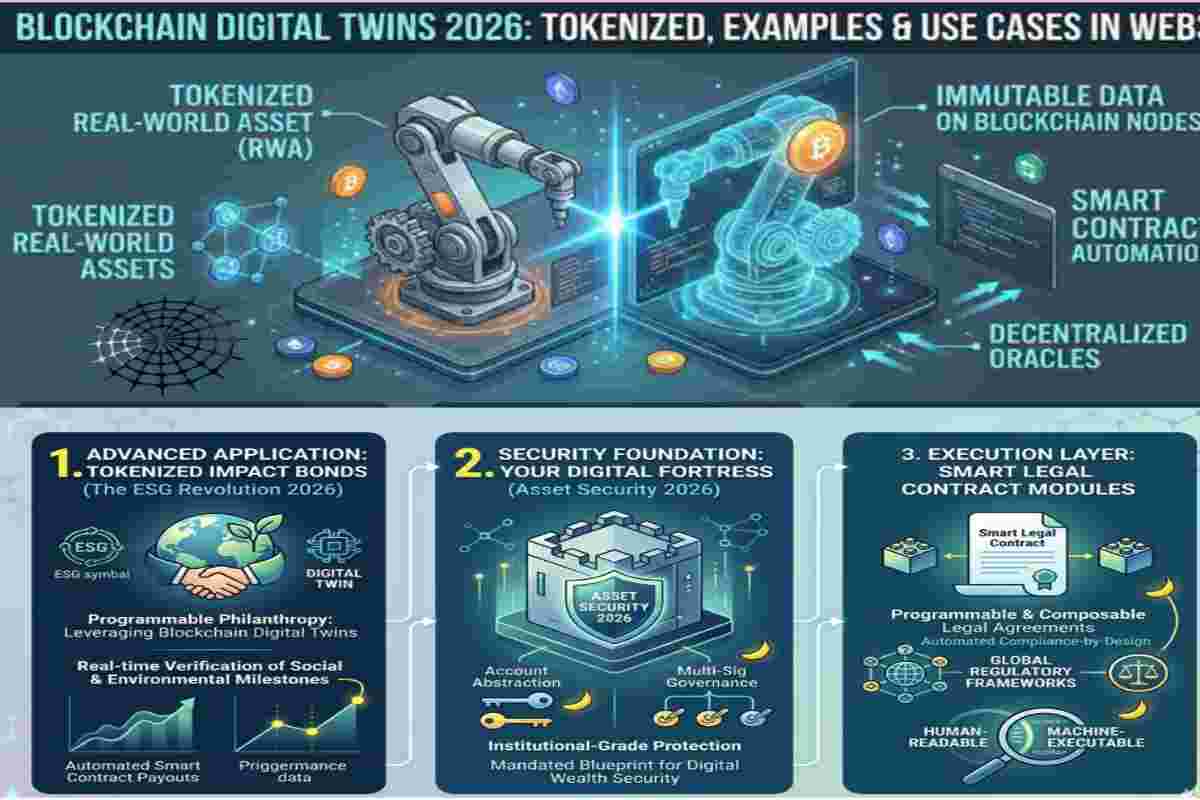
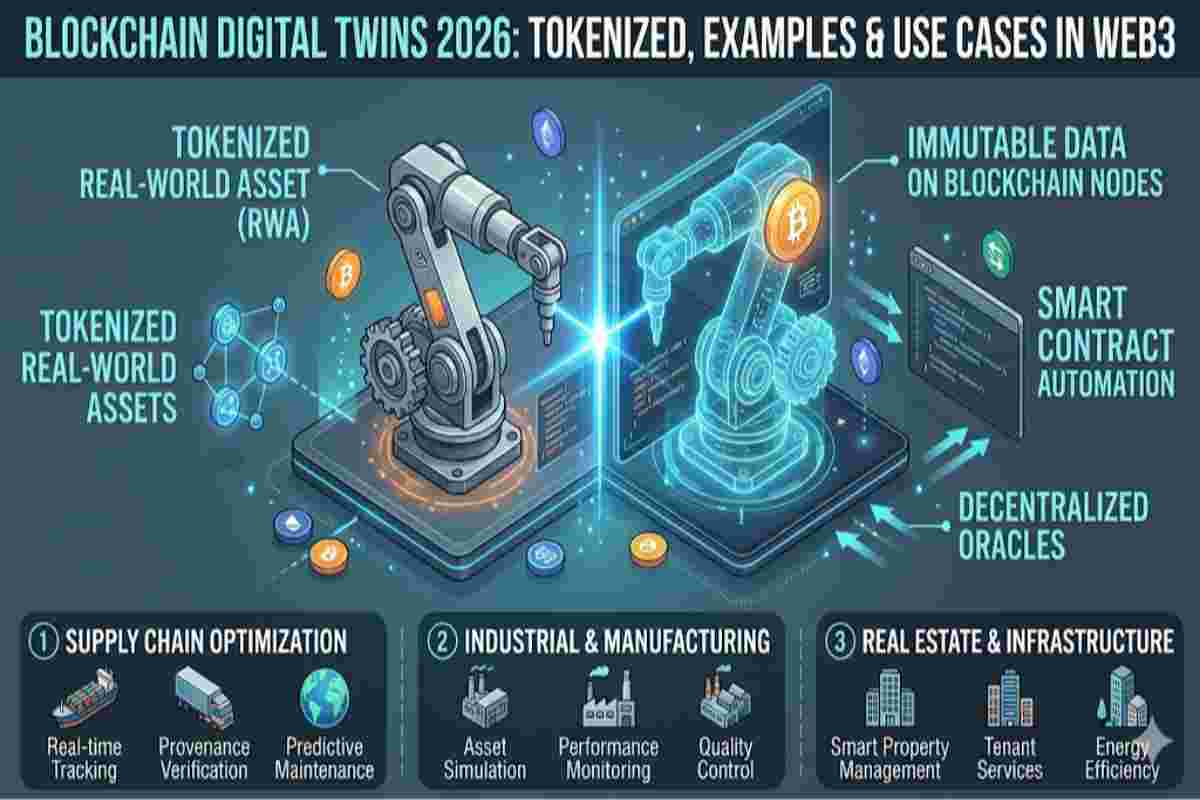
Learn more about AI + blockchain in practice via Blockchain Digital Twins 2026.
The biggest mistake is thinking we should hide our mistakes. Web5 allows for a transparent, sovereign web where trust isn’t granted by institutions, but earned through open, verifiable protocols. Jack Dorsey Theme: Open-Source Integrity
| Feature | Web4 | Web5 |
|---|---|---|
| Core Focus | Autonomous AI agents | Emotional and relational AI |
| Blockchain Role | Trust + identity | Trust + identity + adaptive emotional data |
| User Experience | Task execution | Context-aware, emotionally responsive interactions |
| Scope | Efficiency and automation | Empathy, relationships, and dynamic personalization |
| Industries | Finance, enterprise, supply chain | Healthcare, education, entertainment, customer experience |
In short, Web5 does not replace Web4 but enhances it by introducing emotional intelligence and adaptive autonomy.
Most current interpretations of Web4 build on AI agents, smart automation, and enhanced interoperability, but they don’t solve the deeper problem of who truly owns identity and personal data. Even decentralized apps in Web3/Web4 can rely on third‑party platforms for authentication and data storage.
Web5 aims to fix this foundational gap — and this is where many current competitor explanations still fall short. Many existing Web5 articles describe what it might do or who coined it, but they rarely articulate why this control shift matters on a societal level — which is what users are increasingly searching for. For example, the emphasis on verifiable credentials and decentralized identifiers in Web5 actually offers a framework for replacing passwords, accounts, and platform lock‑in entirely — and that is a paradigm shift.For insight into this transition, explore Digital Ownership in 2026: Crypto Asset Performance & ROI.

Bitcoin is money, not crypto. Web5 is the infrastructure that allows us to move beyond abstractions and return to the original design: a straight peer-to-peer flow that empowers every person on the planet. Jack Dorsey (2026 Strategy Update) Theme: The Internet of Money
One of the biggest questions around Web5 is whether it’s practical or conceptual.
The truth is: Web5 is real in theory and early practical layers exist, but a fully operational Web5 internet is still developing. Projects led by the TBD team — backed by Block (inc.) and aligned with Bitcoin‑centric infrastructure — are laying the groundwork for Web5 protocols such as DWNs and decentralized apps (DWAs).
Beyond the core tech stack, real applications from builders exploring identity sovereignty and decentralized web nodes already hint at what Web5 could enable — including platforms where you bring your identity and data to any app, rather than the app owning you.
For a deeper look at how identity systems evolve, check our guide on ZK Identity Architecture in 2026, which forms part of this broader evolution.
Emotional Web” is an evocative phrase often associated with Web5, but it’s misunderstood when taken literally. Rather than saying machines genuinely feel emotion, the emotional web refers to technology that better understands human context, sentiment, and behavioral signals to personalize interactions.
In contrast to traditional web interfaces that rely solely on explicit commands or data, an emotional web ecosystem could integrate:
This concept echoes ideas seen in predictions about Web 5.0’s emotive capabilities — essentially extending human awareness into digital contexts.
A practical quote to keep in mind:
“The next web isn’t intelligent about us — it becomes intelligent with us.”
This captures the notion that Web5 isn’t just smarter — it’s relationship‑aware.
For related insights, see ZK Identity Architecture in 2026: Verifiable Credentials and the Web3 Identity Layer.
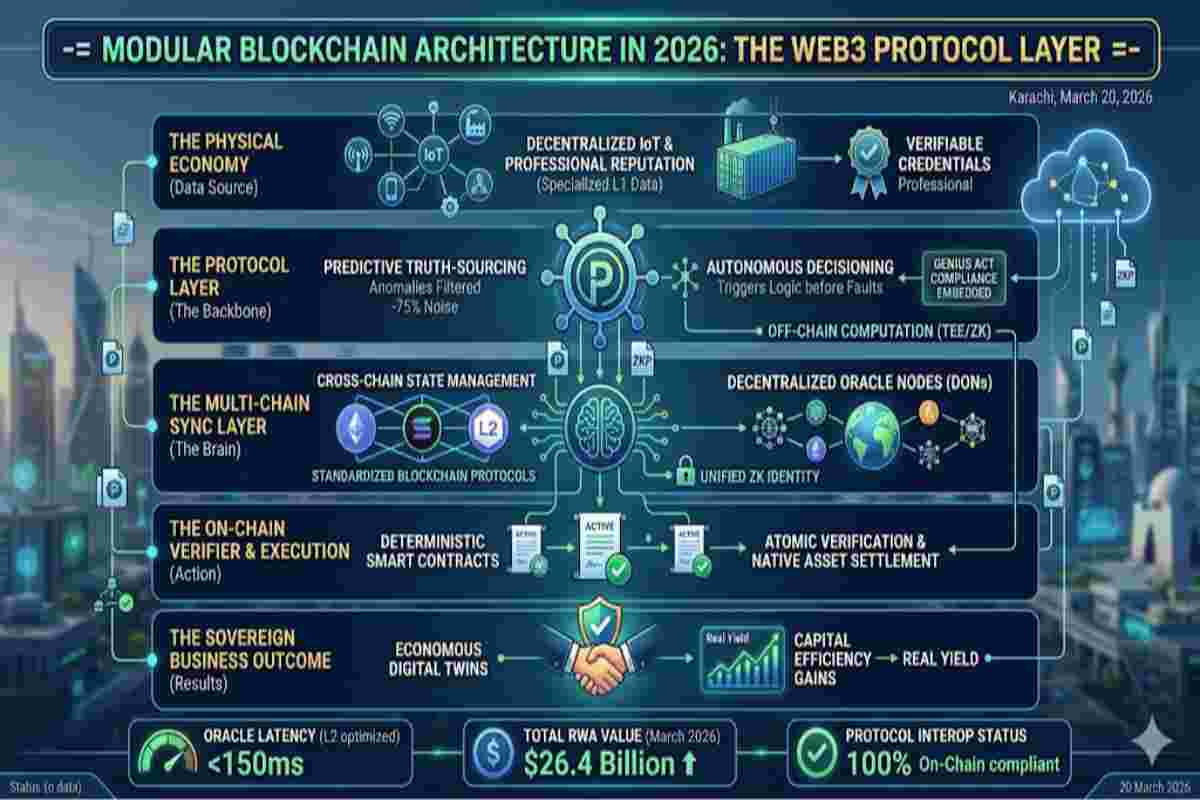
DIDs allow identity portability and ownership. VCs prove credentials without central authorities. Together, they form the backbone of Web5’s sovereignty promise.
DWNs let users store, share, or revoke data at will, creating a platform-independent network. Apps no longer own your data; you do.
Optional AI agents help with context-driven tasks while respecting user-defined boundaries, enhancing productivity without sacrificing control.
| Problem | Objectives | Analysis / Situation | Implementation | Challenges | Results / Outcomes |
| A 2024 DeFi app failed because users lost access to their funds when the central website went down. | Ensure permanent access to capital regardless of front-end availability. | Legacy Web3 still relied on centralized gateways (RPCs) and hosted UI. | Migrated to the Web5 TBD Stack, using Decentralized Identifiers (DIDs). | Redesigning the UX to handle “Self-Sovereign Data” without confusing users. | Users now own their own data vaults; even if the app shuts down, the user’s financial history and access remain intact. |
| Problem | Objectives | Analysis / Situation | Implementation | Challenges | Results / Outcomes |
| Extreme market volatility in 2027 causing widespread “Panic Liquidations” by retail investors. | Develop an emotional circuit breaker for high-stakes wealth management. | Legacy apps ignore user distress, allowing high-risk trades during peak cortisol spikes. | Integrated Web5 biometric “Sentiment Nodes” into a Sovereign Vault architecture. | Balancing real-time emotional tracking with On-Chain Compliance and privacy. | 40% reduction in “Regret Trades” and a 15% increase in long-term Capital Efficiency. |
Our mission is simple: Economic Empowerment. TBD is building the permissionless tools that reduce reliance on legacy banking rails and extend financial access to the underserved through the ‘Internet of Money. Block (Corporate Mission 2026)
The landscape beyond 2026 marks the definitive transition from a web of Autonomous Execution (Web4) to a web of Deep Empathy (Web5). In this era, the “Emotional Web” will move past simple biometric triggers into a state of Symbiotic Intelligence, where decentralized applications proactively harmonize with the user’s psychological and physiological wellbeing. This future hinges on the perfection of Sovereign Emotional Data, ensuring that while the internet becomes “self-aware” and highly personalized, the individual maintains absolute ownership of their internal sentiment maps. As we look toward 2030, the integration of Zero-Knowledge Privacy with emotional biometrics will allow for a world where technology doesn’t just serve our commands but understands our silent intent, fostering a truly human-centric digital civilization.
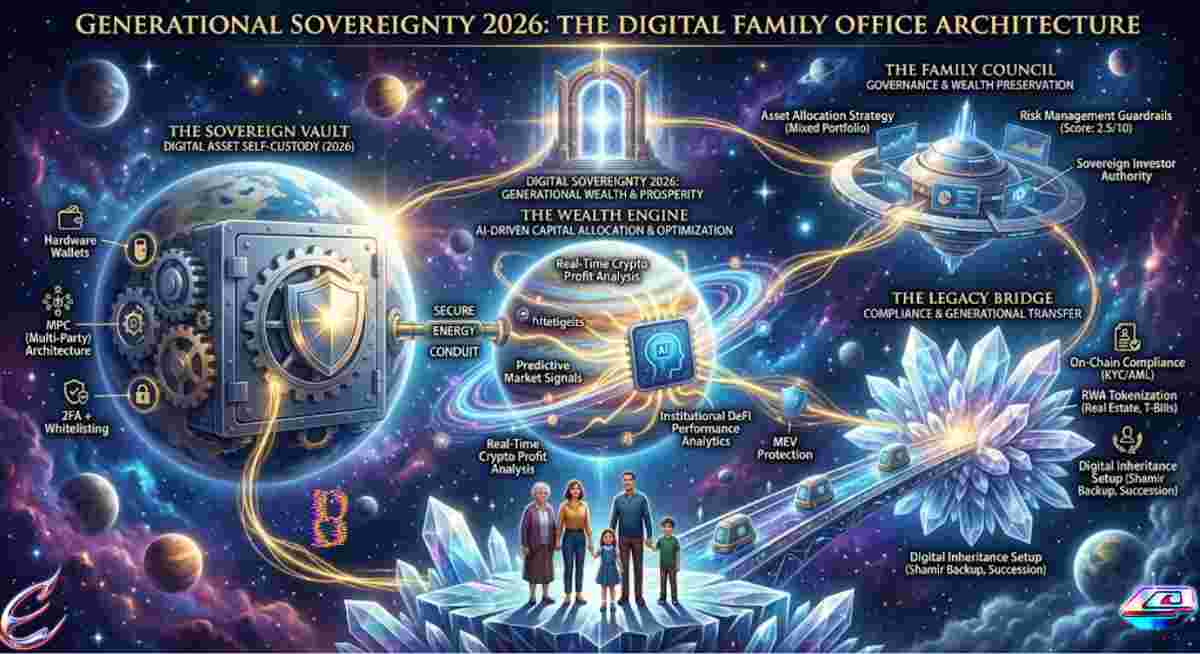
To ensure your Web3 Infrastructure and Sovereign Ownership Framework align with global compliance standards, we recommend referencing the official primary sources. This document provides the legal “navigator” for digital property rights in 2026.
If Web3 was about ownership and Web4 about automation,
Web5 is about human experience.
Still have questions? These advanced Web5 FAQs go beyond the basics—covering developer adoption, business models, identity risks, and the real future of decentralized internet architecture.
Web5 is not necessarily “better” but more focused. While Web3 emphasizes tokens and decentralized finance, Web5 simplifies the stack by prioritizing identity and data ownership, making it more practical for real-world adoption.
Web5 is seen as an alternative because it removes token complexity and speculation, focusing instead on user sovereignty and usability, which are still major gaps in Web3 ecosystems.
👉 For a deeper breakdown of Web3 limitations, explore:
Web3 Ecosystem: Architecture & Adoption (2026)
https://ownprocrypto.com/web3-ecosystem-explained/
Yes. Web5 aims to reduce reliance on intermediaries even further by ensuring identity and data are fully user-controlled, rather than partially dependent on platforms or protocols.
Web5 can be more secure due to its simpler architecture and reduced attack surface, especially since it avoids complex smart contract dependencies.
Web5 attempts to solve:
It introduces portable identity and user-owned data, which are key missing layers in Web3.
Web5 uses cryptographic proofs and verifiable credentials, allowing users to prove identity without relying on centralized login systems.
Web5 supports both privacy and verification. Users can remain anonymous while still proving credentials when needed through selective disclosure.
Only with explicit user permission. Data access becomes consent-driven, not platform-controlled.
Self-sovereign identity means users fully own and control their digital identity, including how it is shared, stored, and verified across platforms.
👉 Learn how this works in practice:
ZK Identity Architecture in 2026: Verifiable Credentials and the Web3 Identity Layer
https://ownprocrypto.com/zk-identity-architecture/
They are highly secure when implemented with strong cryptography, but security ultimately depends on key management and user practices.
👉 Security frameworks explained here:
Asset Security 2026: Setting Up Your Digital Fortress with Account Abstraction
https://ownprocrypto.com/asset-security-2026/
The Web5 stack includes:
Web5 removes reliance on cloud providers and centralized servers, shifting toward user-owned data layers and peer-to-peer systems.
DWAs are applications that interact directly with user-controlled data and identity, rather than storing data on centralized servers.
Web5 relies on identity protocols, decentralized messaging systems, and peer-to-peer communication layers, rather than traditional HTTP-based models.
Common languages include:
These are used to build decentralized apps and identity systems.
Users will own their profiles, content, and followers, removing dependency on centralized platforms and reducing censorship risks.
Marketing will shift to permission-based models, where users control data sharing instead of being tracked.
Web5 could transform SaaS into user-owned service layers, where applications operate on user-controlled data rather than company databases.
Users may control:
This creates more secure and personalized commerce experiences.
Yes — especially:
👉 Related economic models:
RWA Tokenization 2026: Guide to Real-World Asset Portfolios
https://ownprocrypto.com/rwa-tokenization/
Yes. Web5 opens new opportunities in identity, privacy-first apps, and decentralized infrastructure, which are still underdeveloped markets.
Likely yes, because it removes intermediaries, enabling more direct peer-to-peer interactions.
Freelancers can carry portable reputation and verified credentials, making it easier to work across platforms.
Yes. It offers:
👉 Avoid common mistakes:
Top Blockchain Mistakes Businesses Make (And How to Fix Them in 2026)
https://ownprocrypto.com/top-blockchain-mistakes/
Developers use SDKs and tools provided by Block (TBD) and open-source identity frameworks.
Frameworks are still limited but evolving rapidly as adoption grows.
You need to:
👉 Start here:
Web3 Development Guide (2026): Building dApps & Ecosystems
https://ownprocrypto.com/web3-development-guide/
Moderate. Easier than Web3 in some aspects, but requires understanding identity systems and decentralized architecture.
Because of:
Handling large-scale decentralized storage and identity resolution remains a challenge.
Yes, especially in areas like:
Likely, particularly around data ownership rights and jurisdictional control.
Yes. AI can operate on user-owned data, enabling more personalized and privacy-respecting assistants.
Users will control how their data is used, making AI training more transparent and ethical.
No. Ownership always remains with the individual user, not AI systems.
A more ethical, transparent, and user-controlled ecosystem, where AI operates within human-defined boundaries.
👉 Explore this evolution:
AI Agents in Web3 (2026): Architecture, Interoperability & Autonomous Systems
https://ownprocrypto.com/ai-agents-in-web3/
No—but it will transform how apps interact with identity and data, making them more portable.
Not fully, but it can significantly reduce centralized control layers.
Possibly for:
Indirectly, yes—by enabling users to own and monetize their data.
Yes. Adoption, usability, and execution will determine success.
Welcome to OwnProCrypto (Own & Pro Crypto) — a next-generation Bitcoin and blockchain education platform where the science of finance meets the power of AI-driven automation.
Our mission is simple: to equip you with the knowledge, frameworks, and tools needed to make smarter financial and business decisions in the Web3 economy.
Beyond analysis, OwnProCrypto focuses on transparency, verifiable data, and practical frameworks that investors and builders can actually use. Our goal is not hype — but clear thinking, disciplined analysis, and long-term value creation in the decentralized economy.
Our Background
As part of the Web3 Ecosystem Architecture pillar, this guide focuses on Sovereign Ownership Architecture in Web3. Explore related pillars: