
Table of Contents
ToggleFrom Fragmented Chains to a Unified Internet of Value.
In 2026, interoperability has evolved from “risky bridges” into a seamless Connected Stack. This pillar outlines how chain abstraction and intent-centric architecture have finally unified the fragmented Web3 landscape—allowing capital and data to flow as freely as information on the traditional internet.
The 2026 Interoperability Drivers:
System Navigator: Interoperability is the connective tissue of our Web3 Ecosystem Architecture. To see how this unified stack enables institutional flows, visit our RWA Tokenization 2026 pillar, or explore how to move these assets using Stablecoin Payments 2026.
Web3 interoperability is the structural upgrade that transforms isolated blockchains into a unified digital economy.
By 2026, Web3 interoperability is no longer optional—it is the structural foundation that turns isolated blockchains into a connected digital economy. Today, applications, liquidity, identities, and governance systems often operate in silos, limiting coordination, inflating operational complexity, and fragmenting value. Multichain communication enables smart contracts, DAOs, and institutions to interact seamlessly across networks, unlocking shared liquidity, improving capital efficiency, and unifying user experience. Success in the next phase of Web3 is not about choosing a “winning chain” but building on interoperable stacks that preserve sovereignty while abstracting complexity. With modular execution layers, standardized messaging protocols, and interoperable identity frameworks, assets move freely, governance is streamlined, and economic coordination scales across ecosystems—turning fragmented protocols into integrated financial rails and ensuring that growth comes from connected networks, not just bigger chains.
In today’s fragmented landscape, applications, liquidity, identities, and governance systems often operate in silos—each powerful, yet disconnected. Value moves, but coordination stalls. Innovation happens, but scale suffers.
Decentralization without interoperability is fragmentation by design.
The strategic shift is clear: success in 2026 is not about picking the “winning chain.” It is about building on interoperable stacks that abstract complexity while preserving sovereignty. Modular execution layers, standardized messaging protocols, and interoperable identity frameworks are forming the connective tissue of the decentralized internet.
From a capital markets perspective, fragmentation is expensive. Siloed liquidity inflates volatility. Disconnected governance slows decision-making. Operational complexity increases attack surfaces. Web3 interoperability reduces these frictions, aligning assets, compliance frameworks, and economic coordination across ecosystems.
This guide breaks down how interoperability actually works—technically, economically, and strategically. You will understand how multichain systems exchange data securely, how liquidity bridges evolve into native shared infrastructure, and how developers can design applications that operate seamlessly across networks. Because in the next phase of Web3, scale will not come from bigger chains. – – -> It will come from connected ones. ↑ Back to FAQs Menu
Don’t miss the opportunity to leverage my 9 years of field authority integrated into the Web3 & Emerging Web4 Ecosystem Template. This isn’t just a guide; it’s a professional-grade, 10-sheet strategic asset—valued at $499—designed for institutional-level portfolio architecture. We update our repository daily with fresh technical templates and internal case studies. To ensure you never miss a critical update, save this page to your mobile home screen or desktop and make it your daily starting point for On-Chain Compliance and wealth preservation.
Watch: The Architecture of Connectivity — Chain Abstraction in 2026 (5 Minutes)

Blockchains solved trust.
Smart contracts solved execution.
Tokens solved incentives.
Interoperability solves coordination.
Without interoperability, liquidity fragments, governance remains local instead of global, identities reset across chains, and DAOs struggle to scale beyond single ecosystems. Decentralized systems begin to resemble disconnected protocols rather than a unified network.
Web3 Interoperability 2026 represents the missing layer that allows decentralized systems to behave as a coordinated whole rather than isolated chains, enabling shared execution, composability, and alignment across sovereign blockchain networks.
This shift does not merely improve efficiency — it fundamentally changes what decentralized systems can achieve.
The transition from monolithic blockchains to modular, interoperable architectures mirrors the evolution of the internet itself. Just as TCP/IP unified isolated networks, cross-chain messaging layers, shared standards, and chain abstraction now unify Web3 infrastructure.
By 2026, users no longer need to care which chain they are on, developers build once and deploy everywhere, and capital flows toward efficiency rather than ecosystem loyalty. Coordination becomes the default behavior rather than an exception.
This evolution sets the foundation for the connected stack.
In Web3 Interoperability 2026, the primary architectural goal is no longer launching independent chains, but connecting outcomes across chains. Interoperability enables impact — financial, social, and environmental — by aligning incentives and execution across decentralized networks.
Modern Web3 systems follow two principles: connecting systems without centralization and enabling real-world impact through coordination. Interoperability is what makes both possible.
Interoperable Web3 systems provide shared truth, verifiable identity, and cross-border execution without centralized authorities, enabling global coordination while preserving sovereignty at every layer of the stack.
This coordination layer changes how decentralized systems scale.
Many Web3 projects fail not because of poor technology, but because they are designed in isolation. Impact-driven architecture begins with purpose and aligns every layer of the connected stack toward measurable outcomes.
By prioritizing interoperability, cross-chain coordination, and verifiable execution, projects move from siloed experiments to resilient ecosystems. This approach unlocks the full potential of Web3 Interoperability 2026, allowing DAOs, communities, and institutions to collaborate seamlessly across borders and chains.
This alignment becomes critical as systems grow beyond experimentation.
Interoperability in 2026 is no longer synonymous with fragile token bridges. It refers to a multi-layer architectural framework enabling secure messaging, shared state, and coordinated execution across blockchains.
Bridges centralized risk, failed under attack, and fractured trust. In contrast, modern interoperability relies on intent-based routing, zero-knowledge verification, and native cross-chain execution.
Interoperability becomes infrastructure, not a workaround.
By 2026, multichain interoperability has evolved far beyond basic token bridges and asset transfers. The focus has shifted toward seamless state synchronization, cross-chain execution environments, and unified liquidity layers across heterogeneous blockchain networks. Users can now initiate a transaction on one Layer 1 or Layer 2 network that natively triggers smart contract logic on another, without relying on centralized intermediaries. This architecture effectively dissolves the boundaries between ecosystems, enabling composable applications, cross-chain governance, and synchronized settlement. Within a sovereign digital framework, multichain interoperability transforms fragmented blockchains into a cohesive, programmable financial infrastructure.
True interoperability operates across three dimensions: technical messaging and execution, social identity and reputation, and economic incentives and governance.
Most ecosystems address only the technical layer. Web3 Interoperability 2026 requires all three to function in concert.
Coordination fails when even one is missing.
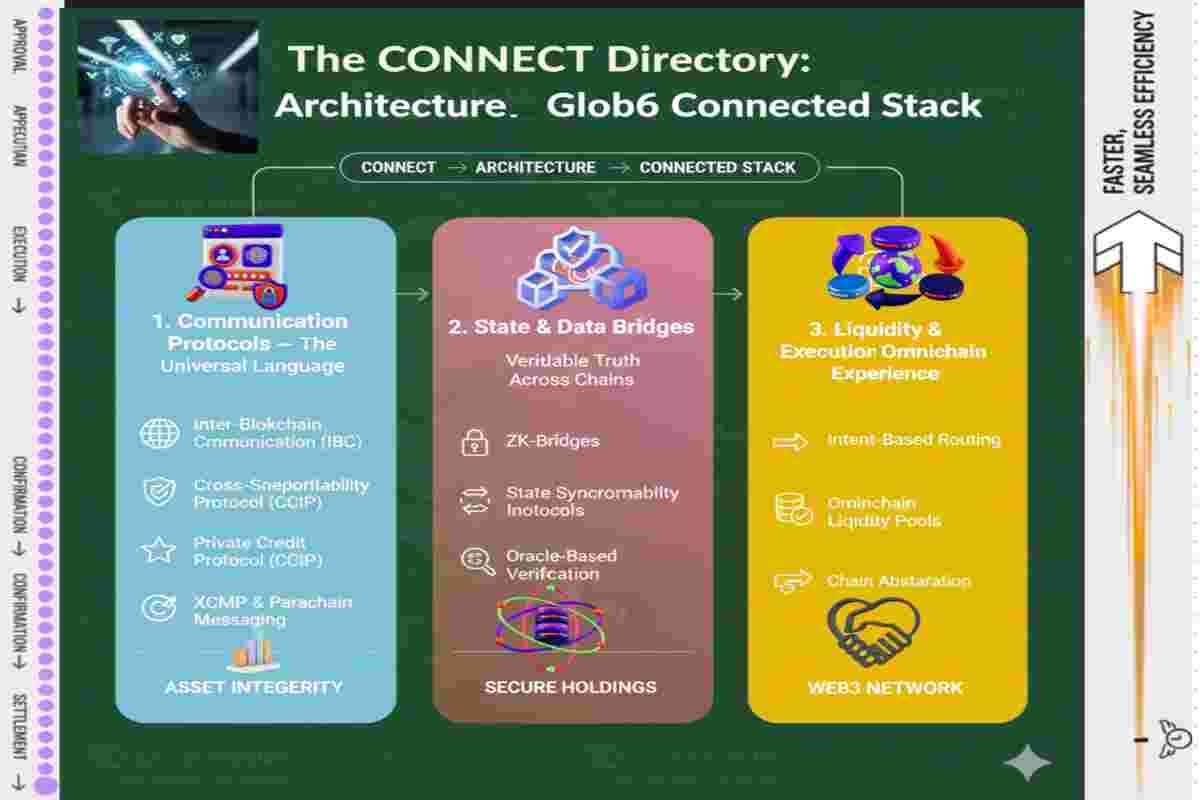
The base layer enables secure message passing and execution guarantees across chains using zero-knowledge light clients, intent-based networking, and native verification. It replaces brittle bridges with cryptographic execution guarantees.
Robust cross-chain communication has become foundational to the modular blockchain era. The industry has moved away from vulnerable wrapped-asset bridges toward trust-minimized messaging protocols, zero-knowledge (ZK) light clients, and cryptographic verification systems. These mechanisms allow blockchains to verify external state transitions and transmit data securely without sacrificing decentralization. By ensuring that transactions, liquidity positions, and governance signals can be validated across chains without centralized custodians, cross-chain infrastructure preserves digital continuity, reduces systemic risk, and strengthens the security of interconnected sovereign assets.
Middleware transforms identity into a global primitive. Decentralized identifiers, verifiable credentials, and persistent reputation systems allow users and organizations to operate seamlessly across ecosystems.
This layer underpins interoperable governance, compliance, and trust.
At the top of the stack, interoperable applications coordinate governance, funding, and execution across multiple networks. Applications become chain-agnostic by default, enabling global participation without centralized control.
The stack is designed for outcomes, not isolation. ↑ Back to FAQs Menu
Shared standards such as message formats, governance schemas, and credential frameworks prevent fragmentation and enable permissionless innovation. Without standards, interoperability collapses into custom integrations that decay over time.
Standards are the difference between scale and chaos.
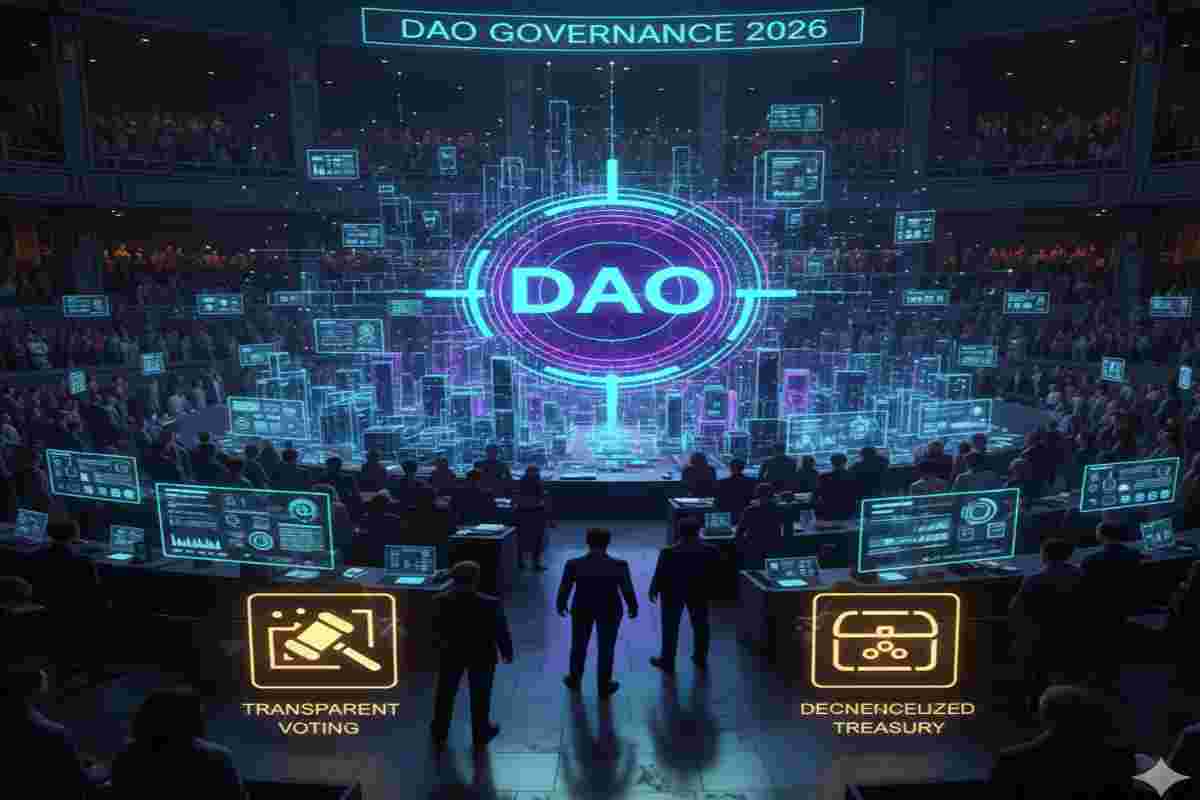
Modern DAOs operate across multiple chains, managing treasuries, votes, and execution environments without locking themselves into a single ecosystem. Interoperable governance allows decentralized organizations to function as unified entities across networks.
Shared incentive layers prevent governance capture and misalignment. Tokens, reputation systems, and participation rewards must remain consistent across ecosystems to sustain long-term coordination.
Reputation becomes portable, verifiable, and resistant to manipulation. Verifiable credentials allow identity and contribution history to persist across chains, forming the basis of trust without centralized platforms. ↑ Back to FAQs Menu
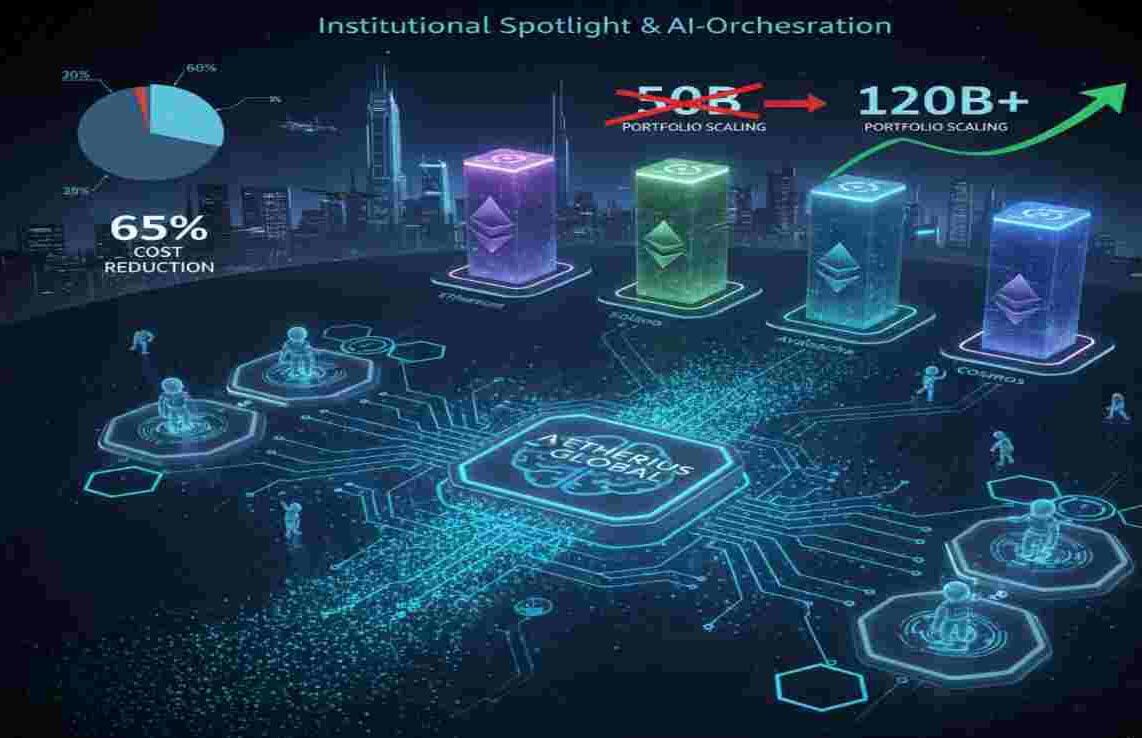
Interoperability enables borderless collaboration without relying on centralized platforms. Global teams coordinate on-chain, professional identity is proven through action, and decentralized networks replace platform-controlled profiles.
Identity follows the individual — not the application.
Interoperable wallets abstract blockchain complexity, allowing users to access decentralized finance, payments, and savings through a single interface. This usability is essential for inclusion at global scale. ↑ Back to FAQs Menu
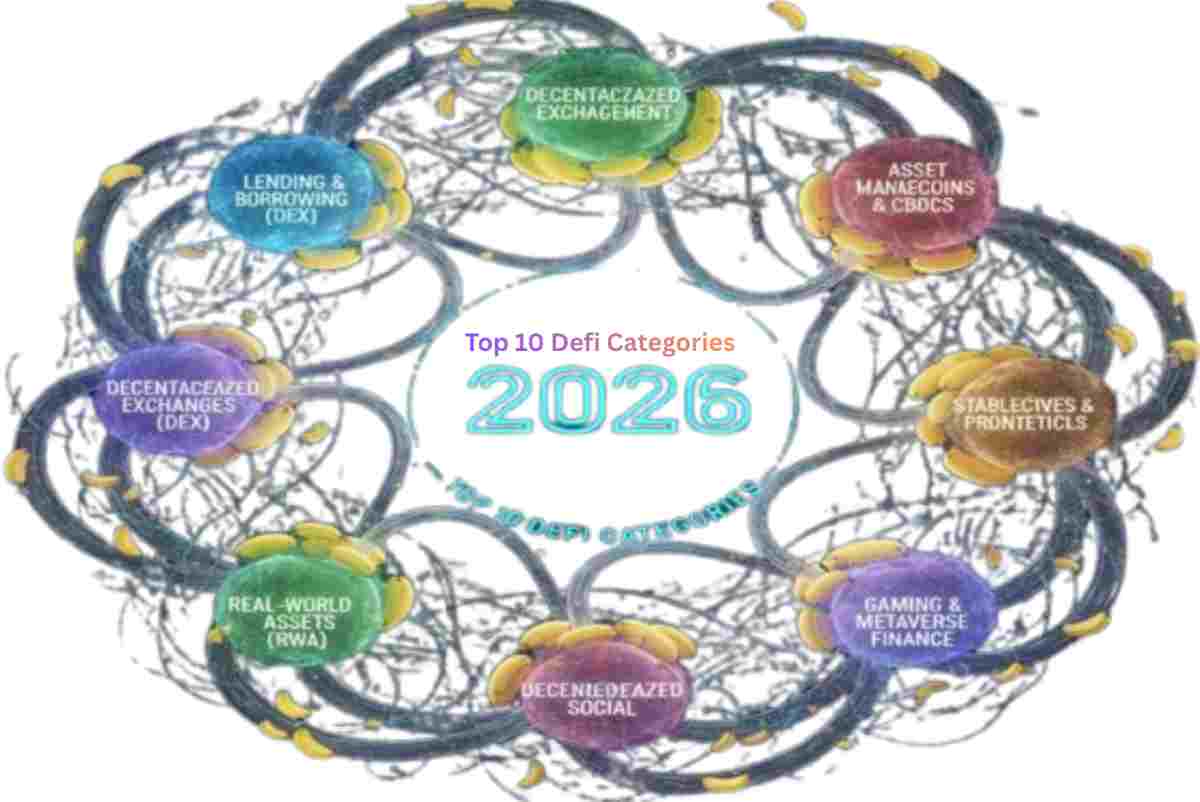
True DeFi interoperability unlocks omnichain financial composability. Collateral deposited on one protocol can secure a loan on another network, liquidity positions can back derivatives across ecosystems, and yield strategies can dynamically rebalance across multiple chains. This cross-network composability transforms isolated DeFi protocols into an integrated global financial stack. As smart contracts, liquidity pools, and risk engines communicate seamlessly across chains, value flows without friction, creating a highly liquid, borderless decentralized market that mirrors — and in many ways surpasses — traditional financial infrastructure.
Smart contracts enable transparent, conditional execution for aid and grant programs. Interoperability allows these contracts to coordinate across chains, reducing overhead and increasing accountability.
Impact becomes auditable rather than aspirational. Interoperable oracles, attestations, and reporting standards link on-chain activity to real-world outcomes.
As interoperability matures, effectiveness becomes visible through indicators such as execution reliability, identity persistence, governance consistency, and cross-chain liquidity efficiency. ↑ Back to FAQs Menu
Proof-of-Stake networks reduce the environmental cost of coordination, enabling interoperability at scale without compounding ecological impact. Regenerative Finance connects capital, governance, and impact data across chains, turning sustainability into a coordinated economic system.
Interoperable governance frameworks allow rights and decisions to travel with users rather than platforms. Shared state and standardized execution reduce duplication while preserving autonomy.
Even with these advances, Web3 Interoperability 2026 introduces challenges related to standard alignment, security tradeoffs, governance complexity, and regulatory constraints. These challenges reflect ecosystem maturation rather than failure.
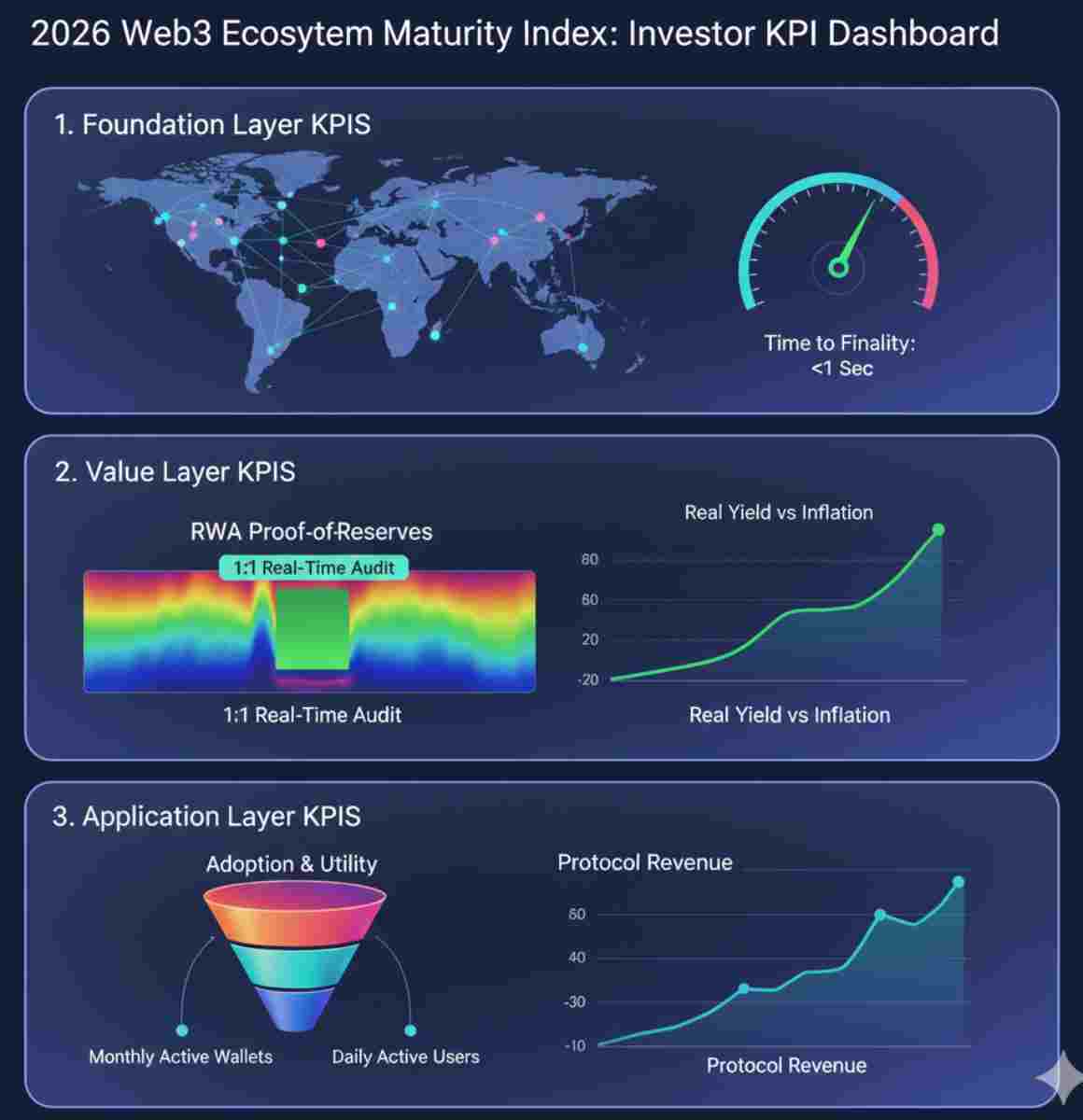
Institutional leaders look at five specific metrics to determine if a network is safe for high-value transfers. These triggers are the benchmark for a healthy decentralized stack.
The primary benefit of a connected stack is the radical improvement in liquidity and user experience. Blockchain interoperability services allow for unified liquidity pools, meaning developers no longer have to bootstrap capital for every new chain they deploy on. Furthermore, these services enhance security by reducing the reliance on centralized “honey pot” bridges. By utilizing decentralized relayers and optimistic verification, the sovereign internet stack ensures that even if one path is compromised, the overall integrity of the cross-chain message remains intact.
Payments, DAOs, identity, supply chains, climate finance.
The true value of Web3 Interoperability 2026 is best seen through its practical application in global industries.
Looking ahead, The Future of Web3 Interoperability lies in the deep integration of Dynamic VNRG (Virtual Network Resource Generation). Integrating Dynamic VNRG with interoperability solutions could further enhance the efficiency and scalability of multi-chain ecosystems, driving the seamless connectivity we envision. By dynamically adjusting the energy and gas costs of cross-chain messages based on network health, Dynamic VNRG ensures that the infrastructure remains sustainable even under extreme load. This evolution will lead to “Chain-Agnostic” applications that automatically route themselves to the most efficient network at any given second.
Early bridges were monolithic honey pots that concentrated risk and led to billions in losses. The objective in 2026 was to decentralize the relayers to ensure no single entity could stop a transfer.
The analysis showed that most failures happened because of human error in multi-sig management. The implementation of ZK-proofs for verification removed this human element entirely from the transfer process.
One major challenge was the “Finality Gap,” where different chains had different speeds, leading to stuck transactions. By 2026, the implementation of “Optimistic Finality” has reduced this wait time by 90 percent.
The outcome for the industry has been a 400 percent increase in capital efficiency as liquidity is no longer “siloed” on individual chains. Institutional users now report a 0 percent loss rate on protocols using the Hyperbridge standard.
Another case study failure involved a major DeFi protocol that lost $200M because its bridge had no emergency “pause” button. This led to the 2026 requirement for programmable circuit breakers in all interoperability stacks.
Blockchain interoperability services function as the nervous system of the decentralized web. Using zero-knowledge light clients, these services enable trustless execution across layers and networks, supporting real-world asset tokenization and institutional adoption.
Chains specialize. Interoperability connects them.
| Earlier Models | Web3 Interoperability 2026 |
|---|---|
| Token bridges | Intent-based execution |
| Wrapped assets | Native cross-chain state |
| Trusted relayers | ZK verification |
| Ecosystem silos | Connected stack |
Chains specialize. Interoperability connects them.
To understand Web3 Interoperability 2026, we have to look at it as a modular communication layer. We have moved away from “wrapped tokens” and toward “native asset issuance.” What this really means is that an asset exists in multiple places at once, synchronized by cryptographic proofs rather than a centralized custodian.
Compliance logic becomes programmable and portable.
Here is the thing about a connected web: it must still follow the rules. On-chain compliance is now integrated into the cross-chain messaging protocols themselves. This ensures that assets cannot move into restricted zones or participate in illicit activities, which is the “trigger” that finally allowed institutional capital to enter the space at scale.
The future is intent-driven, not transaction-driven.
The Hyperbridge era uses Zero-Knowledge Light Clients to verify the state of one chain on another. This eliminates the need for a middleman or a “multi-sig” bridge that could be hacked.
Users no longer “bridge” funds manually. Instead, they state an “intent”—like wanting to buy an RWA on a different chain—and the interoperability layer finds the most secure and cheapest path to execute it instantly.
Hyperbridges use zero-knowledge light clients to verify state across chains without intermediaries. This removes entire classes of bridge-related vulnerabilities and enables intent-driven execution.
Messaging plus execution creates autonomy.
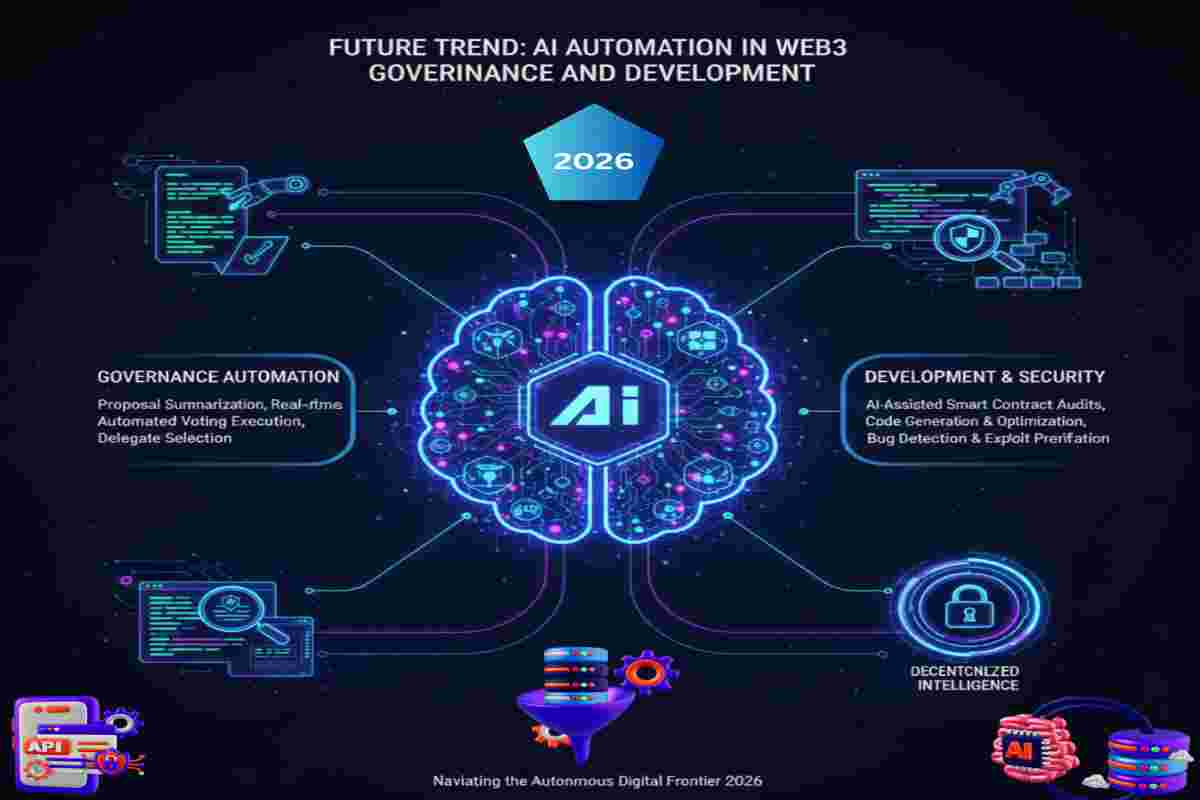
As interoperable infrastructure stabilizes, AI systems and autonomous agents increasingly operate across networks, coordinating actions and optimizing outcomes through intent-based interactions rather than manual transactions. ↑ Back to FAQs Menu
The history of cross-chain systems reveals a consistent pattern: architectures reliant on trusted intermediaries fail under stress, while modular, cryptographically verified systems endure. Web3 Interoperability 2026 is built directly on these lessons.
The most successful systems are not the loudest or fastest — they are the most connected.
The history of cross-chain systems offers a clear lesson: design choices matter more than speed to market. Failed systems often relied on centralized validators, opaque bridge operators, or unverified state assumptions, creating single points of failure that attackers inevitably exploited. In contrast, successful cross-chain architectures prioritize verifiability, minimal trust assumptions, and modular upgrades. The strongest systems treat interoperability as a long-term infrastructure problem — not a short-term liquidity solution — emphasizing security, governance alignment, and resilience over rapid expansion. ↑ Back to FAQs Menu
The rise of shared liquidity protocols has addressed one of Web3’s most persistent inefficiencies: fragmented capital across isolated networks. Modern liquidity aggregation layers and omnichain liquidity pools allow decentralized applications (dApps) to access unified asset depth regardless of the underlying blockchain. This dramatically improves capital efficiency, reduces slippage, and enhances price discovery for both institutional and retail participants. By abstracting away chain-specific silos, shared liquidity tools enable scalable decentralized finance (DeFi) markets that operate with the efficiency of global capital markets while maintaining blockchain-native transparency.
Despite the progress, several Challenges in Achieving Web3 Interoperability remain at the forefront of development.
Interoperability is hard—but unavoidable.
The most significant hurdle is the lack of a universal messaging standard; currently, multiple protocols compete for dominance, creating a “fragmentation of standards” that can confuse developers. Security also remains a major concern, as cross-chain bridges are historically the most targeted infrastructure in the Web3 space. Finally, there is the challenge of “Finality Latency,” where different consensus mechanisms take varying amounts of time to settle, potentially leading to failed atomic swaps during periods of high network volatility. ↑ Back to FAQs Menu
The arrival of Web3 Interoperability 2026 marks a pivotal transition from fragmented blockchains to a truly connected internet stack. While 2025 was focused on simply moving assets between chains, 2026 is the year of Smart Contract Composability. Developers are now building “Omnichain” applications that treat various networks as a single, unified library. This shift is driving massive Capital Efficiency, as liquidity no longer sits idle in silos; instead, it flows instantly to where it is needed most, often seeking out protocols that offer sustainable Real Yield.
Beyond 2026, the Web3 ecosystem is no longer managed solely by humans. We are seeing the rise of Autonomous AI Agents—verifiable entities that operate on-chain to manage complex financial workflows. These agents use Web3 Interoperability 2026 to scan multiple networks for the best risk-adjusted returns, executing trades and rebalancing portfolios with millisecond precision. By integrating On-Chain Compliance directly into their logic, these agents ensure that institutional-grade security is maintained without manual oversight, making high-frequency coordination both safe and scalable.
Traditional, isolated DAOs have evolved into Networked DAOs. These are interconnected organizational structures that share treasuries, governance power, and technical resources across different chains. By leveraging RWA Tokenization, these networked entities are moving trillions of dollars in real-world assets—like real estate and private credit—on-chain. This collective approach allows DAOs to achieve a level of economic impact that was previously reserved for multinational corporations, all while maintaining the transparency and decentralization inherent to Web3.
Ultimately, Web3 Interoperability 2026 serves as the essential foundation for real-world impact. It is the bridge that connects traditional finance (TradFi) with decentralized protocols, allowing for a seamless exchange of value. As On-Chain Compliance becomes a standard protocol layer, global institutions are now comfortable embedding blockchain into their core balance-sheet infrastructure. This invisible plumbing ensures that digital money is no longer a niche experiment but a robust tool for global economic inclusion and efficiency.
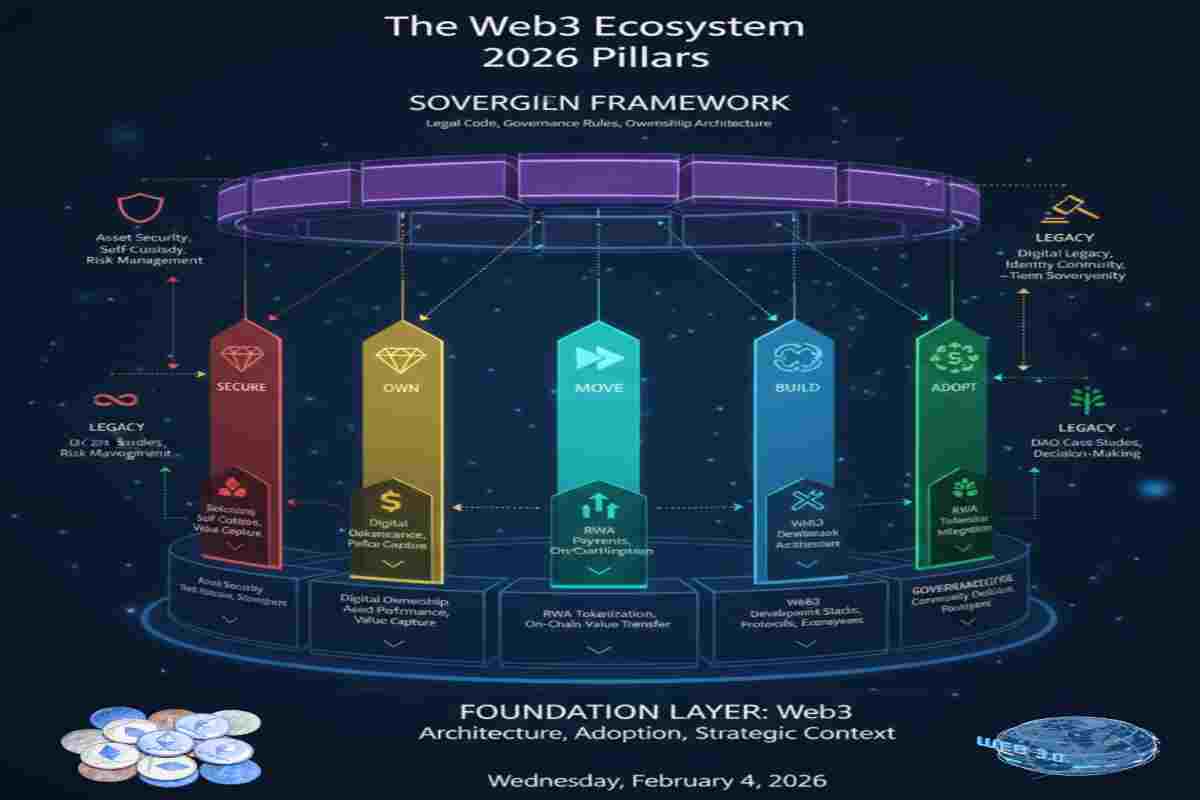
As part of the CONNECT pillar, this guide focuses on interoperability standards, cross-chain communication, and multi-network liquidity coordination.
Explore related pillars:
Each pillar functions independently while forming a complete sovereign Web3 lifecycle model.
Web3 interoperability is not a feature — it is the foundation.
Mastering Web3 Interoperability 2026 is the final piece of the sovereign internet puzzle. When we stop thinking about “blockchains” and start thinking about a “Global Truth Layer,” we unlock the true potential of decentralized finance and digital ownership. By using secure, intent-based protocols and monitoring institutional KPIs, you can navigate this connected stack with the confidence of an industry expert. The siloed web is dead; the interoperable, sovereign future is here.
Web3 Interoperability 2026 is no longer a theoretical vision—it’s the foundation of a connected, modular, and impact-driven Web3. By bridging isolated chains, standardizing governance, and enabling cross-chain collaboration, the connected stack transforms fragmented networks into resilient, scalable ecosystems. The key takeaways are clear: interoperability fuels global coordination, amplifies social and financial impact, and empowers communities to operate beyond borders. As the era of modular architecture and networked DAOs unfolds, the projects that embrace these principles today will lead the sovereign internet of tomorrow. In essence, achieving interoperability is not just technical—it’s strategic, social, and transformative, ensuring your Web3 initiatives succeed in 2026 and beyond.
In 2026, the winning systems are not the fastest chains or loudest communities, but the most connected architectures. The future belongs to builders who design for coordination, composability, and impact from day one.
The future of Web3 is not multi-chain chaos. It is a connected stack—and interoperability is the blueprint. The sovereign internet is no longer coming. It is already being connected.
As we navigate the fiscal landscape of 2026, the mandate for institutional-grade stability has shifted from a “best practice” to a non-negotiable regulatory baseline. Central to this transition is the emphasis on high-quality liquid assets (HQLA) and rigorous risk management frameworks, as outlined in the U.S. Treasury TBAC Q4 2024 report. Whether managing traditional corporate treasuries or emerging digital value chains, the harmonization of global standards—such as MiCA in Europe and the Pillar 2 requirements—ensures that financial systems remain resilient against liquidity shocks. For the modern enterprise, maintaining this “compliance-first” posture is the only viable path to achieving long-term capital efficiency and safeguarding stakeholder trust in a borderless economy. .EU MiCA Summary
Web3 is no longer just a buzzword — it’s a production-grade system that requires builders who can design, ship, and scale immutable, verifiable, decentralized applications directly on-chain. The era of Build in Web3 has arrived. Traditional tutorials and static learning are no longer enough — the future belongs to those who turn ideas into on-chain execution. In 2026, builders define the backbone of the economy.
To help you navigate the complexities of decentralized decision-making in 2026, we have organized the most critical inquiries into thematic groups. This structure ensures you can quickly find expert insights rooted in real-world successes and historical failures.
Welcome to OwnProCrypto (Own & Pro Crypto) — a next-generation Bitcoin and blockchain education platform where the science of finance meets the power of AI-driven automation.
Our mission is simple: to equip you with the knowledge, frameworks, and tools needed to make smarter financial and business decisions in the Web3 economy.
Beyond analysis, OwnProCrypto focuses on transparency, verifiable data, and practical frameworks that investors and builders can actually use. Our goal is not hype — but clear thinking, disciplined analysis, and long-term value creation in the decentralized economy.
Our Background
As part of the Web3 Ecosystem Architecture pillar, this guide focuses on Sovereign Ownership Architecture in Web3. Explore related pillars: