
Table of Contents
ToggleIn 2026, careers no longer live only on résumés, LinkedIn profiles, or closed corporate databases — they live on-chain, portable, verifiable, and increasingly permanent. As work becomes global, remote, and reputation-driven, the cost of resetting identity after every job, platform, or jurisdiction has become a silent tax on talent. This post exists to explain why on-chain reputation is emerging as a career asset, not a technical curiosity — and why losing it, fragmenting it, or rebuilding it from zero is economically irrational. The purpose is to show how verifiable credentials, contribution history, payment records, governance participation, and skill proof can accumulate into a single, compounding professional identity. By reading this, the user gains clarity on how to protect their career continuity, signal trust instantly, and future-proof their professional capital in a world where reputation increasingly determines access to work, capital, and opportunity.
Watch: In just 5 minutes, everything you need to know from how they work to why they matter more than ever in 2026. What Is On-chain transactions

In a world where resumes can be faked, the true measure of talent is verifiable reputation.
Resumes are static, manually updated, and often unverifiable. Centralized platforms control your digital identity, limiting portability and making reputation siloed and fragile.
If your reputation is stored on someone else’s server, you are merely a tenant in your own career.
Blockchain technologies, verifiable credentials, and decentralized identifiers now allow individuals to maintain a permanent, tamper-proof record of accomplishments. This creates a “career passport” that is portable, transparent, and universally recognized.
The purpose of this post is to add value of On-Chain Reputation to the Crypto people of this generation and those that follow. You will gain a clear understanding of on-chain reputation, its underlying technologies, real-world applications, and actionable strategies to secure and grow your professional identity in 2026.
In today’s fast-paced digital economy, professionals face the career reset tax—having to prove their skills and achievements again whenever they change roles or platforms. In a world where resumes can be faked, the true measure of talent is verifiable reputation.
Professional achievements tied to a single platform (LinkedIn, Upwork, corporate HR systems) are effectively non-transferable. A platform switch or career change can erase visibility and diminish earned trust. Centralized professional platforms control and confine reputation, making career mobility costly. If your reputation is stored on someone else’s server, you are merely a tenant in your own career.
Credentials such as certificates, endorsements, and recommendations exist across multiple systems, making it difficult for employers or collaborators to verify skills efficiently. Credentials are scattered across multiple institutions and platforms, leading to lost opportunities and inefficiencies. Fragmented credentials are like puzzle pieces scattered across the internet; on-chain reputation assembles the full picture.
Hiring in a distributed, global workforce is hindered by unverifiable credentials, lack of standardized reputation measures, and risk of fraud. Global and remote hiring often faces trust issues, delaying or blocking collaboration. Trust is the currency of the remote economy, and on-chain reputation ensures it is spendable everywhere.
| Feature | Traditional Resume / Platform | On-Chain Reputation |
|---|---|---|
| Verification Speed | Days–Weeks | Seconds |
| Portability | Low | High |
| Fraud Risk | High | Low |
| Ownership | Platform-controlled | User-controlled |
| Transparency | Limited | High |

Traditional reputation is subjective and often siloed, whereas on-chain reputation is cryptographically verifiable and portable. Traditional reputation is earned locally; on-chain reputation is provable universally.
On-chain reputation is:
Reputation on-chain converts actions and credentials into transparent, trustable data points. Data without verification is noise; on-chain reputation turns actions into trustable signals.
Credentials anchored on-chain travel with the professional, providing lifelong proof of achievement. Anchoring credentials on-chain means your achievements travel with you, not your employer.
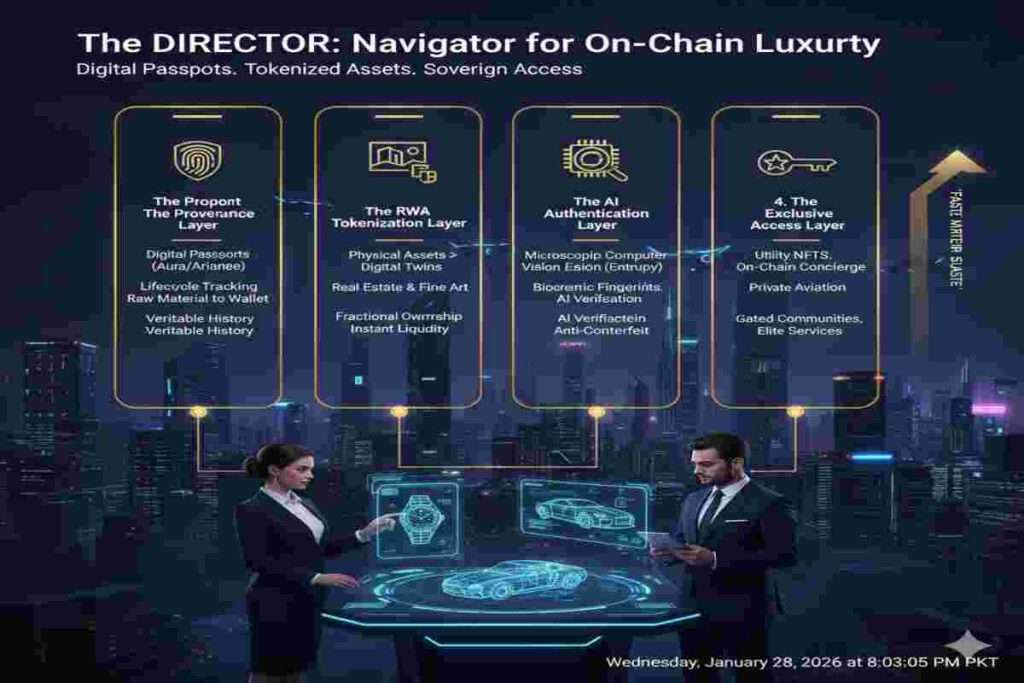
Credentials are issued by trusted entities (employers, institutions, DAOs) and anchored to the blockchain, ensuring permanence.
Scores are algorithmically derived from verifiable activities, contributions, endorsements, and skill attestations, providing an objective, trustless measure of career value.
Quantitative reputation scoring creates standardized trust metrics across platforms. Score your reputation, not your resume; the blockchain does not lie.
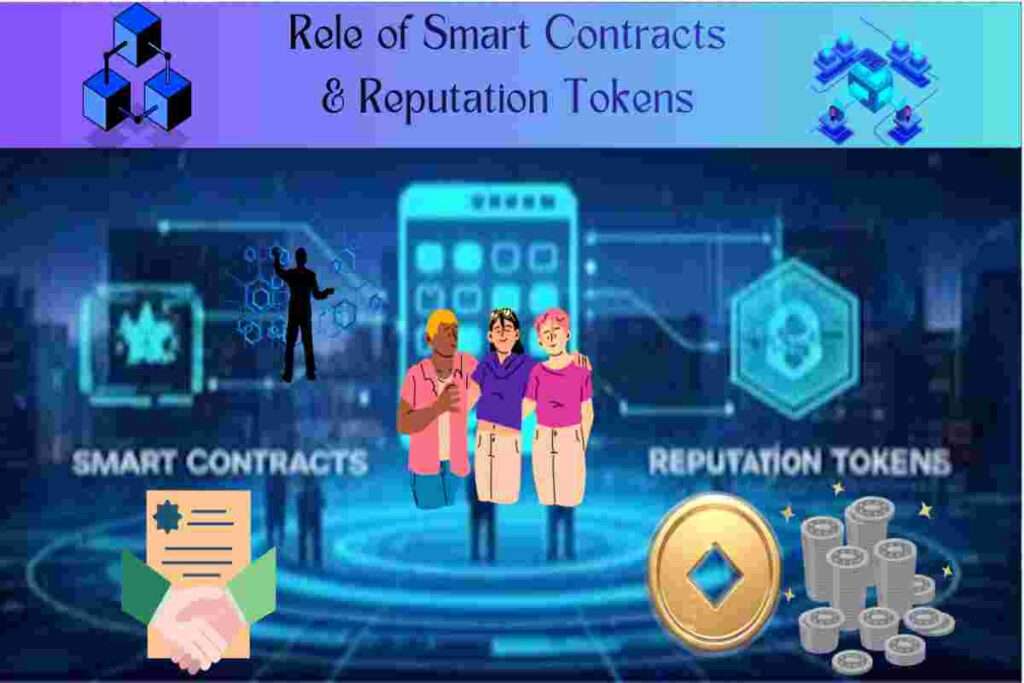
Smart contracts automate verification, revocation, and scoring mechanisms. Reputation tokens can serve as a standardized unit for quantifying professional credibility.
Smart contracts automate verification, while reputation tokens quantify trustworthiness. Smart contracts and reputation tokens are the legal tender of digital trust.
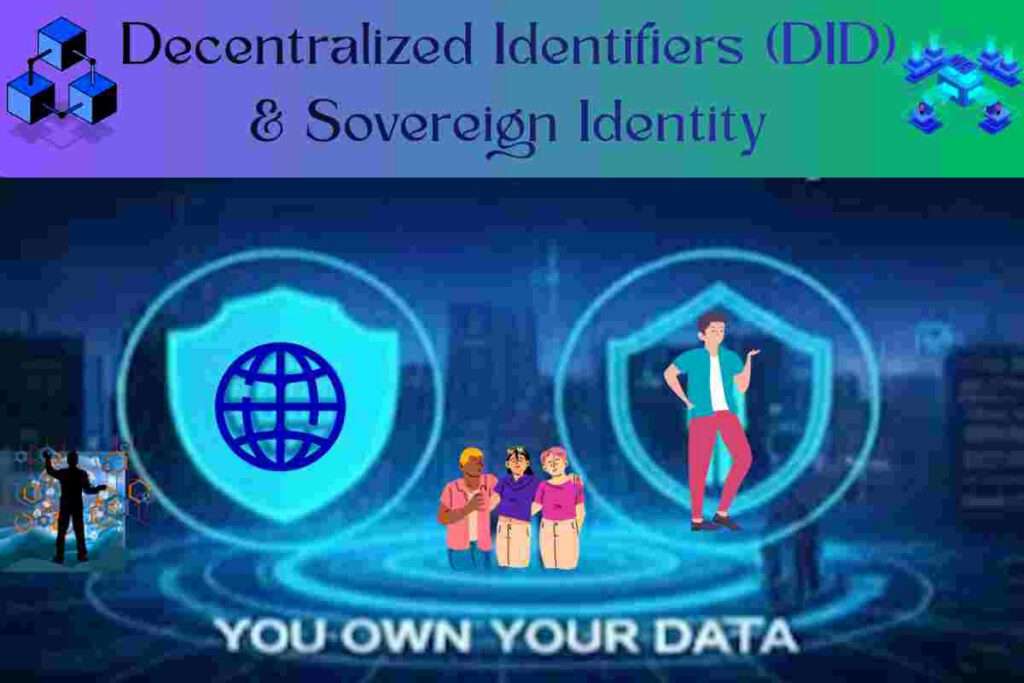
Technologies such as Soulbound Tokens (SBTs) and Decentralized Identifiers (DIDs) create self-sovereign professional identities. Technologies like Soulbound Tokens and DIDs let your professional identity exist independently of any platform.
Individuals control their identifiers and data without intermediaries, maintaining ownership and privacy.
Self-sovereign identity empowers individuals to own and manage their digital reputation. Self-sovereign identity is freedom; DIDs make your reputation portable and secure.
Non-transferable tokens represent immutable proof of achievements, certifications, and memberships.
SBTs provide verifiable, non-transferable badges for skills and achievements. Soulbound Tokens turn professional achievements into non-transferable proof of value.
Allow individuals to prove credentials or reputation scores without revealing sensitive data, balancing transparency with privacy.
Zero-knowledge proofs allow professionals to prove skills without exposing sensitive data. Zero-knowledge proofs let you prove your worth without revealing all your secrets.
| Technology | Purpose | Benefit |
|---|---|---|
| Decentralized Identifiers (DIDs) | Unique identity | Ownership & portability |
| Verifiable Credentials (VCs) | Credential issuance | Tamper-proof proof |
| Soulbound Tokens (SBTs) | Non-transferable badges | Permanent record |
| Zero-Knowledge Proofs | Privacy-preserving verification | Selective disclosure |
Instant verification reduces hiring delays and ensures confidence in credentials.
Automated verification minimizes administrative overhead and protects against falsified claims.
Blockchain-based verification eliminates intermediaries and fraud risks. Blockchain reduces verification costs and prevents fraud before it even happens.
Individuals maintain control of their professional record across platforms, employers, and borders.
Reputation that moves across platforms increases professional leverage. A reputation that stays with you across platforms is a revolution in trust.
Verified reputation can serve as a form of social or professional collateral in decentralized finance or networked professional ecosystems.
Verified reputation can act as a new form of economic collateral. Your on-chain reputation can be your collateral in the economy of trust.
| Metric | Traditional Approach | On-Chain Approach |
|---|---|---|
| Verification Time | Days–Weeks | Seconds |
| Hiring Cost | High | Reduced |
| Global Portability | Low | High |
| Fraud Prevention | Low | High |
| Career Capital Leverage | Limited | Possible |
Employers can instantly verify candidate achievements and credentials, eliminating costly and slow manual verification processes.
On-chain reputation simplifies and secures verification for employers. Hiring should be about verified skills, not unverifiable claims. On-chain reputation solves this problem.
Portable reputation enables global work access, removing barriers created by platform-specific ratings and fragmented profiles.
Portable, verified reputation enables gig workers to compete globally. For gig workers, your reputation is your resume; make it portable with blockchain.
Reputation-weighted voting ensures governance participation is proportional to verified contributions, enhancing fairness and accountability.
Reputation ensures accountability in decentralized autonomous organizations. DAOs thrive on trustless systems, but on-chain reputation ensures accountability without intermediaries.
Immutable proof of past performance unlocks trust in cross-border hiring and remote collaboration.
Verified credentials break down international hiring barriers. Global labor markets demand verifiable proof; on-chain credentials are the passport of talent.
Demonstrates cross-platform validation of contributions in open-source projects.
Aggregates decentralized credentials to provide a single, verifiable professional identity.
DAOs, hackathons, and decentralized gig platforms serve as early use cases for reputation portability.
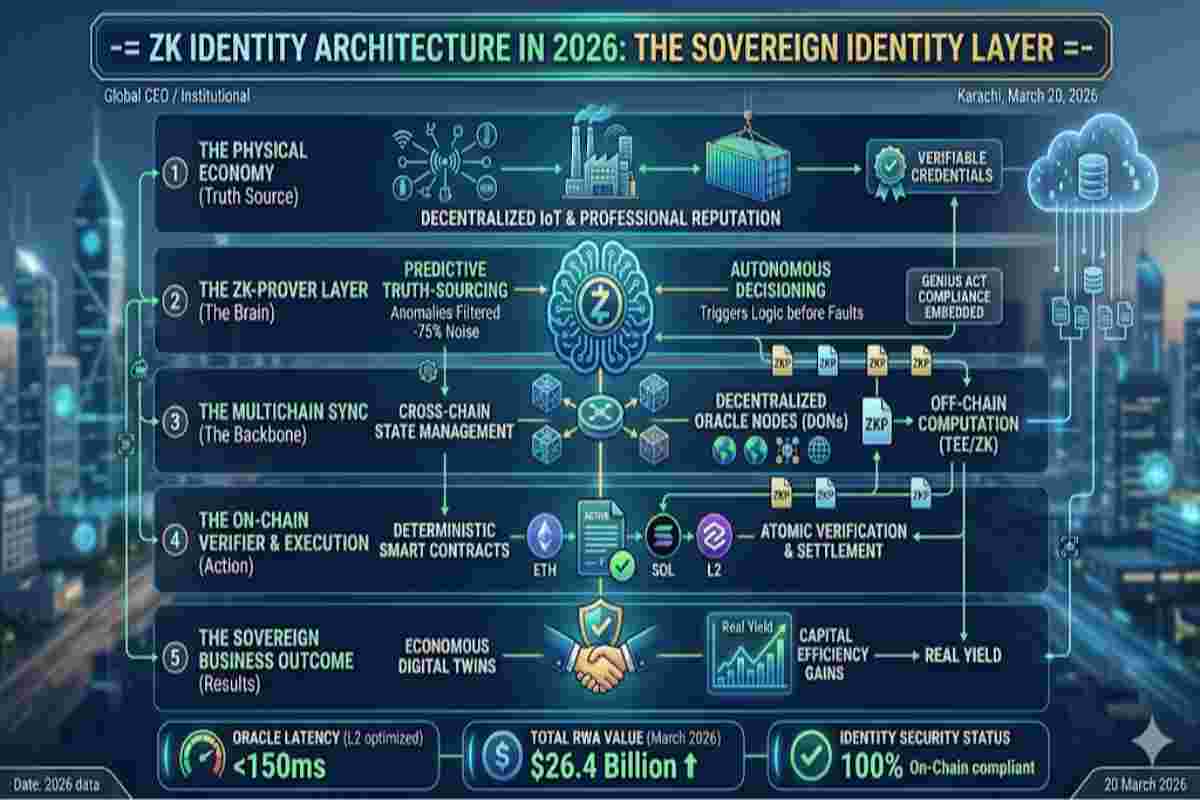
Striking a balance between public verification and personal privacy is critical; sensitive career data should remain selectively disclosed. Balancing visibility with confidentiality is key for sustainable reputation. The balance between privacy and transparency defines the value of your on-chain reputation.
Excessively public records may expose individuals to bias or exploitation. Excessive exposure can compromise personal and professional safety. Visibility brings trust, but too much visibility can cost you your freedom.
Allow verification of skills or reputation without exposing the underlying private data, preserving privacy while maintaining trust. Selective disclosure allows privacy-respecting verification. Selective disclosure lets you prove enough without showing everything.
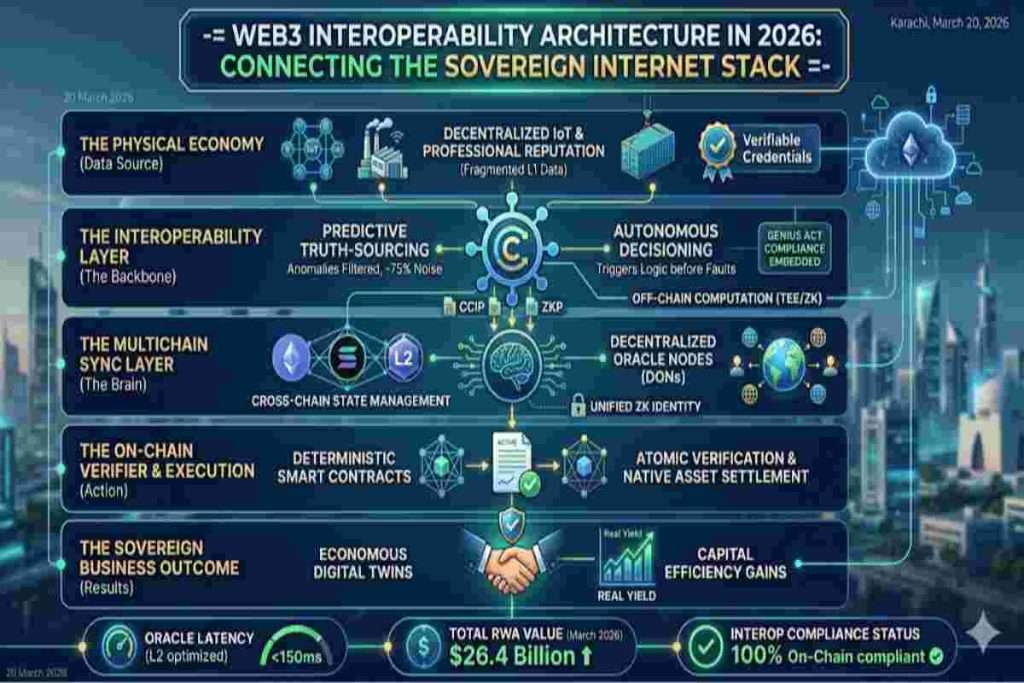
Standards are required to avoid siloed reputations. Without standards, your reputation is trapped in a silo. Interoperability sets it free.
Different blockchains and platforms often implement incompatible systems, limiting universal portability. Isolated protocols fragment professional identity and reduce trust. Silos destroy trust; only cross-chain reputations survive the digital economy.
Emerging protocols aim to enable seamless transfer of reputation across chains and applications. Reputation must move seamlessly across chains to unlock global opportunities. Reputation should flow freely across chains, just like value.
Decentralized identity standards (DIDComm, W3C VC) are critical to ensuring interoperability and reliability.
Compliance with GDPR, CCPA, and emerging digital identity legislation is essential for ethical adoption.
Individuals must retain control over who can view or validate their reputation and retain the right to revoke credentials.
Ensuring reputational scores are not misused for discrimination or unfair exclusion is a critical consideration.
Select protocols that support interoperability, privacy, and future-proof standards.
Participate in verified work, contribute to communities, and maintain consistent digital identity hygiene.
AI agents may evaluate reputation scores to automate hiring, mentoring, and task assignment.
Verified reputation may unlock access to credit, lending, or staking opportunities in professional ecosystems.
Combining on-chain reputation with off-chain achievements and AI-driven verification ensures comprehensive evaluation.
Q: Can I “hide” a bad project from my on-chain CV?
Not easily. Blockchains are inherently transparent. The best strategy is “Recovery through Contribution”—systematically proving you have evolved and improved in subsequent blocks to overshadow past entries.
Q: Who “owns” the data in an on-chain reputation system?
You do. Unlike Web2 platforms, you hold the private keys to the decentralized identity “hub” where your professional credentials and history reside.
Q: What is a Soulbound Token (SBT)?
It is a non-transferable asset that cannot be sold. It acts as a permanent, verifiable mark of a specific achievement or credential that stays in your wallet indefinitely.
Q: Is on-chain identity safe from AI deepfakes?
Yes. Since every professional “action” must be cryptographically signed by your unique private key, an AI cannot “spoof” or fake your verified professional history.
Q: Does LinkedIn accept on-chain credentials yet?
In 2026, many major platforms have integrated “Verify via Wallet” features, allowing users to pull in their on-chain badges and Proof of Contribution (PoC) directly.
Q: What if I lose the keys to my identity wallet?
You should utilize “Social Recovery” or MPC (Multi-Party Computation) wallets. these allow trusted peers or recovery services to help you regain access without needing a traditional seed phrase.
Q: How do DAOs use this for hiring?
Many DAOs employ “Reputation Gates.” This means you may be restricted from applying for high-level roles unless your wallet contains specific tokens proving you have successfully contributed to similar protocols.
Q: Is my on-chain identity linked to my real name?
Only if you opt-in. Many 2026 professionals operate via a “Pseudonymous Identity” which is often more trusted than a legal name because the history is mathematically verifiable.
Q: Can a former boss “delete” my on-chain recommendation?
No. Once a recommendation is issued as an on-chain credential, the issuer generally cannot “revoke” or delete it from your wallet without your protocol-level consent.
Q: How do I start building my “Sovereign Career” today?
Begin by contributing to open-source projects or DAOs. Ensure you request “Proof of Contribution” (PoC) tokens for every milestone reached to build your immutable professional ledger.
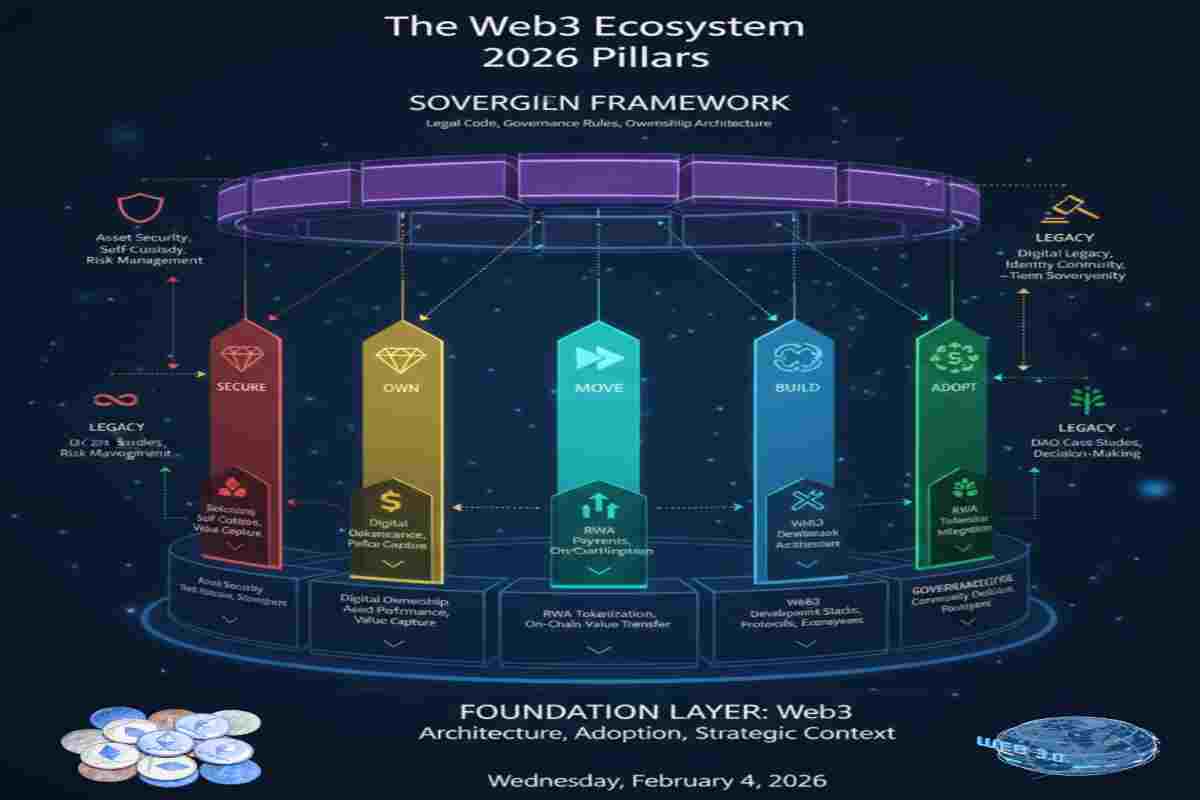
As part of the SECURE pillar, this guide focuses on digital asset protection, custody architecture, and institutional-grade risk management in Web3.
Explore related pillars:
Each pillar functions independently while forming a complete sovereign Web3 lifecycle model.
By the end of this piece, the reader should no longer see reputation as something that resets with each employer, platform, or economic cycle — but as a long-lived asset that compounds when designed correctly. They can now distinguish between superficial on-chain badges and career-grade reputation systems, understand what should live on-chain versus off-chain, and recognize the risks of fragmented identities and siloed credentials. What remains — and what this post prepares them for — is the next layer: how reputation integrates with payments, governance, AI hiring systems, and global labor markets. The takeaway is agency: owning a professional identity that travels with you, remembers your work, and cannot be erased by platform failure, policy shifts, or borders.
Embrace on-chain reputation to future-proof your career assets and maintain control over your professional identity.
learn more about Blockchain Basics https://bitcoin.org/en/how-it-works
Bitcoin learn more about Bitcoin https://developer.bitcoin.org/devguide/
Welcome to OwnProCrypto (Own & Pro Crypto) — a next-generation Bitcoin and blockchain education platform where the science of finance meets the power of AI-driven automation.
Our mission is simple: to equip you with the knowledge, frameworks, and tools needed to make smarter financial and business decisions in the Web3 economy.
Beyond analysis, OwnProCrypto focuses on transparency, verifiable data, and practical frameworks that investors and builders can actually use. Our goal is not hype — but clear thinking, disciplined analysis, and long-term value creation in the decentralized economy.
Our Background
As part of the Web3 Ecosystem Architecture pillar, this guide focuses on Sovereign Ownership Architecture in Web3. Explore related pillars: