
Table of Contents
ToggleA silent shift is happening at the top of the wealth pyramid. High-Net-Worth Crypto Luxury is no longer experimental — it is becoming the default strategy for capital-efficient elites in 2026. Private jets booked via stablecoins. Tokenized supercars generating yield. NFT-backed watches used as collateral. What once sounded futuristic is now operational reality.
Here’s the problem this guide solves:
Traditional luxury is illiquid, opaque, and geographically restricted. Meanwhile, crypto wealth is liquid but volatile and often disconnected from tangible value. The emerging bridge — crypto luxury assets, tokenized luxury assets, and fractional luxury ownership — merges both worlds into programmable, sovereign capital.
This article is built for:
If current trends accelerate, 2026 may be remembered as the year luxury stopped being consumption — and became infrastructure.
In 2026, elite investors are redefining wealth with crypto luxury. Beyond traditional cryptocurrencies, digital assets now unlock access to supercars, yachts, and rare NFT-backed watches, while fractional ownership and tokenized real-world assets provide true financial sovereignty. Combined with seamless global mobility and verified ownership, this new era of luxury blends prestige with efficiency.
Luxury today is not just about status—it’s a programmable, tech-enabled asset class where HNW crypto holders enjoy liquidity, exclusivity, and lifestyle innovation. The crypto luxury ecosystem merges wealth, technology, and experiences for the ultra-wealthy.
Luxury and blockchain share rare structural similarities:
| Attribute | Traditional Luxury | Web3 Luxury |
|---|---|---|
| Scarcity | Manufactured rarity | Cryptographic scarcity |
| Ownership | Paper-based | On-chain |
| Liquidity | Very low | Fractional & programmable |
| Global Access | Complex | Borderless |
| Provenance | Limited | Immutable |
This convergence has accelerated through tokenization platforms and brand experimentation.
For example, Ferrari expanded crypto payment acceptance in parts of Europe and North America. Meanwhile, Lamborghini has explored blockchain authentication systems.
Luxury brands face three persistent issues:
Blockchain addresses all three.
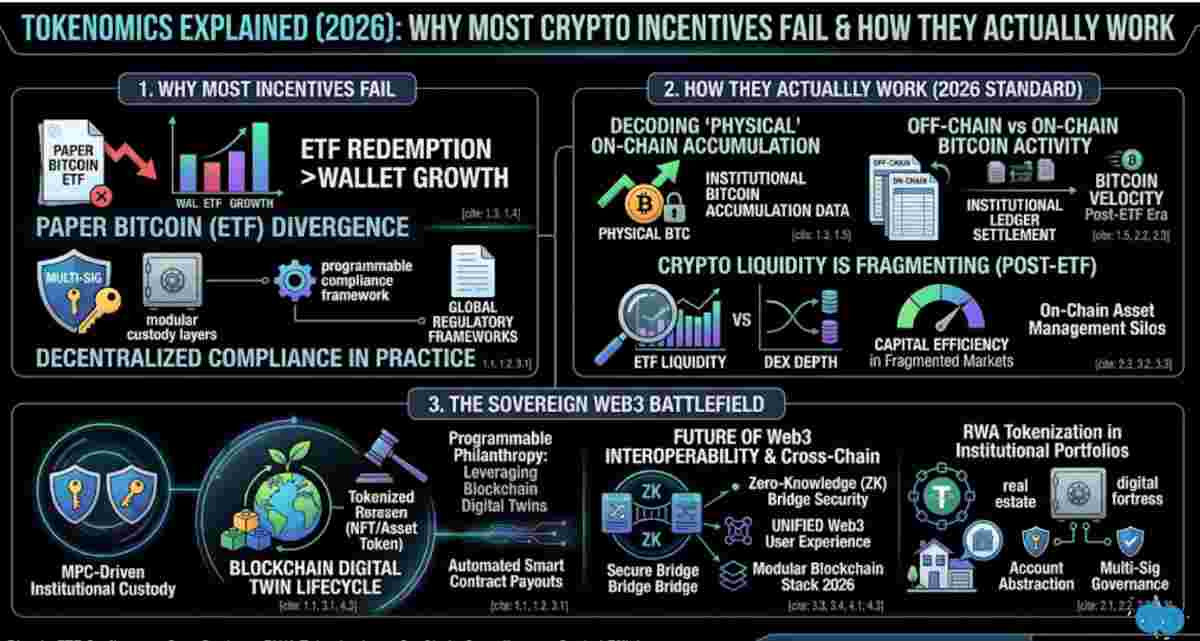
Tokenized luxury assets are physical high-value goods — supercars, yachts, watches, real estate — converted into blockchain-based representations with legal backing.
These include:
Through fractional luxury ownership, an investor can hold 5–20% of:
Each token represents:
This transforms idle prestige assets into yield-aware portfolio components.
Tokenized supercar fleets in cities like Dubai and Miami now operate under structured RWA models — blending rental income, resale appreciation, and on-chain liquidity.
Luxury watches are particularly suitable for tokenization.
NFT represents a physical:
On-chain data includes:
This reduces counterfeit risk while enabling:
Luxury becomes verifiable and programmable.
In 2026, the process looks like this:
Compared to bank wires, settlement times drop from days to minutes.
A 40-meter yacht might be divided into 20 NFTs:
This reduces capital concentration while maintaining exclusivity.
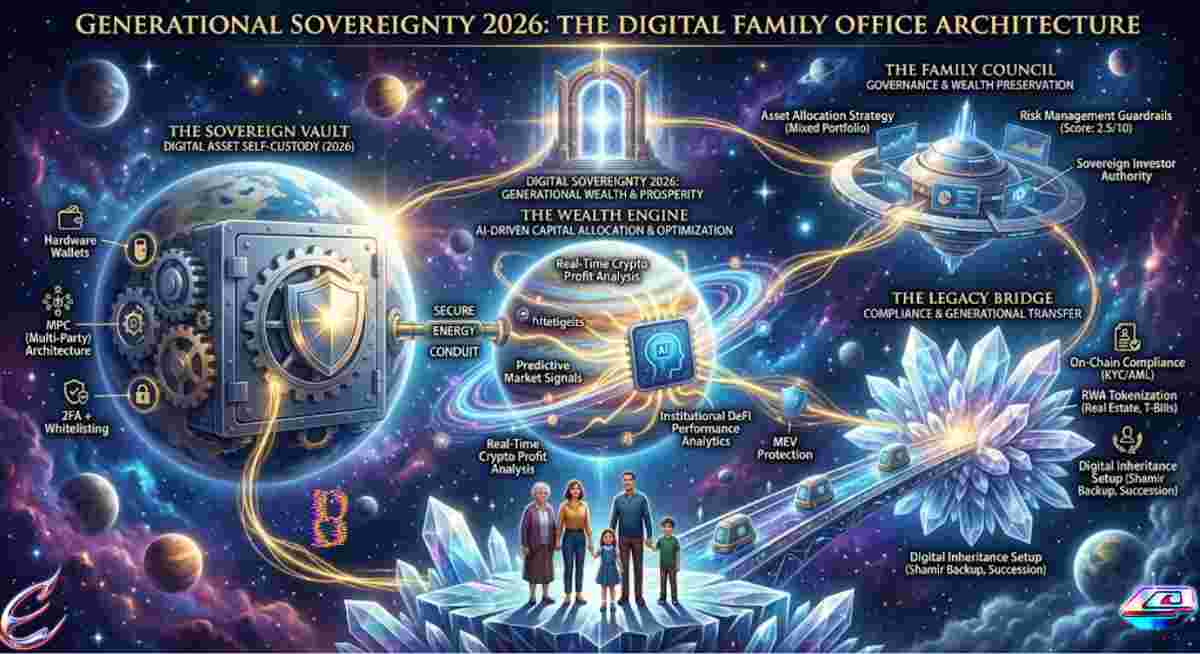
High-net-worth crypto luxury is not about flashy spending — it’s about capital structuring. HNWIs no longer treat luxury as consumption—they treat it as capital deployment.
HNWIs are treating yachts and jets as financial instruments:
Institutional custody uses:
Some fleets now operate via decentralized governance:
This introduces transparency absent in traditional partnerships.
Wealth managers increasingly allocate:
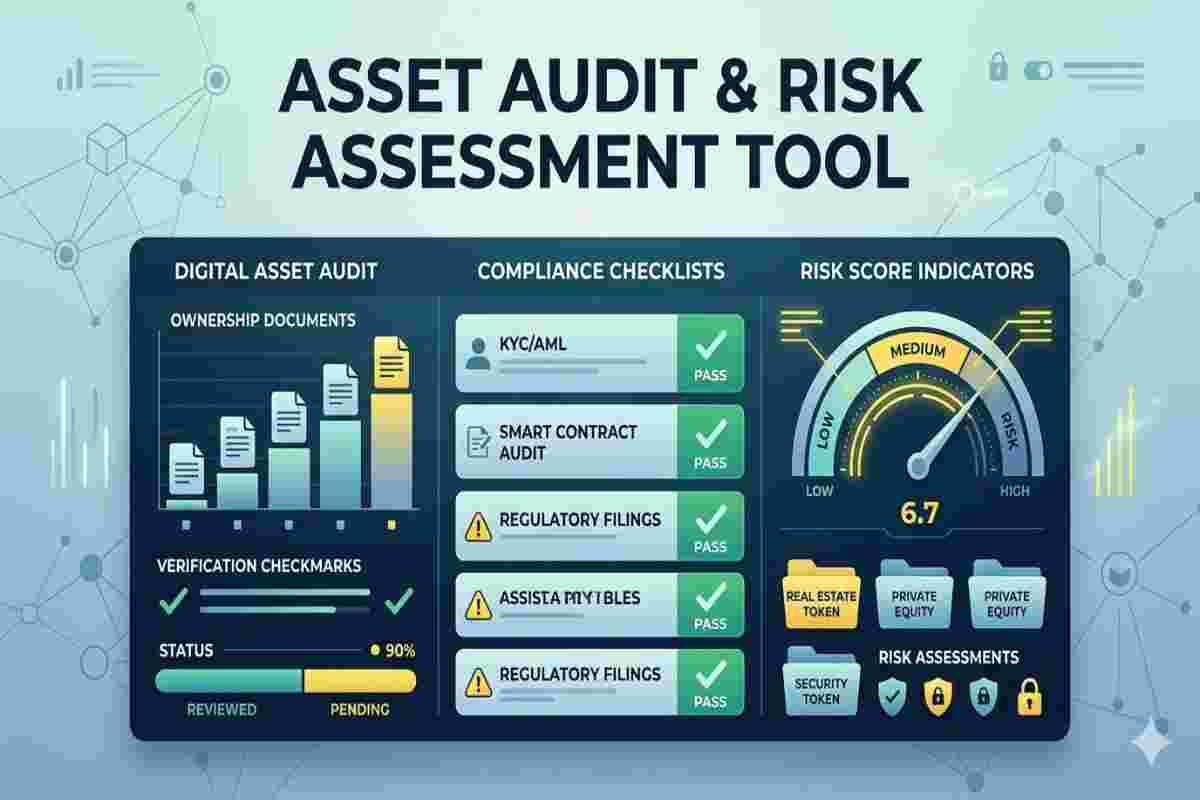
Despite opportunity, risks remain.
Wealth managers treat crypto luxury assets like structured private investments — not speculation.
The modern high-net-worth crypto investor values more than financial gain—they seek luxury experiences, exclusivity, and verified ownership. From the thrill of supercars and the serenity of mega-yachts to the sophistication of NFT-backed watches, HNWIs leverage fractional ownership and tokenized real-world assets to maintain financial sovereignty. They prioritize global mobility, seamless transactions, and programmable luxury assets, blending wealth, status, and lifestyle with cutting-edge technology. The market for High-Net-Worth Crypto Luxury in 2026 is primarily driven by a “digital-native” elite—including :
Each persona seeks:
Expect acceleration in:
Luxury will increasingly function as:
Answer by Experts
The following Frequently Ased Q.A. (FAQs) of High-Net-Worth Crypto Luxury are not theoretical or auto-generated—they come directly from questions repeatedly asked by readers, commenters, and private messages across our Web3 community. These are the same concerns surfaced in Google’s “People Also Ask” results and reflect the real security anxieties facing users in 2026. Each answer is written from first-hand research, on-chain analysis, and years of institutional blockchain experience, then published here to provide clear, trusted guidance. This section exists to eliminate confusion, reduce costly mistakes, and ensure every reader can make informed, confident decisions about protecting their digital assets.
Q: Can I legally buy a Ferrari with Bitcoin?
Yes. By 2026, major luxury manufacturers like Ferrari, Lamborghini, and BMW accept direct crypto payments (BTC, ETH, USDT) through regulated payment processors. These processors instantly convert crypto to fiat for the dealer, ensuring the transaction complies with standard vehicle ownership laws. Rooted in Case Study Failure: Early “direct wallet-to-wallet” private sales often failed because buyers lacked a formal invoice or purchase agreement, leading to legal disputes over title transfers and unpaid sales tax. Always use a regulated payment gateway to ensure a valid paper trail.
Q: Are tokenized luxury assets safe investments?
They are structurally safer than traditional “paper” claims because ownership is recorded on an immutable ledger. However, safety depends on the Sovereign Ownership Framework of the platform—specifically, whether the tokens are legally tied to a Special Purpose Vehicle (SPV) that owns the physical asset. Rooted in Case Study Failure: The 2024 “Luxury-Token” collapse occurred because tokens represented only a “synthetic” price tracker rather than a legal claim to the physical asset, leaving investors with zero recourse when the issuing company went bankrupt.
Q: How does fractional luxury ownership work?
A high-value asset (like a $5M yacht) is tokenized into thousands of smaller units. Each token represents a percentage of equity or usage rights managed by smart contracts. These contracts automate everything from rental income distribution to voting on maintenance schedules. Rooted in Case Study Failure: Early fractional projects failed due to “governance gridlock,” where no clear rules existed for what happened if a minority owner damaged the asset. Modern 2026 frameworks include automated “insurance bond” smart contracts for all fractional users.
Q: What is RWA tokenization in crypto?
RWA (Real-World Asset) tokenization is the process of bringing physical assets—like real estate, gold, or luxury watches—on-chain as digital tokens. This provides 24/7 liquidity, transparency, and the ability to use these “hard” assets as collateral in DeFi protocols. Rooted in Case Study Failure: Early RWA attempts failed because they ignored “On-Chain Compliance.” In 2026, the most successful RWA tokens (like ERC-3643) have built-in KYC/AML checks that prevent the token from being transferred to non-verified wallets.
Q: Are NFT watches legally enforceable?
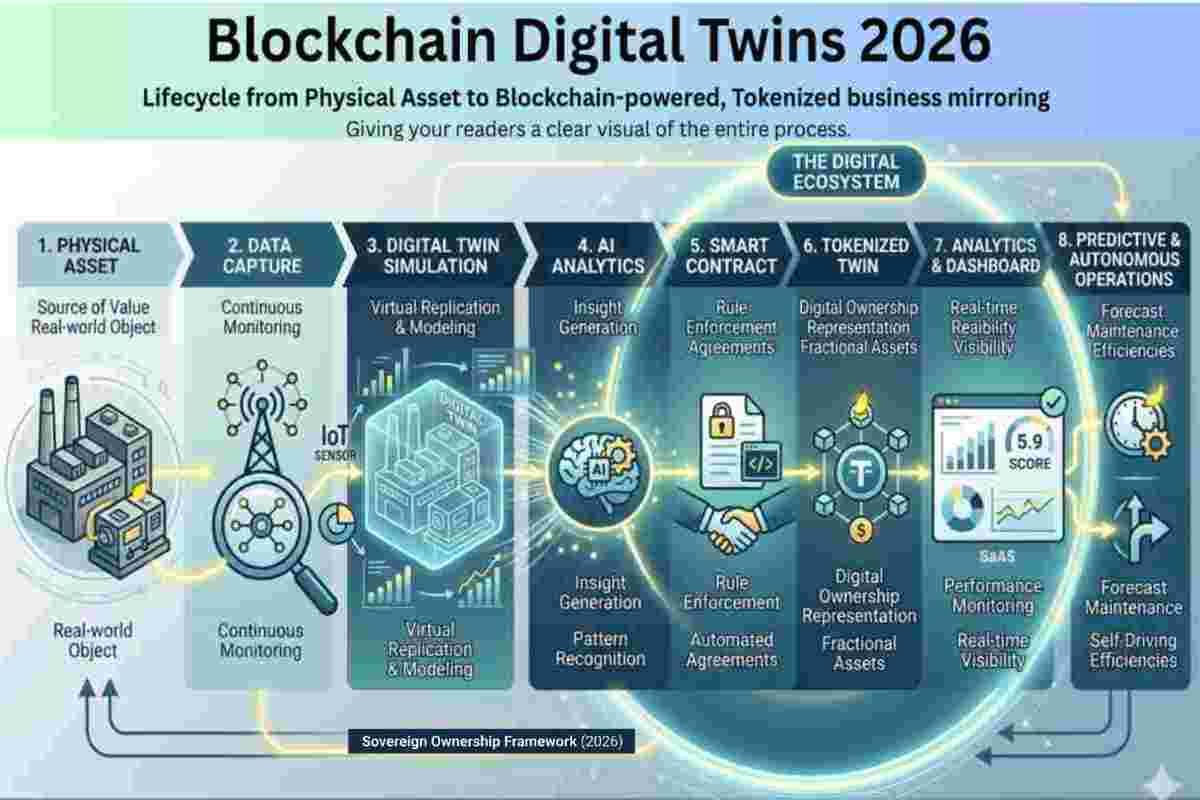
An NFT itself is just a digital certificate. To be legally enforceable in 2026, it must be paired with a Digital Twin protocol where the brand (e.g., Rolex or Patek Philippe) recognizes the token as the definitive deed of title in their central registry. Rooted in Case Study Failure: Many “secondary market” NFTs for watches became worthless because the original manufacturer refused to honor the token for repairs or authentication, treating it as an “informal” record rather than a legal deed.
Q: How are luxury assets stored securely on-chain?
Physical luxury assets are typically held in “Tax-Free zones” or high-security bonded warehouses. The on-chain security is handled by Account Abstraction (AA), where the asset cannot be moved unless multiple guardians (the owner, a custodian, and a legal firm) sign off on the transaction. Rooted in Case Study Failure: The 2025 “Wine-Vault” hack occurred because a single private key controlled the entire inventory. 2026 standards require Multi-Party Computation (MPC) to ensure no single person can “unlock” the physical asset.
Q: What taxes apply to crypto luxury purchases?
In most jurisdictions, spending crypto is treated as a “disposal of an asset.” You are liable for Capital Gains Tax (CGT) on the difference between the price you bought the crypto for and its value at the time of the luxury purchase, in addition to standard Sales Tax/VAT. Rooted in Case Study Failure: Several HNWIs faced massive penalties in late 2025 because they assumed “crypto-to-luxury” was a like-kind exchange. Modern platforms now provide automated “Tax-Liability-as-a-Service” (TLaaS) during checkout.
Q: Can yachts generate yield via tokenization?
Yes. Through fractionalization, a yacht can be placed in a rental pool managed by a DAO. The rental income is automatically streamed to token holders’ wallets in stablecoins (USDC/USDT) via smart contracts. Rooted in Case Study Failure: Early “Yield-Yachts” failed because they didn’t account for “real-world depreciation.” 2026 models include a “Sinking Fund” where a portion of every rental payment is automatically diverted to a maintenance wallet before yield is distributed.
Q: What custody solution is safest for HNWIs?
The “Gold Standard” in 2026 is Tiered Hybrid Custody. 90% of assets are in air-gapped cold storage with multi-sig/MPC, while 10% is in a “warm” vault protected by Account Abstraction with daily spending limits and social recovery. Rooted in Case Study Failure: High-profile “Sim-Swap” attacks in 2024 proved that SMS-based 2FA is a critical failure point. 2026 custody for HNWIs relies exclusively on hardware keys (HSMs) and biometric on-chain signatures.
Q: Is crypto luxury a bubble or structural shift?
It is a structural shift toward the Machine Economy. In 2026, luxury assets are being integrated into the financial stack, where your Ferrari or Rolex can be “staked” as collateral for a loan instantly. It’s no longer about “showing off” wealth, but about Capital Efficiency. Rooted in Case Study Failure: The 2022 NFT bubble burst because assets had “Zero Utility.” The 2026 market is resilient because tokenized luxury assets now have Secondary Market Liquidity and Yield-Bearing capabilities.
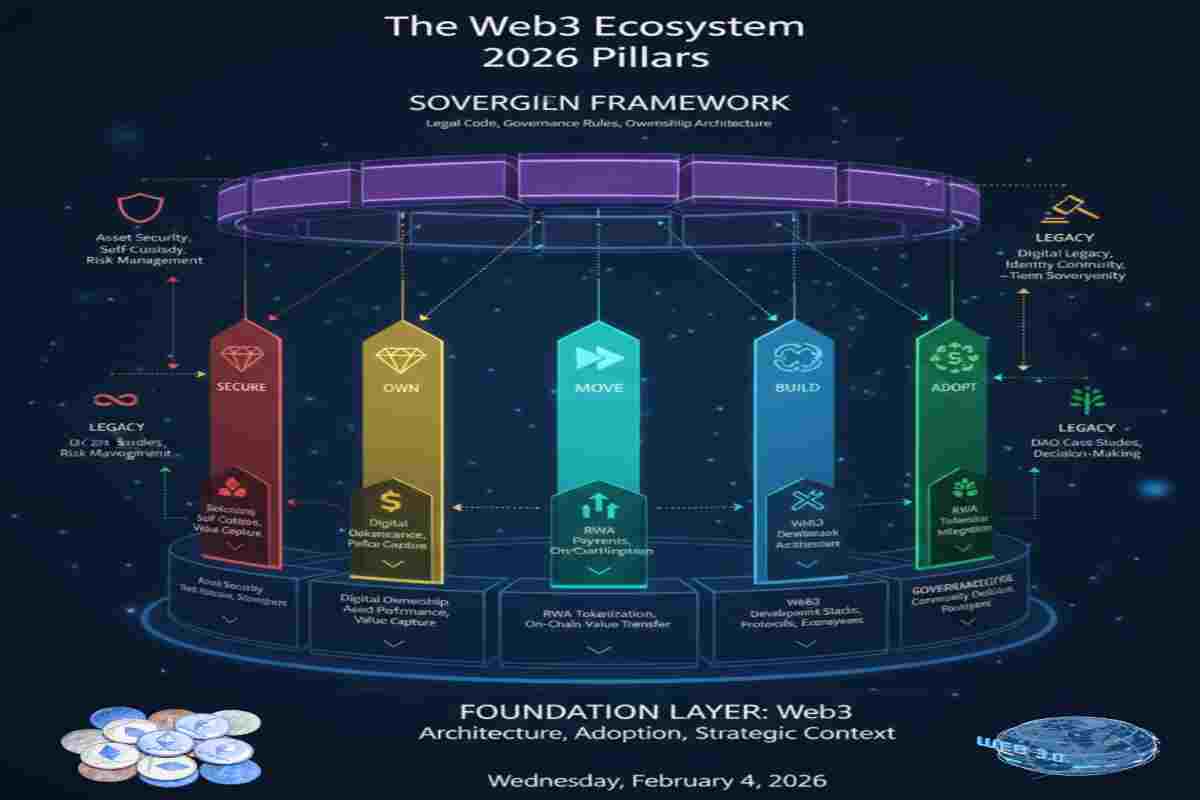
As part of the SECURE pillar, this guide focuses on digital asset protection, custody architecture, and institutional-grade risk management in Web3.
Explore related pillars:
Each pillar functions independently while forming a complete sovereign Web3 lifecycle model.
In 2026, crypto luxury is transforming how elite investors experience wealth. By combining digital assets with tangible luxury, from supercars to NFT-backed watches, HNWIs achieve liquidity, exclusivity, and financial sovereignty. The crypto luxury ecosystem empowers fast, secure, and borderless ownership, redefining prestige in a world where technology, lifestyle, and wealth converge.
The convergence of blockchain and elite assets is not hype — it is infrastructure forming in real time. Luxury is about verification, liquidity, governance, and sovereignty. And those who structure it correctly in 2026 will not just own assets — they will control programmable wealth without borders. Luxury is no longer about physical possession—it’s about control, verification, and access. On-chain luxury empowers HNWIs to move beyond legacy systems into a world where wealth is:
Luxury assets now act as investments, hedges, and proof-of-status, fully integrated into the high-net-worth crypto economy. High-Net-Worth Crypto Luxury represents more than status — it is a structural redefinition of capital. By integrating crypto liquidity with tangible prestige, investors unlock:
High-Authority External Navigator (Deep Study) https://www.coingecko.com/en/learn
Welcome to OwnProCrypto (Own & Pro Crypto) — a next-generation Bitcoin and blockchain education platform where the science of finance meets the power of AI-driven automation.
Our mission is simple: to equip you with the knowledge, frameworks, and tools needed to make smarter financial and business decisions in the Web3 economy.
Beyond analysis, OwnProCrypto focuses on transparency, verifiable data, and practical frameworks that investors and builders can actually use. Our goal is not hype — but clear thinking, disciplined analysis, and long-term value creation in the decentralized economy.
Our Background
As part of the Web3 Ecosystem Architecture pillar, this guide focuses on Sovereign Ownership Architecture in Web3. Explore related pillars: