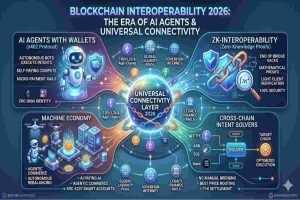
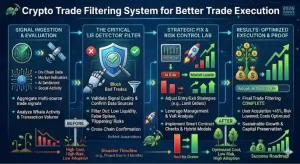
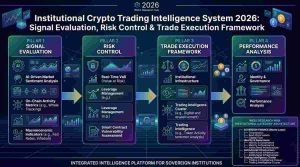
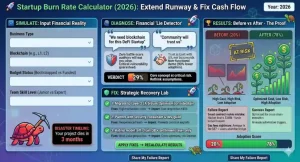
Infographic of Ownprocrypto OPC Logo for 2026 Web3 Ecosystem

Ownprocrypto:

Sovereign Asset Strategy & Web3 Institutional Research

Web3 Blog 2026: From Fragmented Chains to Seamless Connections – Real Use Cases Explained

Latest Web3 Blog Research & Analysis

Below you’ll find the most recent research, insights, and structural analyses from across the Web3 ecosystem.

The following articles are the most recent publications across all pillars

The Web3 Ecosystem: 8-Pillar Framework

I. The Core Infrastructure (Build & Connect)

II. Economic Sovereignty (Adopt & Move)

III. The Sovereign Shield (Secure & Govern)

IV. The Human Element (Legacy & Own)

Web3 Research Hub: Architecture, Compliance & No-Code Innovation for 2026

Drawing on institutional-grade insights, our Web3 Research Hub delivers the quantitative models and Web3 ecosystem architecture required to navigate the rapidly evolving digital asset landscape in 2026. From Web3 rapid prototyping to advanced on-chain compliance frameworks, this platform is designed for builders, investors, and operators shaping the next era of global finance.

Within this Web3-focused guide, we explore innovative pathways such as the beginner-to-master blockchain hackathon toolkit, enabling users to build, test, and deploy solutions without traditional coding barriers. This includes practical frameworks for achieving a measurable WIN Score, helping both technical and non-technical participants succeed in competitive Web3 environments.

For non-developers and strategic thinkers, the rise of the AI prompt specialist and the adoption of AI-powered code editors are redefining how decentralized applications are built. By leveraging a no-code smart contract builder, users can deploy scalable solutions while maintaining control over Web3 governance frameworks, ensuring alignment with principles of sovereign digital ownership, real yield, and capital efficiency.

Our Top Articles

  • Institutional Crypto Settlement: 20 Millionth Bitcoin & The GENIUS Act As Bitcoin enters its final issuance phase, discover why 2026 marks the transition from “Digital Gold” to a functional settlement layer for global institutions. Read the Strategy →
  • The DSARAE Model: Quantitative Sovereign Resilience for 2026 A detailed breakdown of the Digital Sovereign Asset Risk & Allocation Engine (DSARAE) and how it optimizes institutional portfolios during precious metal deficits. Explore the Model →
  • RWA Tokenization: Moving Beyond T+2 Settlement Rails How Real-World Asset (RWA) tokenization is bridging the gap between TradFi and the “T-Zero” efficiency of the ADOPT pillar. Analyze the Infrastructure →
  • The BlackRock ETHB Launch: Navigating Regulated Real Yield Analyzing the Nasdaq-listed iShares Staked Ethereum Trust and the impact of the GENIUS Act on institutional staking strategies. View the Case Study →

Who This Web3 Blog Is For

This blog is designed for:

  • Developers building decentralized applications
  • Institutions evaluating tokenized asset infrastructure
  • Researchers studying governance architecture
  • Professionals transitioning into Web3-native ecosystems
  • Individuals seeking long-term digital sovereignty

Whether you are securing assets, building protocols, analyzing capital flows, or designing governance models, this archive provides structured insight grounded in real architectural principles.

Web3 FAQs: Architecture & Governance

Q: How does the 2026 blog architecture define the “Connected Stack”?

The Connected Stack treats each pillar not as an isolated article, but as an interconnected node within a unified governance system. Legal code and protocol rules ensure long-term sovereignty across security, ownership, interoperability, and tokenization layers. This approach prevents fragmentation and preserves capital efficiency when cross-chain standards evolve.


Q: What is the primary role of “Sovereign Ownership” in this framework?

Sovereign Ownership shifts users from platform dependence to protocol-level control. Assets, identity, and governance rights are anchored in on-chain compliance systems rather than centralized platforms, ensuring digital continuity and censorship resistance.


Q: Why is “Real Yield” integrated into the governance architecture?

Sovereignty must be financially sustainable. By connecting governance mechanisms to real-world asset performance and tokenized infrastructure, the framework aligns incentives and directs value back to protocol participants instead of intermediaries.

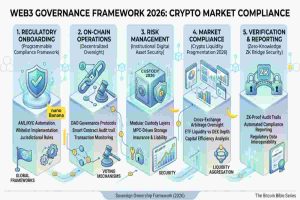
Official Frameworks & Verified Sources

To ensure your Web3 Infrastructure and Sovereign Ownership Framework align with global compliance standards, we recommend referencing the official primary sources. This document provides the legal “navigator” for digital property rights in 2026.   Official Regulatory Reference: