
Table of Contents
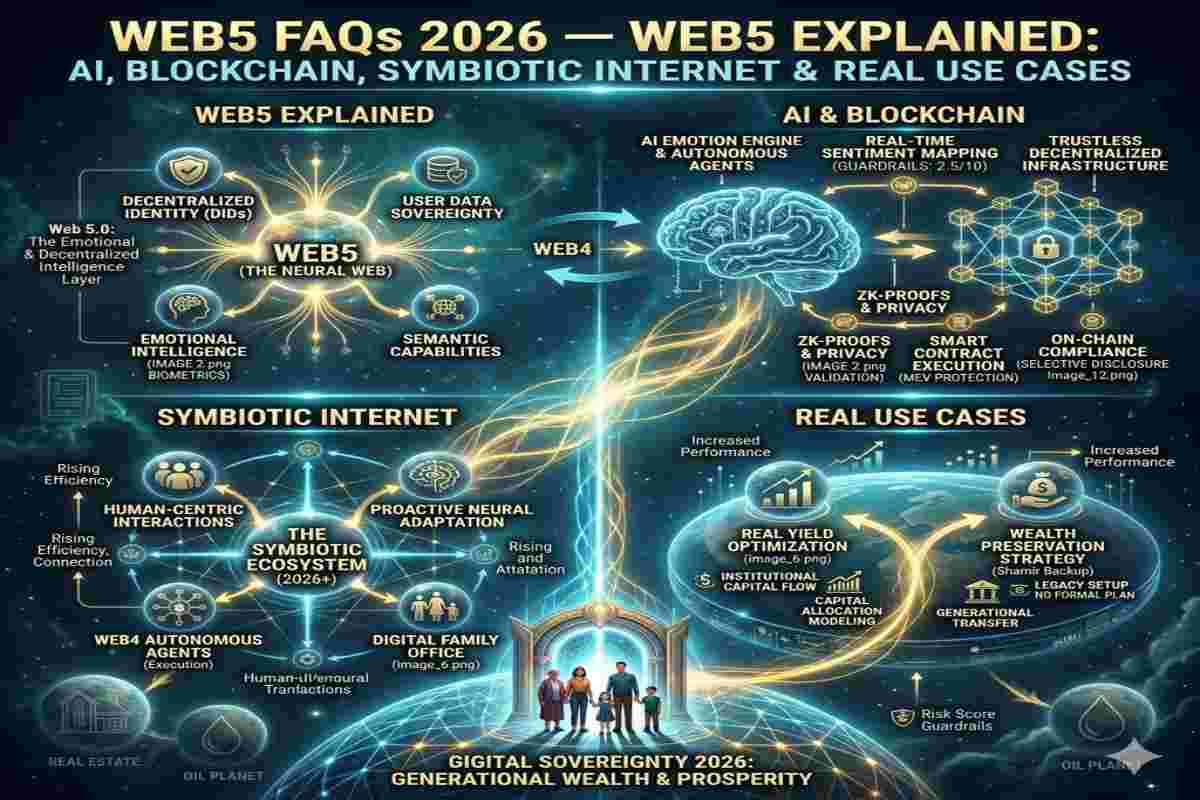
ToggleWeb 5.0 Trends are redefining the internet—not just as a network of data or intelligence, but as a system that understands human emotion, intent, and context in real time.
If Web3 introduced ownership and decentralization, and Web4 unlocked intelligent automation (see your detailed breakdown in Web4 Trends 2026: https://ownprocrypto.com/web4-trends/), then Web5 represents the next logical leap:
👉 a human-centric, emotionally aware, decentralized intelligence layer.
This shift is already emerging across AI systems, identity frameworks, and financial infrastructure. As highlighted in broader Crypto Trends 2026 (https://ownprocrypto.com/crypto-trends-2026/), innovation is increasingly moving toward user-centric and adaptive systems, not just scalable ones.
In this guide, we go beyond surface-level explanations and break down:
Web5’s focus on decentralized identity is a core component of the systems we build in our Web3 Development Guide (2026). Learn about API-first design shifts at Crossover Resources.
To understand Web 5.0 trends, we first need clarity on the Web 5.0 meaning.
Web 5.0 is the evolution of the internet into a human-aware, emotionally intelligent, and decentralized ecosystem, where systems don’t just process data—they interpret human behavior, emotions, and intent.
Unlike earlier versions, Web5 integrates identity, intelligence, and emotional context into a single layer.
This builds directly on identity frameworks like ZK Identity Architecture (https://ownprocrypto.com/zk-identity-architecture/), where users already control their data—Web5 extends that control into behavioral and emotional ownership.
The transition from Web3 → Web4 → Web5 is not incremental—it’s paradigm-level.
| Layer | Core Innovation | Limitation | Web5 Upgrade |
|---|---|---|---|
| Web3 | Ownership & decentralization | Limited UX | Adds intelligence + emotion |
| Web4 | AI automation | Lacks human context | Adds emotional awareness |
| Web5 | Human-centric intelligence | — | Full adaptive interaction |
Web4 systems (as covered in Web4 Trends: https://ownprocrypto.com/web4-trends/) introduced AI agents, but those agents lacked emotional awareness and personalization depth.
Now, with the rise of AI Agents in Web3 (https://ownprocrypto.com/ai-agents-in-web3/), we’re already seeing early Web5 behavior—autonomous systems that interact, decide, and adapt.
Key takeaway:
Web5 doesn’t replace Web4—it humanizes it.
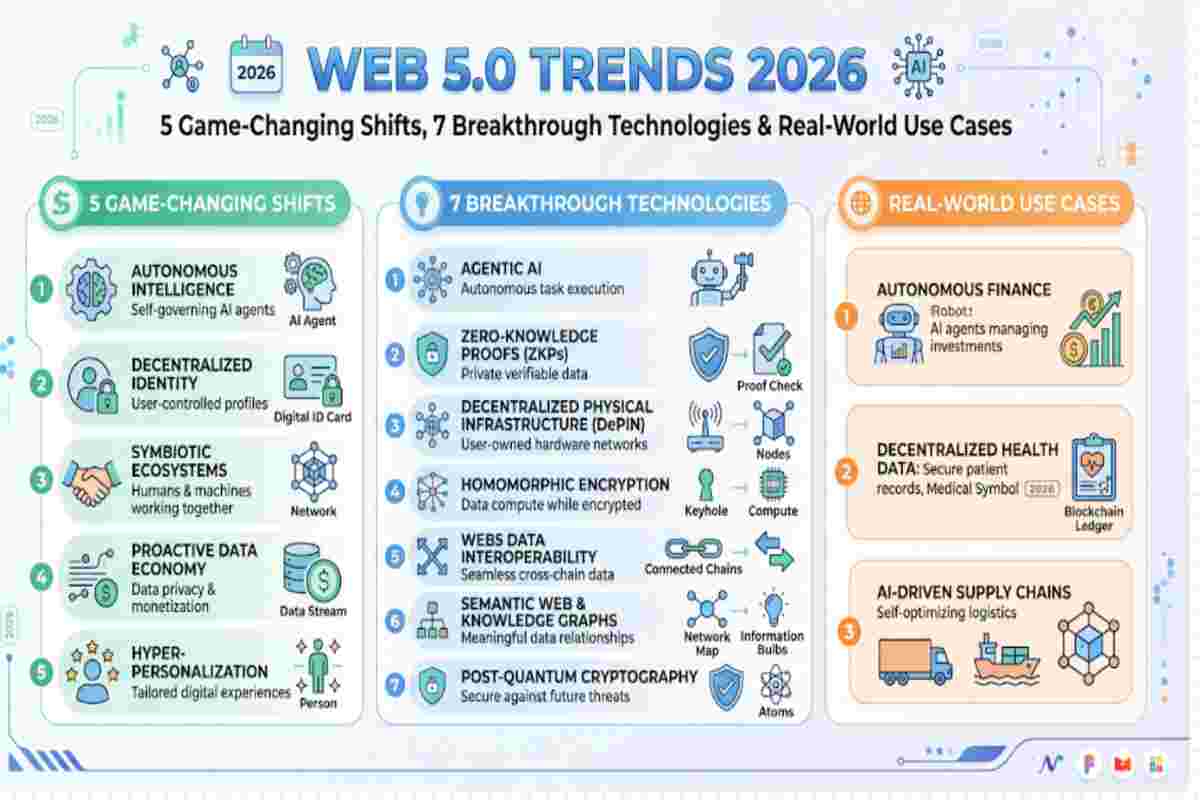
AI is shifting from logic-driven systems to emotionally responsive intelligence.
This evolution builds on systems explored in Artificial Intelligence Crypto (https://ownprocrypto.com/artificial-intelligence-crypto/), where AI already powers decision-making—but Web5 adds human understanding.
What’s changing:
This transforms everything from customer support to trading interfaces.
Identity in Web5 is no longer static—it becomes dynamic and behavior-driven.
Frameworks like ZK Identity Architecture already enable self-sovereign identity, but Web5 extends this into:
This aligns with broader Asset Security 2026 frameworks (https://ownprocrypto.com/asset-security-2026/) where ownership expands beyond assets into data and identity layers.
We are moving toward AI as a partner, not a tool.
Early examples exist in:
This trend is closely tied to Enterprise Crypto Stack evolution (https://ownprocrypto.com/enterprise-crypto-stack/), where automation is becoming deeply embedded in institutional systems.
In Web5, interfaces disappear—interaction becomes conversational and contextual.
Web5 platforms use behavioral data to deliver real-time adaptive experiences.
This builds on tokenized data flows and interoperability layers explored in:
Result:
The most advanced Web 5.0 trend is direct neural interaction.
While still early, this connects with long-term infrastructure shifts like:
Web5 ultimately moves toward thought-driven interaction, not just touch or voice.
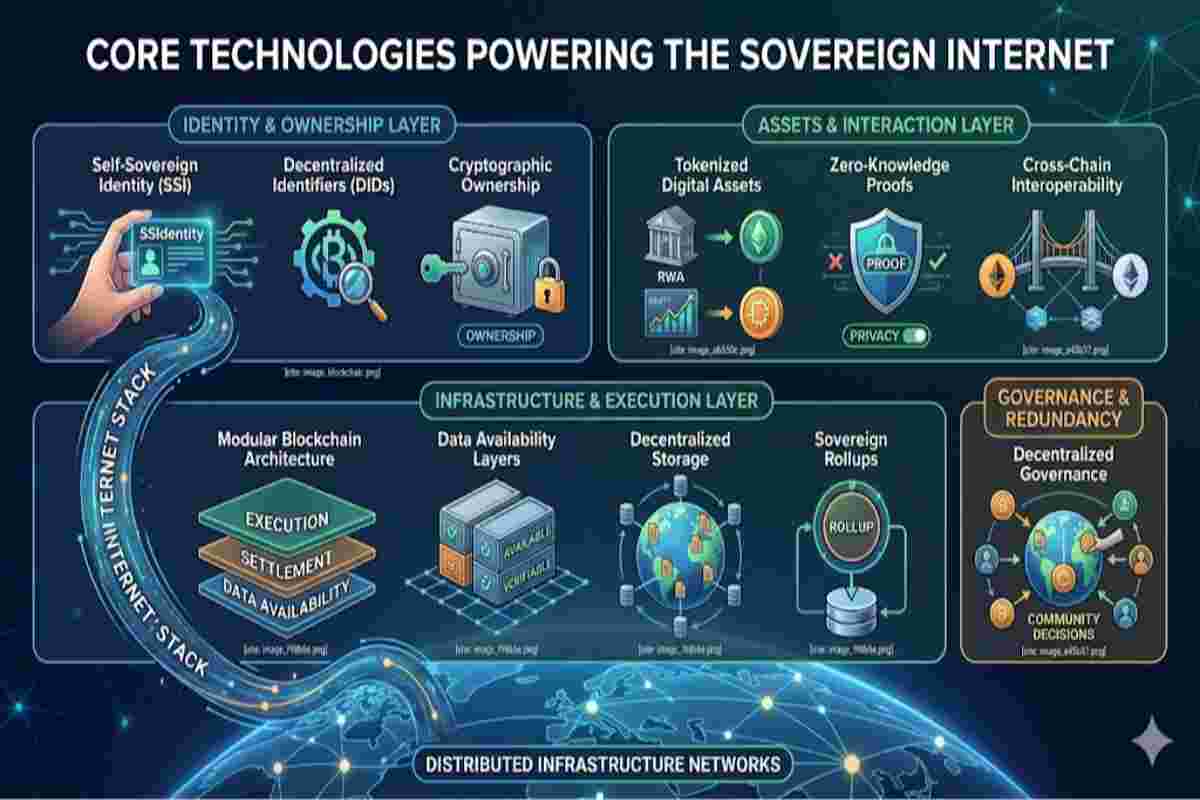
Web5 is powered by a convergence of technologies—not a single stack.
These technologies build on foundations explained in Blockchain Primitives (https://ownprocrypto.com/blockchain-primitives/) and practical implementation layers in the Web3 Development Guide (https://ownprocrypto.com/web3-development-guide/).
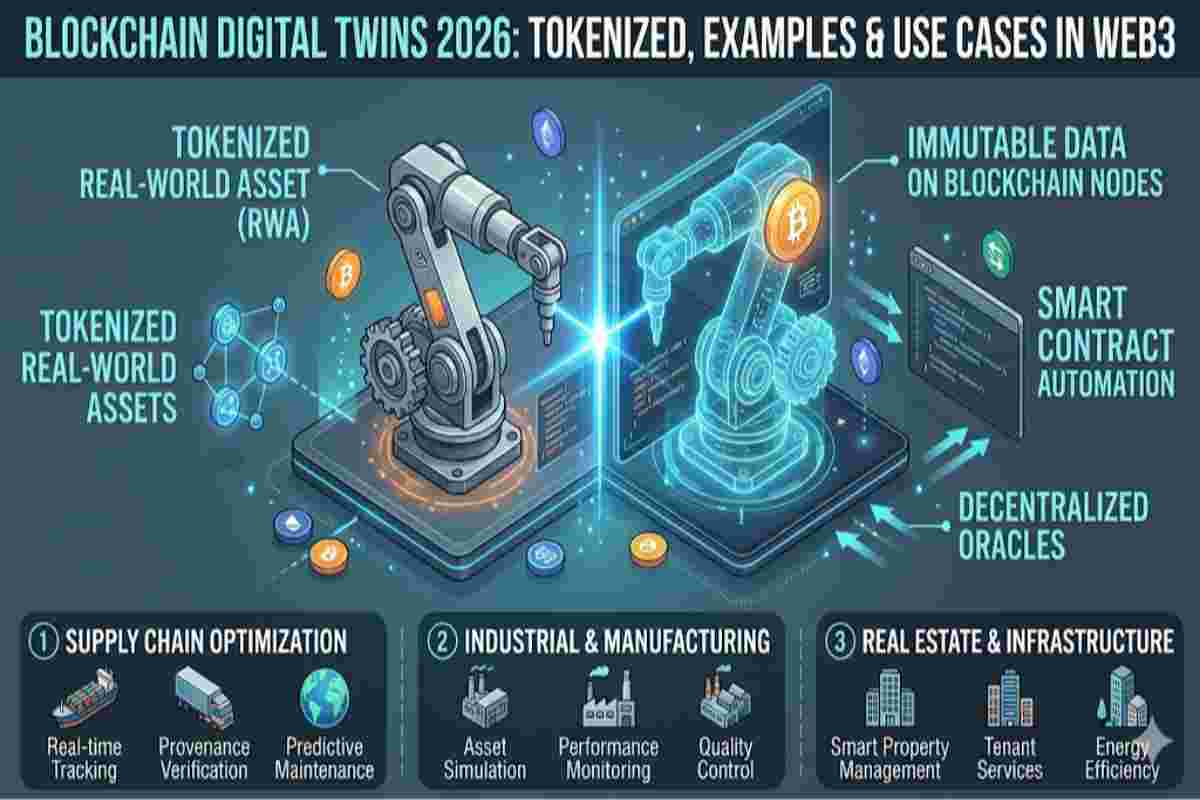
Web5 is not theoretical—it’s emerging across industries already.
Emotion-aware assistants providing real-time support
Connected with tokenized health data (see Blockchain Digital Twins: https://ownprocrypto.com/blockchain-digital-twins/)
Adaptive financial systems tied to real yield models (https://ownprocrypto.com/real-yield-vs-token-incentives/)
Integrated with RWA Tokenization (https://ownprocrypto.com/rwa-tokenization/)
Powered by behavioral + infrastructure data
Built on Smart Contract Modules (https://ownprocrypto.com/smart-legal-contract-modules/)
Driven by Stablecoin Payments (https://ownprocrypto.com/stablecoin-payments/)
Connected to macro insights like Bitcoin as a Macro Hedge (https://ownprocrypto.com/bitcoin-as-a-macro-hedge/)
Evolving from ZK identity frameworks
Aligned with Digital Family Office Architecture (https://ownprocrypto.com/digital-family-office-architecture/)
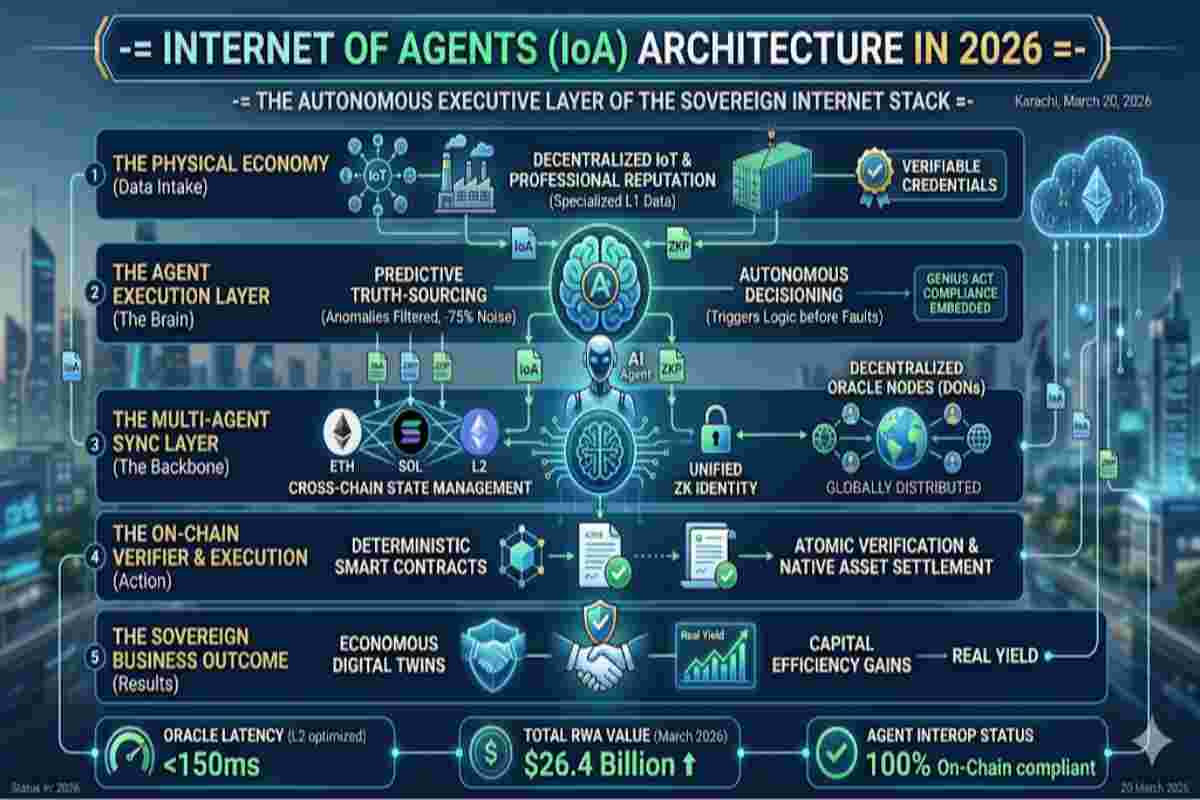
Web5 architecture is layered:
Edge computing + decentralized networks
Blockchain + behavioral data
AI + emotional processing
Smart contracts + adaptive systems
XR + cognitive interfaces
This stack builds directly on your Web3 stack architecture (https://ownprocrypto.com/web3-development-guide/) and extends it into human interaction layers.
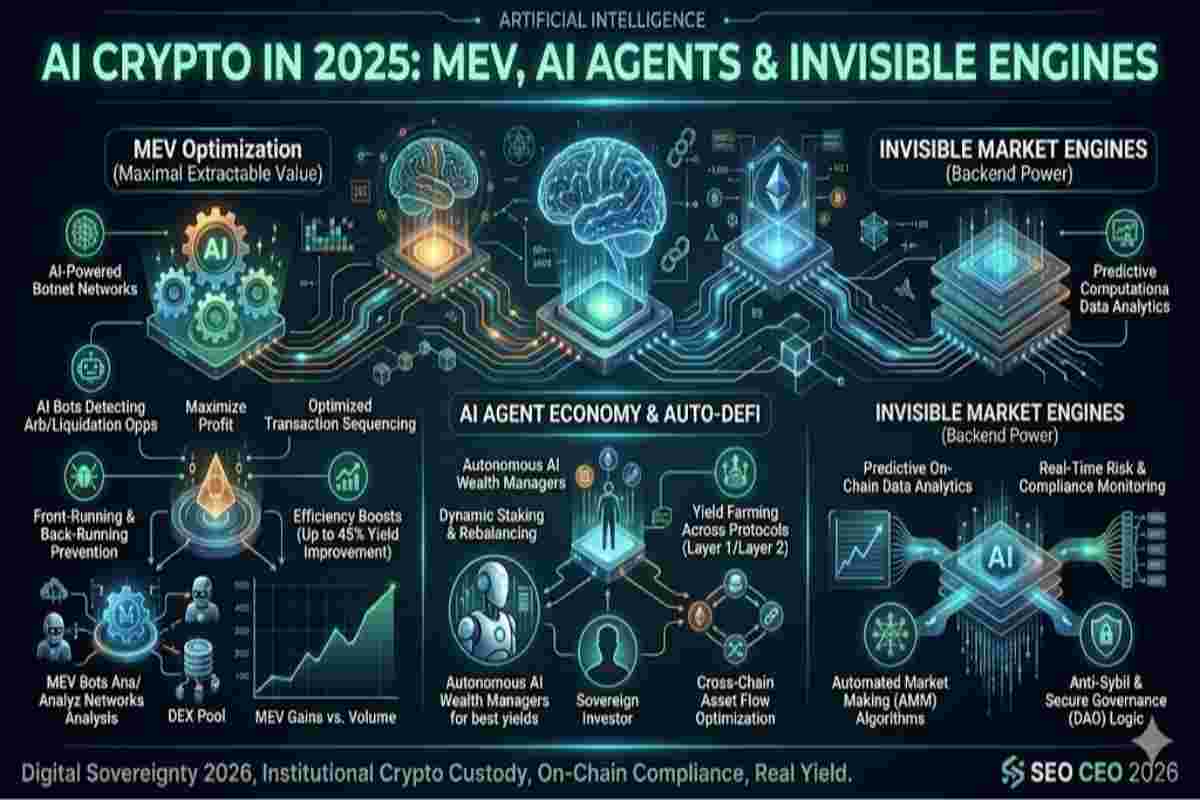
AI in Web5 evolves into empathetic intelligence.
Unlike Web4 systems, which focus on efficiency, Web5 systems prioritize:
This shift is already visible in AI-driven crypto systems (https://ownprocrypto.com/artificial-intelligence-crypto/).
Web5 introduces a new challenge:
👉 securing human-centric data
Blockchain enables:
This aligns with Institutional Asset Security (https://ownprocrypto.com/institutional-asset-security/) and next-gen custody models.
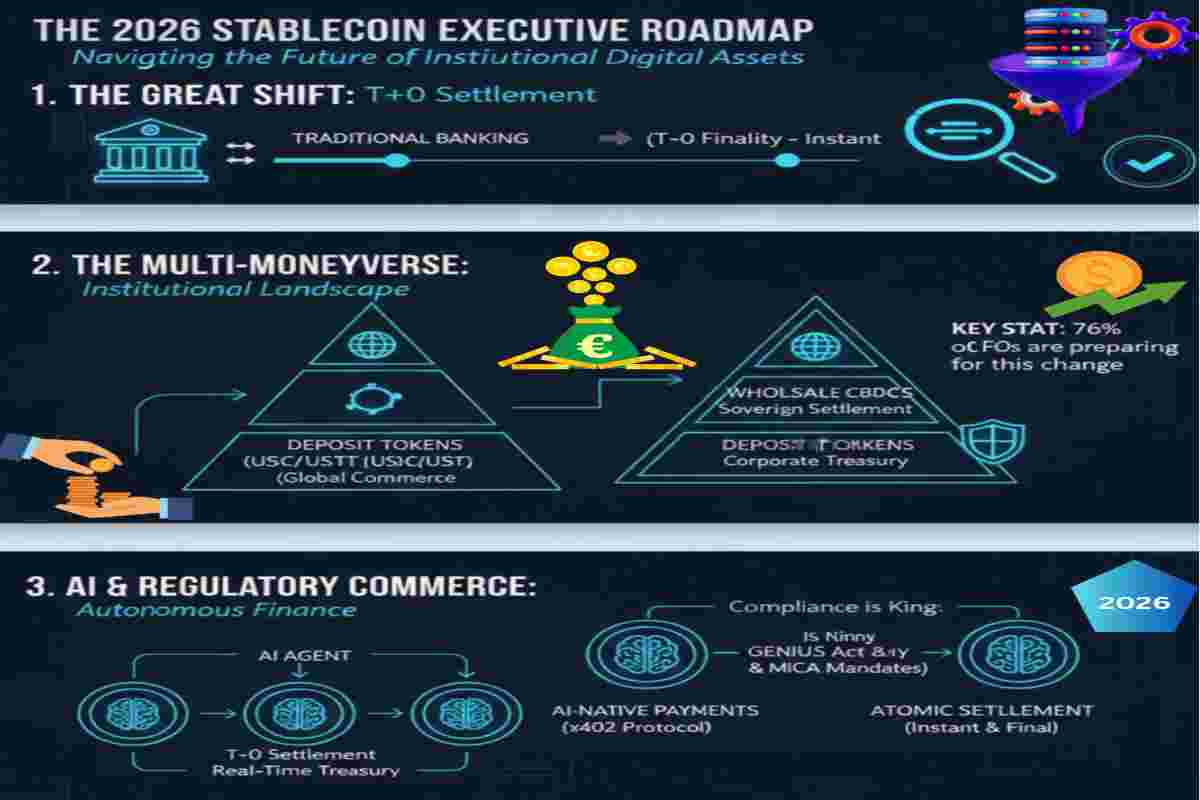
Web5 is not hype—it’s a directional evolution already underway.
Web 5.0 Trends 2026 represent a fundamental shift:
From data → intelligence → emotion
This is where:
If Web3 was about ownership and Web4 about intelligence,
Web5 is about humanity.
Answer:
Web 5.0 is the next evolution of the internet, focused on emotional intelligence, human-centric AI, and decentralized identity systems. It builds on Web4’s intelligent automation by enabling systems to understand human emotions and adapt in real time, creating deeply personalized digital experiences.
Answer:
The Web 5.0 meaning refers to an “emotional web” where technology interacts with users based on context, behavior, and emotional signals. It combines AI, blockchain, and behavioral data to deliver adaptive, human-aware experiences beyond traditional automation.
Answer:
Web4 focuses on AI-driven automation and interoperability, while Web 5.0 adds emotional intelligence and human awareness. Instead of just executing tasks, Web5 systems interpret user intent and feelings. For deeper context, see Web4 Trends 2026: https://ownprocrypto.com/web4-trends/
Answer:
Web 5.0 is in an early adoption phase. While fully integrated systems don’t yet exist, key components—such as emotion AI, AI agents, and decentralized identity—are already active. Many of these are evolving from Web3 and Web4 ecosystems.
Answer:
Core Web 5.0 technologies include:
These build on foundations explained in Web3 Development Guide: https://ownprocrypto.com/web3-development-guide/
Answer:
Key Web 5.0 use cases include:
Many of these extend real-world frameworks like Blockchain Digital Twins: https://ownprocrypto.com/blockchain-digital-twins/
Answer:
Emotional AI systems analyze voice, facial expressions, and behavioral signals to detect human emotions. In Web5, these systems enable applications to respond with empathy and personalization, moving beyond logic-based automation into human-aware interaction.
Answer:
No—Web 5.0 builds on Web3 rather than replacing it. Web3 provides the decentralized ownership and trust layer, while Web5 adds intelligence and emotional context. Learn more in Web3 Ecosystem: https://ownprocrypto.com/web3-ecosystem-explained/
Answer:
Blockchain in Web5 ensures trust, privacy, and ownership, especially for sensitive emotional and behavioral data. It enables decentralized identity and secure interactions, similar to systems discussed in Asset Security 2026: https://ownprocrypto.com/asset-security-2026/
Answer:
AI agents in Web5 are autonomous, emotionally aware systems that can act on behalf of users. They make decisions, interact with platforms, and adapt based on user behavior. Early versions are already explored in AI Agents in Web3: https://ownprocrypto.com/ai-agents-in-web3/
Answer:
Privacy in Web5 relies on decentralized identity, zero-knowledge proofs, and user-controlled data systems. Instead of centralized storage, users manage their own data access—extending frameworks like ZK Identity Architecture: https://ownprocrypto.com/zk-identity-architecture/
Answer:
The Internet of Behaviors (IoB) refers to systems that collect and analyze user behavior to deliver hyper-personalized experiences. In Web5, IoB helps platforms adapt in real time based on user actions, preferences, and emotional signals.
Answer:
There are no fully complete Web5 platforms yet, but many building blocks exist—especially in AI, identity, and tokenization. Projects in RWA Tokenization (https://ownprocrypto.com/rwa-tokenization/) and AI systems are early indicators of Web5 development.
Answer:
Users will gain:
This aligns with broader trends in Digital Ownership: https://ownprocrypto.com/digital-ownership/
Answer:
Human-AI symbiosis refers to a collaborative relationship between humans and AI systems, where AI understands context, emotion, and intent. Instead of tools, AI becomes a digital partner, enhancing decision-making and productivity.
Answer:
No, Web 5.0 does not require BCIs, but they are considered a future extension. Web5 can evolve using current technologies like voice AI and behavioral systems, while BCIs may enhance interaction in later stages.
Answer:
Yes—Web5 enhances security through decentralized identity, cryptographic verification, and zero-trust systems. Innovations like Zero-Trust Interoperability: https://ownprocrypto.com/zero-trust-interoperability/ are key to this evolution.
Answer:
Industries are investing in:
This is already visible in institutional adoption trends like Institutional Crypto Settlement: https://ownprocrypto.com/institutional-crypto-settlement/
Answer:
Web 5.0 is early but real. While the full vision is still developing, its core components—AI, decentralization, and behavioral systems—are already being adopted across industries.
Answer:
Web5 embeds AI and machine learning at its core, but extends them into emotional and contextual intelligence. This evolution builds on systems already transforming crypto and automation, as seen in Artificial Intelligence Crypto: https://ownprocrypto.com/artificial-intelligence-crypto/
To stay ahead:
To ensure your Web3 Infrastructure and Sovereign Ownership Framework align with global compliance standards, we recommend referencing the official primary sources. This document provides the legal “navigator” for digital property rights in 2026.
Official Regulatory Reference: EU Markets in Crypto-Assets (MiCA) Regulation
As we enter the Web4 era, it’s crucial for businesses, developers, and investors to embrace this change. Here are some practical insights to help you adapt:
By implementing these strategies, your organization will be better equipped to navigate the Web4 landscape.
Welcome to OwnProCrypto (Own & Pro Crypto) — a next-generation Bitcoin and blockchain education platform where the science of finance meets the power of AI-driven automation.
Our mission is simple: to equip you with the knowledge, frameworks, and tools needed to make smarter financial and business decisions in the Web3 economy.
Beyond analysis, OwnProCrypto focuses on transparency, verifiable data, and practical frameworks that investors and builders can actually use. Our goal is not hype — but clear thinking, disciplined analysis, and long-term value creation in the decentralized economy.
Our Background
As part of the Web3 Ecosystem Architecture pillar, this guide focuses on Sovereign Ownership Architecture in Web3. Explore related pillars: